Each summer, Paris transforms into an open-air stage. The Paris Quartier d’Été — the largest performing arts festival held outdoors in the French capital — takes over squares, gardens, historic courtyards, and public spaces from July 11 to early August 2026, with a lineup that blends contemporary dance, theater, circus, music, and street performances by artists from around the world.
Founded in 1990, the Quartier d’Été is a festival that firmly believes culture should be accessible to everyone. A large portion of its programming is free or affordably priced, and shows take place in venues across all corners of Paris — from the Jardin des Tuileries to the Bois de Vincennes, from the Parc de la Villette to the Palais Royal. This guide has everything you need to know to make the most of the festival.
What Is the Paris Quartier d’Été?
The Paris Quartier d’Été (literally “Summer Neighborhood of Paris”) is a multidisciplinary performing arts festival held annually in Paris since 1990. Over three to four weeks, it presents dozens of dance, theater, circus, music, and visual arts performances in outdoor and semi-covered venues scattered throughout the city.
The festival’s philosophy is simple and powerful: bring top-tier art out of closed halls and into the heart of Parisian urban life. That means an internationally acclaimed contemporary dance show can happen in a neighborhood garden, a circus performance in a historic square, and a jazz concert in a museum courtyard — all for free or nearly free.
The festival welcomes internationally renowned artists alongside emerging companies, creating a program that is both accessible to the general public and rigorous in its artistic curation. Over more than 30 years, the Quartier d’Été has built a reputation for discovering new talent and offering shows that would normally only be seen in major theaters at high prices.
Dica: Aproveite também para fazer estes passeios em Paris
Tour pelo exterior da catedral de Notre Dame + Ingresso da cripta . Duração: 2 horas
Disneyland Paris Duração: 3 horas ou mais
Passeio de barco pelo Sena. Duração: 1h
Ingresso do 3º andar da Torre Eiffel. Duração: 2 a 3 horas
Ingresso do Palácio de Versalhes. Duração: 2 a 3 horas
Veja mais passeio em Paris aqui.
2026 Lineup: What to Expect
The full Paris Quartier d’Été 2026 lineup is released by the organization starting in spring on the official website quartierdete.com. Based on previous editions, the categories of shows include:
Contemporary Dance
Dance has historically been the heart of the Quartier d’Été. The festival presents top-tier contemporary dance companies from around the world — from France, Brazil, Africa, Asia, and Latin America. Outdoor dance shows offer unmatched visual quality: watching elite dancers move with the Paris sunset as a backdrop is a genuinely unique experience.
Internationally renowned choreographers such as Alain Platel, Angelin Preljocaj, Anne Teresa De Keersmaeker, and many others have performed at the festival. Brazil has a regular presence, with Brazilian contemporary dance companies frequently selected for the festival.
Theater and Performances
The Quartier d’Été presents theatrical shows that break the conventional boundaries of the stage. Site-specific performances (created specifically for a historic location), street theater, physical theater, and pieces that interact directly with the audience and surrounding urban space are part of the curation.
Many shows are in French, but a considerable portion are wordless (dance-theater, physical performance) or in English — making them accessible to international visitors.
Contemporary Circus
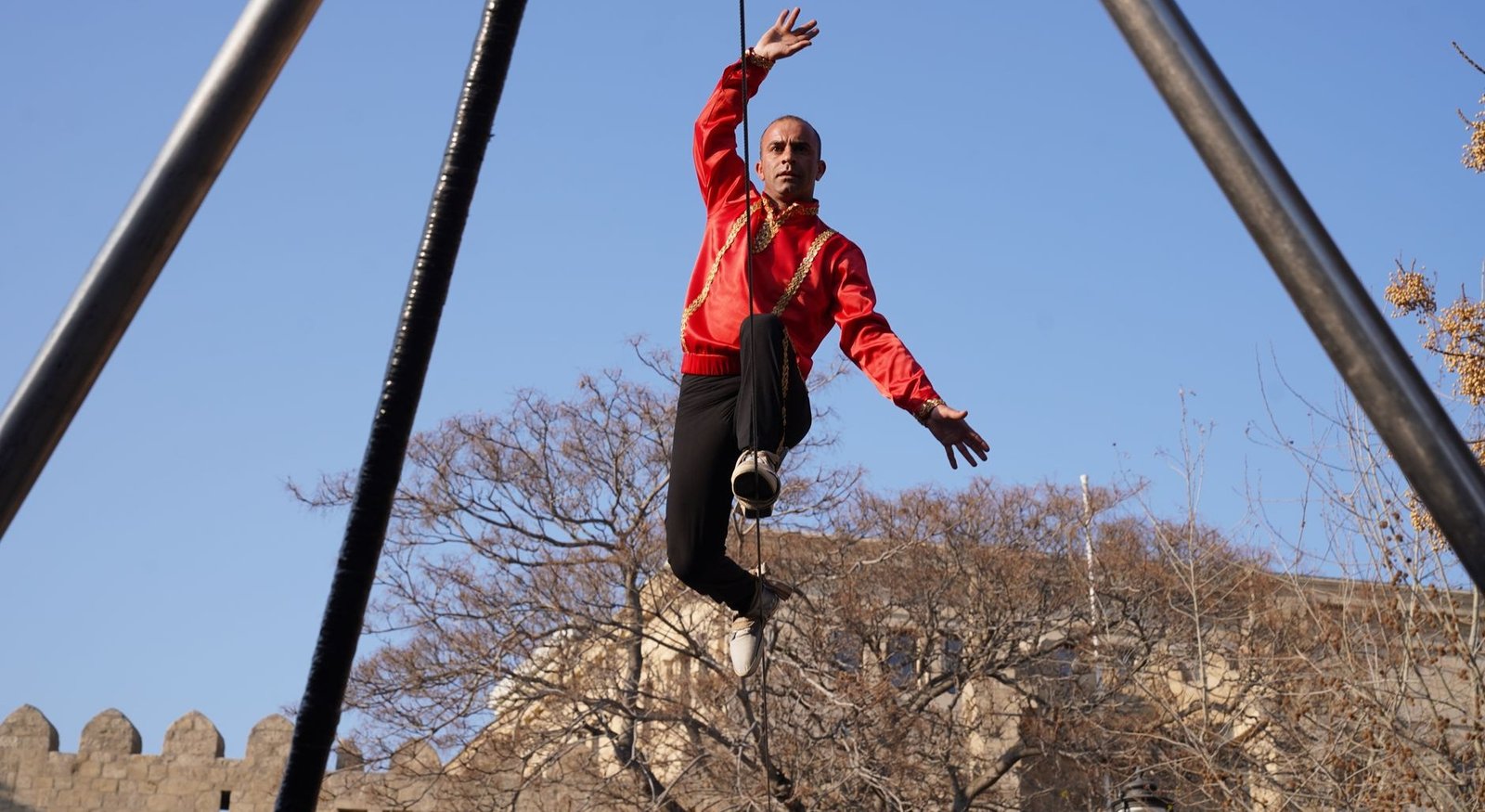
French contemporary circus is a world reference — and the Quartier d’Été is one of the main stages for this art form. Unlike traditional circus, contemporary circus uses acrobatic techniques as an artistic language to tell stories, explore emotions, and create works as sophisticated as any dance or theater show.
Companies such as Cirque Plume, La Compagnie XY, and countless other collectives transform Parisian squares and parks into arenas of physical marvels and stunning visual narratives.
Outdoor Music
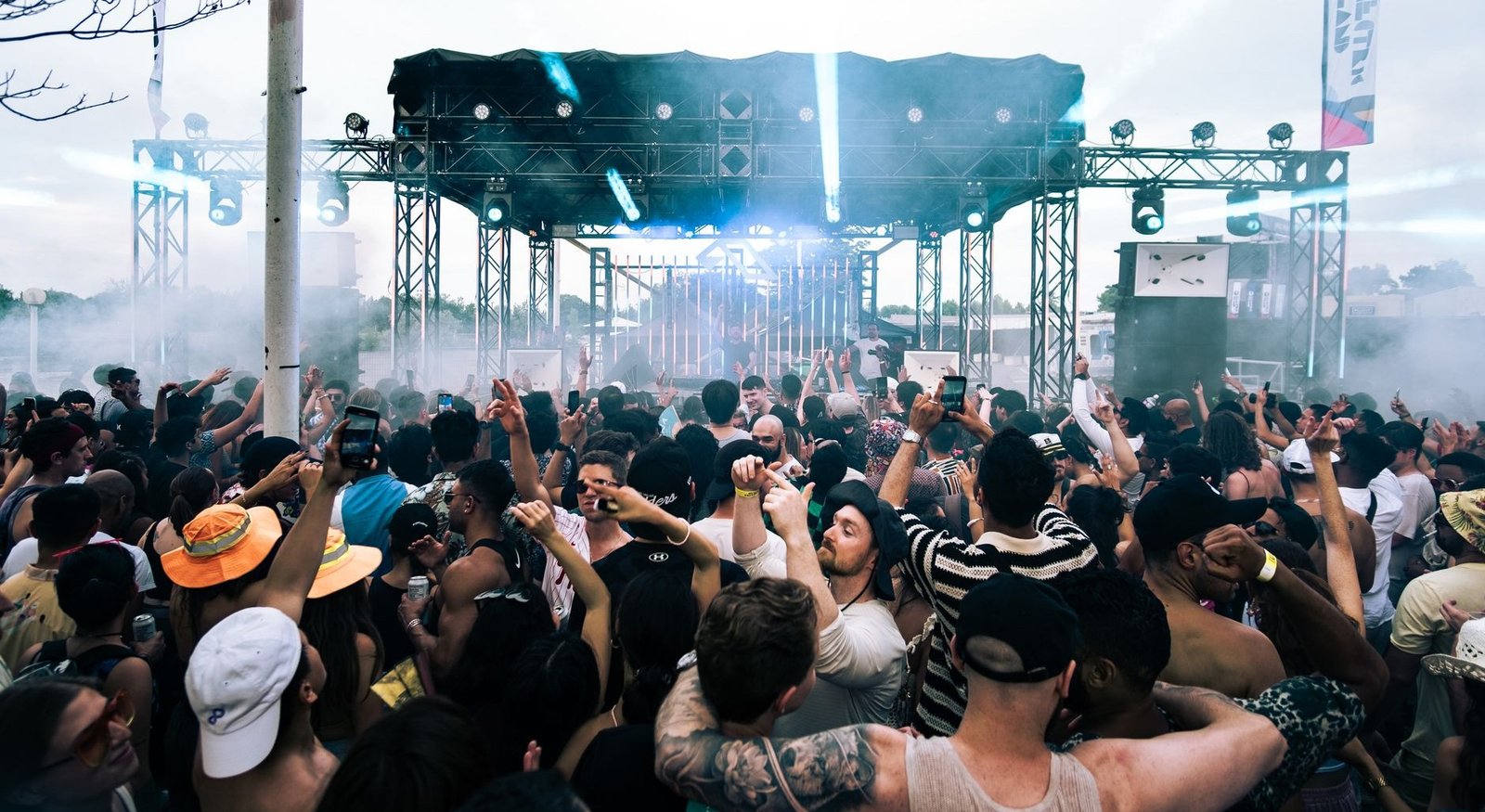
The Quartier d’Été also includes concerts — jazz, contemporary classical, world music, and unexpected fusions. Outdoor concerts in Paris’s historic gardens have an atmosphere no concert hall can replicate: the sound of music mingled with the soft noise of the city, the sunset painting the sky orange and pink, and the audience lying on the grass or sitting on garden chairs.
Festival Venues: Paris as a Stage
One of the most fascinating features of the Paris Quartier d’Été is the diversity of its venues. The festival has no fixed theater — it takes place in spaces scattered across the city, turning everyday locations into temporary stages:
- Jardin des Tuileries: the garden between the Louvre and Place de la Concorde is one of the festival’s most iconic locations, with outdoor shows surrounded by sculptures and fountains
- Parc de la Villette: Paris’s largest park shares space with the Cinéma en Plein Air during the summer, also hosting Quartier d’Été performances
- Bois de Vincennes: the enormous forest park east of Paris, with open-air theaters and clearings that become improvised stages
- Palais Royal: the palace and its classic gardens in the heart of Paris, near the Louvre, host intimate shows in a setting of unmatched elegance
- Courtyards of historic monuments: churches, museums, and palaces open their inner courtyards for exclusive festival performances
- Outer neighborhoods: the festival deliberately takes culture beyond the tourist center, with shows in squares of neighborhoods like Belleville, Ménilmontant, Saint-Denis, and Aubervilliers
This decentralization is a hallmark of the Quartier d’Été: the festival believes that quality art should reach all neighborhoods, not just tourists in the center.
Tickets and Free Admission
One of the greatest virtues of the Paris Quartier d’Été is its pricing policy. The program is divided into:
- Completely free shows: a significant portion of the lineup — especially outdoor performances in public spaces and parks — is entirely free. You show up, find a spot, and watch.
- Affordably ticketed shows: performances in enclosed spaces (like temporary theaters, tents, or warehouses) have ticket prices well below conventional theater rates — usually between €5 and €20.
- Festival passes: in some editions, multi-show passes offer even more savings for those who want to see several performances.
Tickets are sold on the official website quartierdete.com and at the box offices of performance venues. Free outdoor shows do not require a reservation — you simply show up.
How to Navigate the Quartier d’Été Program
With dozens of shows scattered across Paris over 3–4 weeks, good planning is key to enjoying the Quartier d’Été:
- Visit the official website (quartierdete.com) as soon as the program is released — usually in May/June
- Filter by date and location: check what’s happening on the days you’re in Paris and which venues are most convenient for your itinerary
- Prioritize the free shows: free outdoor performances are often the most special — watching world-class contemporary dance in a historic garden is one of the most Parisian experiences possible
- Book paid shows in advance: ticketed performances (even cheap ones) can sell out, especially on weekends
- Combine with the city: since shows take place at different locations, plan your day to combine the performance with a visit to the neighborhood where it occurs
Quartier d’Été with Children and Families
The festival has an excellent program for families and children. Circus, visual theater, and dance performances often have special sessions for younger audiences or are accessible to all ages due to their visual and physical language.
For families with children, outdoor contemporary circus shows are the most recommended: the acrobatic and visual language is language-independent, and the visual impact is immediate and powerful. Children of all ages are absolutely fascinated.
Combining the Quartier d’Été with Other Events
The Paris Quartier d’Été runs from July 11 to early August, overlapping with other major Parisian summer events:
- Paris Plages: the urban beaches are open during the same period — combine an afternoon on the Seine with an evening Quartier d’Été show
- Tour de France (July 26): if you’re in Paris during the festival’s opening week, combine the Tour’s finish on the Champs-Élysées in the afternoon with a Quartier d’Été show that evening
- Cinéma en Plein Air (from July 22): at the Parc de la Villette, both festivals overlap — you can watch a Quartier d’Été performance and then stay for a movie
Quick Practical Information
| Item | Detail |
|---|---|
| Dates | July 11 to early August 2026 |
| Venues | Multiple locations across Paris (gardens, squares, parks, historic courtyards) |
| Admission | Free (most shows) / €5–€20 (shows in enclosed spaces) |
| Art forms | Dance, theater, contemporary circus, music |
| Reservations | Free shows: no reservation. Paid shows: quartierdete.com |
| Brazilian presence | Brazilian companies frequently in the lineup |
| Full program | quartierdete.com (announced in May/June) |
Conclusion: Paris as the World’s Greatest Performance Hall
The Paris Quartier d’Été 2026 turns Paris into what it has always been at heart: the world’s largest and most beautiful performance hall. For three to four weeks, every garden, every square, and every historic courtyard can become the stage for something extraordinary.
If you’re in Paris between July 11 and early August, follow the Quartier d’Été program and set aside at least one or two evenings for the shows. Free or nearly free, internationally renowned, outdoors, and set against incomparable historic backdrops — it’s hard to find better cultural value for money in any city in the world.