Notre-Dame Reopened: What’s Changed and What the Visit Looks Like Today
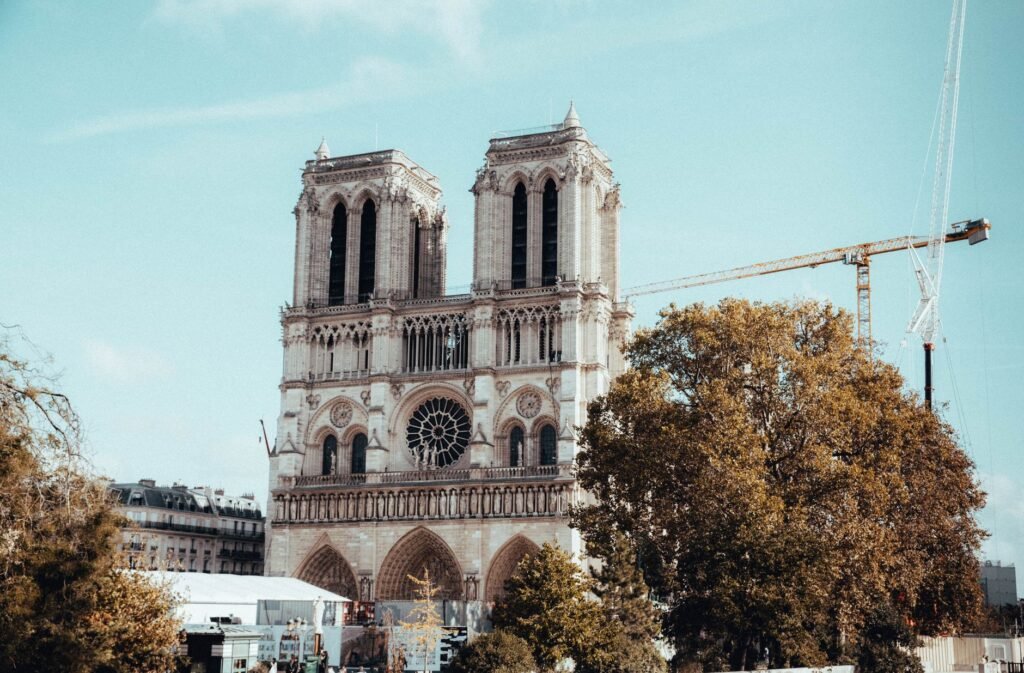
🇧🇷 POR | 🇫🇷 FR | 🇺🇸 EN | 🇪🇸 ES Five and a half years after the fire that destroyed much of the roof and toppled the spire in April 2019, Notre-Dame Cathedral reopened its doors in December 2024. Visiting today, you’ll find a building that looks the same from the outside, but inside, there are differences that jump out at anyone who had been there before the fire. The western facade, with its two towers, was one of the parts least affected by the fire—the damage was concentrated on the roof and spire. | Photo: Louis / Pexels The December 2024 Reopening The reopening ceremony took place in December 2024, after a restoration project that mobilized hundreds of specialized artisans, carpenters, stained-glass artists, and stonemasons. The total cost of the reconstruction exceeded initial estimates, funded largely by donations from over 150 countries following the global outcry over the fire. Today, the cathedral is open to the public every day, but access has changed—and it’s worth knowing about these practical changes, as well as what was rebuilt, before you go. The Roof: 2,000 Oak Trees and 13th-Century Techniques The roof structure of the nave and main chapel—historically known as “the forest” because of the sheer amount of wood used—was completely rebuilt using medieval techniques. About 2,000 oak trees from sustainably managed French forests were cut and hand-carved with tools reproduced from 13th-century models. The result is a framework of beams fitted together without a single nail or screw, just as medieval carpenters would have done it. From the outside, the effect is invisible—no one sees the roof from inside during a standard visit—but it was one of the most expensive and time-consuming parts of the entire project. The Spire: 96 Meters Rebuilt Exactly as Before The spire that collapsed in pieces during the fire, live in front of the entire world, was recreated at the same height (96 meters) and with the same design as the 1857 version by architect Eugène Viollet-le-Duc. There was no modern redesign or winning alternative proposal—despite an international ideas competition held shortly after the fire, with proposals that included glass roofs and even a hanging garden. In the end, a faithful reconstruction of the original prevailed. The cathedral’s silhouette at dusk, with the rebuilt spire visible at the top—from a distance, it’s nearly impossible to tell the difference from before the fire. | Photo: Leonardo Delsabio / Pexels Inside: Lighter Stone, Clean Stained Glass, and New Furniture The change that most impresses anyone who visited Notre-Dame before 2019 is inside the nave. Centuries of candle soot, pollution, and smoke had darkened the limestone columns and arches. The deep cleaning during the restoration revealed stone much lighter than any recent visitor had ever seen—the interior now looks, according to those who worked on the project, closer to what it was in the Middle Ages than the “dark” Notre-Dame that lingered in the memory of generations of tourists. The stained-glass windows were also cleaned and restored, recovering colors that had been veiled by decades of accumulated grime. The main altar received contemporary liturgical pieces—including a new set designed by French artist Guillaume Bardet—a choice that divided opinions between those who wanted something more traditional and those who defended the inclusion of modern art within a historic monument. The 2019 Fire, in a Nutshell On the night of April 15, 2019, a fire started in the roof structure of Notre-Dame and spread quickly through the “forest” of wood that had supported the covering for over 800 years. The images of the spire falling, broadcast live around the world, turned that night into one of the most striking moments in Paris’s recent history—and sparked an immediate wave of international solidarity. Despite the near-total destruction of the roof and spire, the cathedral’s stone structure held, as did the two towers of the main facade, the large rose windows, and most of the relics kept in the Treasury—many of which were rushed out by firefighters during the fire itself, including the relic of the Crown of Thorns, one of the most valuable pieces housed in the cathedral. Who Did the Work and How It Was Funded The reconstruction brought together hundreds of specialized professionals—carpenters trained specifically in medieval techniques, stonemasons, stained-glass artists, painting restorers, and organ builders, among others. Many of these crafts had practically disappeared in France before the fire, and the Notre-Dame project ended up serving as a rare hub for hands-on training in these traditional techniques, with young artisans learning alongside experienced masters over the five years of work. Funding came mostly from private donations, raised within weeks of the fire from over 150 countries—from major French corporate groups to individual donations from ordinary people worldwide. This influx of resources, combined with the tight deadline publicly set by the French government, was one of the reasons the project moved at a pace considered fast for a restoration of this scale and complexity. What the Visit Looks Like Today: Reservations, Towers, and Treasury Entry to the cathedral remains free, but now requires a mandatory time-slot reservation, made online. Slots are released with little notice and disappear quickly during peak season—so it’s best to book as soon as you have your travel dates confirmed, rather than leaving it until the day before. Hours are Monday through Friday from 7:45 AM to 7:00 PM, with extended hours on Thursdays until 10:00 PM. On weekends, it opens at 8:15 AM and closes at 7:30 PM. Last entry is always 30 minutes before closing. The towers, which house the Emmanuel bell and offer views of Paris from above, are once again open to visitors with a separate ticket from the cathedral entrance—consider this climb a separate activity, as it has its own line and visitor quota per time slot. The Treasury, with relics and historic liturgical pieces, is also accessible within the visit circuit. The Surroundings: What Else to See on the Île de la Cité Notre-Dame sits on the Île de la Cité, the historic island