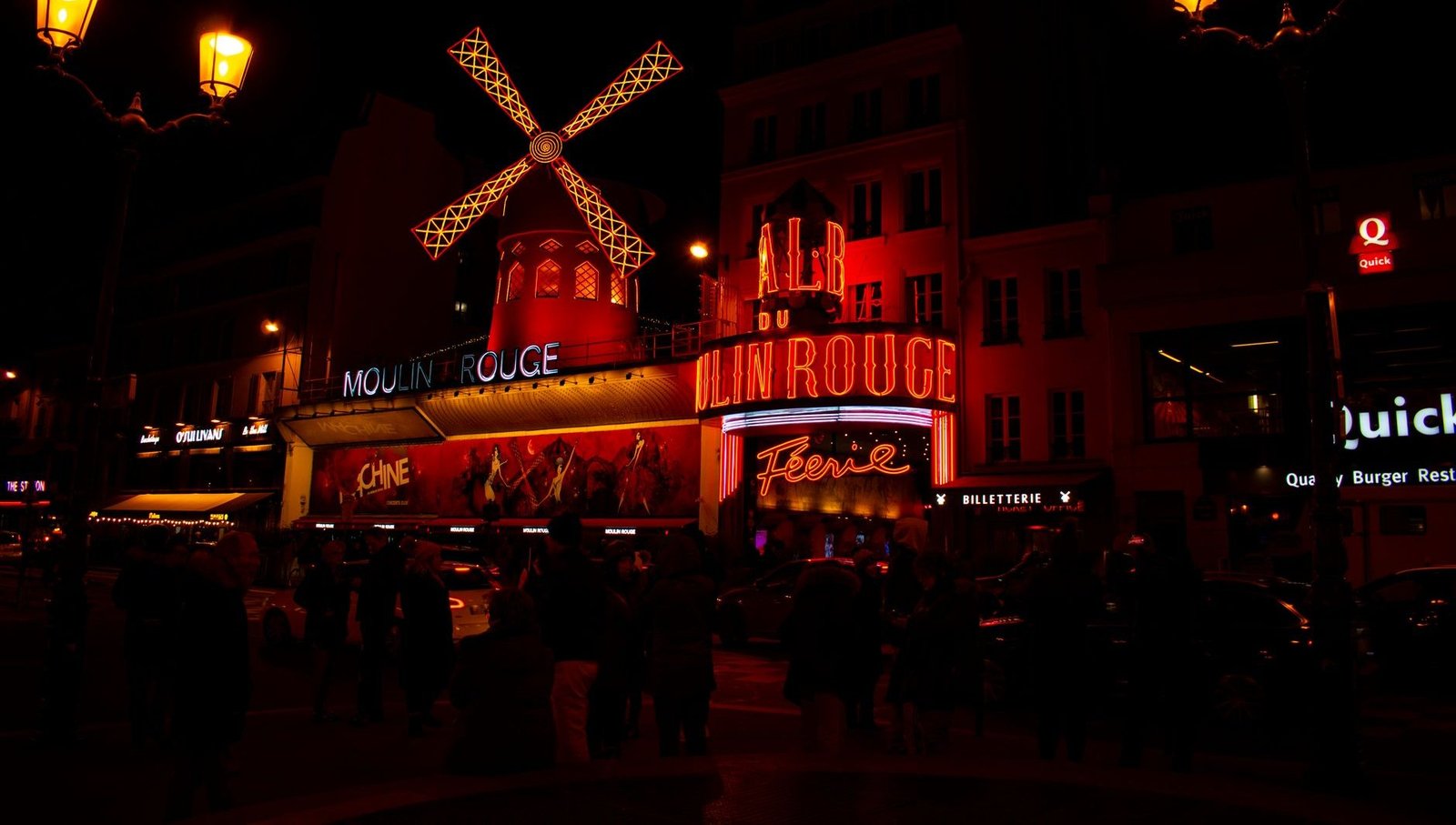
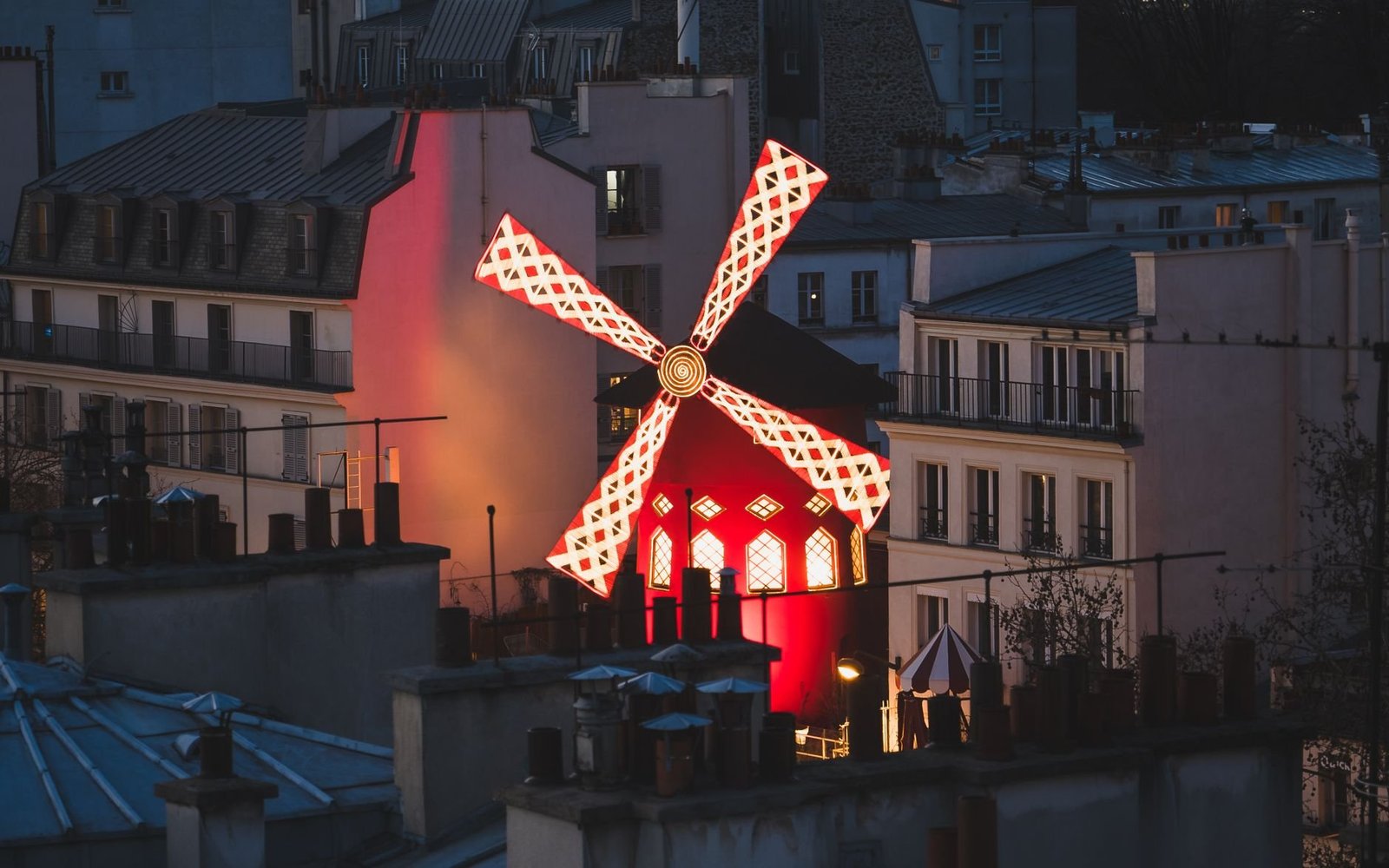
For many people, Pigalle is synonymous with one thing: the Moulin Rouge. The red windmill appears in photos and movies, has become a Parisian postcard, and has ended up overshadowing everything else the neighborhood has to offer. The reality is that Pigalle is one of the most changeable districts in the city — and over the last 15 years, it has undergone a transformation that few tourists have kept up with.
What was once a district associated with erotic shows and nightclubs has gained a new layer over the past decade: award-winning cocktail bars, shops specializing in vinyl records and musical instruments, restaurants attracting young chefs, and a cultural scene that blends the old and the new without trying to erase either. The area has even earned a nickname: SoPi, short for South Pigalle.
This doesn’t mean Pigalle has become a sterile neighborhood. The Moulin Rouge is still there, along with some of the nightclubs that have existed for decades. But the neighborhood has evolved, and it’s worth much more than a distant photo of the illuminated red windmill.
Dica: Aproveite também para fazer estes passeios em Paris
Tour pelo exterior da catedral de Notre Dame + Ingresso da cripta . Duração: 2 horas
Disneyland Paris Duração: 3 horas ou mais
Passeio de barco pelo Sena. Duração: 1h
Ingresso do 3º andar da Torre Eiffel. Duração: 2 a 3 horas
Ingresso do Palácio de Versalhes. Duração: 2 a 3 horas
Veja mais passeio em Paris aqui.
The History of the Pigalle Neighborhood
The neighborhood takes its name from Jean-Baptiste Pigalle, an 18th-century French sculptor who has nothing to do with the reputation the place eventually gained. Place Pigalle and the surrounding streets were long home to artists — Degas, Toulouse-Lautrec, Van Gogh, and Picasso all lived or worked in the 18th arrondissement, which includes Montmartre and Pigalle.
The “red-light” reputation solidified in the 20th century, especially after World War II, when the area became known for nightclubs, cabaret shows, and adult establishments. For decades, it was a place that combined the glamour of cabarets with a darker side on the surrounding streets.
Starting in the 2000s, and more rapidly after 2010, quality bars, restaurants, and shops began popping up in the southern stretch — attracted by rents still affordable by Parisian standards and the neighborhood’s irreverent character. The gentrification process wasn’t painless, as in any city, but the result is a neighborhood that now hosts unlikely coexistences.
What to See and Do in Pigalle by Day
By day, Pigalle has a completely different rhythm from its nightlife. The streets are quiet, locals do their shopping, and the sun erases much of what the neon hides at night. It’s a different time to explore the neighborhood.
Musical Instrument Shops
The area between Place Pigalle and Rue de Clichy is home to one of the largest concentrations of musical instrument stores in Europe. Guitars, basses, amplifiers, drums, keyboards, effects pedals — you can spend an entire morning popping in and out of shops without coming close to the end. For musicians or just window-shoppers, it’s a fascinating itinerary.
The most traditional shops are on Rue de Douai, Rue Victor Massé, and Boulevard de Clichy. Some have been around for decades and function more like museums than retail outlets, with rare instruments hanging on the walls. You don’t need to buy anything to enter — the stores are used to curious visitors.
Vinyl Record Stores
The same musical spirit that kept the instrument shops alive survived in another format: vinyl records. Pigalle has a remarkable concentration of specialized stores worth exploring. The collections of jazz, blues, soul, and rock scattered around the neighborhood can make a collector lose track of hours — and prices are usually more reasonable than in shops in touristy districts.
Musée de la Vie Romantique
Just a block from Pigalle, on Rue Chaptal, is the Musée de la Vie Romantique — one of the most underrated museums in Paris. It operates in an 1830 house that belonged to painter Ary Scheffer, where George Sand and Frédéric Chopin were frequent visitors. The garden with its tea table is one of the city’s best-kept secrets.
Admission is free for the permanent collection (temporary exhibitions have a ticket fee). It’s worth pairing with a coffee in the garden and a stroll down Rue Chaptal.
SoPi and the Cocktail Bars
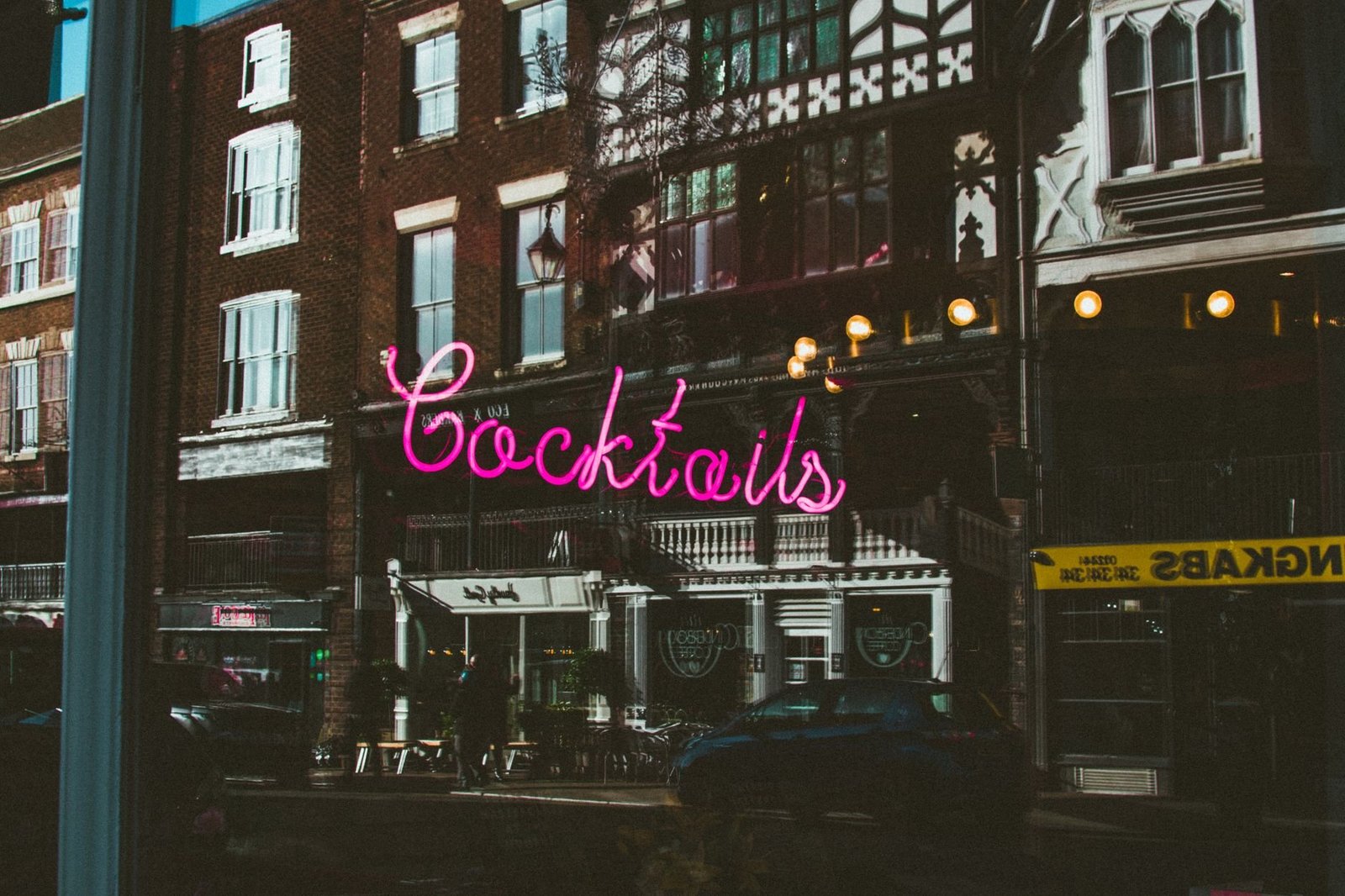
The nickname SoPi was humorously coined by journalists and entrepreneurs in the 2010s, referencing New York’s SoHo. It caught on because it sums up a real transformation: the southern stretch of Pigalle, between Place Blanche and Rue des Martyrs, has become one of the most exciting hubs of Parisian nightlife.
The cocktail scene in Paris flourished in SoPi. Some bars in the area regularly appear on lists of the world’s best. Dirty Dick (10 Rue Frochot) specializes in tropical cocktails with Caribbean and Asian influences — always packed, but worth the wait. The decor is wild and deliberately chaotic, which is part of its charm.
Moonshiner (5 Rue Sedaine) has an entrance hidden behind a pizzeria, in speakeasy style — a secret bar that has become a local hangout. Le Très Particulier (23 Avenue Junot) is technically in Montmartre but is right in the neighborhood and has a secret garden inside a hôtel particulier that is one of the best spots for a quiet drink in Paris.
These bars have lines on weekends. Going on a weekday, after 9 PM, increases your chances of getting in without a long wait. Prices are higher than regular bars — a cocktail runs between €15 and €22 — but the quality of the drinks and the atmosphere justify it.
Restaurants and Bistros in South Pigalle
SoPi’s offering of modern bistros grew alongside its bars. Young chefs who couldn’t afford the rents in Saint-Germain or the Marais opened shop here in the 2010s, and the neighborhood has become one of the most interesting places to eat outside the usual tourist circuit.
Rue Victor Massé is packed with restaurants offering great value for money. A practical tip: any place with a line on the sidewalk or hard-to-get reservations is worth at least checking the menu in the window before walking in.
The Moulin Rouge: What to Know Before You Go
No guide to Pigalle can ignore the Moulin Rouge. The cabaret has been around since 1889 and is still in full swing, with performances every night in two shows.
The show is a dance and variety spectacle with feathers, elaborate costumes, and can-can choreography. It lasts about 1 hour and 45 minutes. Options are: show only (from €89 per person) or show with dinner (from €185 per person, wine included). Seating is at shared tables — there are no individual rows of seats like in a conventional theater.
The illuminated facade with the spinning red windmill is completely free to see. The surrounding area, especially Boulevard de Clichy, is always lively at night. Photographing the facade from the sidewalk is a great way to enjoy the symbol without spending a dime. Avoid the immediate souvenir stalls, which charge prices well above the norm.
Safety Tips for Pigalle
The reputation for being “dangerous” is partly exaggerated and partly real. It all depends on the time, the area, and your behavior.
By day, Pigalle is completely safe for tourists. Rue Lepic in Montmartre, Rue des Abbesses, the instrument shops, and the Musée de la Vie Romantique are frequented by all kinds of people without any issues.
At night, especially on the stretches of Boulevard de Clichy with adult nightclubs, you need to be more alert. Groups that approach tourists on the sidewalk — with invitations to bars or shows — often charge outrageous amounts at the end of the night. Politely declining and continuing to walk is always the right response. Don’t follow anyone who insists, even with promises of “just one drink.”
The Pigalle metro station (lines 2 and 12) runs frequently and is safe. The exit onto Boulevard de Clichy at night can be more chaotic than other stations — keep an eye on your bag as you would in any crowd.
Tourists with children can stroll safely through South Pigalle and Rue Lepic in Montmartre. Boulevard de Clichy at night isn’t the most suitable environment for families with young kids.
How to Get to Pigalle
Getting there is simple. The main metro options: Line 2, Pigalle station — drops you right on the central boulevard. Line 12, same station — with access from Montparnasse, Concorde, and Madeleine. Line 12, Abbesses station — a bit higher up, closer to Rue Lepic and Montmartre.
From central Paris (Louvre, Notre-Dame): less than 20 minutes with 1-2 transfers. From Trocadéro and the Eiffel Tower: Line 6 to Barbès-Rochechouart and a connection to Line 2. You can also get there by RATP bus — lines 30, 54, and 67 pass through the area.
Frequently Asked Questions About Pigalle
Is Pigalle safe for tourists?
By day, completely. At night, South Pigalle and the neighborhood bars are frequented by a diverse, cosmopolitan crowd without major issues. The adult nightclub stretches on Boulevard de Clichy require the same common sense you’d use in any big city.
Do I need to make reservations for SoPi bars?
Some accept reservations, others are walk-in only. Dirty Dick doesn’t take reservations, and the line can be long on weekends. Go earlier or on weekdays.
Is Pigalle close to Montmartre?
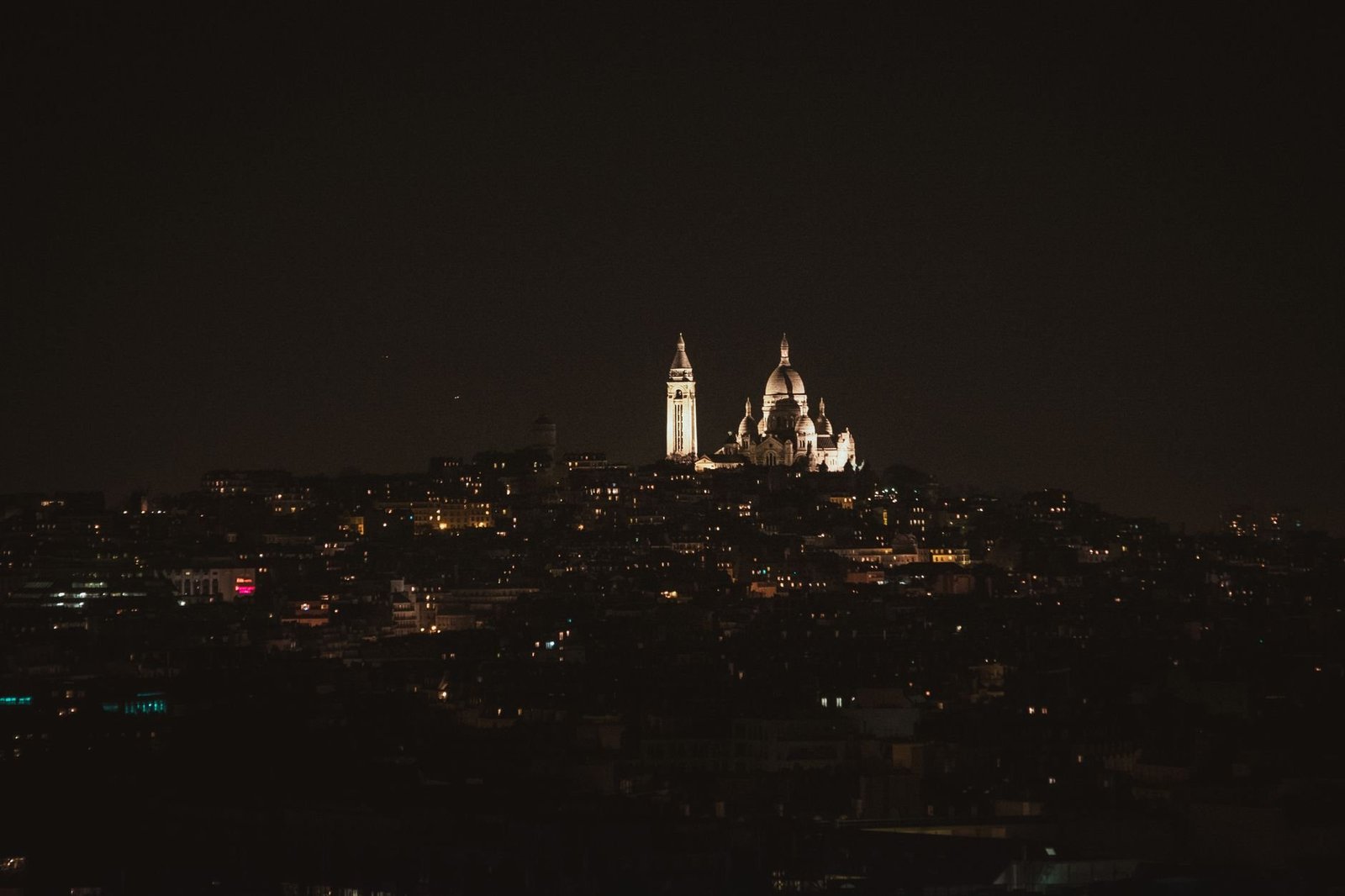
Yes, they’re neighboring districts and complement each other well in an itinerary. Pigalle sits at the base of Montmartre hill. You can combine Pigalle’s instrument shops in the morning with a climb up to Sacré-Cœur and Place du Tertre in the afternoon.
Is there anything to do in Pigalle with kids?
The Musée de la Vie Romantique and the musical instrument shops are suitable for children. The Boulevard de Clichy section with nightclubs is best avoided with young kids.
Does the Moulin Rouge allow children?
The show is rated for ages 6 and up. Children between 6 and 18 get a discount, but the show isn’t geared toward a young audience.
Pigalle is one of those Parisian neighborhoods that only makes sense once you’ve been there. The reputation that reached you before your trip doesn’t tell the whole story — and the part it leaves out is precisely the most interesting one. Set aside a late afternoon to wander through South Pigalle, pop into a vinyl shop, have dinner at a bistro without a touristy sign out front, and grab a cocktail before watching the red windmill light up. This version of the neighborhood exists, too.