Lots of people arrive in Paris convinced they’ll have to spend a fortune to eat. So they end up at the supermarket all the time, or they overpay for a mediocre restaurant near the Eiffel Tower because they didn’t know any better. Paris has one of the richest food cultures in the world—and that includes affordable options that locals hit up every single day. You just need to know where to look.
Here are the best strategies for eating well without emptying your wallet: the bistrot lunch menu, neighborhood crêperies, bakeries, Marais falafels, and picnics in the gardens. With real prices and tips on where to go.
Dica: Aproveite também para fazer estes passeios em Paris
Tour pelo exterior da catedral de Notre Dame + Ingresso da cripta . Duração: 2 horas
Disneyland Paris Duração: 3 horas ou mais
Passeio de barco pelo Sena. Duração: 1h
Ingresso do 3º andar da Torre Eiffel. Duração: 2 a 3 horas
Ingresso do Palácio de Versalhes. Duração: 2 a 3 horas
Veja mais passeio em Paris aqui.
The Formule: The Lunch Menu Parisians Love
Want to eat like a Parisian and pay like one too? The magic word is formule. It’s the lunch prix-fixe menu—almost every bistrot and brasserie offers a combo of starter + main (or main + dessert, or all three) for a set price between €12 and €18.
Why does this exist? Lunch is sacred in France. Between noon and 2 PM, restaurants need to turn tables quickly, so they create these menus to attract neighborhood workers. The savvy traveler takes advantage of the exact same system.
What to expect? A starter of the day—soup, salad, or rillettes. A main course with protein and sides. A simple dessert, like chocolate mousse or tarte tatin. Drinks are almost never included, but tap water (carafe d’eau) is free by law. Ask for it without hesitation.
One game-changing detail: the formule is almost exclusively a lunch thing. Dinner à la carte at the same bistrot easily runs €22–28 per dish. If you’re on a budget, flip the logic—make the bistrot lunch your main meal, and keep dinner light with bakery or market finds.
Crêperies: A Full Meal for Under €12
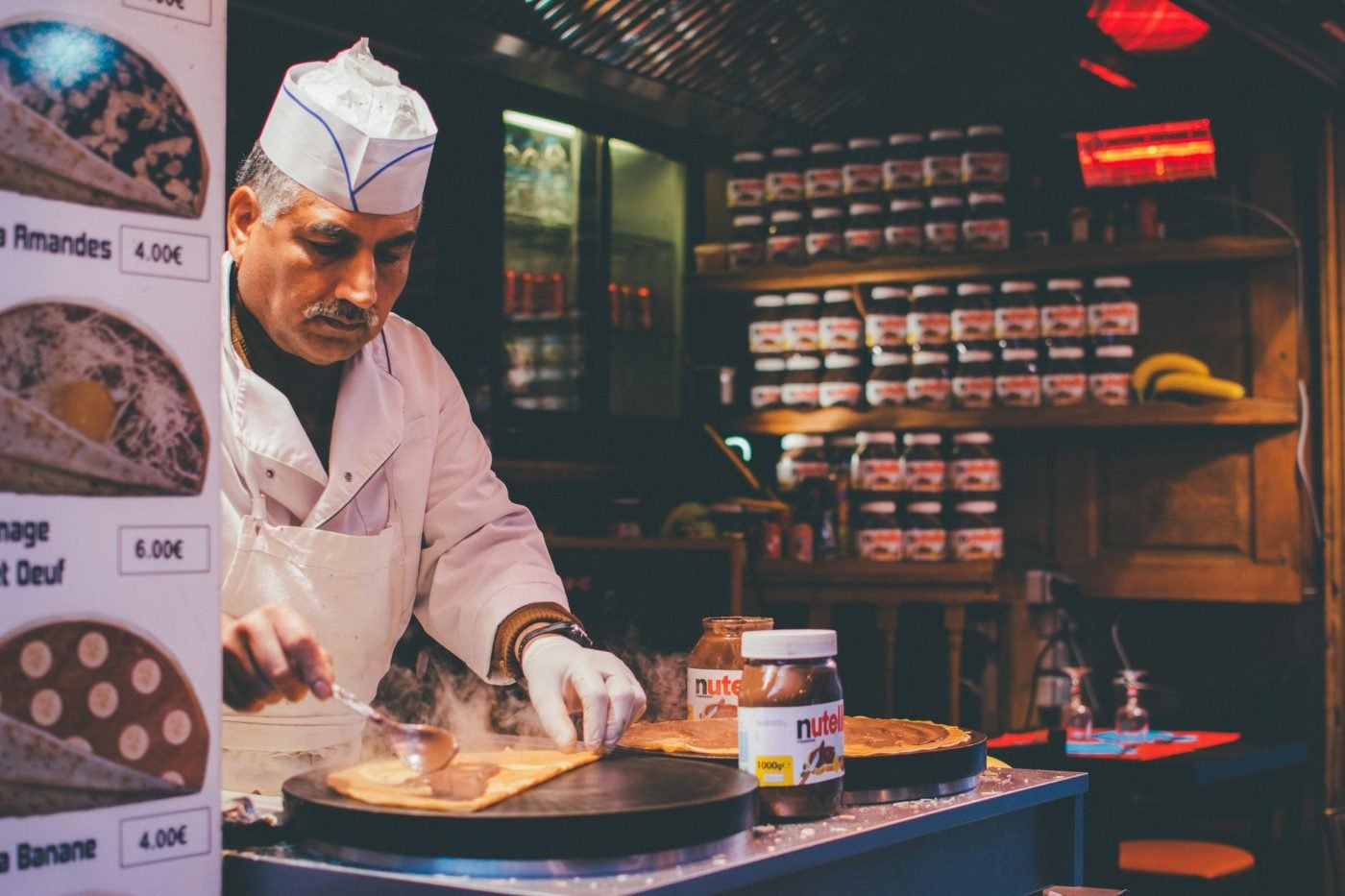
The galette—a savory crêpe made from buckwheat flour—is one of the best bang-for-your-buck meals in Paris. A galette complète with cheese, ham, and an egg costs €8 to €12. Add a sweet crêpe for dessert for another €3 or €4, and you’ve had a great meal for under €16.
The Montparnasse area—especially Rue Odessa and Rue Edgar Quinet—is home to the city’s most authentic crêperies. Many Bretons (from Brittany, where the galette originated) moved to this neighborhood in the early 20th century. These are the most traditional versions, with that dark buckwheat and slightly crispy edges.
Outside of Montparnasse, quality varies a lot. The ones in the front row of Montmartre or right along the Seine usually charge more and deliver less. The way to find a good one: a line of locals at lunchtime. That’s the one indicator that never lies.
Boulangeries: The Most Honest Lunch in Paris
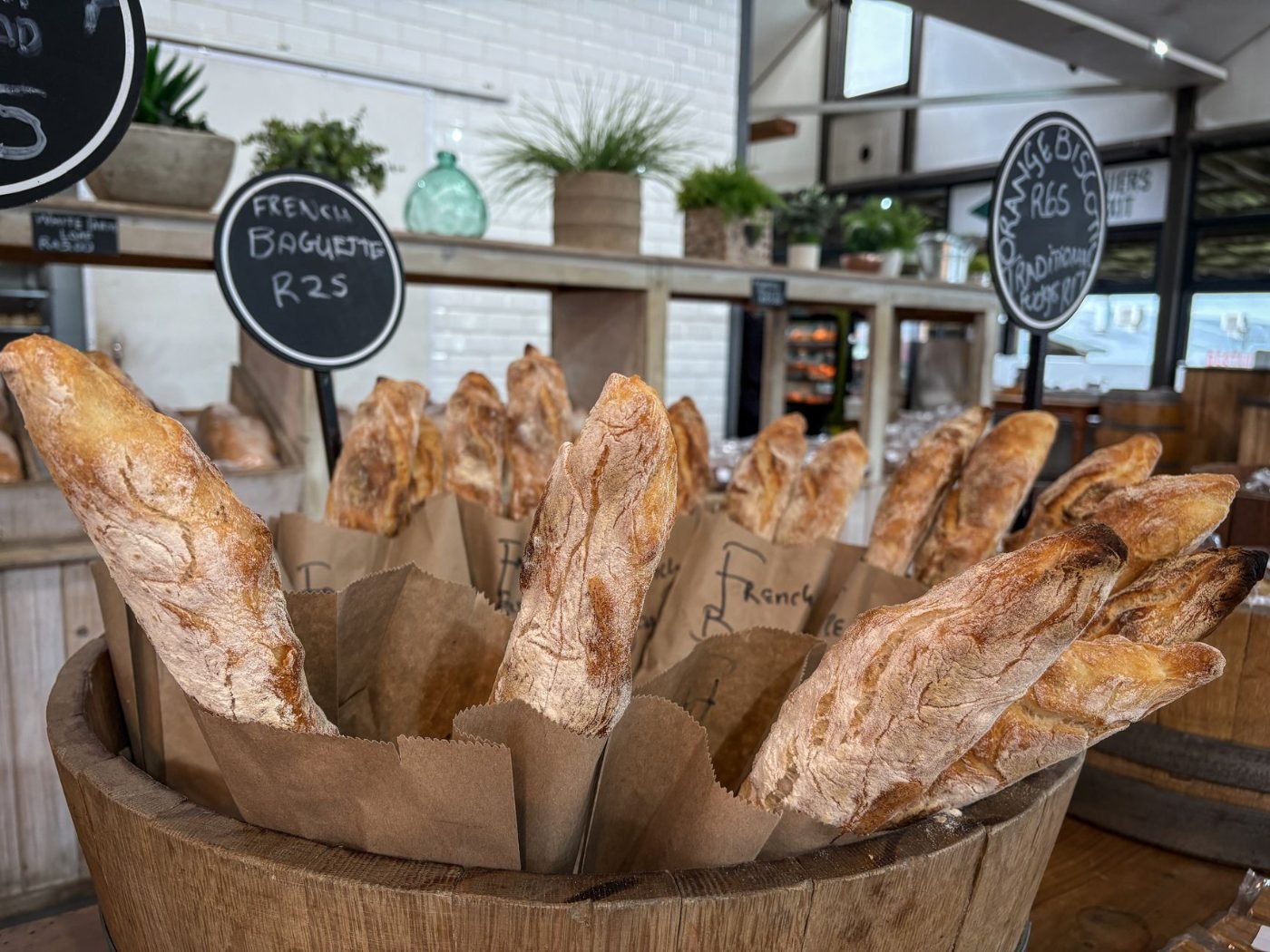
A filled baguette—the sandwich baguette—costs between €4 and €6. Classic fillings: jambon-beurre (ham and butter, the unbeatable classic), thon-crudités (tuna with veggies), or caprese. Grab one, find a bench in the nearest garden. Done—you’ve got the perfect Paris lunch for less than a coffee and cake in São Paulo.
Beyond sandwiches, bakeries sell quiches (€3–4), savory croissants, and various pastries. Many have a small counter where you can eat in, sometimes with coffee included. The price is always well below any restaurant.
Paris has over 1,200 independent boulangeries. Every year, the city elects the “Best Baguette in Paris”—the winner supplies bread to the Élysée Palace for a year. Any bakery that’s ever been a finalist in this competition is worth a detour.
Timing tip: bakeries open between 7 AM and 8 AM and usually have two baking rounds. Around 4 PM or 5 PM, the afternoon baguettes come out fresh. Avoid Saturday morning if you don’t want to deal with a line.
Falafels in the Marais: Classy Fast Food
Rue des Rosiers in the Marais is home to some of the best falafel joints in Europe. The dish runs between €7 and €10 and is generous: fried falafel, hummus, cabbage salad, roasted eggplant, all wrapped in a pita that barely closes. Eat it standing up, sitting on the sidewalk, or walking—there’s no protocol.
L’As du Fallafel is the most famous, and the line wraps around the corner on weekends. The competitors right next door are just as good with a shorter wait. Get there before noon or after 2 PM to avoid the rush.
Important note: the Marais is the historic Jewish quarter, and many shops close for Shabbat—from sunset on Friday to late afternoon on Saturday. Friday before 5 PM, Sunday, and any weekday are safe bets.
Parisian Picnic: The Cheapest Option (and Maybe the Best)
Cheese from a fromagerie, baguette from a bakery, a bottle of wine from Monoprix. The Champ de Mars gardens with the Eiffel Tower in front. This costs €8 to €12 per person and is, without empty romanticism, one of the most Parisian experiences you can have.
The best spots: Champ de Mars gardens, Luxembourg Gardens, Canal Saint-Martin, and the banks of the Seine. In the summer, the Paris Plages event turns the riverbanks into a leisure area with sand and deck chairs.
Franprix and Monoprix have branches in practically every arrondissement. At Marché des Enfants Rouges—Paris’s oldest covered market, in the Marais—you’ll find ready-to-eat dishes from various cuisines at market prices, not restaurant prices.
Food Courts and Modern Food Halls
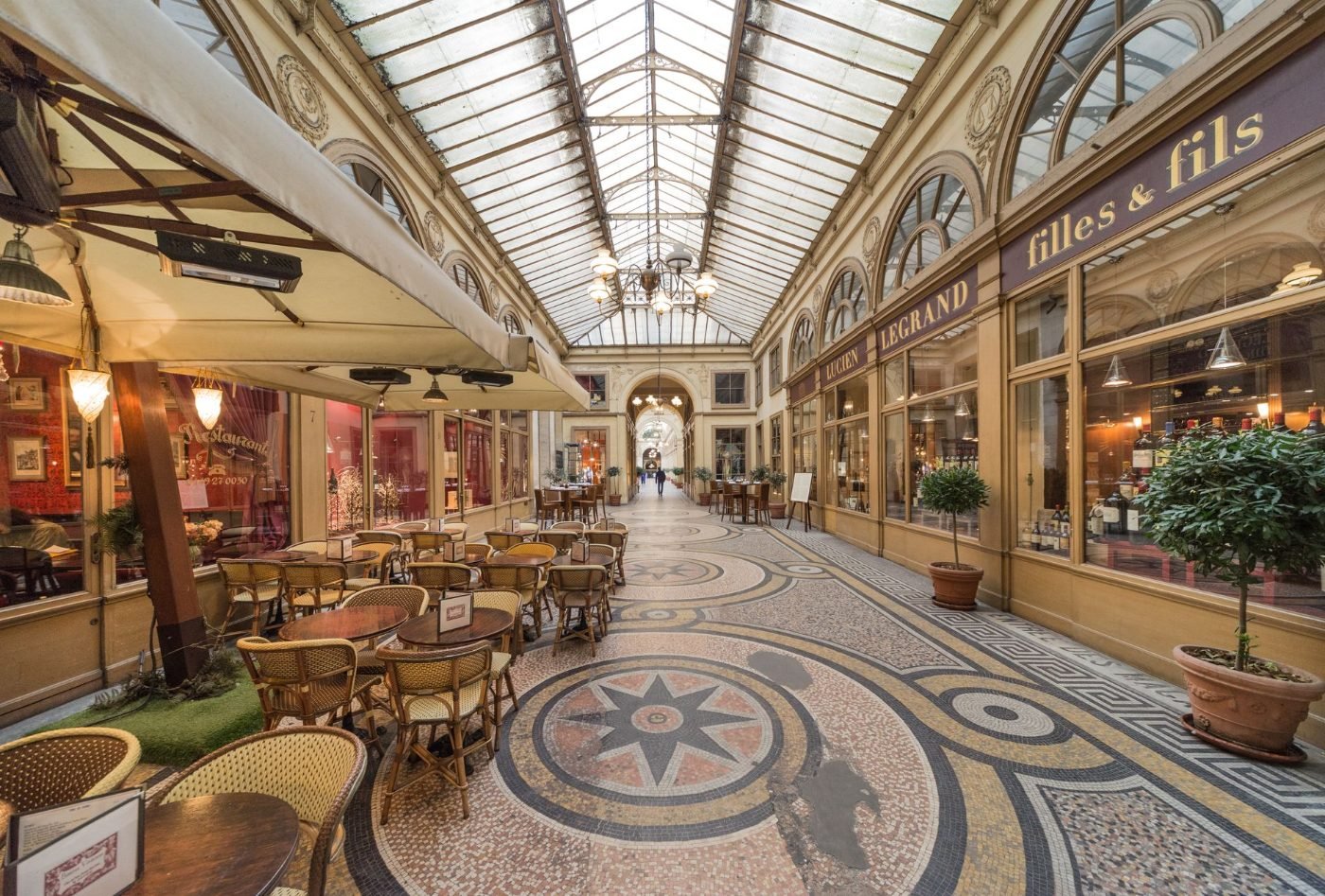
Paris has some excellent food halls—dishes between €10 and €16, a variety of cuisines, and none of the restaurant formality. Beaupassage, in the 7th arrondissement, is set inside a historic gallery and has stalls with wood-fired pizza, seafood, Asian dishes, and desserts from star chefs in a bistrot-style format.
Marché Saint-Quentin, in the 10th near Gare de l’Est, is another great bet. A 19th-century iron-and-glass roof, cheeses, cured meats, wines, and ready-to-eat foods at the market’s own little tables. It has the energy of a real neighborhood market.
Asian and Ethnic Restaurants: Big Flavor, Fair Price
The 13th arrondissement is Paris’s Chinatown. Chinese, Vietnamese, Cambodian, Thai—the largest concentration of Asian communities in the city. Noodle soup, bo bun (Vietnamese salad with beef), dim sum—€9 to €14, generous portions. Worth a dedicated lunch trip, especially if you want to get out of the central arrondissements.
Belleville and Oberkampf have a great mix of cuisines at lower prices than Saint-Germain or the Marais. And on Rue du Faubourg Saint-Denis in the 10th, you’ll find excellent Indian and Pakistani options—a full thali for €10 to €12.
Practical Tips for Saving Money at Paris Restaurants
- Ask for carafe d’eau: tap water is free and mandatory by law. Sparkling water and sodas always come with a charge.
- Eat big at lunch, light at dinner: the price difference between a lunch formule and dinner à la carte can be 50% or more.
- Go two blocks in: the menu at the entrance to Notre-Dame or Place du Tertre in Montmartre has tourist prices. Walk two blocks—prices drop and quality goes up.
- Neighborhoods for locals: Belleville, Oberkampf, Nation, La Chapelle have good, cheap restaurants that the center has slowly lost.
- Read the menu before you sit down: by tradition and by law, the menu is displayed outside. Compare before you commit.
How Much to Expect to Spend Per Meal in Paris?
- €3 to €6: baguette sandwich or bakery pastry
- €8 to €12: galette complète, Marais falafel, Asian restaurant dish
- €12 to €18: bistrot formule with starter + main (lunch)
- €18 to €25: single à la carte dish at a mid-range restaurant (dinner)
- Above €30: gastronomic bistrot or touristy brasserie
A week in Paris on €25 to €35 a day for food is totally doable—bakery breakfast, formule or crêperie lunch, market dinner. You’ll eat well, not just survive.
Where to Eat Cheap Dinner in Paris: Best Strategies for the Evening
Dinner is where the budget usually gets you. À la carte bistrot at night is expensive, and restaurants in touristy areas take advantage of tired travelers to charge absurd prices. But there are ways around it.
The first option is to stick with a picnic. A Monoprix or Franprix supermarket at 7 PM has fresh cheese, cold cuts, wine, and bread—for €8 to €12 you can put together a great little feast on your hotel balcony or in your room. It sounds simple, but it’s genuinely delicious when you buy good products.
Another route: ethnic restaurants outside the tourist centers. Chinatown in the 13th, northern Belleville, the 10th near Gare du Nord—these neighborhoods have restaurants serving dinner for €12 to €16, with a main course and starter included. Consistent quality, without the price markup of central areas.
For those who really want a bistrot experience at dinner without paying a fortune: look for restaurants that offer a fixed-price menu at dinner too—they exist, though they’re less common than at lunch. The range is usually between €20 and €25 for three courses, which is reasonable for the level of meal you get.
Night markets and food trucks also pop up in Paris during the summer months—especially along the Canal Saint-Martin and in the Belleville area. They’re irregular events, but it’s worth checking what’s happening during your week. The Paris city hall keeps an updated events calendar on its official website.
Frequently Asked Questions About Cheap Eats in Paris
Is tipping required at Paris restaurants?
No. Service is included in the price (“service compris”). Leaving €1 to €2 per person is a nice gesture, but no one will complain if you don’t. No pressure like in Brazil or the US.
How much does a coffee cost in Paris?
An espresso runs between €1.50 and €3 depending on the neighborhood. At the counter (au comptoir), it’s always cheaper than sitting down. Drink it standing up like the Parisians—especially in the morning, when the pace is fast.
Are there cheap vegetarian options in Paris?
Plenty. Crêperies are naturally friendly—a galette with cheese and mushrooms is a classic. Marché des Enfants Rouges has various meat-free stalls. The Asian spots in the 13th and Belleville also usually have good, affordable vegetarian options.
Do Paris restaurants accept credit cards?
Most do, including crêperies and smaller restaurants. Double-check at bakeries and street markets—some are still cash-only. Having €20 to €30 in cash on you is a good backup.
Is it worth eating at McDonald’s to save money?
No. A combo meal in Paris costs €10 to €13—almost the same as a galette complète at a neighborhood crêperie, which is infinitely better. Eating local always pays off more.
Can you eat well for under €15 per meal?
Absolutely. Filled baguette: €4–6. Marais falafel or crêperie galette: €8–12. Asian food in the 13th: €9–14. Supermarket picnic: €8–12 per person. There’s plenty of room under €15 for those who know where to look.
Paris has the flavor of all of France in one place. With a little strategy—the right bistrot for lunch, the right bakery to buy from, the right garden to sit in—you’ll eat better than in many expensive restaurants, for a third of the price. This parallel Paris is the one that hurried tourists never get to taste.