If you think of shopping in Paris, the first image that comes to mind is likely the glittering windows of the Champs-Élysées or the chic boutiques of the Marais. But the most authentic—and often most rewarding—experience happens in a neighborhood just beyond the grand boulevards: Saint-Ouen, home to the world’s largest antiques market.
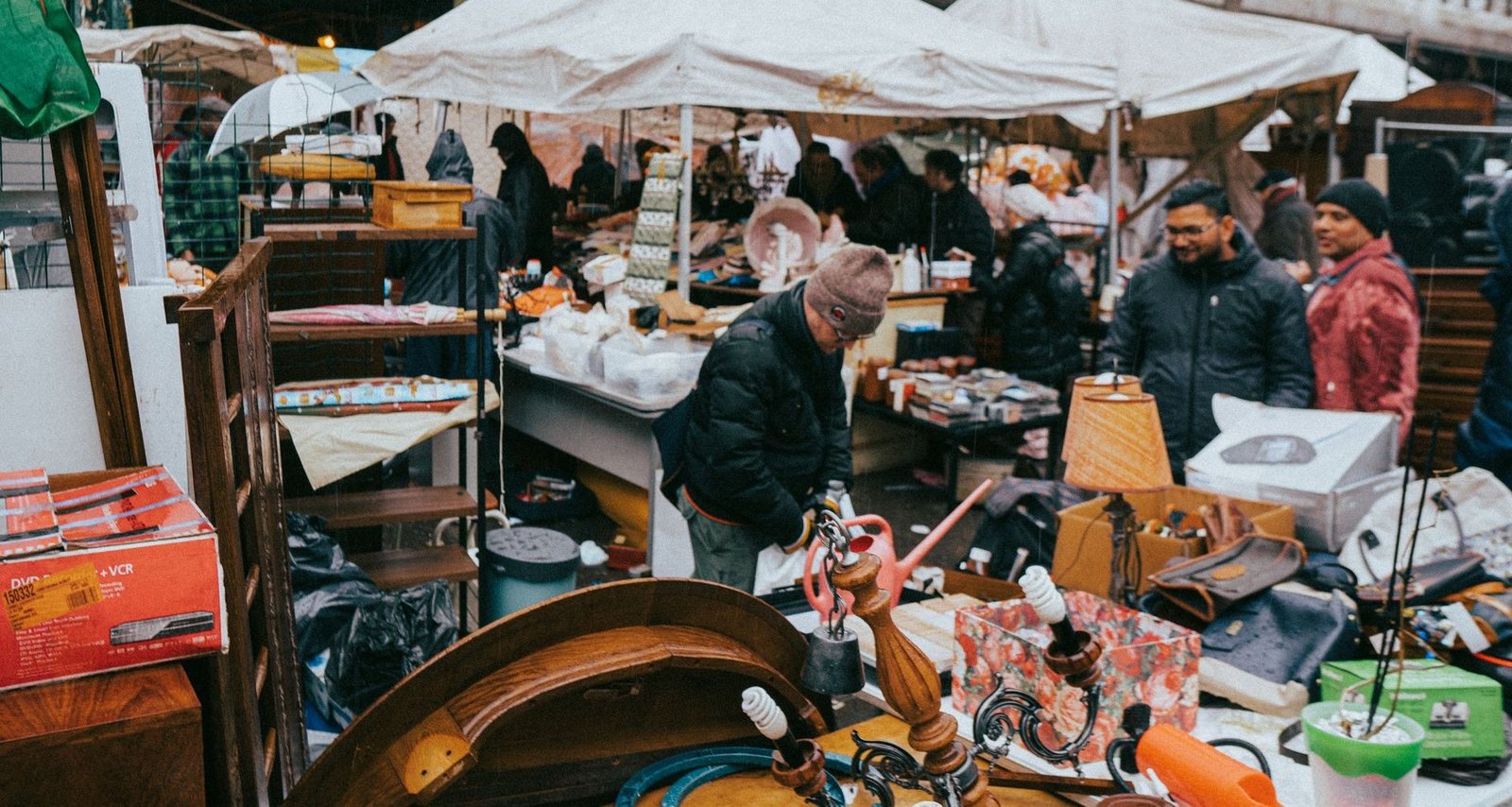
The Marché aux Puces de Saint-Ouen (or simply “Les Puces,” as Parisians call it) has been around since the late 19th century and today brings together over 2,000 dealers spread across roughly 17 acres of warehouses, covered streets, and labyrinthine corridors. 18th-century furniture shares space with Art Deco jewelry, analog cameras, oil paintings, crystal chandeliers, and vintage clothing that looks like it stepped right out of a 1950s film.
This isn’t a junk market—though you can find just about anything. It’s a true treasure-hunting destination, where collectors, interior designers, and rarity seekers from around the world arrive with lists in hand and patience to spare. For the Brazilian traveler, it’s an afternoon you won’t soon forget.
Dica: Aproveite também para fazer estes passeios em Paris
Tour pelo exterior da catedral de Notre Dame + Ingresso da cripta . Duração: 2 horas
Disneyland Paris Duração: 3 horas ou mais
Passeio de barco pelo Sena. Duração: 1h
Ingresso do 3º andar da Torre Eiffel. Duração: 2 a 3 horas
Ingresso do Palácio de Versalhes. Duração: 2 a 3 horas
Veja mais passeio em Paris aqui.
The World’s Largest Antiques Market
The Marché aux Puces de Saint-Ouen sprang up in the late 19th century when street vendors expelled from central Paris began setting up shop on the city’s outskirts. The word “puces” (fleas) in the name comes from the old furniture and clothes sold there—the idea being that these secondhand items carried fleas.
Over time, what started as a makeshift fair of used goods evolved into something far more sophisticated. The first organized covered markets appeared in the early 20th century—the Marché Vernaison, the oldest still operating, dates back to 1920. Today, the Puces de Saint-Ouen is classified as a historic and cultural landmark of France.
The market is made up of a series of sub-markets, each with its own distinct personality: the Marché Paul Bert is the most eclectic and photogenic; the Marché Biron is the most refined and expensive; Vernaison is the most labyrinthine and full of surprises; Dauphine features art, jewelry, and rare items; Malik is known for vintage clothing and fashion. There are over 15 different sub-markets in total, making the exploration genuinely endless—one afternoon isn’t enough to see it all, but it’s plenty of time to find something special.
What You’ll Find at the Saint-Ouen Market
Variety is the main draw of the Puces. Every aisle, every stall, every shop has its specialty—and the beauty of the hunt lies precisely in the unpredictability of what you’ll uncover. But there are a few recurring categories worth paying special attention to.
Furniture & Decor
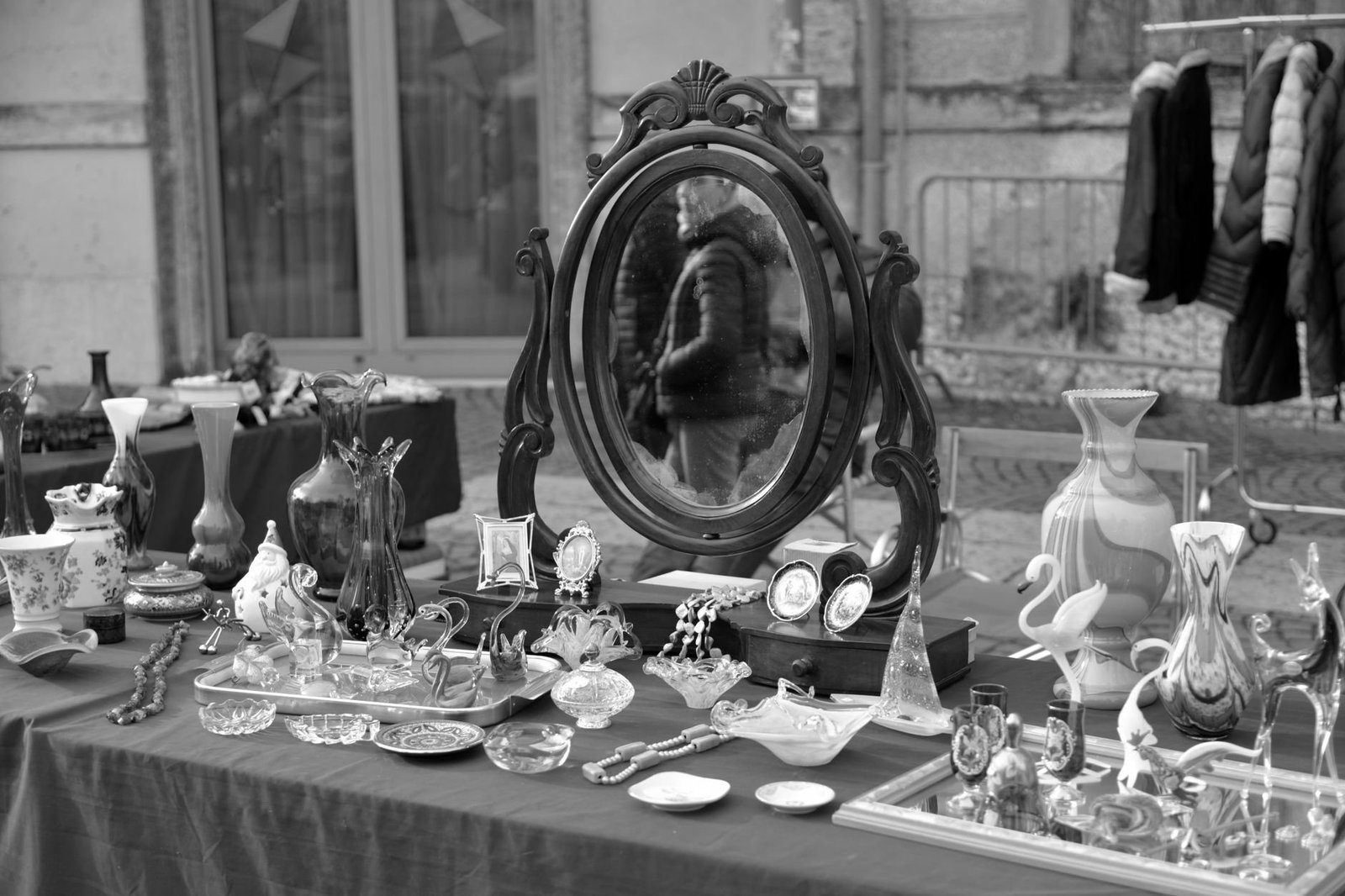
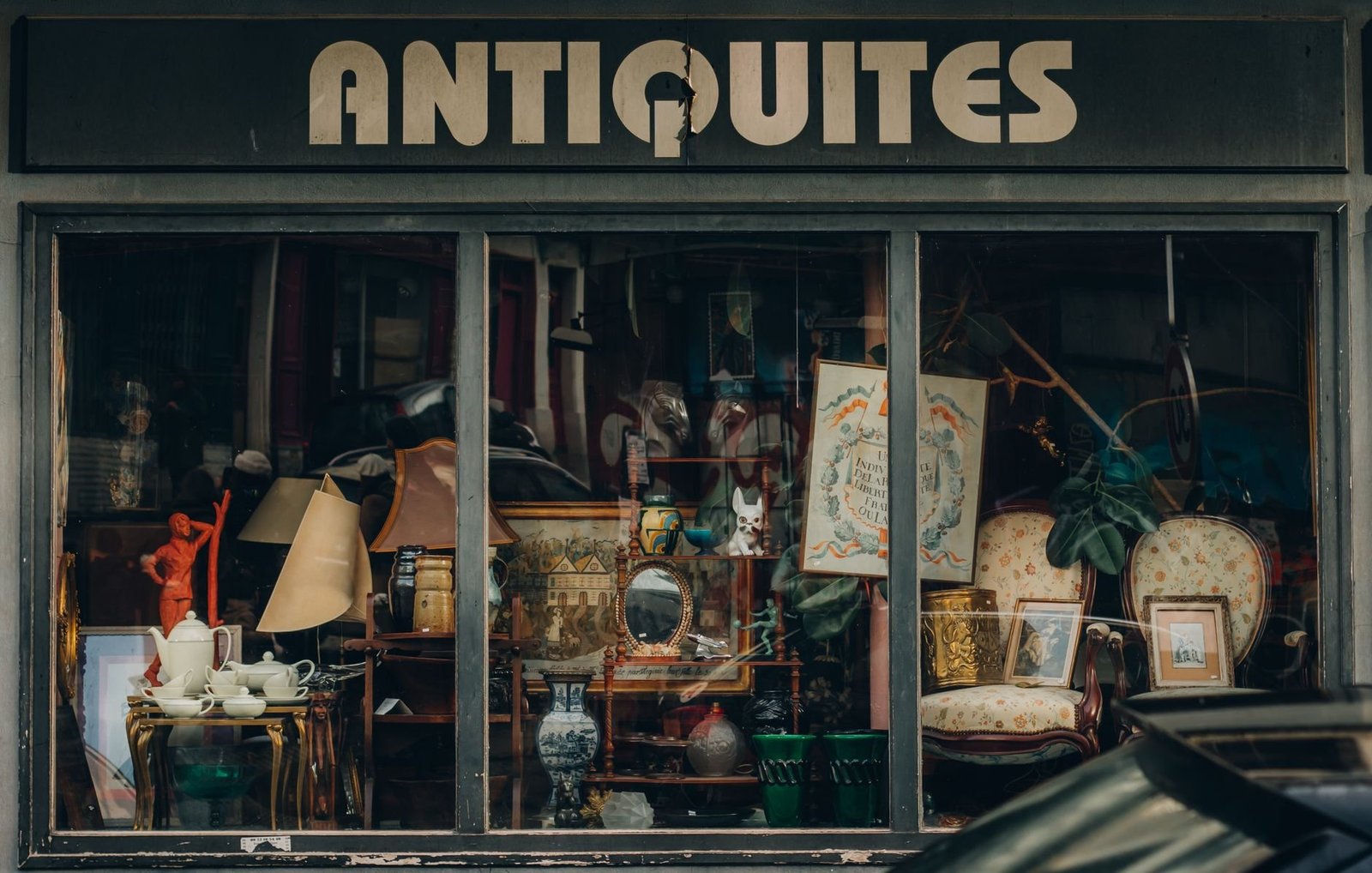
The heart of the market. Here you’ll find everything from 17th-century Norman armoires to leather chairs from the 1950s modernist era. Prices vary wildly: a 19th-century piece might cost a few thousand euros, while a set of 1970s café chairs could go for a few dozen. Gilded mirrors, crystal chandeliers, Louis XV commodes—these are the kinds of things you just don’t find in regular stores.
For those who can’t fit furniture in their suitcase (most of us, unfortunately), the Puces offers international shipping services through the vendors themselves. It’s worth asking.
Vintage Fashion & Jewelry
The Marché Malik and the outdoor stalls are a vintage paradise: 1960s dresses, worn-in leather jackets, bags from old brands without today’s exorbitant price tags. There are also dealers specializing in Art Deco and Art Nouveau jewelry, 1940s costume jewelry, and unmarked silver pieces that require a trained eye to spot their true value.
The tip here is to arrive without rushing and be willing to open boxes, dig through racks, and discover things. The best finds are rarely right at the front of the stall.
Art, Paintings & Collectibles
The Marché Dauphine and Biron are the go-to spots for those seeking more elaborate art pieces: anonymous 19th-century oil paintings (some with appreciation potential), old engravings, framed historical maps, bronze and ceramic sculptures. There are also dealers specializing in collectibles—analog cameras, vintage watches, retro movie posters, porcelain dolls, miniature lead soldiers.
If you have any expertise in a collecting area, you’ll likely find something relevant here. The vendors’ level of knowledge is usually high—many are antiquarians with decades of experience.
Opening Hours & How the Market is Organized
The Marché aux Puces de Saint-Ouen is mainly open on weekends: Saturday, Sunday, and Monday, from 9 AM to 6 PM (with some variations by sub-market—some open at 10 AM, others close at 5:30 PM). During the week, foot traffic is much lighter and many stalls are closed, so plan your visit for the weekend.
The market doesn’t have a single entrance—you can access it from several points along Rue des Rosiers, the complex’s main artery. When you arrive at the Porte de Clignancourt metro station, you’ll pass through an area of informal street vendors before reaching the market’s organized core. It’s all part of the experience, but prices and quality go up significantly once you step inside the covered markets.
To help you navigate, market maps are available at the entrance of some sub-markets and on the official website (marcheauxpuces-saintouen.com). But part of the fun is getting lost—some of the best finds happen when you turn a corner with no idea what’s waiting on the other side.
How to Negotiate Prices
Haggling is expected and welcome at the Puces—it’s part of the culture. But there’s an unwritten etiquette worth respecting to make the experience good for both sides.
First: never ask the price of something you don’t genuinely intend to buy. Vendors can spot browsers versus serious buyers, and credibility goes a long way when bargaining. Second: don’t be aggressive in your negotiation. Asking for a 10% to 20% discount is reasonable; trying to pay half the asking price is offensive to most dealers. Third: asking about more than one item at a time opens the door for a bundle discount—”how much for both?” is a question vendors welcome.
In French, the magic phrase is “C’est votre meilleur prix?” (Is this your best price?). Polite, direct, and universally understood. If the vendor doesn’t speak English and you don’t speak French, Google Translate on your phone handles most situations.
Paying in cash often helps secure discounts—many vendors prefer cash and may offer better terms. Bring euros in smaller bills.
How to Get to the Saint-Ouen Market by Metro
The easiest access is via metro line 4, Porte de Clignancourt station. From the station exit to the market’s main entrance is about a 5-minute walk up Avenue de la Porte de Clignancourt. Just follow the crowd—on weekends, the path is intuitive.
Another option is Garibaldi station (line 13), which provides access from the market’s side and can be less crowded depending on where you are in the city. The RER D also has a stop in Saint-Ouen, handy if you’re coming from certain parts of Greater Paris.
By car or taxi, the reference address is 110 Rue des Rosiers, Saint-Ouen. There are parking lots nearby, but they fill up on weekends—the metro is hands-down the most practical option.
Practical Tips for Making the Most of Your Visit
Arrive early: The best finds disappear fast, especially on Saturday mornings. Show up around 9:30 or 10 AM, and you’ll have the market practically to yourself for at least an hour before the main tourist rush hits.
Wear comfortable shoes: The Puces is huge, and you’ll walk way more than you expect. The floors in the covered markets are uneven in several spots. Leave the cute sandals at home and put on some sneakers.
Bring a sturdy bag: To stash your finds without relying on plastic bags or boxes from vendors. A small backpack works great—and it’s also safer against pickpockets.
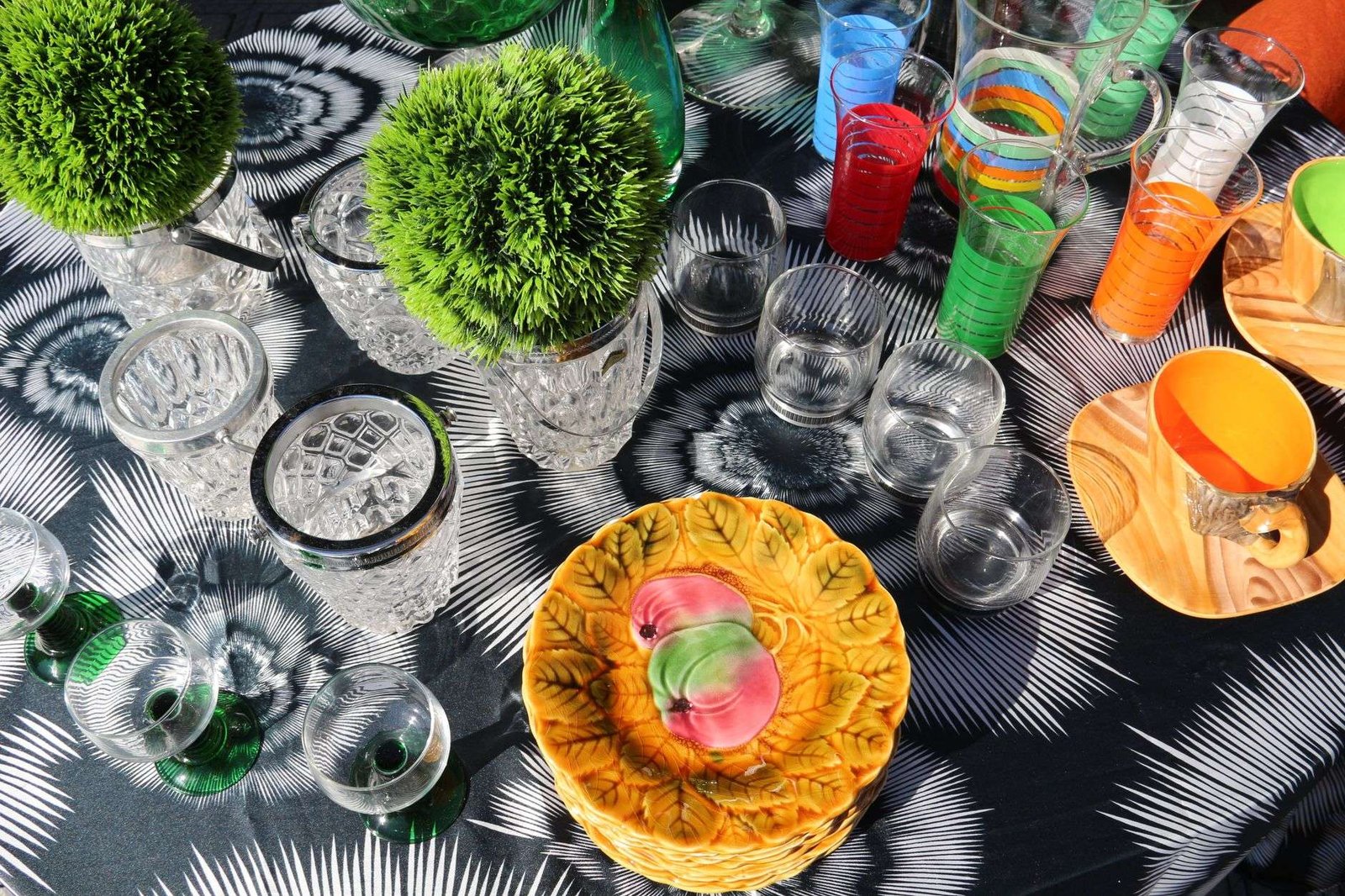
Have lunch at the market: There are restaurants and bars inside the Puces itself, especially around the Paul Bert Serpette area. Ma Cocotte, designed by Philippe Starck, is the most famous—moderate prices, good French food, and an atmosphere that matches the spirit of the place. There are simpler, cheaper options in the outdoor corridors too.
On safety: The Puces has an old reputation for being sketchy, but the reality today is quite different. The organized market is safe. The outdoor stretch between the metro station and the covered market entrances can be a bit more hectic—keep an eye on your phone and wallet, the standard caution you’d use in any busy area of Paris.
Useful websites: The official Marché aux Puces de Saint-Ouen website has an interactive map of the sub-markets and a list of vendors. To research pieces before you go, some dealers have profiles on 1stDibs, the international platform for luxury antiques.
Frequently Asked Questions About the Saint-Ouen Flea Market
What’s the best day to visit the Saint-Ouen Market?
Saturday has the most activity and the largest number of open vendors. Monday is quieter and can be good for negotiating—less competition for the same items. Sunday falls somewhere in between. If you only have one day, go on Saturday morning early.
Do I need to speak French to negotiate?
Not necessarily. Many vendors speak English, especially in the more refined sub-markets like Biron and Dauphine. In the more popular aisles, numbers and a translator app on your phone handle most situations.
Can you find fakes at the Puces?
Yes, especially in the outdoor area and some informal corridors. The general rule: if something looks like a luxury brand item (Louis Vuitton, Hermès) at a very low price, it’s probably fake. In the covered, regulated markets, oversight is stricter and the risk is lower.
Can I bring my purchases back to Brazil?
It depends on what you buy. Antique objects, clothes, and jewelry generally pass through customs without issue. Items made of ivory, feathers from certain birds, and some organic materials have restrictions. For valuable pieces, ask the vendor for a certificate of authenticity—this helps both with customs declarations and any potential insurance during transport.
How much money should I bring?
It depends on your goal for the visit. For browsing and maybe buying one or two small items (vintage postcards, a piece of costume jewelry, an old book), 50-100 euros is enough. If you’re seriously hunting for larger or designer pieces, bring more and know that cards are accepted at the more established stalls.
The Marché aux Puces de Saint-Ouen is one of those places you either discover by chance or never go. But those who go, go back. It’s the kind of outing that has nothing to do with conventional tours—it’s Paris in a way that few tourists are lucky enough to experience. Reserve a Saturday morning, lace up your sneakers, bring cash, and leave some room in your suitcase. You’re going to need it.