Parisian Cuisine Beyond the Clichés
Paris boasts one of the richest food scenes in the world, but most tourists end up eating the same things—a croissant in the morning, a sandwich for lunch, and a crepe at night—missing out on dishes that have been part of Parisian daily life for centuries. This guide is a practical overview: what to eat, where to eat it, how much it costs, and how to avoid looking like a tourist (or overpaying) at French restaurants.
The good news is you can eat incredibly well in Paris on any budget. The difference lies in knowing where to look and what to order—and that’s exactly what we’ll cover next.
Breakfast: Croissants, Baguettes, and Pain au Chocolat
Dica: Aproveite também para fazer estes passeios em Paris
Tour pelo exterior da catedral de Notre Dame + Ingresso da cripta . Duração: 2 horas
Disneyland Paris Duração: 3 horas ou mais
Passeio de barco pelo Sena. Duração: 1h
Ingresso do 3º andar da Torre Eiffel. Duração: 2 a 3 horas
Ingresso do Palácio de Versalhes. Duração: 2 a 3 horas
Veja mais passeio em Paris aqui.
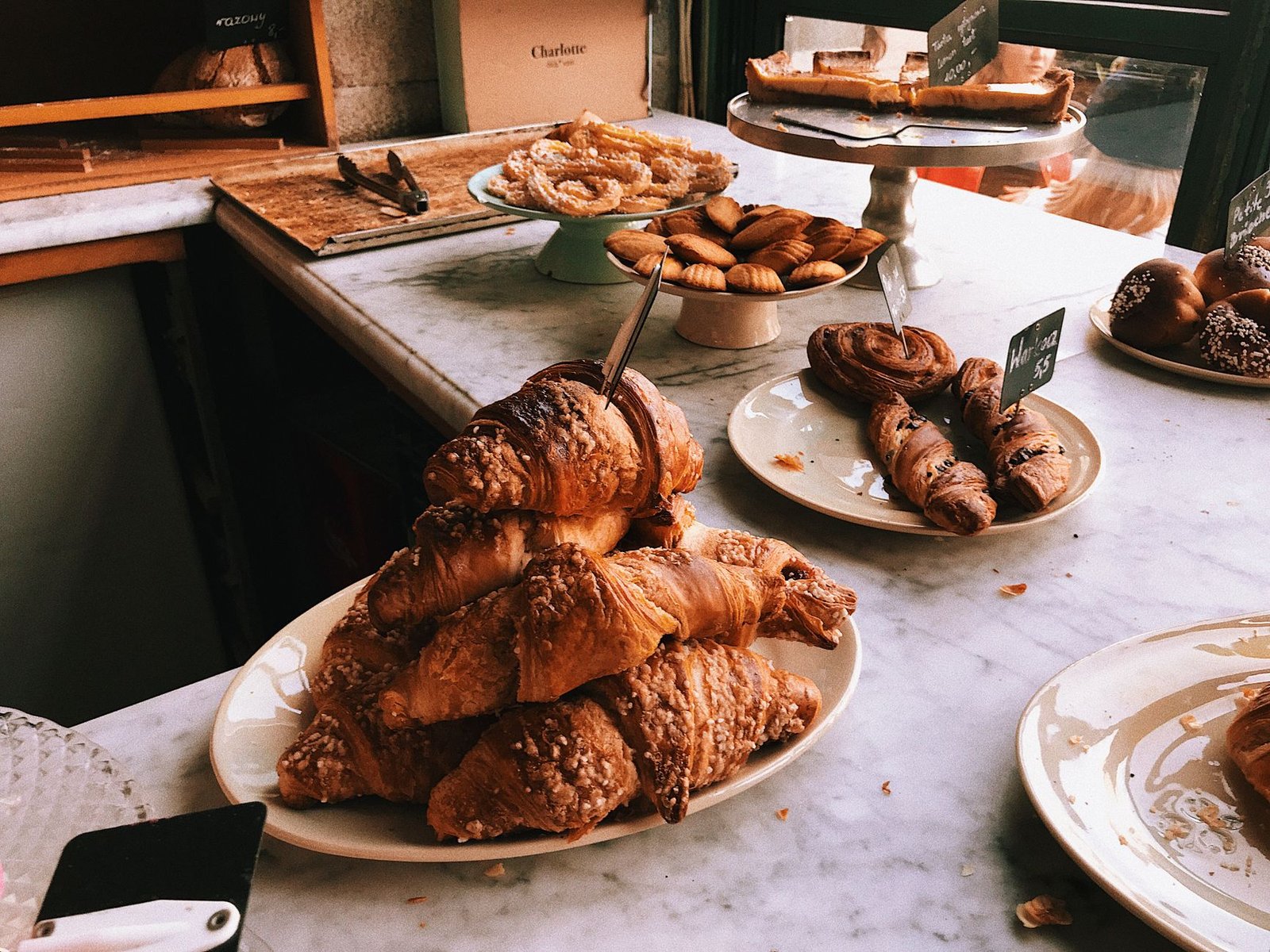
The French breakfast is simple and revolves around the “boulangerie” (bakery). The classics are a buttery croissant, a pain au chocolat (also called “chocolatine” in some regions), or a simple baguette with butter and jam, all paired with coffee or hot chocolate.
A useful tip: “Ordinaire” croissants (made with margarine) cost less than “croissant au beurre” (butter), but the butter version is worth the splurge—it usually runs between €1.20 and €1.80 at good bakeries. Look for bakeries with a line of locals in the morning; it’s a nearly foolproof sign of quality.
About the coffee: ordering “café” alone in Paris usually gets you a short espresso. If you prefer something closer to a Brazilian-style coffee, ask for a “café allongé” (espresso with more water) or a “café crème” (with milk). Unlike in Brazil, it’s rare to find large quantities of drip coffee—and drinking your coffee standing at the bakery counter, as many Parisians do before work, is usually cheaper than sitting at a table.
Brasserie, Bistro, or Restaurant? Understanding the Differences
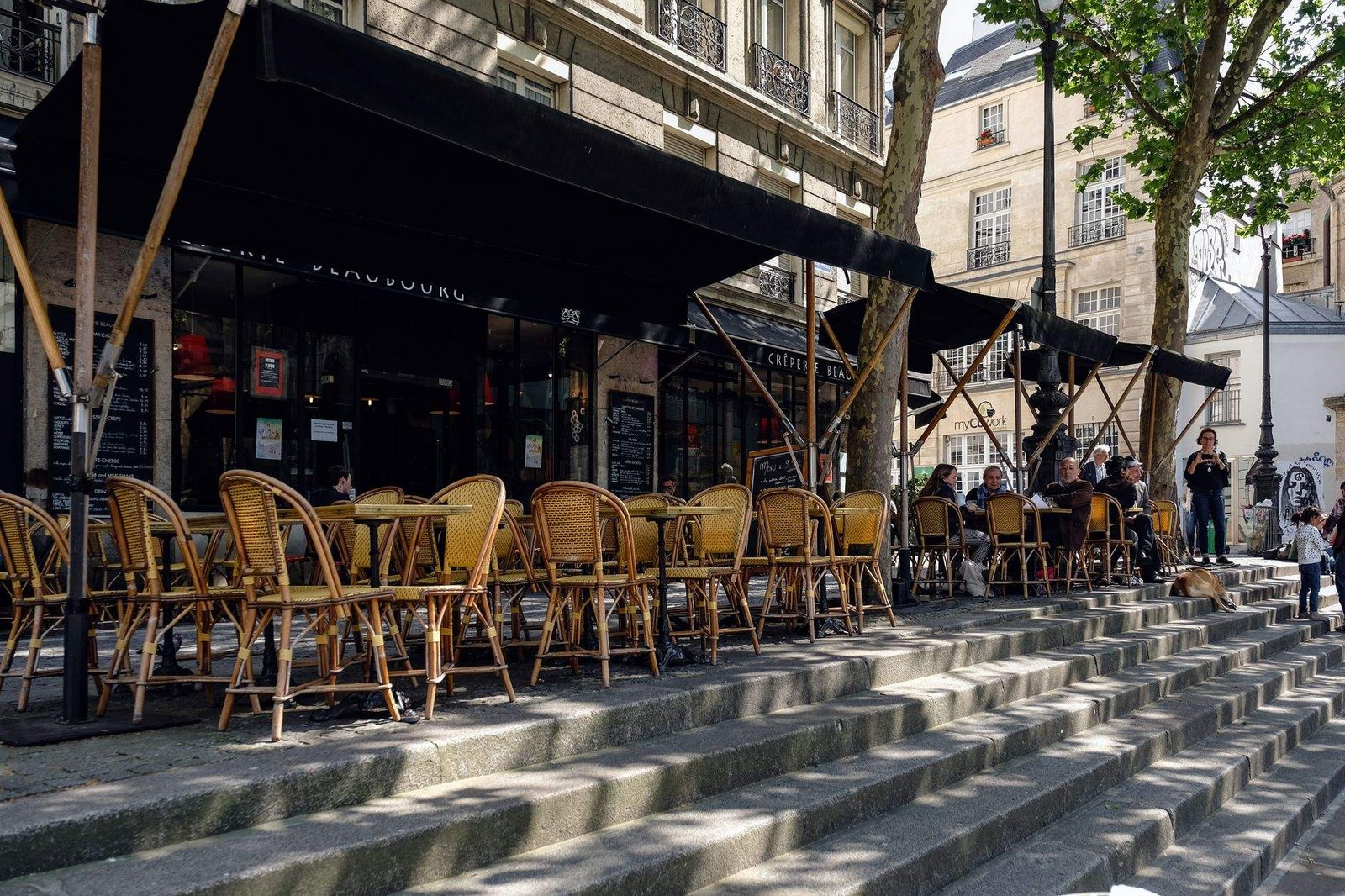
These terms appear on every storefront in Paris and confuse plenty of tourists. In practice:
- Bistro: Casual atmosphere, short menu (often seasonal), home-style dishes like stews, omelets, and savory tarts. This is where Parisians eat on a daily basis.
- Brasserie: More spacious, usually open all day (sometimes even late into the night), with a larger menu—seafood, steak frites, croque-monsieur. A great option if you arrive outside traditional lunch/dinner hours.
- Restaurant: A more formal term, used for both simple places and Michelin-starred addresses—worth checking the menu and price range before walking in.
A practical rule: if the menu is only in French, has no pictures, and there are people eating alone while reading a newspaper, it’s usually a good neighborhood bistro—and it’s often cheaper than the trendy spots near tourist attractions.
Classic French Dishes to Try
Some dishes (with variations) appear on most traditional menus, and it’s worth knowing them before you order:
- Boeuf bourguignon: Beef slowly braised in red wine with carrots, onions, and mushrooms. A hearty winter dish.
- Coq au vin: Chicken cooked in wine (usually red), a cousin to boeuf bourguignon, equally comforting.
- Steak frites: Grilled steak with french fries—ask for the doneness in French (bleu = very rare, saignant = rare, à point = medium, bien cuit = well done).
- Soupe à l’oignon gratinée: Caramelized onion soup, gratinéed with cheese and bread on top—a classic for cold days.
- Ratatouille: A vegetable stew (zucchini, eggplant, tomato, bell pepper), originally from the south of France, now found in any bistro.
- Magret de canard: Grilled duck breast, usually served with crispy skin—one of the most popular dishes among tourists.
- Escargots: Snails prepared with butter, garlic, and parsley—for those up for the experience, it’s more about the butter than the snail itself.
Regional Dishes That Made It to Paris
Paris brings together specialties from practically every region of France, so it’s common to find dishes that aren’t “Parisian” in origin but are part of the city’s daily life:
- Galettes and crepes (Brittany): Savory buckwheat galettes (with cheese, ham, egg) and sweet crepes (with Nutella, sugar, lemon) are sold at crêperies all over the city, usually paired with cider.
- Choucroute (Alsace): Fermented cabbage served with various sausages and cured meats—found in Alsatian-inspired brasseries, common in winter.
- Bouillabaisse (Marseille): A saffron-infused fish and seafood stew, traditionally served with toast and rouille (a garlic and chili paste). In Paris, it appears in seafood-specialty restaurants.
- Tartiflette (Alps): A gratin of potatoes, reblochon cheese, bacon, and onions—a heavy, comforting dish, common in winter.
- Socca (Nice): A thin pancake made from chickpea flour, found at some markets and food trucks as a snack.
It’s worth paying attention to the menu: many bistros indicate the region of origin for a dish, and that can be a great way to “travel” through all of France without leaving Paris.
Cheese and Wine: How to Order Without the Stress
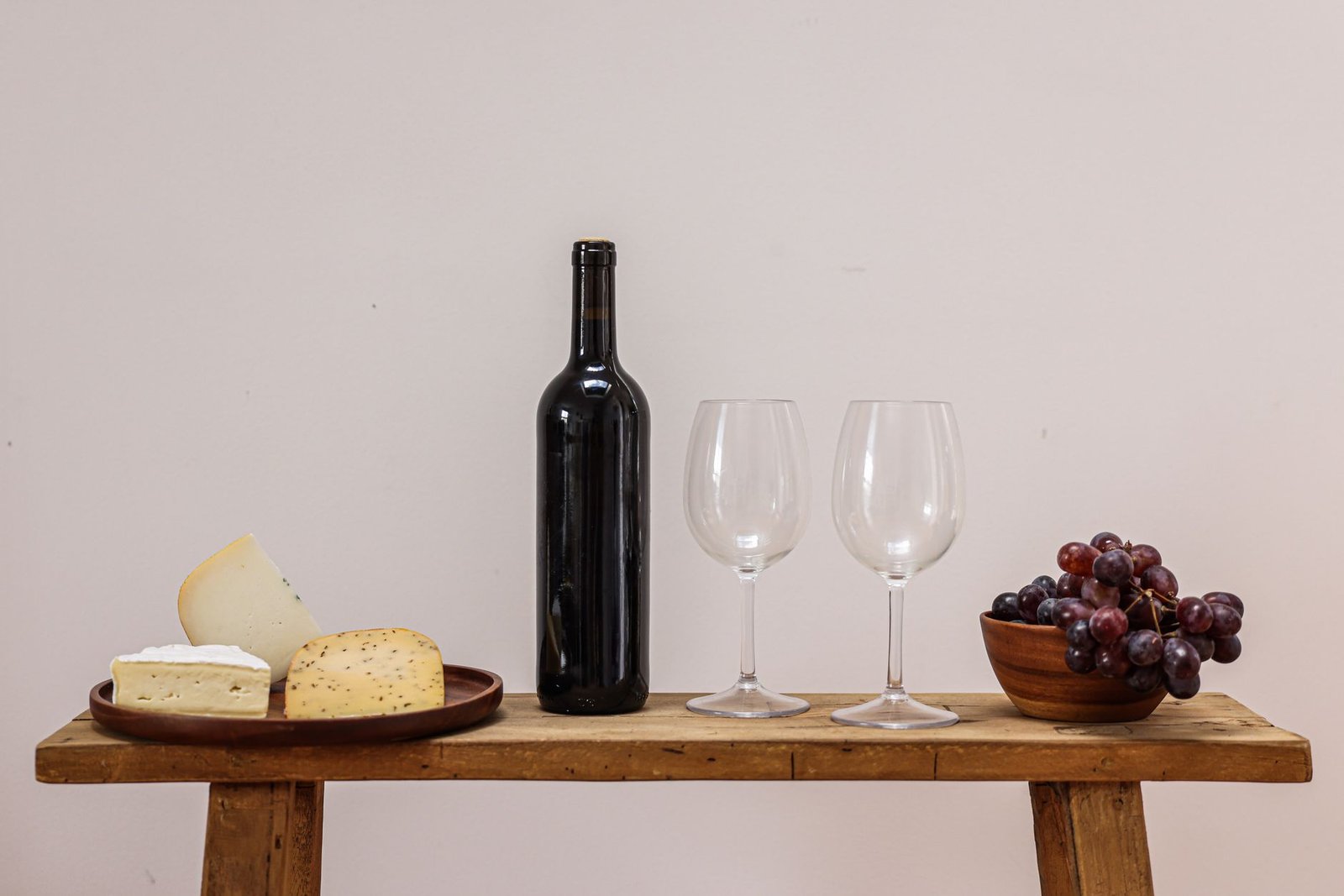
France has over 1,000 types of cheese, but some names pop up frequently: brie and camembert (creamy, with a white rind), comté (a hard, slightly sweet cheese), roquefort (blue, stronger), and chèvre (goat cheese, often in a log shape). In bistros, cheese is usually served as a starter or in place of dessert, with bread and sometimes fig jam or nuts.
For wine, you don’t need to be an expert: most restaurants offer “vin au verre” (wine by the glass) and the “pichet” (a carafe of 25cl, 50cl, or 1 liter) of house wine, which is usually cheaper and perfectly acceptable. If you’re unsure, ask the waiter which wine pairs with your chosen dish—it’s a normal and welcome question.
Desserts and Sweets: The Sugary Side of Paris
After a meal (or during any afternoon break), it’s worth trying: crème brûlée (custard with a caramelized sugar crust), tarte tatin (an upside-down caramelized apple tart), mille-feuille (layers of puff pastry with cream), éclair (an elongated pastry filled with cream and topped with icing), and, of course, macarons—sold at famous patisseries, but also in simpler, cheaper versions at neighborhood bakeries.
A money-saving tip: versions from neighborhood bakeries often cost half the price of touristy patisseries, with very similar quality—perfect for anyone wanting to try several things without spending a lot.
Markets and Fairs: Where to Buy (and Taste) Fresh Products
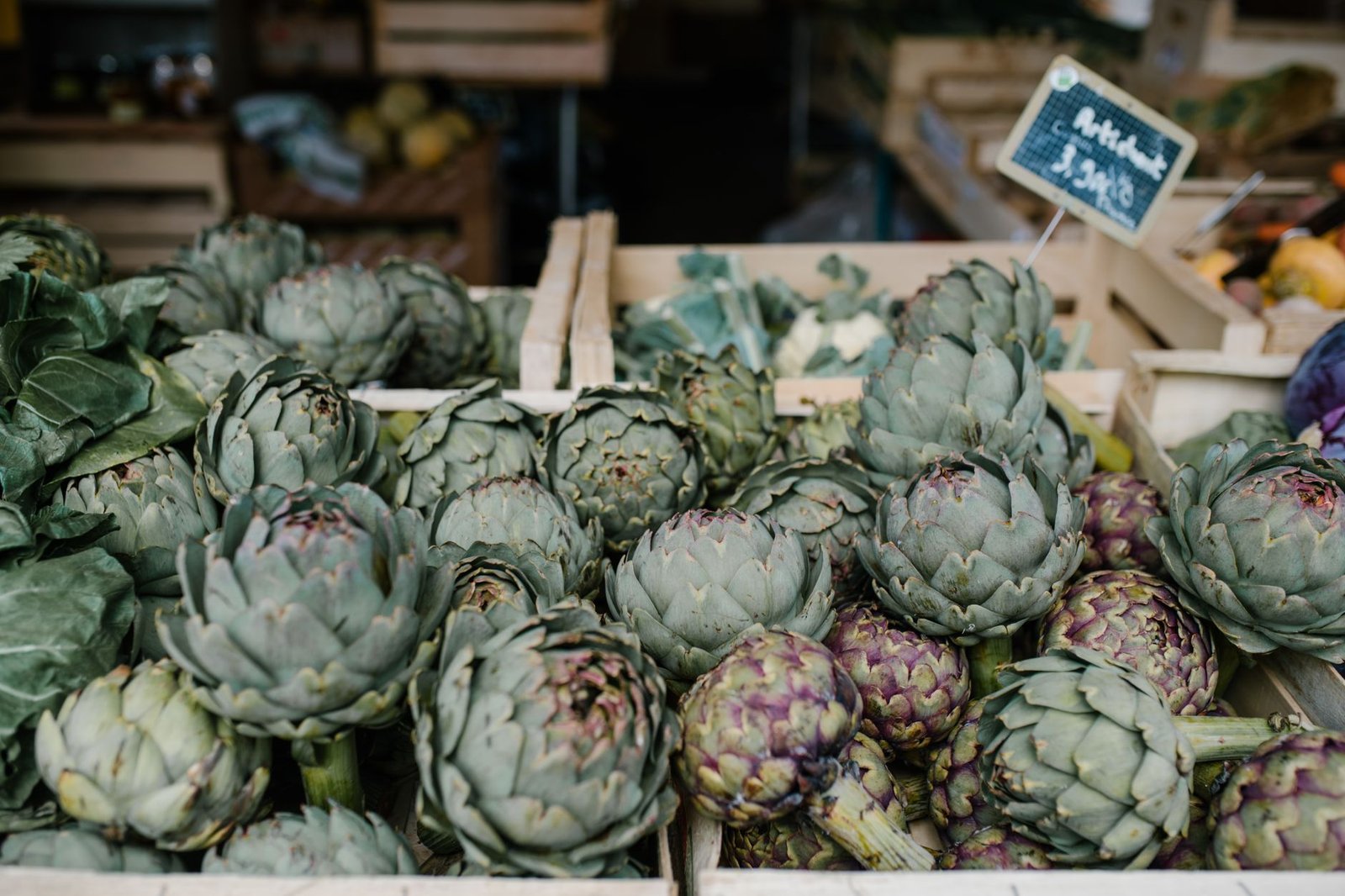
The “marchés” (street markets, usually open in the morning on specific days of the week) are one of the best ways to experience the local food culture: stalls with cheese, charcuterie, fruit, fish, and fresh bread, often with producers selling directly. Even if you’re not cooking, it’s worth strolling through a neighborhood market just to see the variety and, perhaps, put together a picnic to eat in a park.
Beyond the street markets, shops like épiceries (small grocery stores) and fromageries (specialty cheese shops) are great for putting together a simple “board” at your hotel or Airbnb, with cheese, cured meat, bread, and wine—a meal that costs a fraction of a restaurant price and is still a genuine experience.
Table Etiquette and Practical Tips
A few customs can help you avoid awkward moments (and get better service) at restaurants:
- Greet when entering and leaving: A “Bonjour” when you walk in and “Au revoir, merci” when you leave are expected—and they make a difference in service.
- Tipping: Service (“service compris”) is already included in the bill by law. Leaving a little extra change is appreciated, but not required.
- Bread on the table: It’s usually complimentary, used to “clean” your plate (without using a fork)—a well-accepted custom, even in more formal places.
- Hours: Traditional restaurants often close their kitchens between meals (e.g., from 2:30 PM to 7:00 PM). Outside these hours, brasseries are your safest bet.
- Reservations: At more popular restaurants, especially for dinner, it’s worth booking in advance—even if it’s just by phone or a reservation app.
- Splitting the bill: Asking to split the bill multiple ways isn’t always well-received in more traditional restaurants—agree with your group before calling the waiter, or consider that it might be simpler for one person to pay and the others to settle up among themselves.
How Much Does It Cost to Eat in Paris? Price Ranges
For a practical reference (approximate values):
- Breakfast at a bakery: €3-6 (coffee + croissant or bread with butter).
- Lunch at a neighborhood bistro (fixed menu): €15-25, usually including starter + main or main + dessert.
- Dinner at a traditional brasserie: €25-45 per person, without drinks.
- Street sandwich/crepe: €5-9—a good quick option between sightseeing.
- Michelin-starred or high-end restaurant: Starting at €80-100 per person, potentially exceeding €300 at the most renowned places.
If you’re planning your overall trip budget, it’s worth checking out our guide on how much a trip to Paris costs, which also details accommodation and transportation.
Frequently Asked Questions About What to Eat in Paris
Is it true that restaurants in Paris are expensive?
It depends on where and how you choose. Restaurants targeting tourists near famous attractions tend to be pricier and not always better. Neighborhood bistros, bakeries, and markets offer excellent food at much more affordable prices.
Do the French mind if I don’t speak French at a restaurant?
It’s usually not a problem, especially in tourist areas. But a simple “Bonjour” when you arrive and “merci” at the end are very much appreciated and help create a good impression—even if the rest of the conversation is in English.
Is it worth eating at street crêperies?
Yes, especially as a quick meal between sightseeing. Savory crepes (galettes, made with buckwheat flour) are a practical and cheap lunch option, and sweet crepes make a good street dessert.
Are there good vegetarian options in Paris?
Yes, and the offerings have grown significantly in recent years, especially in neighborhoods like the Marais and Canal Saint-Martin. Dishes like ratatouille, quiches, and vegetable tarts are naturally vegetarian and easy to find, even in traditional bistros.
Where should I eat near where I’m staying?
The good news is that practically every neighborhood in Paris has good bakeries, bistros, and local markets—you don’t need to travel far. If you’re still deciding where to stay, our guide on where to stay in Paris has an overview of the most popular neighborhoods for tourists, including tips on the food scene in each one.
Can I drink tap water at Parisian restaurants?
Yes. Tap water (“une carafe d’eau”) is drinkable and can be requested for free at any restaurant—it’s a customer’s right in France. You are not required to order bottled water, although waiters sometimes ask first if you want sparkling or still water (which are charged).
In the end, the best way to eat well in Paris is to mix a little bit of everything: a special meal at a bistro or brasserie, a market picnic in a park, and several stops at bakeries along the way. This is how Parisians themselves eat—and it’s probably the part of the trip that will stick with you the most.