What to See at the Musée d’Orsay in 2 Hours: The Essential Itinerary
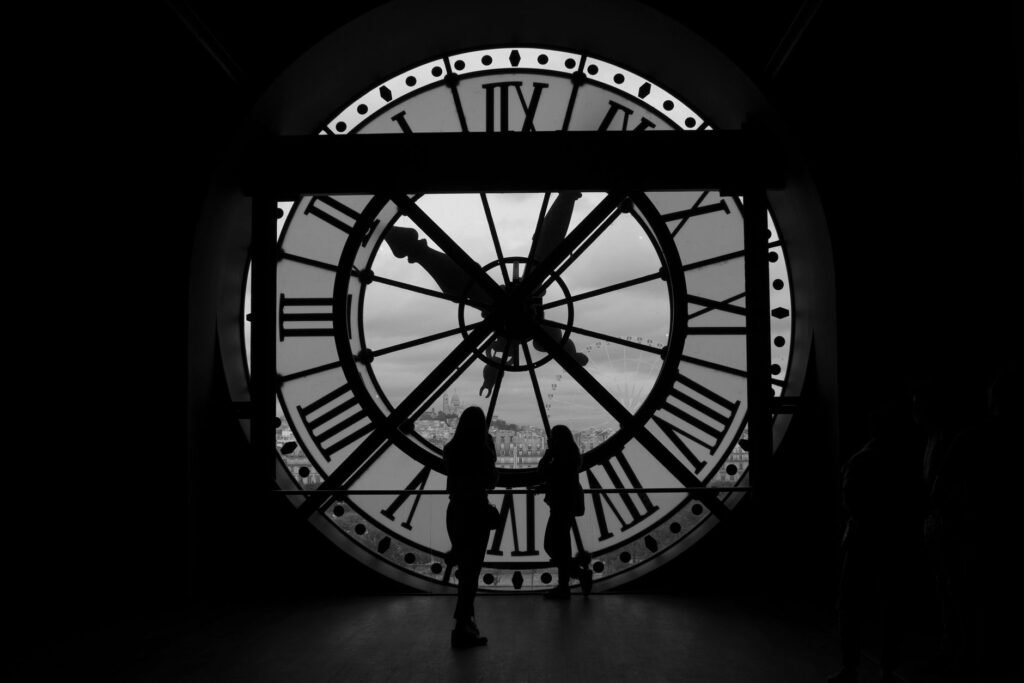
🇧🇷 POR | 🇫🇷 FR | 🇺🇸 EN | 🇪🇸 ES The Musée d’Orsay holds the world’s largest collection of Impressionist art, spread across a former train station over a hundred years old. For those with only two hours, the mission is simple to define and tough to pull off without a plan: see the names everyone recognizes without getting lost in hallways packed with hundreds of other equally brilliant works. The grand iron and glass clock is a remnant from the building’s days as a train station, and today it’s one of the most photographed spots in the museum. | Photo: Martha Vera / Pexels Before You Walk In: Why the Building Itself Is a Work of Art The d’Orsay operated as a train station—the Gare d’Orsay—until the mid-20th century, built for the 1900 Universal Exposition by architect Victor Laloux. The iron and glass structure, with its massive arched ceiling and iconic clock on the façade, was nearly demolished in the 1970s before being transformed into a museum, which opened in 1986. It’s worth looking up at the ceiling a few times during your visit—the building’s architecture holds its own against a good chunk of the collection. Van Gogh: The Self-Portrait and the Starry Night Over the Rhône On the museum’s top floor, in the so-called Impressionist Gallery, you’ll find the largest concentration of works by Van Gogh—the museum holds about 24 of his paintings. The standout is the Self-Portrait, which historians point to as one of the last he painted before his death, alongside Starry Night Over the Rhône, a nocturnal painting that predates the more famous “Starry Night” housed in New York. It’s normal for this room to be more crowded than the others—Van Gogh is usually the name that draws the most first-time visitors to the museum, so set aside some waiting time, especially if your visit falls during peak hours around noon. Renoir, Monet, and the Peak of Impressionism Bal du moulin de la Galette by Renoir is another highlight on the same floor—an outdoor dance scene in Montmartre, with light filtering through the trees creating dappled patterns on people’s clothes, a technique that sums up what Impressionism was trying to achieve: capturing light and movement instead of precise details. As for Monet, the museum holds part of the series of paintings of Rouen Cathedral, done at different times of day, along with landscapes from the artist’s own garden in Giverny—a nice complement for anyone planning to actually visit Giverny on a day trip from Paris. The central hall, with the arched ceiling of the former train station, tends to get busy during peak morning and early afternoon hours. | Photo: MuffinLand / Pexels Manet and the Paintings That Shocked Paris Two canvases by Édouard Manet—Olympia and Le Déjeuner sur l’herbe—caused a scandal when exhibited for depicting nude women in everyday contexts, outside the mythological standard accepted by academic art of the time. Today they are considered landmarks of the transition between classical French painting and what would become Impressionism, and they remain among the most visited works in the collection. Degas and the Ballerinas The pastels and sculptures of ballerinas by Edgar Degas form another major highlight, with scenes of rehearsals and backstage moments that steered clear of idealized portraits of dancers on stage—Degas preferred to capture the fatigue, the effort, and the less glamorous behind-the-scenes of dance routines, in a style that was almost documentary for its time. Important note: if you want to understand why so many people prefer the d’Orsay to the Louvre, check out our complete guide to the Musée d’Orsay, with history, hours, and visiting tips. Other Names Worth a Quick Stop Beyond the big names, the same top floor also makes room for Paul Cézanne, considered a bridge between Impressionism and the Cubism that would emerge decades later, with still lifes and landscapes of Provence that he painted obsessively, revisiting the same subjects over and over in search of the right composition. Gustave Caillebotte, less known to the general public, also has important works here—his urban scenes of Paris, with bold perspectives seen from balconies or the tops of bridges, help tell the story of a city modernizing at the same time these artists were painting. It’s also worth stopping in front of the portrait that American painter James Whistler made of his own mother—one of the most reproduced paintings in American art history, but one that has lived in Paris since the French national museum bought the work early in the 20th century, decades before it became a cultural icon in the United States. What Gets Left Out of the 2-Hour Itinerary Anyone who decides to come back on a future visit will find much more than Impressionist painting. The museum has a floor dedicated to Art Nouveau furniture and objects, with design pieces showing how the aesthetic of the era migrated from painting to furniture, glassware, and everyday adornments. There’s also a sculpture section on the ground floor—including works by Rodin—spread out along what was once the central platform of the train station. Temporary exhibitions, which change throughout the year, often take up part of the ground floor space and can include 19th and early 20th-century photography, another strong area of the collection that few first-time visitors even know exists. How to Organize Your 2-Hour Itinerary The most efficient approach is to head straight to the top floor (5th floor), where the Impressionist Gallery is concentrated with Van Gogh, Renoir, Monet, and Cézanne, and only then come down through the intermediate floors to see Manet, Degas, and the rest of the 19th-century collection. Doing the reverse—starting from the bottom—tends to leave visitors tired well before reaching the most anticipated part of the collection. For those who really only have 2 hours, it’s worth accepting that a good chunk of the museum will be left out—sculptures, Art Nouveau furniture, and the late 19th-century architecture section require more time than this essential itinerary allows. The tip is to treat this visit as a