Paris has two famous cemeteries. Everyone knows Père Lachaise — Jim Morrison, Édith Piaf, Oscar Wilde, lines of tourists all year round. The Cimetière de Montmartre is different. Less international fame, but one thing Père Lachaise lost long ago: silence. And a few graves that no other Paris cemetery has.
This guide has everything you need to visit Montmartre Cemetery: who’s buried there, how to get there, what to expect, and why this cemetery in a valley below street level might be one of the most unexpected outings in the city.
Dica: Aproveite também para fazer estes passeios em Paris
Tour pelo exterior da catedral de Notre Dame + Ingresso da cripta . Duração: 2 horas
Disneyland Paris Duração: 3 horas ou mais
Passeio de barco pelo Sena. Duração: 1h
Ingresso do 3º andar da Torre Eiffel. Duração: 2 a 3 horas
Ingresso do Palácio de Versalhes. Duração: 2 a 3 horas
Veja mais passeio em Paris aqui.
What is Montmartre Cemetery?
Founded in 1825, the Cimetière de Montmartre is one of three major cemeteries created by Napoleon to relieve burials within the city — alongside Père Lachaise (east) and Montparnasse (south). It sits in a disused quarry below street level in the 18th arrondissement, in a unique topographical situation: you go down to enter. The neighborhood noise disappears, the bridges of avenue Rachel pass overhead, and suddenly you’re in another time.
It covers about 20 hectares of tree-lined avenues, imposing mausoleums, and 19th-century funerary sculptures. Much of it is well-preserved, other parts left in the beautiful neglect that historic cemeteries accumulate over the years. It’s a place to walk slowly.
Who is buried in Montmartre Cemetery?
Here lies the big surprise. Montmartre Cemetery holds some heavyweight names in French and European culture — just less touristy than those at Père Lachaise.
Dalida
The Egyptian-born singer who became one of France’s biggest idols. Dalida’s grave is the most visited in the cemetery — there are fresh flowers almost all the time, placed by fans from all over Europe. The bronze sculpture, with a serene expression, was made by sculptor Aslan. The house where she lived, on rue d’Orchampt, is just a few blocks from the cemetery.
Edgar Degas
The Impressionist painter of ballerinas is buried here in a discreet grave — quite different from the ostentation of neighboring mausoleums. Degas died in 1917 and is in the same section as several other artists from the Impressionist period.
François Truffaut
One of the most important directors of the French New Wave, the man behind “The 400 Blows” and “Jules and Jim.” Truffaut’s grave is simple, often marked by notes from cinephiles who make a point of visiting.
Heinrich Heine
The German Romantic poet lived and died in Paris. His grave, with an ornate headstone, is a must-visit for fans of German and French literature — Heine wrote part of his work in French, and Paris was his second home.
Other notable names
The cemetery also holds painter Théodore Géricault (author of “The Raft of the Medusa”), composer Jacques Offenbach (creator of “The Tales of Hoffmann” and the original can-can from the Moulin Rouge), and writer Stendhal. For opera and literature lovers, it’s a walk with an extra layer of meaning.
How to Visit Montmartre Cemetery
Address and how to get there
The cemetery is at 20 Avenue Rachel, in the 18th arrondissement. The main entrance is on a street that runs below Avenue de Clichy — one of the quirkiest entrances to any Paris cemetery, with a street bridge literally passing over the space. Nearest metro: Blanche (line 2) or Place de Clichy (lines 2 and 13), both less than a 10-minute walk away.
Hours
Monday to Friday from 8 a.m. to 5:30 p.m. (until 6 p.m. in summer); weekends and holidays open at 8:30 a.m. Hours vary slightly between summer and winter. Free entry.
Why Montmartre Cemetery Deserves More Attention Than It Gets
The problem with Montmartre Cemetery is simple: it lives in the shadow of Père Lachaise. The fame of one suppresses curiosity about the other, and most tourists in Paris don’t even know the cemetery exists until they stumble upon it during a walk through the neighborhood.
But those who enter usually leave impressed. The combination of high-level funerary art, important historical names, and an atmosphere of genuine silence creates an experience hard to replicate anywhere else in the city. Paris has museums, monuments, and gardens galore — but true silence, the kind that lets you hear your own thoughts, is rare. Montmartre Cemetery has it.
There’s also the context. Visiting the cemetery as part of a Montmartre itinerary makes perfect sense — the whole neighborhood has this nostalgic quality that pairs well with an hour and a half walking among historic graves. You leave with a different view of the neighborhood, less postcard and more human.
What to Expect from Your Visit: Atmosphere and Practical Tips
The first thing that grabs your attention is the silence. The cemetery sits in a kind of valley below street level, surrounded by walls and the Montmartre hill. The noise of Avenue de Clichy disappears almost immediately as you descend the entrance steps. It’s a strange and beautiful transition all at once.
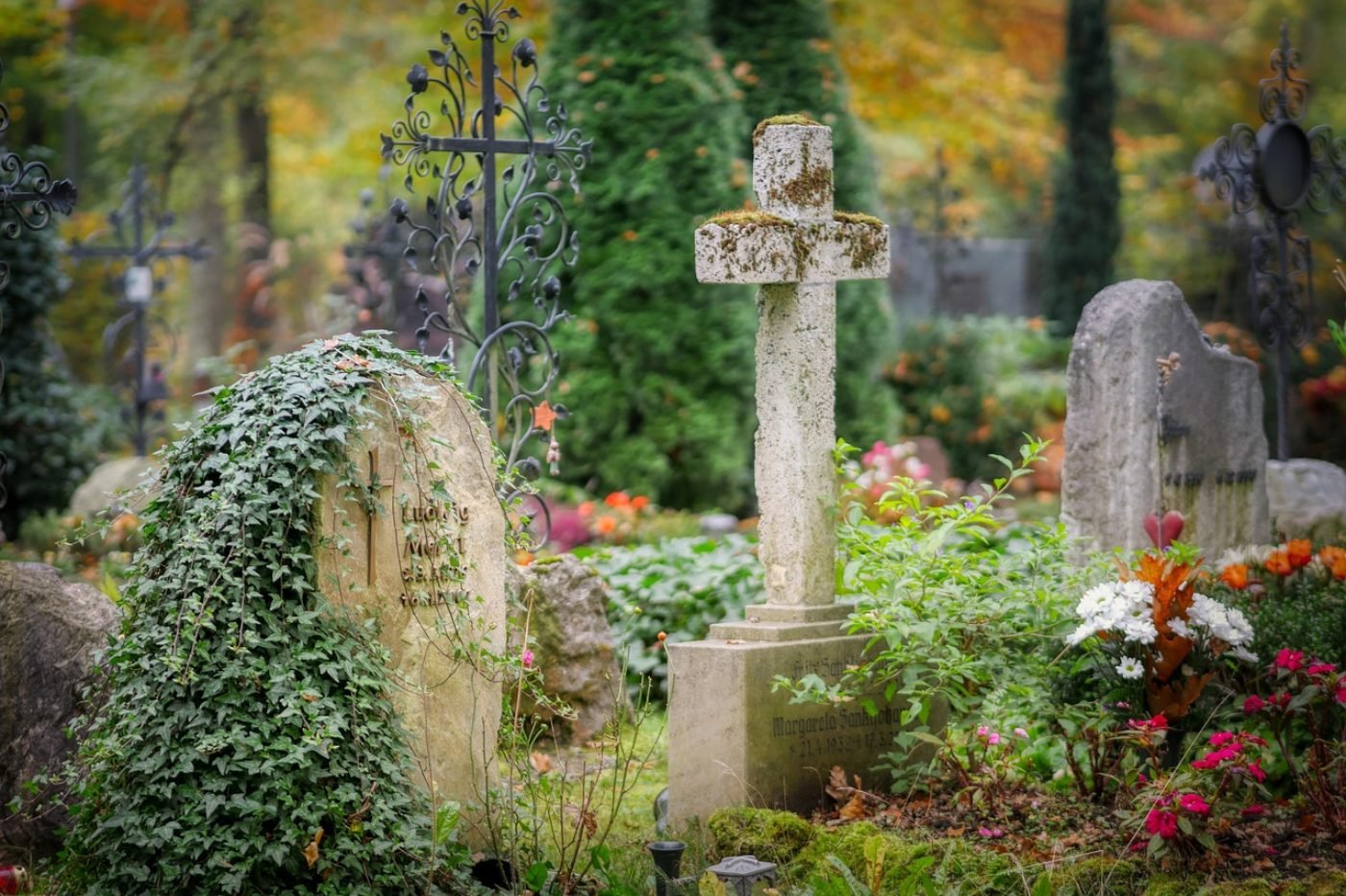
Tree-lined avenues, well-maintained. In autumn, leaves cover the stone paths and create that atmosphere any photographer chases. In spring, flowers appear around the oldest graves. At any time of year, the light filtering through the trees is special.
The cemetery isn’t huge — you can walk it all in an hour and a half to two hours without rushing. At the entrance, there’s usually a free map showing the location of the most famous graves. If not, the staff can point you in the right direction.
A route tip: enter via Avenue Rachel, turn left right at the entrance, and follow the main avenue. Dalida’s grave is relatively close, in section 15. From there, head to the center and explore the larger Neoclassical mausoleums. The southern area has the oldest graves, some in a state of poetic neglect.
The Funerary Art of Montmartre Cemetery
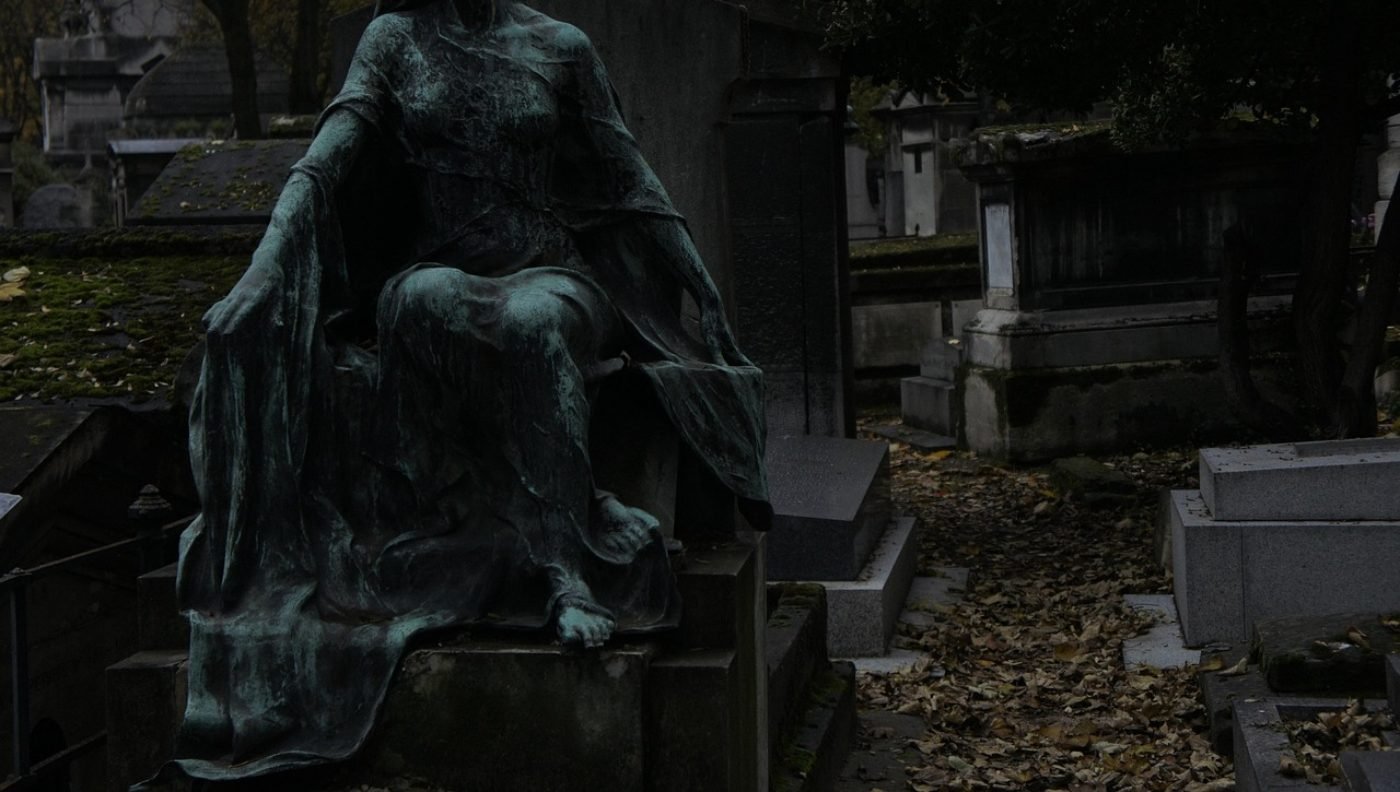
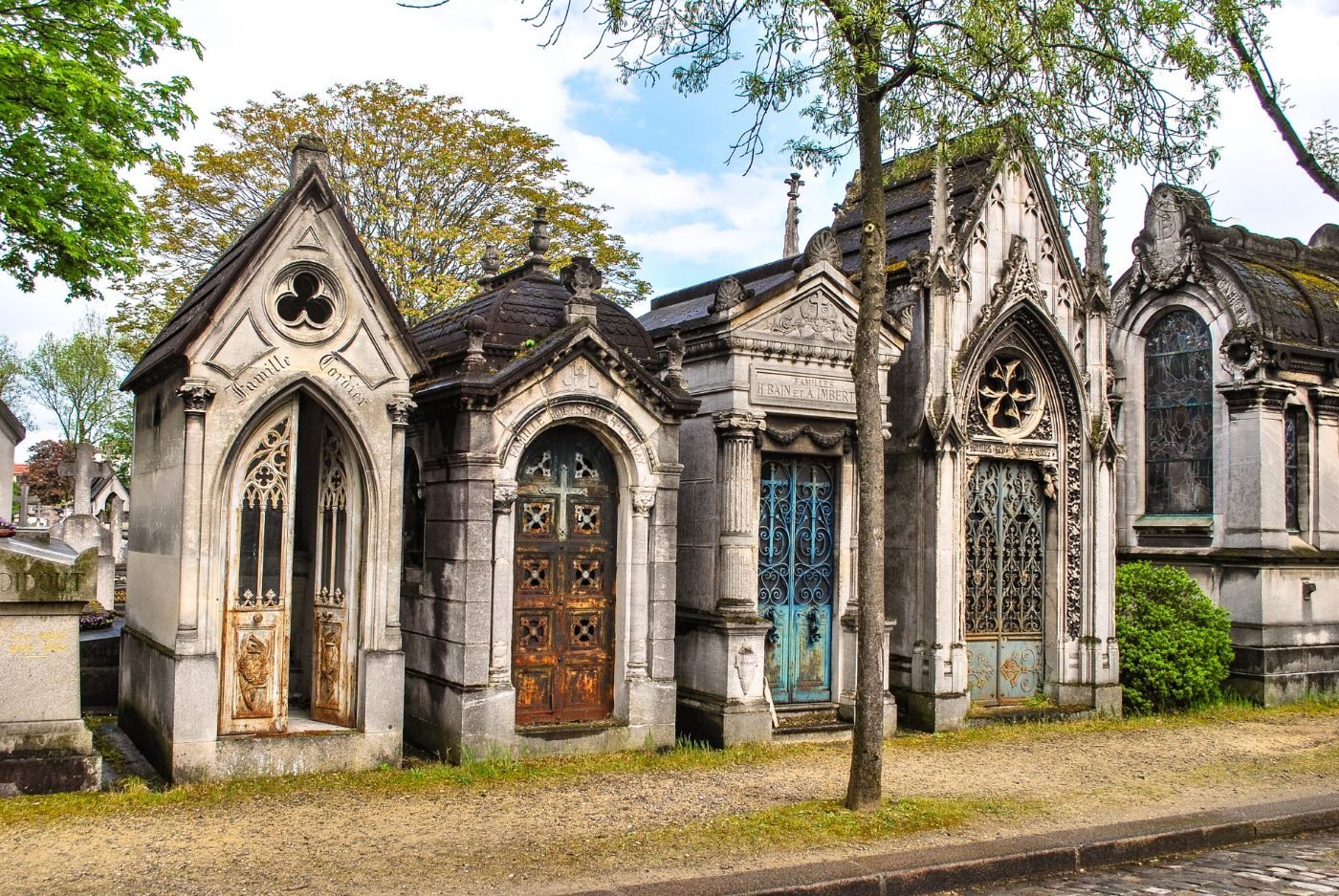
Even if you know nothing about the famous people buried there, the cemetery is worth visiting for the art alone. The 19th-century mausoleums are small architectural works — wealthy Parisian bourgeois families competed to have the most imposing tomb, and the result is a mix of styles ranging from Neoclassical to Art Nouveau.
The funerary sculptures are the highlight. Stone angels of various sizes, female figures in mourning poses, bronze busts that withstand time better than the flowers someone left last week. Many were commissioned from well-known sculptors of the period — turning the cemetery into an open-air museum of 19th-century sculpture.
Photography is allowed and very rewarding. The light filtered through the trees on autumn mornings creates perfect conditions for photos with that atmosphere you can’t manufacture in a studio. Arrive early if you want the cemetery almost empty — before 10 a.m. on weekdays, you practically have the place to yourself.
The Paris city hall organizes free guided tours of historic cemeteries on some weekends of the year — worth checking the calendar before your trip.
Montmartre Cemetery vs. Père Lachaise: Which One to Visit?
If you only have time for one, Père Lachaise has more internationally known names and a larger area. But the experience is quite different: Père Lachaise usually has groups of tourists, tour guides, and a considerable flow of visitors any day.
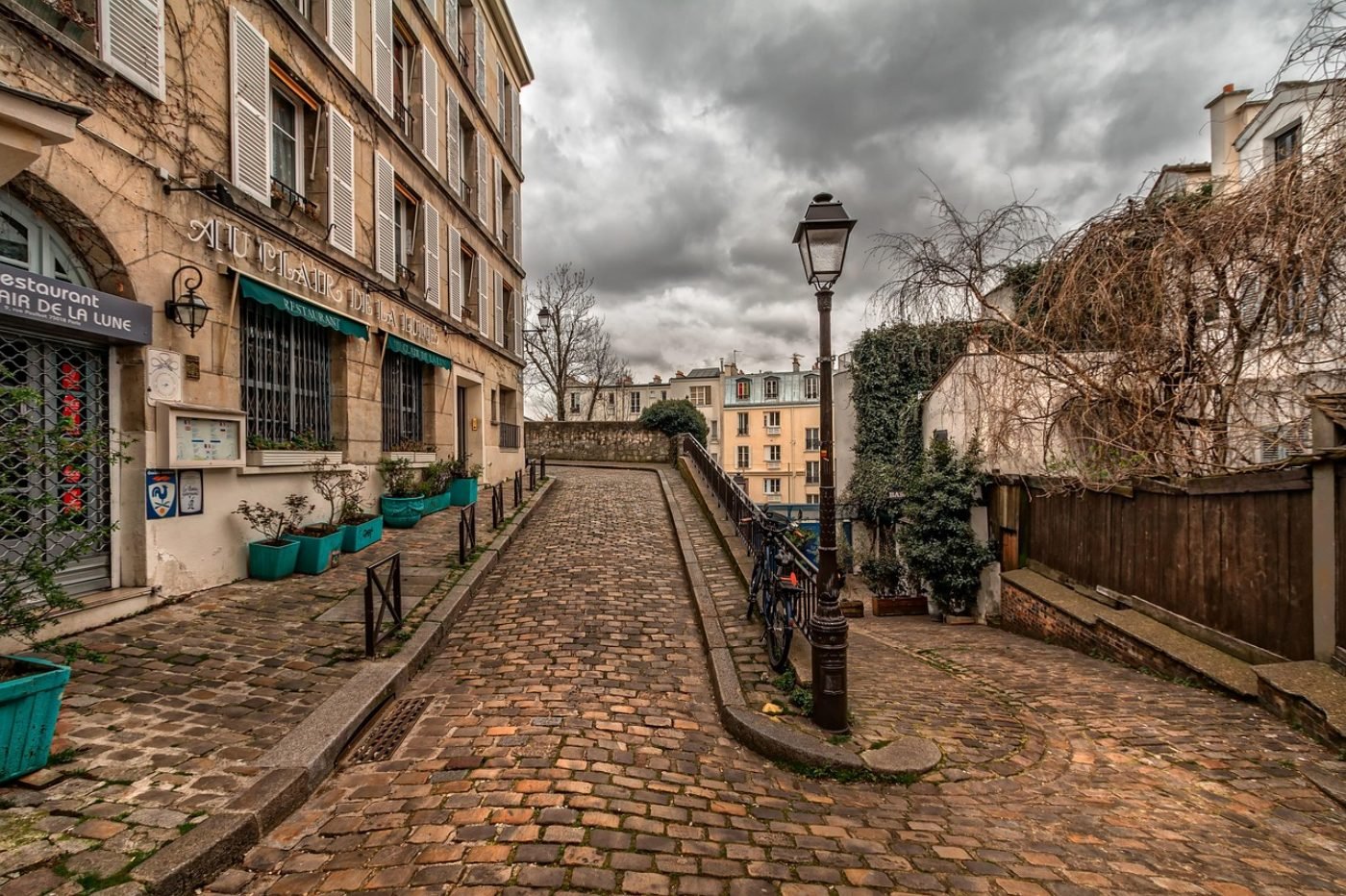
Montmartre Cemetery is quieter, easier to explore on your own, and has a special connection to the surrounding neighborhood. Combining it with a walk through Montmartre — heading down rue Lepic afterward, stopping at a café on Place des Abbesses — is a half-day itinerary that works really well.
If you have two or more days in Paris, visit both. They’re complementary experiences, not redundant ones.
How to Combine the Cemetery with a Montmartre Itinerary
The cemetery is less than a 15-minute walk from Sacré-Cœur. A possible morning itinerary: arrive at 8:30 a.m. (when it opens on weekends), spend an hour and a half exploring, exit via Avenue Rachel and head up the staircases of rue Lepic or take the funicular to Sacré-Cœur.
Along the way, stop by Place des Abbesses — the prettiest metro station in Paris, with original Art Nouveau gates by Hector Guimard. Good bakeries and cafés in the area for a late breakfast.
Another route: combine the cemetery with Dalida’s house on rue d’Orchampt and the singer’s bust at Place Dalida, 400 meters from the cemetery. For fans, it’s a walk with a lot of emotional weight.
Practical Information for Your Visit
- Address: 20 Avenue Rachel, Paris 75018
- Metro: Blanche (line 2) or Place de Clichy (lines 2 and 13) — 5 to 10 min walk
- Hours: Mon–Fri 8 a.m.–5:30 p.m. (6 p.m. in summer); Sat–Sun and holidays 8:30 a.m.–5:30 p.m.
- Entry: Free
- Suggested duration: 1h30 to 2h to explore at a leisurely pace
- Best time: Autumn (colorful leaves) and spring (flowers on graves)
- Map: Available for free at the entrance
- Accessibility: The terrain has uneven ground and stone paths — can be difficult for wheelchair users in parts of the cemetery
Frequently Asked Questions about Montmartre Cemetery
Is Montmartre Cemetery quiet or full of tourists?
Much quieter than Père Lachaise. On weekday mornings, you can go long stretches without seeing anyone. Weekends have a bit more movement, but nothing compared to Père Lachaise.
Can you visit without a guide?
Yes, easily. The map at the entrance shows the most visited graves. Google Maps works well inside the cemetery and helps you navigate between sections.
Is it worth booking a guided tour?
Depends on your interest. Tours focused on Dalida are popular and tell the singer’s story with details a map can’t offer. For those who just want to stroll and soak in the atmosphere, exploring on your own works perfectly.
Are there other attractions nearby?
Yes. The Moulin Rouge is less than a 5-minute walk away. The Pigalle neighborhood is just below. And Sacré-Cœur, about 15 minutes uphill — you can combine it all into a well-spent half-day itinerary.
Does the cemetery have a café or restrooms?
There’s no café inside the cemetery. Restrooms exist but are basic — it’s best to go before entering. There are plenty of cafés and bakeries on Avenue de Clichy and the streets near the entrance.
Montmartre Cemetery is the kind of place many visitors overlook in their rush to get to Sacré-Cœur, and that those who enter end up staying longer than planned. It’s silent, beautiful in its own melancholy, and full of stories that Paris rarely tells out loud. For anyone who likes to walk slowly and look closely, it’s worth every minute.