Dica: Aproveite também para fazer estes passeios em Paris
Tour pelo exterior da catedral de Notre Dame + Ingresso da cripta . Duração: 2 horas
Disneyland Paris Duração: 3 horas ou mais
Passeio de barco pelo Sena. Duração: 1h
Ingresso do 3º andar da Torre Eiffel. Duração: 2 a 3 horas
Ingresso do Palácio de Versalhes. Duração: 2 a 3 horas
Veja mais passeio em Paris aqui.
Introduction: Paris Is Safe, But You Need to Stay Sharp
Paris is one of the most visited cities in the world—and for good reason. But like any bustling metropolis, it has its safety challenges that every traveler should know about. The good news? Most issues are easily avoidable with a few basic precautions and awareness of what to look for.
This guide steers clear of generic travel advice. Here, you’ll find realistic info on the specific scams targeting tourists in Paris, the neighborhoods that demand a little extra caution, and practical tips tested by people who actually live or travel there. The goal is to make you feel prepared—not scared.
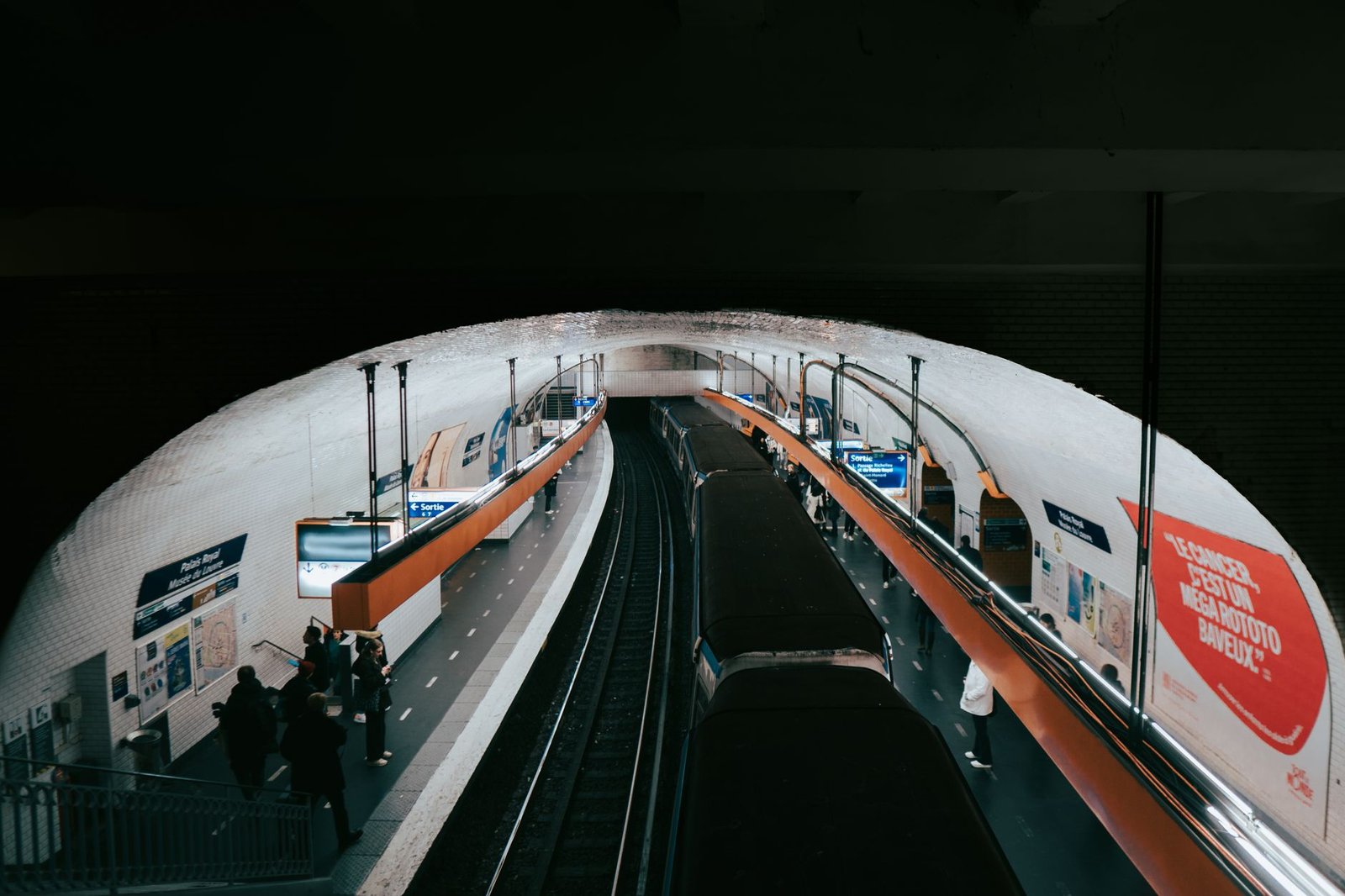
The Most Common Scams on the Paris Metro
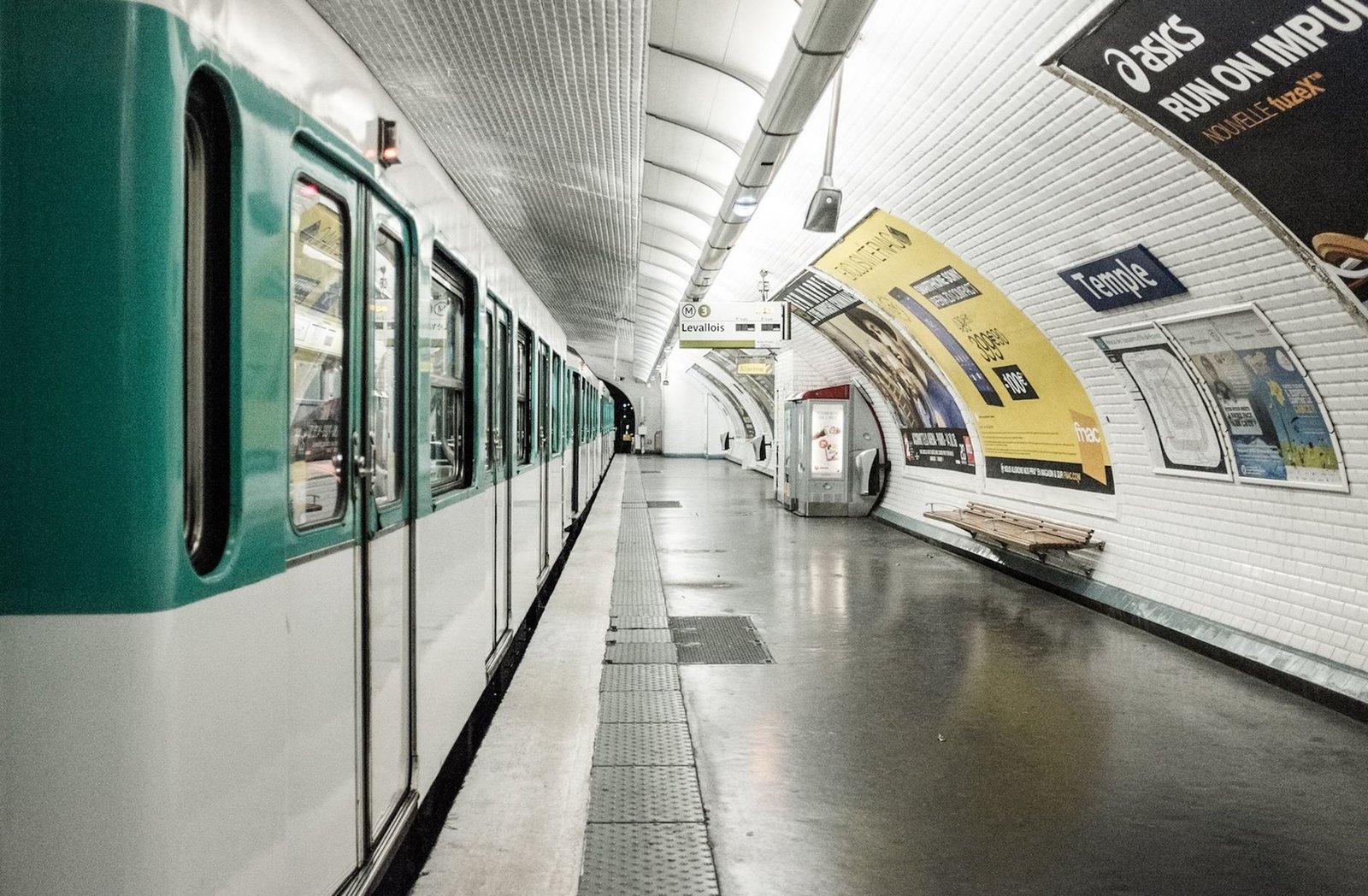
The metro (RATP) is the heart of Parisian transport, moving millions of people daily. It’s also where most petty thefts targeting tourists happen. Knowing the patterns helps you avoid becoming a victim.
The “group distraction” scam. You step into a crowded car, usually near a touristy station like Saint-Michel or Châtelet. Suddenly, someone next to you “accidentally” bumps into you hard, another offers help with your bag, and a third is already reaching into your backpack. It all happens in seconds. The target? Your phone in your back pocket, wallet in a side pocket, necklace—anything accessible without much effort.
The fake police officer scam. Less common, but real: someone approaches you “asking for documents” or “checking your ticket,” using a makeshift uniform or just an authoritative tone. While they’re talking, an accomplice steals your bag or demands money as a “fine.”
The empty car strategy. You step into a car that looks empty or nearly empty. It’s not a coincidence—it’s intentional. You have freedom of movement, which makes theft easier without witnesses. If something feels off (an empty car during rush hour, people getting out as you get in), be suspicious and switch cars.
Theft at Tourist Attractions: The Crime Hotspots
Certain places draw thousands of tourists a day—and they also draw opportunists. It’s not paranoia, it’s statistics.
Around the Eiffel Tower and Trocadéro. The surrounding areas are especially targeted. People selling “Paris silver rings” or getting you to sign fake petitions—while their accomplices clean out your bag. If someone approaches you with an offer or a “spontaneous” petition, it’s almost always a scam. Politely refuse and walk away.
Busy stations (Gare du Nord, Gare de l’Est, Châtelet). Luggage, confused tourists, first hours of arrival—the perfect environment for thieves. Keep your bag in sight and close to your body. Don’t leave anything in an easily accessible pocket.
Museum lines (Louvre, Orsay). Long periods of standing still in a group. People around you are stressed and distracted. That’s when wallets disappear most easily. Use a front-facing bag or wear your backpack on your chest in these situations.
Open tourist transport (Seine river boats, hop-on-hop-off buses). Constant movement, easy to get on and off, lots of hands around. Keep valuables in closed, secure bags attached to your body, never in luggage you might leave unattended.
Neighborhoods That Need More Caution at Night
Paris has beautiful, safe neighborhoods. It also has areas that get uncomfortable after dark, especially if you’re alone.
Barbes-Rochechouart (north of Montmartre). Visible drug dealing, prostitution, frequent verbal harassment, especially late at night. During the day, it’s okay. At night, tourists—especially solo women—shouldn’t be there without a specific reason. If you need to pass through, stick to the main, well-lit streets.
Parts of the 18th and 19th arrondissements. Residential areas where tourists rarely go. There’s drug dealing in certain spots, and strangers approaching people offering “opportunities.” Avoid this kind of approach.
Areas under the RER viaducts (especially in the 13th). Poorly lit places, with a concentration of homeless people and drug users. It’s not dangerous most of the time, but it’s uncomfortable. Avoid passing through alone after dark.
Parks after nightfall. Luxembourg Gardens, Parc Monceau, Bois de Vincennes—beautiful during the day, deserted and less safe at night. Leave these spaces before it gets dark.
That said: Paris is much safer than many Latin American cities. You can walk through “worse” neighborhoods during the day without major issues. The key is being aware of the context.
Practical Safety Tips to Avoid Becoming a Victim
Your bag is your biggest target. Don’t wear a backpack on your back in crowded places. If you have to use one, wear it on your chest. Crossbody leather bags (not too flashy) are ideal for cities. Shoes, a backup credit card, and a locked phone. No wallet stuffed in your back pocket—it’s the first place they look.
Traveling in pairs is safer. Not because there’s “imminent danger,” but because thieves prefer distracted, solo people. If you’re traveling alone, always stay alert, especially in metros and stations.
Use copies of documents, not originals. Your original passport never leaves the hotel—unless legally required (which isn’t the case in France for Brazilians). Carry an authenticated copy. A Brazilian tourist ID is rare enough to draw attention; a copy is more logical and safer.
Credit cards > cash. International cards in big cities have fraud protection. Cash disappears and is unrecoverable. Have some small change in euros, but don’t carry a wad of bills in your bag.
Use apps, not paper maps in open areas. Consulting a printed map in a busy spot screams “I’m a tourist and I don’t know the area.” Use Google Maps on your phone—discreetly, while leaning against a wall, not in the middle of the street.
Watch out for these times: 10 PM–6 AM and metro rush hours. Nighttime is obvious. But certain peak hours (after work between 5 PM–7 PM, bar closing time around midnight) concentrate opportunists. If possible, travel by metro outside these times.
If someone offers you something “for free,” it’s not. A “gift” silver bracelet, an invitation for a drink, a chance to win something in a game—all distraction attempts. Refuse politely but firmly.
Stolen Phone: What to Do
Your phone is gone? Here are the immediate steps.
Lock your account (iCloud/Google) immediately from another device or website—this wipes the phone remotely. For a local French SIM or eSIM, contact your carrier (Orange, SFR, Bouygues)—they can deactivate it to prevent misuse of data/calls.
File a police report at the local station (commissariat)—it’s bureaucratic but necessary for some insurance claims and card refunds. Go with someone if possible, or with a translator (many stations have staff who speak English/Spanish, but not always).
Notify your bank and card company. If the stolen phone had access to banking apps, there’s a risk (though low) of fraud.
Less Obvious Scams That Also Work
The fake tour guide or market researcher. Someone approaches you on the street claiming to be a researcher or offering an exclusive tourist experience at an unbeatable price. While you’re engaged in the conversation in a public place, you don’t notice your backpack being opened or your bags being rifled through. Simple rule: reject street approaches from strangers offering services or opportunities.
The friendly coffee or drink invitation. You’re invited by someone who seems local for a coffee or drink at a special bar. The bill is astronomical—50, 100 euros for one drink—and you’re pressured to pay or threatened. This is less common in Paris than in other cities (Bangkok, Prague), but it exists. If a complete stranger invites you out to a bar, there’s a 90% chance it’s a trap.
Taxi without a meter or fake app. You call an Uber, it seems like the driver has arrived, but it’s actually an unregistered taxi. They charge an absurd fare at the end. Always use official apps (Uber, Bolt) and check the car’s license plate—the app shows the plate before you get in.
Metro tickets sold by strangers. Someone offers to sell you a transport ticket the day before you leave, or offers a “discounted” ticket outside the station. The ticket is probably already used or fake. Always buy from official points (machines or counters).
Frequently Asked Questions
Q: Is Paris safe enough for a woman traveling alone?
A: Yes, absolutely. Millions of women travel alone to Paris every year. The main difference is being more alert on the metro (especially at night) and avoiding specific neighborhoods after dark. Talk to other travelers, stay in well-known areas, and trust your instincts.
Q: What if I’m a target of sexual harassment?
A: Verbal harassment (catcalling, comments about your appearance) is unfortunately common in Paris, especially near certain areas. It’s not “personal safety” in the sense of theft, but it’s uncomfortable. Don’t respond, don’t make eye contact, and keep walking. If it escalates to physical contact, shout “Non!” or “Au secours!”—French people will respond. Go to the police station if something very serious happens.
Q: Should I worry about terrorism or political conflicts?
A: Paris has had terrorist attacks in the past. Security is very high now. Politically, it’s a stable democracy. It’s not a realistic concern for tourists. Don’t let that fear take up space in your mind.
Q: Should I avoid certain metro stations?
A: All stations are technically “safe.” Châtelet, Gare du Nord, and Pigalle have a reputation for petty theft, especially at night. During the day, you can use them—just stay alert. Prefer less chaotic stations if you have the option.
Q: What’s the best way to carry cash?
A: Carry small amounts (50-100 euros max), split into 2-3 different places—not all in one envelope. A small amount in a “throwaway” wallet and the rest hidden (money belt, sock). Don’t look like you have a lot.
Q: If I get robbed, does my travel insurance cover it?
A: It depends on the specific coverage. Some cover theft, others don’t—or cover it partially. Check your policy BEFORE you travel. You’ll need a police report (BIP) issued by the local authorities to file a claim.
Q: How “too dangerous” is it to walk at night?
A: Paris, even at night, is relatively safe compared to large Brazilian cities. Women walk alone late at night in many neighborhoods. The risk increases in specific areas (mentioned earlier) and at very late hours (3-5 AM). Use your instinct: if a street/neighborhood feels empty, poorly lit, and uncomfortable, don’t walk there—take a taxi/Uber.
Q: What if someone aggressively approaches me or tries to rob me in front of me?
A: First rule: money and belongings aren’t worth your life. Hand them over. Second rule: shout, make noise—French people will help. Third: go straight to a police station if this happens. Paris has visible policing (patrols, officers on the streets), especially in tourist areas. If something very serious happens, call 17 (police) or 112 (emergency).
Q: Should I avoid traveling on certain days/times of the year?
A: No specific time of year is significantly less safe. Summer (July-August) has more tourists, so more opportunists, but also more policing. Nights of big events (World Cup final, for example) can bring crowds—avoid very crowded public squares in those cases, not for theft safety, but for general chaos.
Q: Is it safe to leave the center/touristy areas and explore “local” neighborhoods?
A: Yes, absolutely. Neighborhoods like Belleville, Canal Saint-Martin, and Batignolles are beautiful and safe during the day. At night, same advice: walk on well-lit streets, not alone if you’re unsure, and trust your instincts. Many of these areas have lively and safe nightlife—bars, restaurants. Go in groups or with locals.
Safety Checklist: Before You Leave the Hotel
Before each day of exploring, run through this simple checklist to minimize risk:
Daytime: Main credit card (in an inner pocket), passport copy (not original), offline map on your phone, 30-50 euros in cash. Backpack on your chest or crossbody bag. Phone charged. Location shared with someone (Find My Friends for iPhone, Google Location Sharing for Android). If using the metro during rush hour, extra caution.
Nighttime: Less cash (20-30 euros), debit card instead of multiple cards, phone fully charged (taxi/emergency apps drain battery), good shoes (running in uncomfortable shoes is worse than running in nothing), Uber/Bolt open and ready instead of looking for a taxi. If you’re in night bars, keep your drink in sight—don’t leave it unattended.
Always: Document your cards (take photos of front and back, note contact numbers for blocking) and save them in email/cloud, not on paper. Have your bank’s contact number on a separate piece of paper. Know where the nearest Brazilian embassy/consulate is (address and phone number written down).
Conclusion: Prepared Is Different from Scared
Paris is an incredible city that you can explore and enjoy fully—but with your eyes open. Most of the problems described here are small: a lost wallet, a stolen phone, awkward situations. Cases of physical violence against random tourists are rare.
The secret is to be aware without being paranoid. Walk with confidence, know where your belongings are, trust your instinct when something feels off, and enjoy one of the most beautiful cities in the world. Paris has so much more to offer than safety worries—and with the tips in this guide, you’ll be well-prepared to enjoy it.