How Much Does a Trip to Paris Really Cost in 2026?
Paris is often seen as the ultimate luxury destination, conjuring images of five-star hotels, Michelin-starred gourmet dinners, and extravagant shopping sprees on the Champs-Élysées. But the truth few tourists know is that the city offers viable options for every budget — from thrifty backpackers to premium travelers. The question isn’t really whether you can visit Paris on your budget, but how to strategically maximize your experience within your financial constraints.
This detailed guide breaks down exactly what you’ll spend in Paris in 2026, analyzing costs by specific category. We’ll explore accommodation, food, transportation, attractions, and entertainment, with prices in euros. You’ll also find practical examples of complete budgets for different types of travelers.
Important note: After planning your budget, get to know one of Paris’s main icons by reading our Complete Eiffel Tower Guide — with info on tickets, lines, and tips.
Accommodation — Where to Stay and How Much to Spend Per Night
Three-Star Hotels (Mid-Range)
Most three-star hotels in Paris cost between €80 and €150 per night. These offer clean, basic but comfortable rooms, usually located in secondary neighborhoods that are excellently connected by metro. Examples include hotels in République, Oberkampf, Belleville, or around Gare du Nord. Private bathroom, TV, and WiFi are included, but don’t expect luxury.
Two-Star Hotels (Budget)
If your priority is maximum savings, two-star hotels cost €50 to €80 per night. Rooms are small and simple, without many extras or decoration, but clean and safe. Many are located in neighborhoods further from the tourist center, requiring a 15-25 minute metro commute to the main attractions. Suitable for those who spend little time in the room.
Hostels (Shared Dormitories)
Dormitories in well-rated hostels cost €25 to €40 per night. Great for solo travelers or groups who want to save significantly and enjoy making friends from other countries. Quality and atmosphere vary greatly between hostels — recommendations on Booking/Hostelworld are essential. Some hostels include breakfast; others charge extra.
Airbnb and Full Apartments
Full apartments in good neighborhoods (Marais, Latin Quarter, Montmartre) cost €70 to €180 per night, depending on size, exact location, and amenities. They offer more space and your own kitchen — great if your trip is 5+ days, as it saves significantly on meals. They also offer a more “local” experience than hotels.
Typical daily accommodation budget: €50-150, averaging €90.
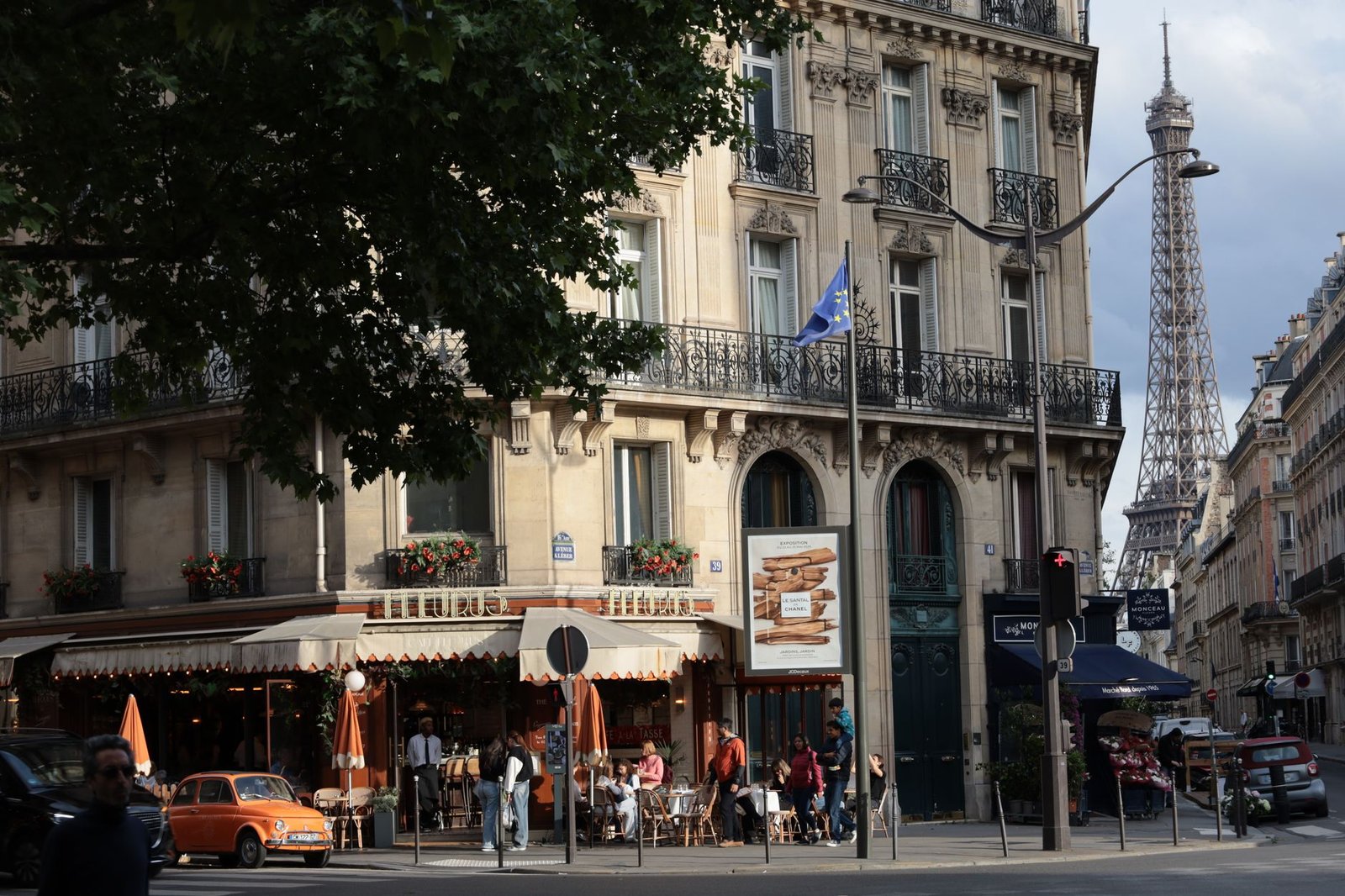
Dica: Aproveite também para fazer estes passeios em Paris
Tour pelo exterior da catedral de Notre Dame + Ingresso da cripta . Duração: 2 horas
Disneyland Paris Duração: 3 horas ou mais
Passeio de barco pelo Sena. Duração: 1h
Ingresso do 3º andar da Torre Eiffel. Duração: 2 a 3 horas
Ingresso do Palácio de Versalhes. Duração: 2 a 3 horas
Veja mais passeio em Paris aqui.
Food and Meals — From Cheap to Gourmet
French Breakfast
A classic French breakfast (coffee or hot chocolate, croissant, and orange juice) at a street café costs €5 to €8. In fancier neighborhood bistros, €12 to €15. Practical tip: supermarkets sell good quality frozen croissants for €1.50 each — if you’re staying in an Airbnb, you can save a lot on breakfast.
Lunch — The Best Bang for Your Buck
Budget lunch: A classic jambon-beurre sandwich (ham and butter) or fast food (Quick, McDo) costs €7 to €12. Quick and suitable for those wanting maximum efficiency.
Mid-range lunch (Best value): Menu du jour (daily special) at a typical bistro, with main course + drink (water or house red wine) + simple dessert, costs €12 to €18. This is truly the best value in Paris — the same food quality as dinner at the same restaurant, but 50-60% cheaper.
Premium lunch: A restaurant with a reputation or a Michelin star costs €40 to €200+.
Dinner — When the Price Goes Up
Budget: Traditional pizzeria or casual neighborhood restaurant costs €12 to €18.
Mid-range: Traditional bistro or restaurant with a pleasant atmosphere costs €25 to €40.
Premium: A well-known restaurant with an elegant setting, or a Michelin-starred one, costs €60 to €300+.
Supermarket and Picnics
If you cook your own food in an Airbnb or have picnics: fresh baguette (€1.20), Camembert cheese (€3-5), ham (€5), seasonal fruits (€3/kg), eggs (€3/dozen), yogurt — a homemade cold lunch/dinner for €8 to €12. Picnics in parks are a traditional and budget-friendly Parisian activity.
Typical daily food budget: €20-60, averaging €35 for a typical traveler who has a menu du jour lunch and a moderate dinner.
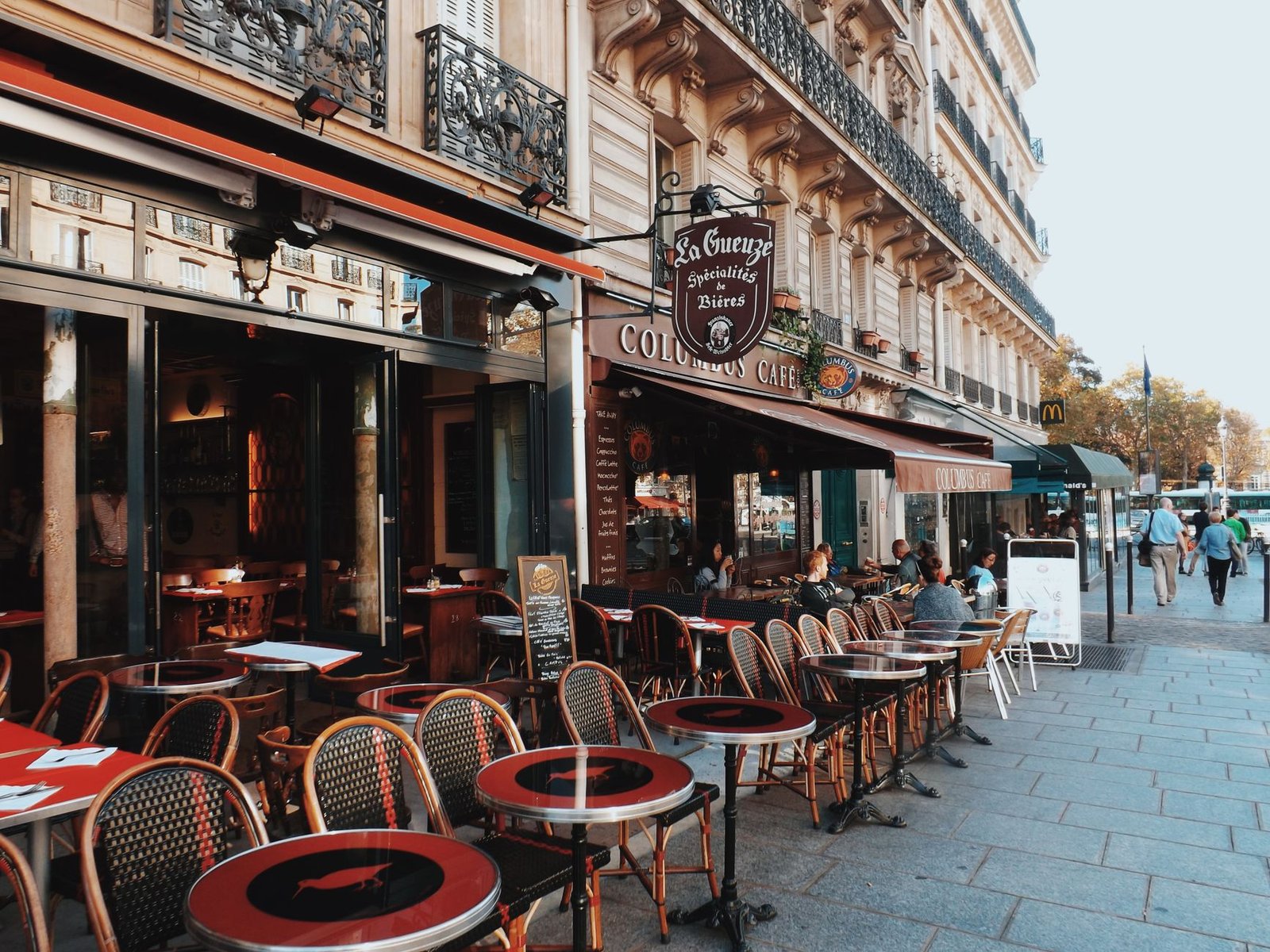
Urban Transportation — Metro, Bus, and Getting Around
Metro and Bus (Integrated System)
Single ticket: €2.15 per ride.
1-day Mobilis Pass: €8.50 — allows unlimited travel on metro, bus, and RER (up to zone 2) for 24 hours.
3-day Mobilis Pass: €23.50 — best cost per day if staying for 3 days.
Navigo Découverte (1 week): €30.75 — unlimited travel Monday to Monday across the entire system.
The metro is fast (rarely takes more than 5 minutes between stations), reliable, and runs until midnight (late-night on weekends with night buses).
Taxis and Rideshare Services
A taxi from Charles de Gaulle airport to central Paris costs €50-70, depending on traffic. Within the city, short distances (5-10 minutes): €8 to €15. Uber is slightly cheaper than a taxi on average, €8 to €12.
Other Options
Bicycle (Velib): The bike-sharing system costs €5/day or €70/week. Great for travelers who feel safe cycling in the city.
Regional train (RER/SNCF): For day trips (Versailles, Mont Saint-Michel) costs €10-25 depending on the destination.
Typical daily transportation budget: €8-12 if using a pass, or €23.50 for a 3-day pass.
If your trip includes a day in London, the most practical and economical transport is the Eurostar — the high-speed train that connects Paris to London in about 2h15, departing directly from Gare du Nord. With tickets starting from €39 booked in advance, it’s often cheaper and more convenient than flying when you consider total travel time.
Tourist Attractions and Museums — Entry Prices
Major Museums and Monuments
Louvre Museum: €17 full entry. Evening entry (Wednesdays and Fridays): €10.
Musée d’Orsay: €14.
Centre Pompidou: €14 for the museum, separate viewpoint €5.
Musée de l’Orangerie (Monet’s Water Lilies): €11.
Eiffel Tower (second floor): €14. Third floor: €17. Access to the top: €21. Lines can be 1-2 hours, especially in summer.
Notre-Dame Cathedral: €10 (currently under restoration, but planned reopening in 2024/2025).
Palace of Versailles: €18 for the palace only; with gardens €27.
Paris Museum Pass (3 Days)
Costs €84 and includes entry to over 60 museums and monuments in Paris and the surrounding area. It’s definitely worth it if you plan to visit 5+ attractions in 3 days (saving €20-30+). It also allows you to skip lines at popular attractions.
Free Attractions (Don’t Miss Them!)
Many experiences in Paris are completely free: Luxembourg Gardens (pool, deck chairs), Trocadéro Gardens (Eiffel Tower view), Sainte-Chapelle Cathedral (exterior), public parks, squares, walks through historic neighborhoods like the Marais and Latin Quarter. The Sacré-Coeur Basilica in Montmartre has an interior entry fee of €6, but the exterior climb (stairs) is free.
Typical daily attractions budget: €15-50, highly variable depending on what you choose to visit.
Nightlife and Entertainment — Bars, Shows, Cinemas
Drinks at Bars
A drink (beer, wine, or cocktail) at a casual bar costs €8 to €12. At fancy bars in the Marais or 6th arrondissement: €15 to €25. Apéro (appetizers + drink) costs €12-20.
Live Music and Shows
Jazz club with a mandatory minimum (drink + appetizer): €25 to €50. Cabaret show (Moulin Rouge, Lido): €100 to €200 just for tickets, extra for drinks. Cinema tickets: €12 to €14, matinee sessions cheaper at €9.
Shopping — Souvenirs and Miscellaneous Expenses
Typical Souvenirs
Miniature Eiffel Tower (plastic): €2 to €5. Decent French wine (Bordeaux, Burgundy): €8 to €15. French perfumes/cosmetics (Chanel, Dior, Lancôme): €50 to €100+.
Clothing and Fashion
Paris is a shopping mecca, but prices are competitive. Casual t-shirt (Uniqlo, H&M): €15 to €30. Quality shoes: €50 to €150. Designer handbag: €150-500+.
Complete Budgets — Practical Examples
5-Day Trip, 1 Person — Budget Plan
- Accommodation: €50/night × 5 nights = €250
- Food: €20/day × 5 = €100
- Transportation (3-day pass): €23.50
- Attractions (3 museums): €35
- Miscellaneous/Emergency: €50
- TOTAL: €458.50
5-Day Trip, 1 Person — Mid-Range Budget (Recommended)
- Accommodation: €100/night × 5 = €500
- Food: €35/day × 5 = €175
- Transportation (Passes/Taxi): €40
- Attractions (Museum Pass + Tower): €100
- Nightlife/Miscellaneous: €100
- TOTAL: €915
5-Day Trip, 1 Person — Comfortable Budget
- Accommodation: €150/night × 5 = €750
- Food: €50/day × 5 = €250
- Transportation: €50
- Attractions (Museum Pass + events): €150
- Nightlife/Shopping: €400
- TOTAL: €1,600
10-Day Trip for a Couple
Mid-Range Budget (Couple total): €1,800 to €2,500 — or approximately €900-1,250 per person.
Practical Tips for Saving Money in Paris
1. Eat Like a Parisian — The Menu du Jour is Gold
The menu du jour (daily lunch special) at bistros offers 2-3 courses + a drink for €12-18. The same food for dinner at the same restaurant costs €40+. Eat well for lunch, have a light dinner or a picnic.
2. The Museum Pass is Worth It If You Visit 5+ Museums
The 3-day Museum Pass costs €84 but quickly saves you €20-40 on entry fees, plus it lets you skip the lines.
3. Use the Metro, Never a Taxi for Distances
The metro is fast, reliable, and cheap. A taxi that should cost €12 can quickly drain your budget compared to a metro ticket.
4. Stay Slightly Away from the Center
Being one or two metro stops away from the tourist core reduces accommodation costs by 30-50%, with quick and easy access via metro.
5. Visit as Many Free Things as Possible
Many museums have a “free first Sunday of the month.” Walking through neighborhoods, parks, squares, and enjoying public views is the best free fun.
6. Drink Tap Water, Never Bottled Water
Bottled water costs €2-3; tap water is free, safe, and of excellent quality. Carry a reusable bottle.
Currency, Cards, and Cash
The currency is the Euro (EUR). Use a debit/credit card with no foreign transaction fees (many banks offer these). ATMs generally offer better rates than currency exchange offices. Carry approximately €100-200 in cash for small purchases, transport, or emergencies.
Best Time to Visit — Impact on Prices
High season (May-September): Prices 20-40% higher. Accommodation €120-200/night. Crowded. Best weather but expensive.
Low season (November-February): Prices 30-50% cheaper. Accommodation €50-100/night. Short days, cold (0-5°C), fewer crowds.
Shoulder season (March-April, October): Best balance — pleasant weather, moderate prices, fewer crowds.
Conclusion — Paris is More Affordable Than You Think
Paris does NOT have to be expensive. A budget traveler can genuinely enjoy the city for €25-30/day on basic accommodation and strategic eating. An average visitor spends €40-60/day comfortably. Luxury travelers can easily spend €100-200+/day, but that’s a choice, not a necessity.
The key is understanding your fixed costs (accommodation, transport) and allocating your flexible budget (food, attractions, entertainment) wisely. Paris offers genuine value at every level — incredible meals for €15, unique cultural experiences, and a quality of life that makes every euro spent worthwhile. With planning and the tips in this guide, your trip to Paris will be unforgettable and financially prudent.
With your budget figured out, you just need to decide which neighborhood to stay in — check out our guide on where to stay in Paris to choose the area that matches your travel style.
Before you pack your bags, don’t forget to check the necessary documentation: see our complete guide on documents for traveling to France, with everything about passports, Schengen visas, ETIAS, and travel insurance, to ensure your planning has no last-minute surprises.