The Louvre Museum is the most visited museum in the world—and it also has the most dreaded lines in Paris. During peak season, showing up without a ticket can mean waiting over two hours just to get past the ticket office. The good news is you can skip almost all of that wait with two simple decisions: buying your ticket in advance (€22, prices from June 2026) and booking your entry date and time slot, which is mandatory even if you already have your ticket. In this practical guide, you’ll find out how much it costs, how to truly skip the line, how much time to set aside, and a route of the unmissable works—from the Mona Lisa to the Venus de Milo.
Louvre Tickets: Prices and Where to Buy
The standard adult ticket costs €22 (prices from June 2026—check the official website before you go) and grants access to the permanent collections and temporary exhibitions, as well as entry to the Musée Eugène-Delacroix within 48 hours. The official audio guide costs about €6 extra. Children and teenagers up to 18 get in free, as do young people aged 18 to 25 who are residents of the European Union—Brazilians in that age range pay the regular price.

Dica: Aproveite também para fazer estes passeios em Paris
Tour pelo exterior da catedral de Notre Dame + Ingresso da cripta . Duração: 2 horas
Disneyland Paris Duração: 3 horas ou mais
Passeio de barco pelo Sena. Duração: 1h
Ingresso do 3º andar da Torre Eiffel. Duração: 2 a 3 horas
Ingresso do Palácio de Versalhes. Duração: 2 a 3 horas
Veja mais passeio em Paris aqui.
You can buy directly from the official Louvre website, where you only pay the ticket price, or through platforms like Civitatis and GetYourGuide, which charge a bit more but offer customer service and guides in Portuguese, immediate confirmation, and flexible cancellation. In practice, for the Brazilian traveler who wants to get in without any hassle, the guided tour with a Portuguese-speaking guide is usually the best value for money—it already includes the ticket and saves you from getting lost in the museum’s 72,000 m².
Get your Louvre ticket without the line (and in Portuguese)
Guided tour + Louvre Museum ticket, with a Portuguese-speaking guide. Duration: about 2 hours
See all tours, tickets, and excursions in Paris
The links above are from partners (Civitatis). By booking through them, you support the blog at no extra cost.
Time-Slot Reservations: The Detail That Trips Up So Many People
Here’s the most common mistake first-time Louvre visitors make: having a ticket isn’t enough. The museum requires you to reserve a specific entry date and time slot, even if you buy online and even if you qualify for free admission. Without that reservation, you can show up with your ticket on your phone and still not get in. So when you buy, double-check that your reservation has a set time — and arrive about 15 minutes before your chosen window. Tickets can be reserved up to two months in advance on the official website, and spots sell out fast during the summer months.
How to Skip the Louvre Lines
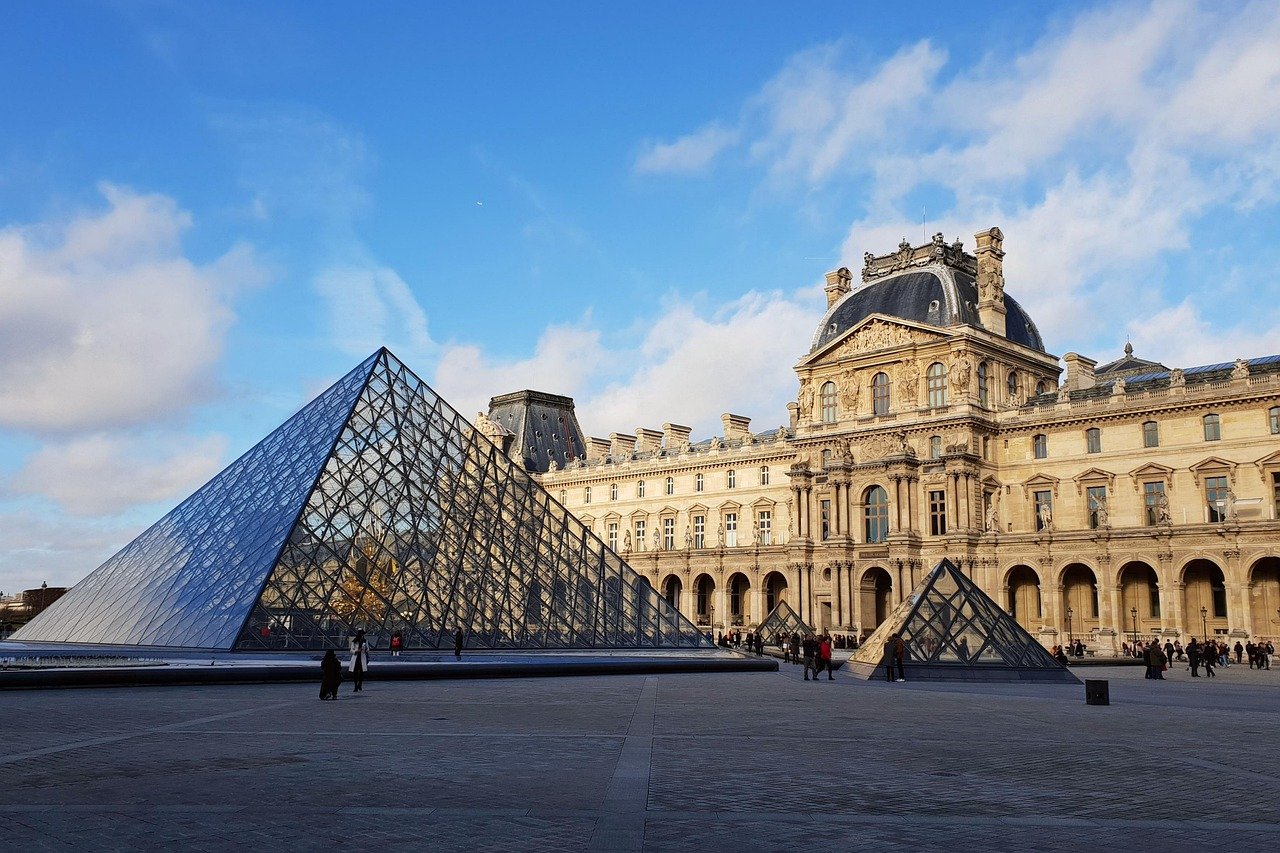
“Can you visit the Louvre without facing a line?” Yes, and the secret has three parts. The first we’ve already mentioned: buying ahead with a reserved time slot. The second is choosing the right entrance. The famous Pyramid (Cour Napoléon) is the prettiest for photos, but it’s usually the most crowded. If you already have a ticket, you can use alternative, calmer entrances like the Carrousel du Louvre (via the underground shopping mall, accessible from Rue de Rivoli) and the Passage Richelieu. The Porte des Lions entrance is often closed — check availability on the day.
The third part is timing. The absolute peak is between 12pm and 2pm, and Saturdays and Mondays are the worst days (since the museum is closed on Tuesdays, people who would have gone then end up packing Monday instead). Aim to arrive right at opening time, 9am, or after 3pm. And take advantage of the best secret: on Wednesdays and Fridays, the Louvre stays open until 9:45pm, and the evenings are far emptier and more atmospheric.

What to See at the Louvre: The Essential Works
The Louvre has over 35,000 works on display — seeing everything is impossible. If you spent 30 seconds on each piece, it would take you over 100 days. So the game is all about picking and choosing. Here are the five works practically everyone wants to see:
Mona Lisa (La Joconde)
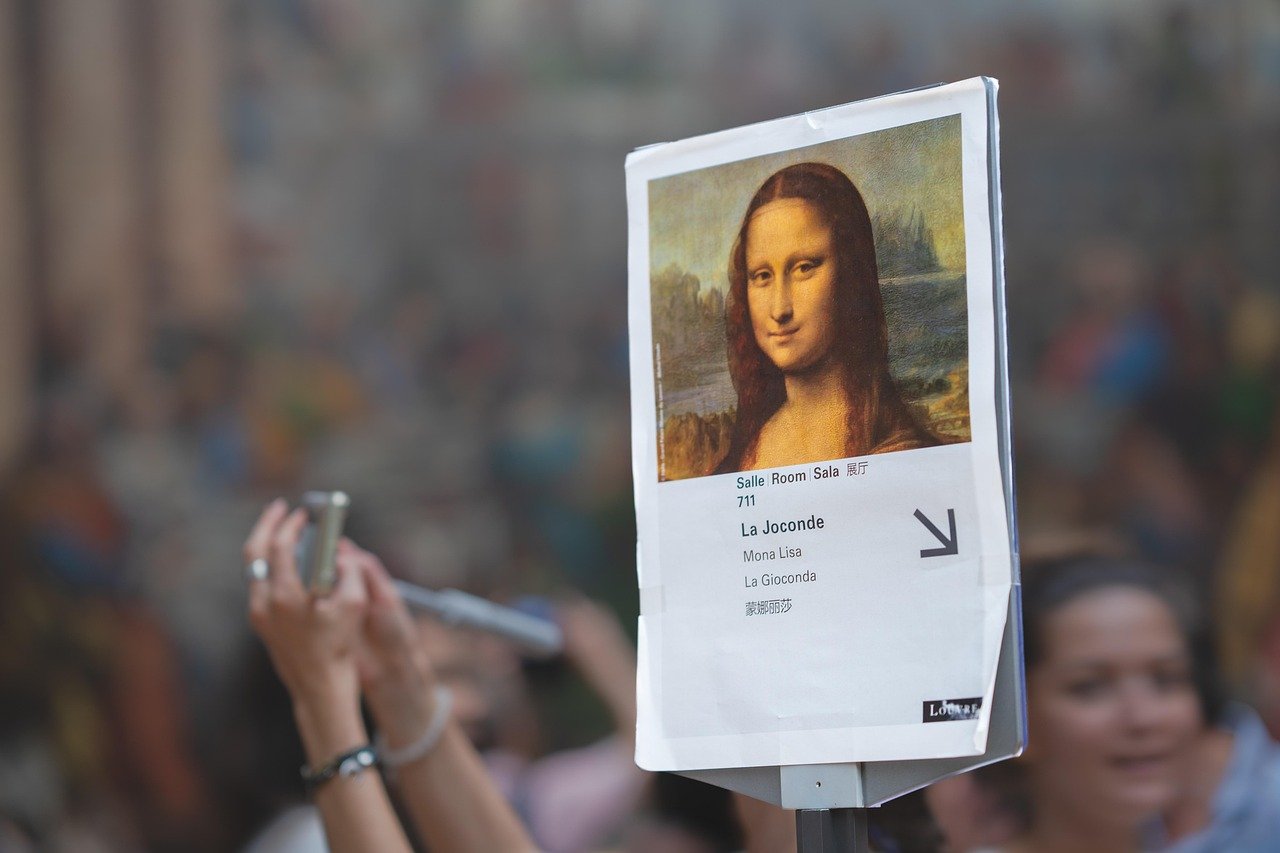
Leonardo da Vinci’s portrait is in the Denon Wing, Room 711, protected behind bulletproof glass. Brace yourself for the crowd — it’s the busiest room in the museum. The tip is to go right at opening or late in the evening to snap a photo with fewer people in front.
Venus de Milo
The Greek sculpture of the goddess Aphrodite, missing her arms, is in the Sully Wing among the Greek antiquities. It’s one of the most reproduced images in classical art.
Winged Victory of Samothrace
The imposing Greek Nike perched atop the Daru staircase greets you as you head up to the Denon Wing — one of the most scenic entrances in the museum.
Liberty Leading the People
Delacroix’s painting, a symbol of the 1830 Revolution, sits among the great French paintings in the Denon Wing.
The Seated Scribe and Napoleon III’s Apartments
To go beyond the obvious, it’s worth seeing the Seated Scribe from Ancient Egypt and the lavish Napoleon III apartments in the Richelieu Wing, which are almost always quieter.
How Much Time to Budget and a Quick Itinerary
To see the highlights without rushing, budget 2 to 3 hours. If you’re an art lover who wants to explore at a leisurely pace, set aside half a day. An efficient route starts in the Denon Wing (Mona Lisa, Winged Victory, major paintings), moves to the Sully Wing (Venus de Milo and antiquities), and finishes in the Richelieu Wing (sculptures and the imperial apartments). Grab the free map at the entrance or download the official Louvre app so you don’t get lost — the museum is enormous and the signage isn’t always helpful.
How to Get to the Louvre
The Louvre sits in the heart of Paris, in the 1st arrondissement, right on the Seine. By metro, the most convenient station is Palais Royal – Musée du Louvre (lines 1 and 7), with direct access to the Carrousel. Louvre-Rivoli (line 1), Tuileries (line 1), and Pyramides (line 14) stations are also nearby. Coming from the city center or the Eiffel Tower area, line 1 connects the main tourist spots and drops you practically at the door. If you’ll be getting around the city a lot, it’s worth understanding your ticket and pass options before you head out — we explain it all in our guide to the Paris transport pass.
What to Pair on the Same Day
The Louvre is surrounded by attractions that make for a full day. Right outside, the Tuileries Gardens lead you to the Place de la Concorde on a lovely walk. Cross the Seine and the Musée d’Orsay (about 700 meters away) is the perfect duo for art lovers: from classic to Impressionist in one go. And since the museum sits right on the river, ending the day with a Seine river cruise at sunset is a combination that’s hard to beat.
Practical Tips and Is It Worth It?
Wear comfortable shoes — you’ll walk way more than you think. Large suitcases and backpacks aren’t allowed in, but there are free lockers in the Hall Napoléon. Photos are allowed (no flash), including of the Mona Lisa. Bring water and take breaks: the café under the pyramid is pricey, but the view makes up for it during a quick rest. The most common mistake to avoid is trying to see “everything” — you’ll leave exhausted and without having enjoyed anything. Pick about ten works, take your time with them, and save the rest for your next trip. Is it worth it? Absolutely, even for those who aren’t art fans: it’s walking through thousands of years of history in a few hours, inside one of the most beautiful buildings in Paris.
Frequently Asked Questions
How much does a Louvre Museum ticket cost?
The standard adult ticket costs €22 (prices as of June 2026). The official audioguide is about €6 extra. Check current prices on the official website before your visit.
Is the Louvre open every day?
No. The museum is closed on Tuesdays and also on January 1st, May 1st, and December 25th. On other days it’s open from 9am to 6pm, with extended hours until 9:45pm on Wednesdays and Fridays.
Do I need to book a time slot even if I buy a ticket?
Yes. Booking an entry date and time is mandatory, including for those who qualify for free admission. Without a reserved time, you may not be able to get in even with a ticket.
How much time do I need to visit the Louvre?
To see the main highlights comfortably, budget 2 to 3 hours. Those who want to explore in depth should set aside half a day.
Where is the Mona Lisa in the Louvre?
The Mona Lisa is in the Denon Wing, Room 711. It’s the busiest room in the museum — go right at opening or late in the evening to see it with fewer people.
Conclusion
Visiting the Louvre stress-free is all about planning: buying your ticket ahead, booking a time slot, choosing the right entrance, and picking about ten works by hand. With that, you trade two hours in line for two hours in front of some of humanity’s greatest masterpieces. Plan it with care and go with an open heart — the Louvre has a way of staying in your memory long after the trip ends. Safe travels and enjoy your visit!
After the museum, add the Palais-Royal in Paris to your itinerary: it’s just a few minutes away and combines gardens, the Buren Columns, and cafés under the arcades.