The Tuileries Garden is one of the easiest outings to fit into a Paris itinerary when you want to catch your breath between museums without straying from the city’s most touristy core. It sits squeezed between the Louvre and the Place de la Concorde, so you don’t need to plan any extra travel: just cross through a gilded iron gate, listen to the water in the reflecting pools, and let your day slow down. As a historic, central, and free park, it works both as a quick stop and as a leisurely visit for those who love to walk, admire sculptures, and watch Paris shift its light throughout the day.
How to Get There
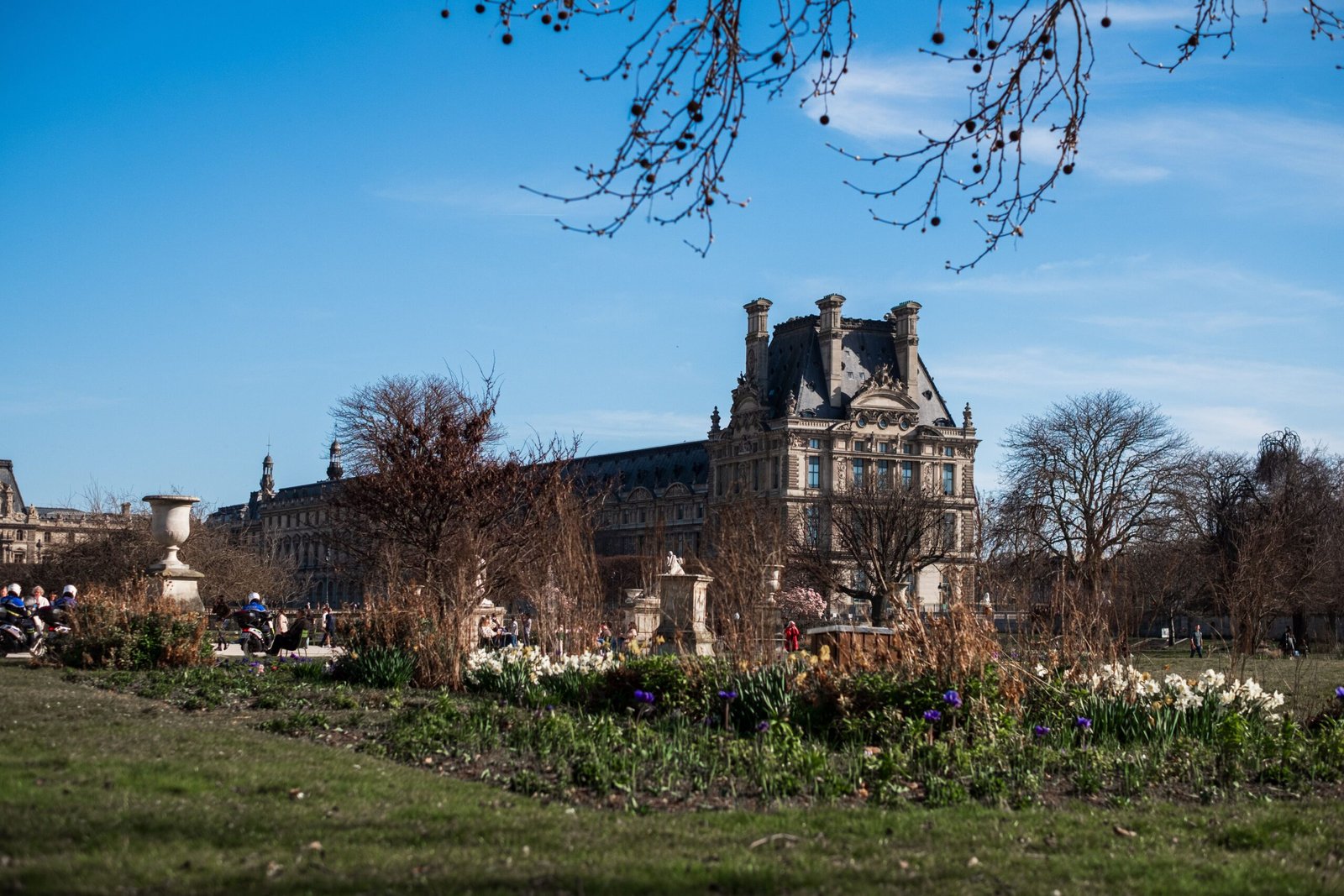
The Tuileries Garden sits in the 1st arrondissement, on a prime stretch that’s easy to picture on a map: the Louvre on one side, the Concorde on the other, the Seine running just below, and the Rue de Rivoli along the northern edge. In practice, you arrive and immediately feel you’re in the heart of the historic center. The park is long, flat, and full of entrances, so it’s worth thinking ahead about which section makes the most sense for the rest of your day.
Dica: Aproveite também para fazer estes passeios em Paris
Tour pelo exterior da catedral de Notre Dame + Ingresso da cripta . Duração: 2 horas
Disneyland Paris Duração: 3 horas ou mais
Passeio de barco pelo Sena. Duração: 1h
Ingresso do 3º andar da Torre Eiffel. Duração: 2 a 3 horas
Ingresso do Palácio de Versalhes. Duração: 2 a 3 horas
Veja mais passeio em Paris aqui.
If you’re coming from central Paris on the classic route, Châtelet is usually the simplest reference point. From there, metro line 1 quickly takes you to Tuileries station, which drops you right at the edge of the garden. Another very practical option is getting off at Concorde, served by lines 1, 8, and 12, and entering from the Place de la Concorde side. For those coming from the Louvre itself, the Palais-Royal, or the Seine’s banks, walking makes more sense than heading down into the metro.
Access also works well if you want to cross the park as part of your commute. You can enter from the Louvre side, stroll along the central axis past the green chairs around the big fountain, and exit near the Concorde, ready to continue toward the Champs-Élysées.
As an official reference, the Louvre Museum manages the Tuileries estate and centralizes practical information about access and general orientation on its visit pages: Louvre map and directions. For historical context and its location within the city, the Tuileries Garden Wikipedia page helps you visualize the whole picture.
Best Season, Time, and How Long to Stay
“Can I just pop in for fifteen minutes?” Yes, but that’s exactly the most common mistake. The Tuileries Garden is best when you don’t treat it as a hallway between two bigger attractions. The park changes a lot with the season, the time of day, and the number of people around the reflecting pools. If you arrive early, you’ll find an almost silent rhythm, with footsteps echoing on the gravel and gardeners leaving everything immaculate. In the late afternoon, the light drops lower on the sculptures, and the park takes on that golden atmosphere that makes you want to sit down without any rush.
Spring and early fall are usually the most pleasant times to enjoy the garden at a relaxed pace. In summer, it’s still lovely, but you’ll share the space with many more people and a sun that calls for more frequent breaks. In winter, the park’s formal design remains beautiful, though the experience becomes more contemplative and less “I want to sit by the water for half an hour.”
Since opening hours can vary throughout the year and with special operations at the Louvre complex, it’s best to check the official website before leaving your hotel. If the exact time is crucial for your itinerary, check the Louvre’s gardens page on the day of your visit: The gardens – Louvre.
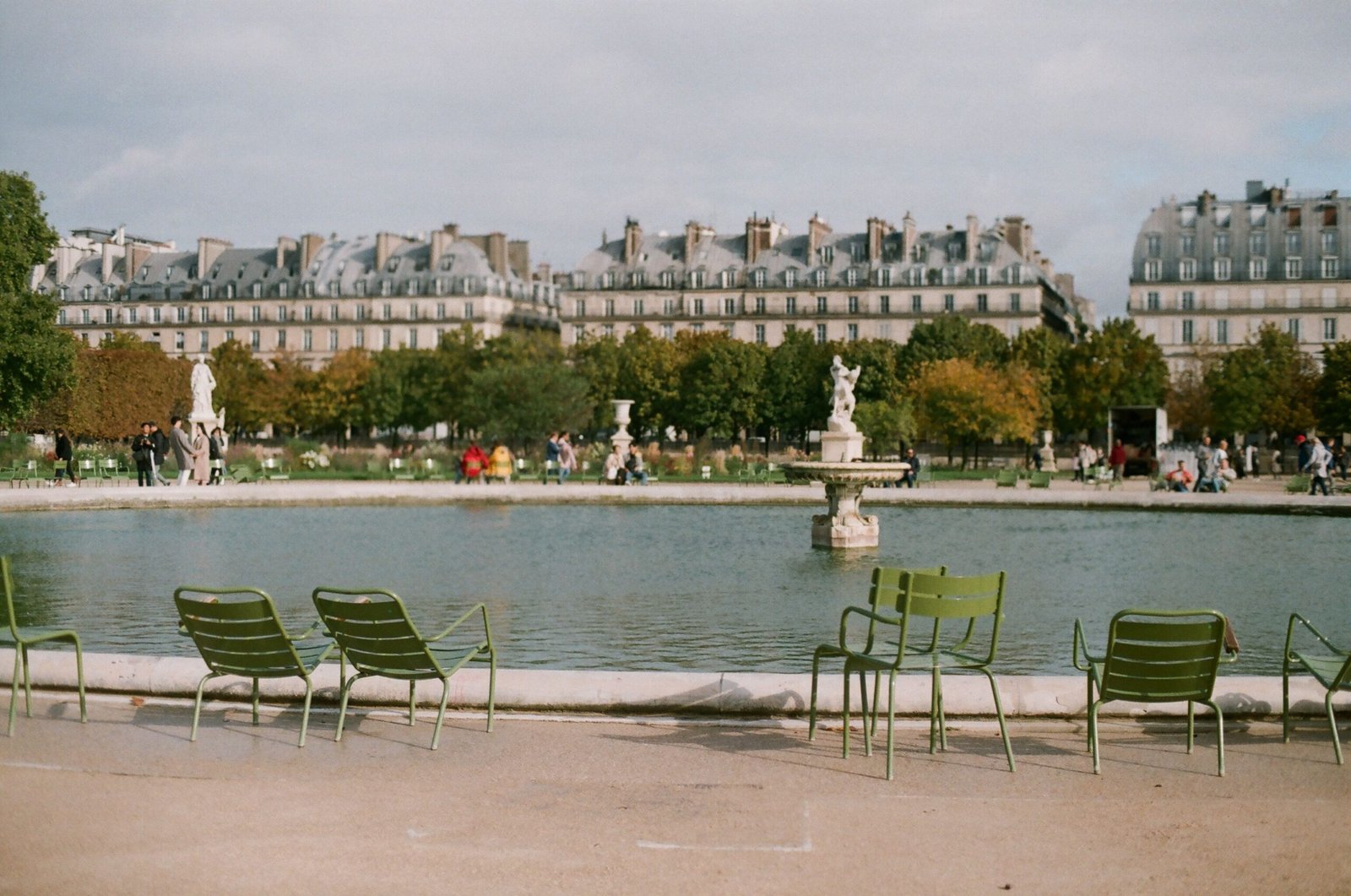
How much time should you set aside? For a quick visit, one hour is enough to cross the park and pause a bit by the fountain. If you want to sit, admire sculptures, step into the Musée de l’Orangerie, or use the garden as a real break in your day, plan for one to two hours without feeling rushed.
What to See and Do in the Tuileries Garden
Sit by the Grand Fountain and Watch the Park Come Alive
The strongest image of the Tuileries isn’t a single monument—it’s the whole scene: green chairs scattered around the bassin, kids pushing little sailboats, people resting after the Louvre, and an elegant coming-and-going that feels very Parisian without trying to pose for it. If you have to pick one single gesture to “feel” the park, I’d say grab a chair and spend a few minutes just looking. It sounds like little, but it’s exactly the kind of pause that takes Paris out of checklist mode.
Walk the Axis Between the Louvre and the Concorde
The park was designed to create perspective, and you notice it right away in the first more open stretch. As you walk the main axis, the city fits together almost like stage design: the Louvre behind you, the Concorde ahead, and further on, the sense that everything continues toward the Champs-Élysées.
Admire the Sculptures Without Rushing
The Tuileries isn’t just “a pretty park.” There are sculptures scattered along the path, and they change the experience by turning the walk into something more attentive. You move from a more open area to a more designed one, come across a statue, shift your angle, head back to the fountain, and realize how the garden blends classical order with very everyday use.

Use the Park as a Breather Between Museums
Lots of people arrive in Paris with days that are just too packed. The Tuileries Garden works perfectly as an antidote to that. Instead of leaving a museum and rushing to the next ticket, you let your body slow down, listen to the water, feel the gravel under your feet, and recharge without wasting time on a big commute.
Shoot Better Photos at the End of the Day
If your goal is to leave with beautiful photos, the best time isn’t the midday peak. The park gains more depth when the light softens and shadows trace the paths. The Concorde side gets especially photogenic at that hour, with the chairs, the fountains, and the flow of people appearing more naturally than in a posed shot in front of a single landmark.
What to Pair on the Same Day
The most obvious pairing is also the best: Tuileries + Louvre. It makes total sense because the garden almost works as the museum’s outdoor extension. You can visit the Louvre first and use the park as a break afterward, or do the reverse if you want to arrive at the museum more rested. The key is not to treat them as disconnected blocks. Once you notice that continuity, your day yields more and tires you less.
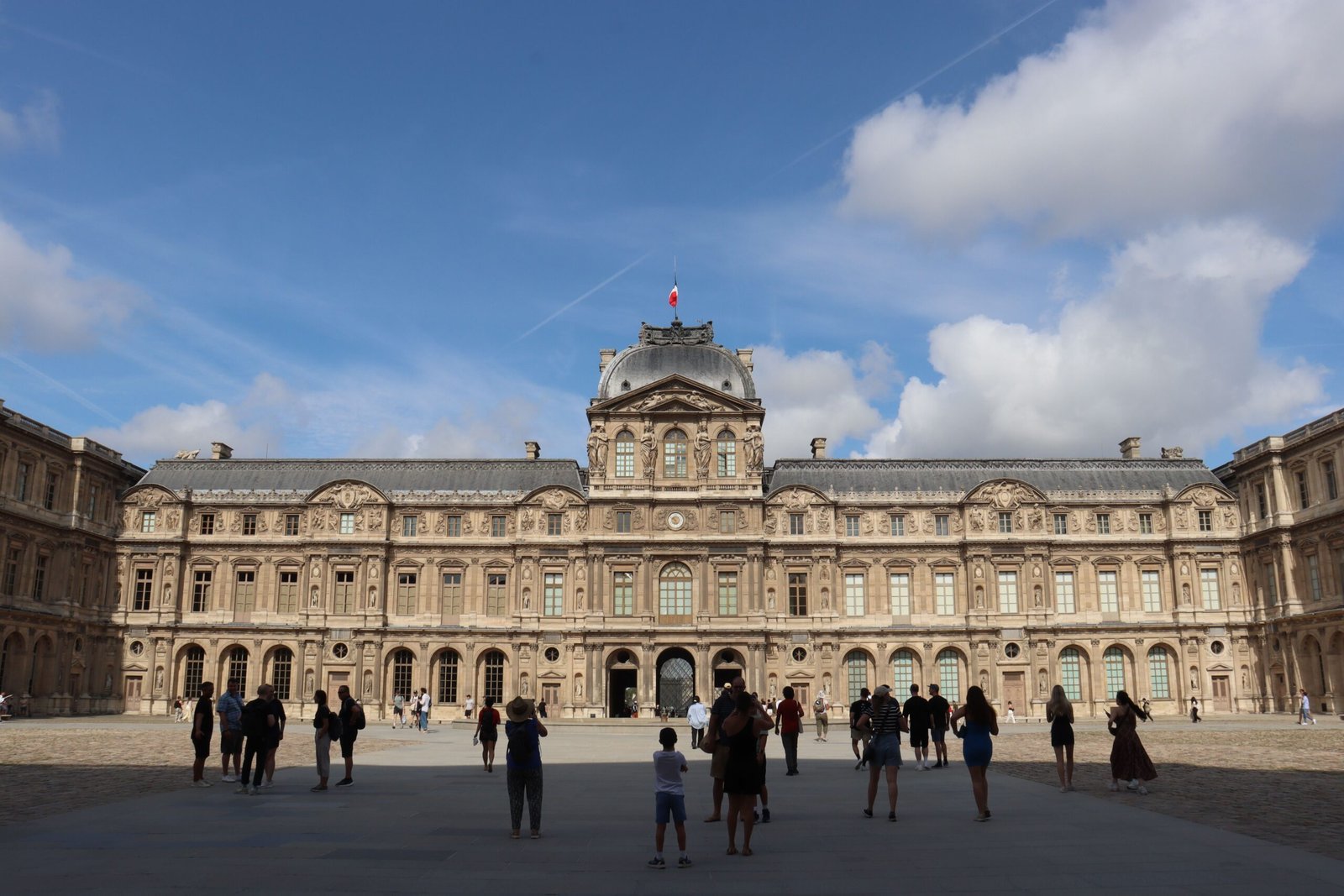
If you want to follow that logic, the best internal link on the site for planning the practical side is our article on the Louvre Museum: tickets, how to skip the lines, and what to see. It helps tie your itinerary together neatly and avoids that mistake of passing through the garden in a haze of exhaustion after a poorly planned day.
Another great combination includes the Place de la Concorde, the Musée de l’Orangerie, and a stretch of walking along the Champs-Élysées. All of it fits in the same quadrant of the city and creates a visually beautiful day without unnecessary metro transfers.
For those who enjoy crossing the city on foot, you can also connect the Tuileries to the Seine and head toward the Musée d’Orsay or the Palais-Royal. What I’d avoid is turning the park into a quick pit stop between two distant points.
Where to Eat Nearby
You don’t need to hunt down a destination restaurant to pair with the Tuileries. The best approach here is to keep it practical. If your visit comes after the Louvre, Rue de Rivoli and the area around Palais-Royal usually do the trick with cafés, sandwiches that are better than they look, and simple meals that won’t hijack the rest of your day. If you exit on the Concorde side, the area around the Madeleine and its side streets offers more classic bistro and café options.
Here’s how I’d play it: if your day still has a museum or a long walk ahead, go for a no-fuss lunch. If the park is your late-afternoon breather, then by all means linger at a café and stretch out that feeling of giving your itinerary a real pause. The Tuileries fits that logic of eating well and moving on light much better than long, drawn-out meals in the middle of your plans.
Practical Tips and My Take
The first tip is simple: don’t treat the Tuileries Garden as “just a park on the way.” A lot of people glance at the map, see that green rectangle between the Louvre and Concorde, and assume they’ll simply cut across it. When they do that, they miss the best part of the experience. The park is worth a visit on its own because it shifts the rhythm of your day and shows you a side of Paris that feels less cramped and less crowded than the more obvious monuments.
The second tip is to pay attention to timing. If you want the garden at its calmest, try arriving early or late in the afternoon. If it’s really hot, take your break in the chairs by the pond and bring water. Since the space is open and the gravel reflects a lot of light, your comfort level changes a lot depending on the weather.
The third tip is to use the garden smartly within your itinerary. It’s excellent for anyone who wants to fit in major attractions without feeling like they spent the whole day in line or inside a closed space. For me, that’s the main reason to include the Tuileries even on a first trip: you get a stretch of Paris that requires no ticket, no rush, and still makes the rest of your day run smoother.
In my opinion, the Tuileries Garden is especially worth it for three types of travelers: those who love wandering without a fixed plan, those who want to rest between museums, and those who enjoy watching the city unfold rather than just collecting selfies in front of famous landmarks.
FAQ
Is the Tuileries Garden worth it even for someone spending only a short time in Paris?
Yes, it is. Precisely because it’s central, free, and easy to pair with the Louvre and Concorde, it delivers a lot without requiring a dedicated trip.
How much time should I set aside for the Tuileries Garden?
An hour covers a quick stroll; between one and two hours works better for sitting, walking at a relaxed pace, and fitting in a nearby visit.
How do I get to the Tuileries Garden from central Paris?
The simplest way is to take Metro Line 1 to Tuileries or Concorde. If you’re already at Châtelet, the Louvre, or near the Seine, walking is usually easy too.
Is the Tuileries Garden paid?
No. The park is a public garden and entry is free.
Can I combine the Tuileries and the Louvre in the same day without rushing?
Yes, and it’s the best combination. The garden works as a natural pause before or after the museum.
If you want a piece of Paris that delivers beauty, a perfect location, and a real breather in the middle of your trip, the Tuileries Garden plays that role like few others. It doesn’t shout, it doesn’t compete for attention, but it makes your day better in a very clear way when you step in without rushing.