Yes, the Musée de l’Orangerie is worth it if you want to experience a powerful slice of Parisian art without tackling a massive museum, endless lines, and the kind of exhaustion you’d expect at the Louvre. It’s especially great if you want to see Monet’s Water Lilies in peace, prefer a more intimate museum, and want to fit it into a day exploring the Tuileries, Concorde, and Orsay without sacrificing half your day.
The key thing to know is this: the Orangerie isn’t the most comprehensive museum in Paris, but it might be one of the most well-rounded stops for a short sightseeing itinerary. If you’re after a focused, beautiful experience that’s easy to pair with some time outdoors, it tends to deliver more than most people expect. If your goal is to spend hours wandering through massive collections, the Louvre or the d’Orsay might be a better fit for you.

Dica: Aproveite também para fazer estes passeios em Paris
Tour pelo exterior da catedral de Notre Dame + Ingresso da cripta . Duração: 2 horas
Disneyland Paris Duração: 3 horas ou mais
Passeio de barco pelo Sena. Duração: 1h
Ingresso do 3º andar da Torre Eiffel. Duração: 2 a 3 horas
Ingresso do Palácio de Versalhes. Duração: 2 a 3 horas
Veja mais passeio em Paris aqui.
Who It’s Worth It For
The visit makes the most sense for three types of travelers. First, those who love Monet or at least want to see one of the most iconic Impressionist experiences in Paris up close. The oval rooms of the Water Lilies are the main reason to go, and that changes the tone of the visit—you’re not there to “tackle a collection,” but to truly observe a work on an immersive scale.
The second type is the traveler who wants a strong museum but doesn’t want to repeat the fatigue of the big institutions. The Orangerie fits better into a day where you still want to stroll through the Tuileries, head over to the Place de la Concorde, or cross the Seine for another activity. It weighs less on your itinerary, which makes it work really well on shorter trips.
The third type is anyone who needs a solid plan for a rainy day or a shorter afternoon. In that scenario, the museum becomes even more valuable. On the other hand, if you’re traveling with very energetic young kids or looking for a super interactive visit, I’d be cautious: the Orangerie is more contemplative than fun. It can work, but it’s not the kind of museum that will hold anyone’s attention for two hours without effort.
What to See or Do There
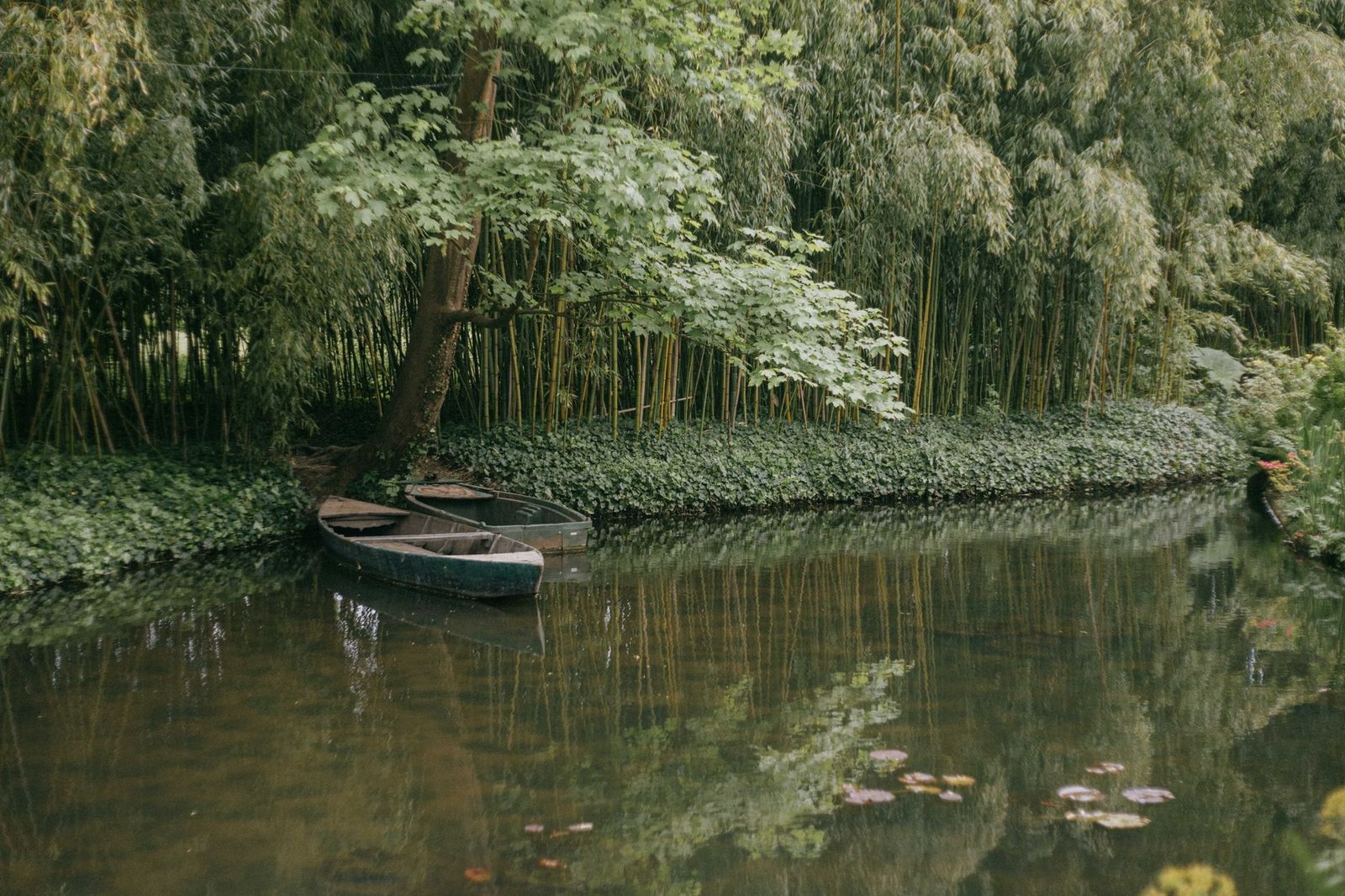
The heart of the visit is Claude Monet’s Water Lilies. They occupy rooms designed specifically for this series and demand a slower pace than the average sightseeing itinerary. This isn’t a museum to rush through. The best way to use your ticket is to stop for a few minutes, walk around the space, and let the work sink in without checklist anxiety.
After Monet, the museum still rewards those who enjoy late 19th- and early 20th-century art without getting lost in miles of galleries. The collection helps round out the visit with major names and a more manageable selection than the d’Orsay. In practice, that means a visit with high density and low fatigue.
The honest trade-off is this: if you want monumental variety, an encyclopedic collection, and that “total museum” feeling, the Orangerie might feel too small. Its strength lies precisely in not trying to compete with that. It pays off when your goal isn’t to see everything, but to see a specific part of French and Impressionist art very well.
How Much Time to Spend
For most travelers, setting aside between 1 hour and 1.5 hours makes more sense than blocking out an entire morning. That’s usually enough time to see the Water Lilies calmly, check out the other highlights, and leave without feeling rushed. If you like to take your time observing the art, you can stretch it a bit, but the Orangerie rarely demands the same logistical stamina as the Louvre or Versailles.
If your trip is tight, think of it as a “high return per minute” museum. That’s one of its biggest strengths. Instead of eating up a whole half-day, it fits nicely into a mixed day—museum in the morning, walk afterward, or the other way around.
How to Fit It Into Your Itinerary
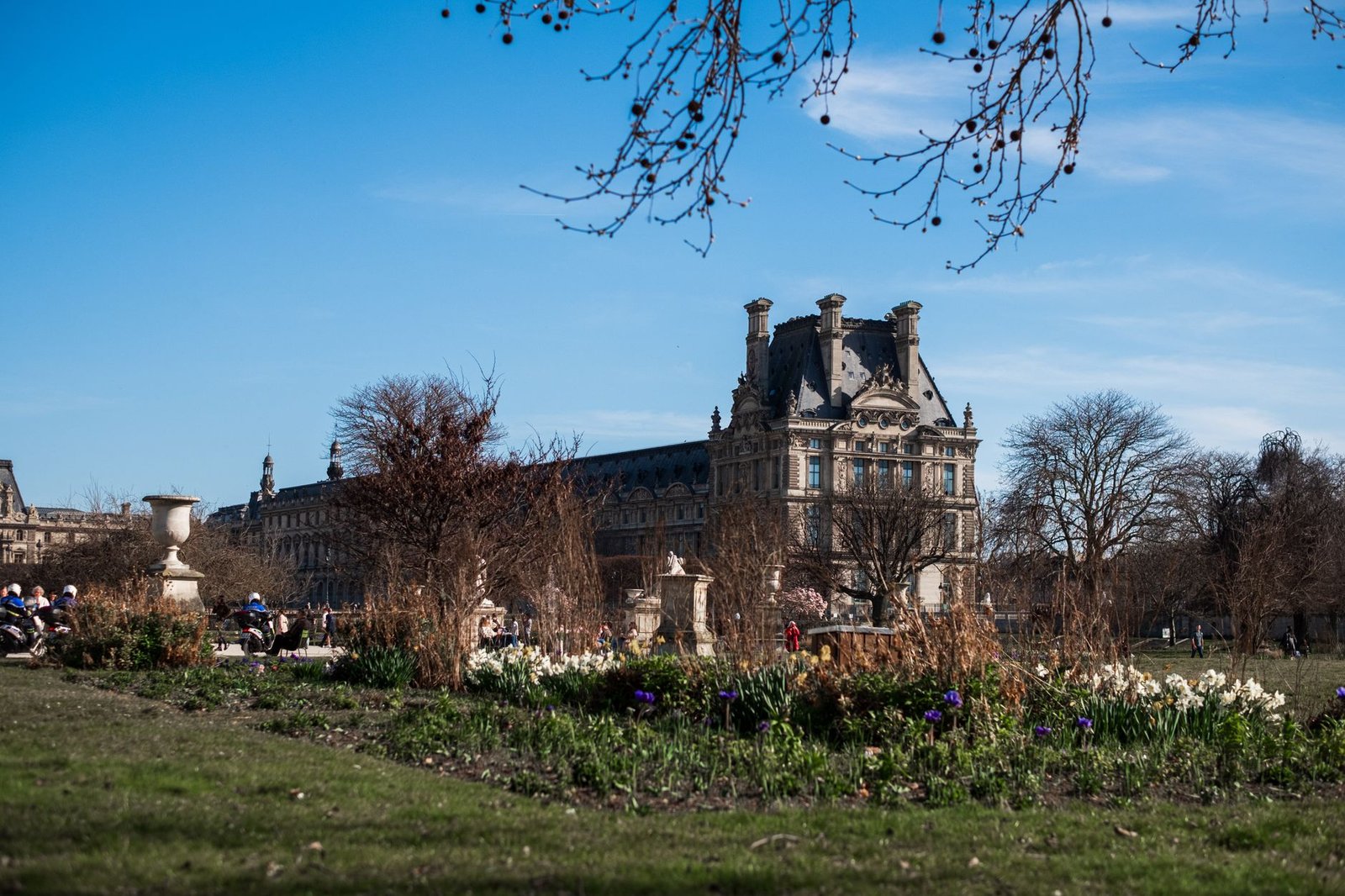
The most natural pairing is with the Tuileries Garden. The museum is located right in the garden, on the Seine side near Concorde, so the combination feels organic: you visit the Orangerie, take a stroll outdoors, and continue on without wasted travel time. For anyone who likes mixing indoor and outdoor activities, it’s one of the most efficient stops in central Paris.
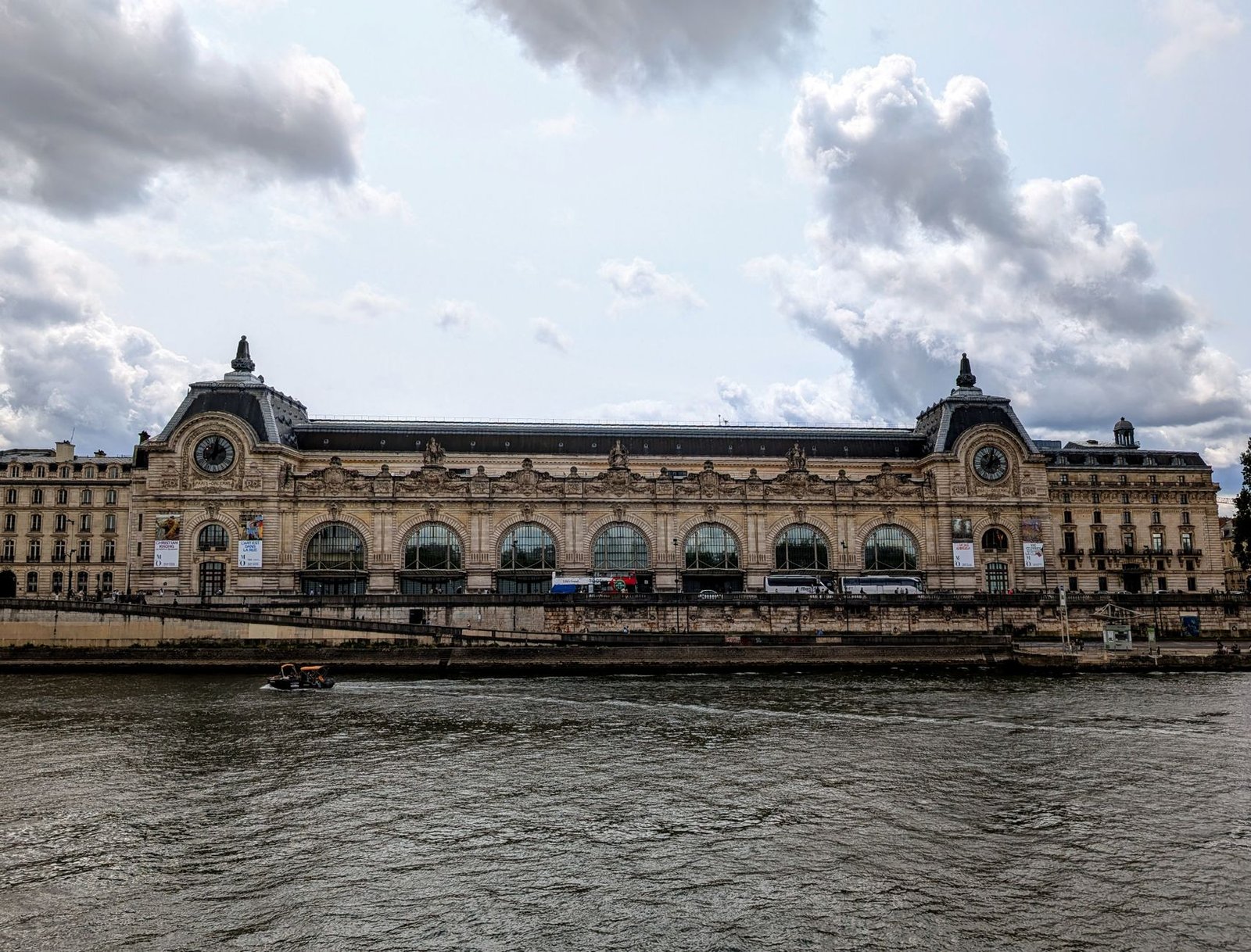
Another smart combo is pairing the Orangerie with the d’Orsay on the same day, but only if you know it changes the fatigue level. The official combined ticket exists and, based on a check on June 29, 2026, was priced at 20 euros. Financially, it can be a good deal. Energy-wise, it depends on your style. If you want to do this double-header, it’s worth reading our guide on what to see at the Musée d’Orsay in 2 hours first, because it helps keep the day from turning into a marathon.
If you’re torn between the Orangerie and the Louvre, I’d use a simple rule. If you want to see a grand Parisian classic with almost infinite scope, the Louvre is still the natural choice. If you want a short, elegant, and less exhausting visit, the Orangerie is more likely to fit the bill. Our guide to the Louvre Museum is a big help for that comparison.
How to Get There or Access
According to the official access page consulted on June 29, 2026, the museum’s address is Jardin des Tuileries, Place de la Concorde, Seine side, in the 1st arrondissement. In practice, that means it’s in one of the easiest areas to reach on foot if you’re already between the Louvre, Rivoli, Concorde, and the riverbank.
The officially recommended metro stop is Concorde, on lines 1, 8, and 12. It’s a simple arrival for almost anyone using the city’s central axis. If you prefer to minimize transfers, that detail helps a lot. There’s also the advantage of leaving the museum and continuing your day without needing new transport, which really improves the experience on a busy day.
If accessibility is a deciding factor for your planning, the best move is to check the official access page before your visit. The museum publishes specific instructions for reduced mobility, adapted parking, and entry procedures, and that’s worth more than any generic summary.
Best Time, Season, or Visit Strategy
As of this writing, the official regular hours are 9 AM to 6 PM, with last entry at 5:15 PM and the galleries closing at 5:45 PM. That has a clear practical implication: leaving it for “the end of the day” only works if you arrive with real buffer time. A lot of people look at the closing time and forget that entry ends earlier.
Another important rule is that the museum is regularly closed on Tuesdays. It’s also worth knowing that the official page mentions late-night opening until 9 PM on Fridays during exhibition periods, with reduced admission after 6 PM. Since that depends on the schedule, I’d treat it as a possible bonus, not the foundation of your plan.
My favorite strategy for the Orangerie is to go early or in the early afternoon, when you can still see the museum with a fresh mind and then enjoy the surroundings. It pays off less when it becomes a last-minute add-on to an already packed day. In a city with so much sensory overload, your chances of loving the Orangerie go up when you arrive with a calm mindset.
Practical Tips to Avoid Tourist Mistakes
The first tip is not to buy tickets from just any site promising a miracle skip-the-line deal. The museum itself warns against fraud and recommends using the official ticket office. This matters because the Orangerie is small enough to seem like a simple visit, and that’s exactly why a lot of people get careless with their purchase.
The second is understanding when free admission changes your strategy. On the first Sunday of the month, entry is free for everyone, but booking a time slot online is still mandatory. If you have a Paris Museum Pass, entry is accepted, and the museum strongly recommends booking. In other words, “free” doesn’t mean “show up without a plan.”
The third thing is to adjust your expectations. If you want a short, sophisticated, and focused visit, the Orangerie can be one of the best choices in central Paris. If you’re expecting a giant museum, packed with wings and that feeling of endless discovery, it might not deliver what you imagine. This simple adjustment prevents frustration and genuinely improves your decision.
Surroundings or Smart Combinations
Almost no museum in Paris benefits as much from its immediate surroundings. Leaving the Orangerie, you can continue through the Tuileries, head to the Place de la Concorde, cross the Seine toward the Musée d’Orsay, or simply use the garden as a way to decompress. This makes a difference because the visit doesn’t end at the door: it naturally extends into one of the most pleasant stretches of the city.
If you’re after an elegant, unhurried day, I’d do Orangerie + Tuileries + Concorde. If you want to double down on the art side, Orangerie + Musée d’Orsay works better. If you’re on a day when the museum is just one part of the outing, the axis with Rue de Rivoli and the Louvre still allows for adjustments without wasting time. The secret is not to treat the Orangerie as a standalone visit, but as a piece of a very well-connected central itinerary.
Final Summary with an Honest Recommendation
The Musée de l’Orangerie is well worth it for anyone who wants a strong, short, and easy-to-fit artistic visit. It doesn’t replace the Louvre, nor does it try to compete with the scale of the Musée d’Orsay. What it delivers is something else: a more concentrated, less tiring experience that’s perfectly positioned on a central Paris itinerary.
If you love Monet, want a solid plan for a rainy day, or need a museum with a high payoff in a short amount of time, I’d include it. If your trip calls for a massive collection and a long, deep dive, it might work better as a complement than as the sole star. This is the kind of visit that works best when your expectations are in the right place.