Île Saint-Louis: what to do in one of the calmest corners of central Paris? Stroll leisurely down Rue Saint-Louis-en-l’Île, step into a baroque church, stop for ice cream, and follow the quays along the Seine. The island sits in the 4th arrondissement, right next to Notre-Dame, and works best as a two-to-three-hour breather between more crowded sights.
Île Saint-Louis is small, residential, and easy to explore on foot: the plan is to admire the 17th- and 18th-century hôtels particuliers, loop around the quays, and connect your walk to Île de la Cité or the Latin Quarter. There’s no ticket to enter the island; the best approach is to take the metro to Pont Marie and save time to get lost in the streets.
How to get to Île Saint-Louis
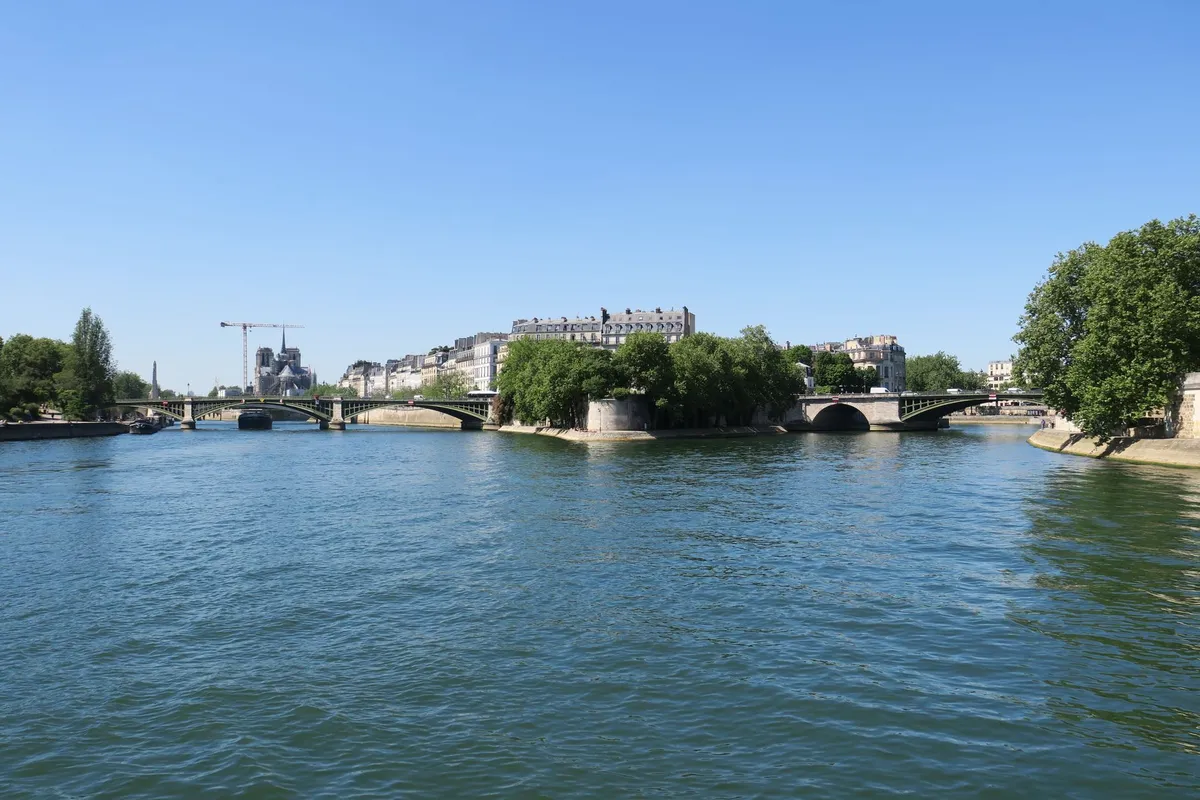
The Pont Marie–Cité des Arts station on line 7 is the most direct option for Île Saint-Louis; from there, you cross the Pont Marie and quickly reach Rue Saint-Louis-en-l’Île. Coming from Notre-Dame, you can walk across the Pont Saint-Louis, and if you’re in the Latin Quarter, you’ll arrive via the Pont de la Tournelle.
Dica: Aproveite também para fazer estes passeios em Paris
Tour pelo exterior da catedral de Notre Dame + Ingresso da cripta . Duração: 2 horas
Disneyland Paris Duração: 3 horas ou mais
Passeio de barco pelo Sena. Duração: 1h
Ingresso do 3º andar da Torre Eiffel. Duração: 2 a 3 horas
Ingresso do Palácio de Versalhes. Duração: 2 a 3 horas
Veja mais passeio em Paris aqui.
From the Latin Quarter in Paris, the walk takes about 15 minutes, depending on where you start. Taxis and cars don’t improve the experience much: the streets are narrow, and the visit is meant to be done on foot. The Paris tourism office’s page notes that the island is open-access, 24 hours a day; transportation and businesses, of course, have their own hours.
Best time and how long to reserve
Two to three hours are enough to explore Île Saint-Louis at a relaxed pace; set aside half a day if you want to combine it with Notre-Dame, Île de la Cité, and the Seine’s banks. Early morning brings quieter streets; late afternoon, the light on the quays and facades is usually the reward.
Spring and early fall make the walk more comfortable. In summer, bring water and accept that ice cream lines can grow; in winter, the island stays beautiful, but the outing calls for café breaks. The secret is not to treat it as a checklist attraction: it pays off more between two scheduled commitments.
What to see and do on Île Saint-Louis
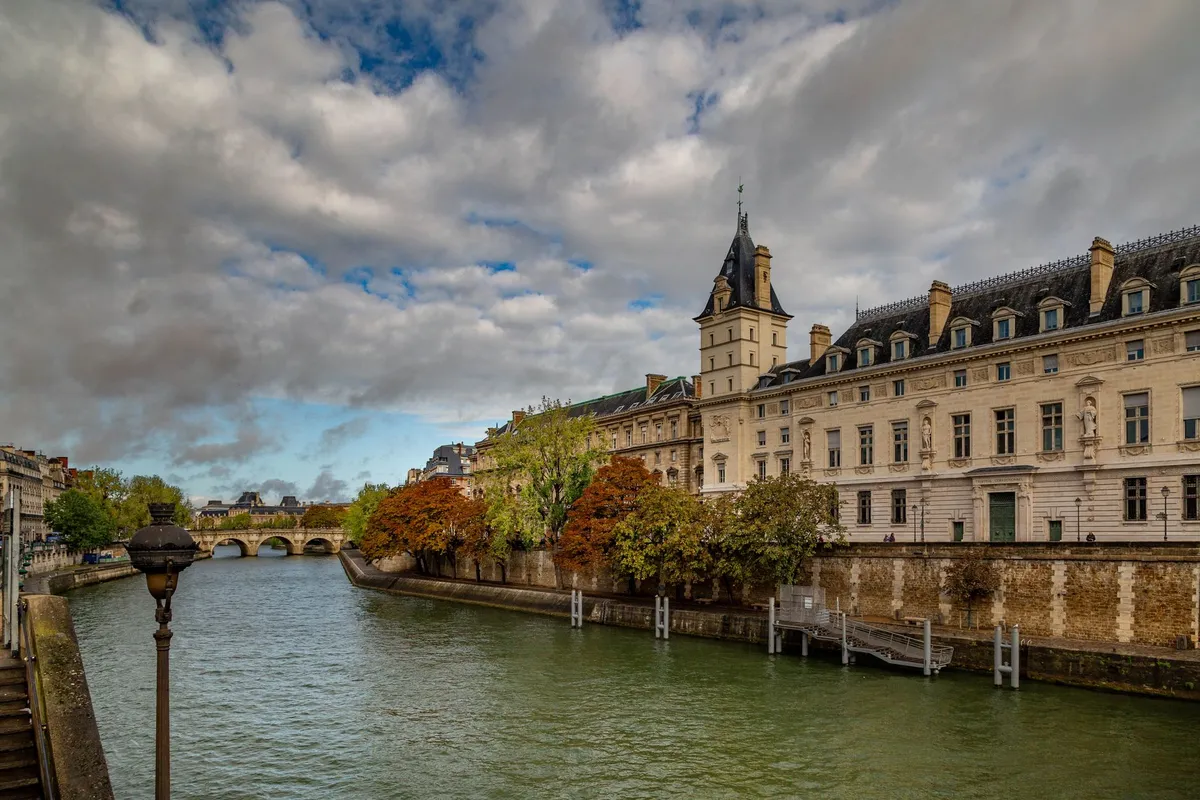
The best of Île Saint-Louis lies in the whole: stone facades, monumental doors, quays without too many shopfronts, and the feeling of being in central Paris without the crowd pressure. The island was developed in the 17th century from islets once used as pasture; the City of Paris tells this transformation and notes that the current name has referred to Louis IX since 1725.
Île Saint-Louis: what to do on a walking itinerary
To decide what to do on Île Saint-Louis, first walk Rue Saint-Louis-en-l’Île from end to end, then head down to Quai d’Orléans and come back along Quai de Béthune. This loop takes about an hour without stops; with the church, ice cream, and photos, it turns into a full morning or afternoon without needing to book anything.
The right pace is simple: start at Pont Marie, admire the gates of the old hôtels particuliers, continue to the church, and save the food stop for halfway through. Then walk along the southern edge, where you can see the Left Bank, and cross the Pont de la Tournelle if you want to continue into the Latin Quarter. There’s no hidden “main attraction”: the value lies precisely in the sequence of urban details that reveal themselves as you walk.
Traveling with kids or short on time? Focus the outing on the main street and the two nearby quays. Architecture lovers should look up at the facades, windows, and courtyards; most buildings are private residences, so the rule is to admire without trying to enter. That discretion is part of the island’s character and helps keep the visit pleasant.
Rue Saint-Louis-en-l’Île and the side streets
The main street is home to bakeries, small shops, and spots for a break. Instead of treating it as a corridor, duck into the side lanes: Quai d’Orléans, Quai de Béthune, and Quai d’Anjou reveal different angles of the river and buildings that help explain why the island has kept its residential vibe.
Église Saint-Louis-en-l’Île
The church with its dome and twisted tower sits on the main street. It’s worth stopping in to see the baroque interior and checking opening and mass times on the parish website, as they can change with the religious calendar.
Pont de la Tournelle and the quays
Reach the Pont de la Tournelle to see Notre-Dame from another angle and continue along Quai de la Tournelle. On the opposite side, the Pont Marie closes a beautiful loop. Do the circuit along the water, not just the central street: the quays are the most photogenic and least obvious part of the route.
What to pair on the same day
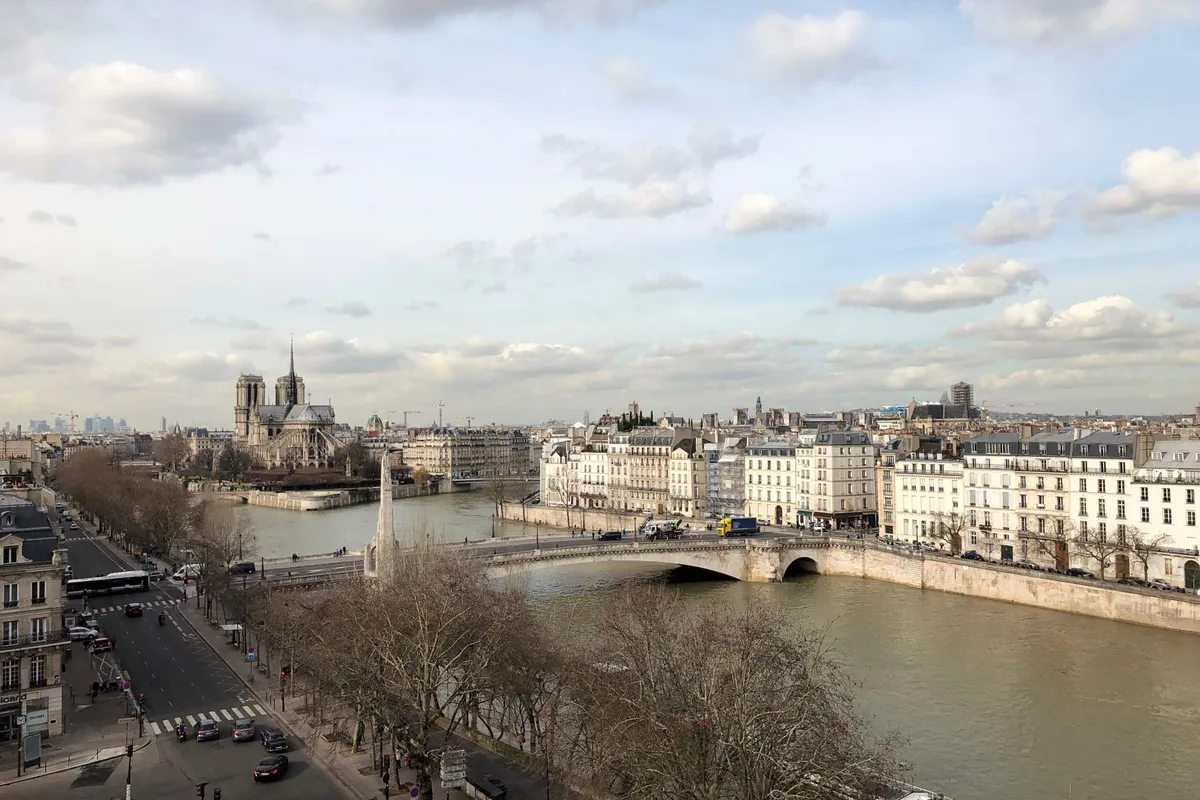
Île Saint-Louis naturally pairs with Notre-Dame, Île de la Cité, and the Latin Quarter. If your day started at the cathedral, cross the Pont Saint-Louis, have lunch on the island, and end toward the Panthéon; check out our guide to the Panthéon in Paris to fit in the visit.
Another simple combo is ending the walk on the river. Our guide to Seine river cruises explains how to choose this add-on and enjoy the view of both sides of the island at the end of the day, when you already know the banks on foot.
Where to eat: ice cream, coffee, and a quick break
Eating on Île Saint-Louis is more about a pause than a full food tour. Maison Berthillon is the island’s historic ice cream reference; check the hours of your chosen shop before going, as locations and resellers may operate differently. Bakeries and cafés on Rue Saint-Louis-en-l’Île handle a snack without taking you off course.
If you prefer lunch with more options, cross over to the Latin Quarter. That way, you avoid impulsively picking a touristy table on the main street and keep the island as a light walk. For ice cream, go outside the mid-afternoon peak or accept the line as part of the stop.
Where to stay near Île Saint-Louis
Staying near Île Saint-Louis means paying for the central location and gaining easy walks to Notre-Dame, the Marais, and the Latin Quarter. The island itself is small with limited options; the 4th arrondissement and the nearby Left Bank usually offer more choices.
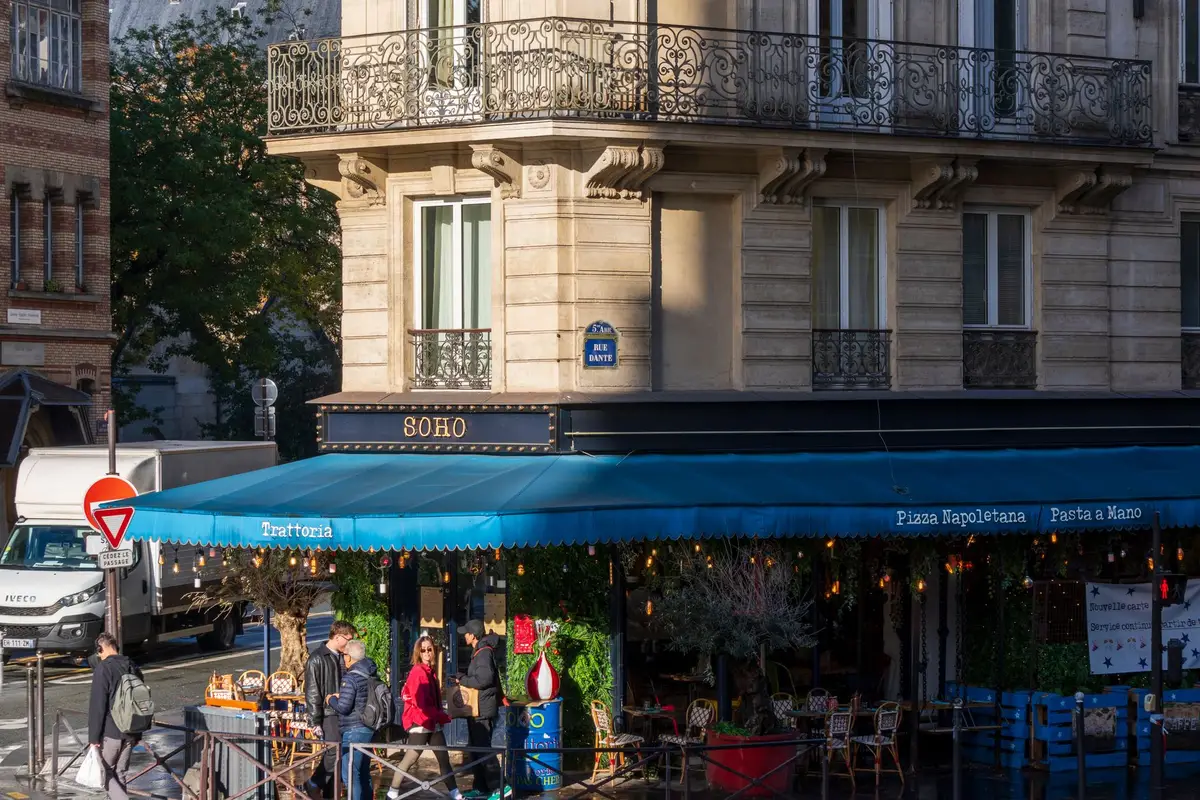
To decide between neighborhoods, compare evening commutes, metro stations, and budget. If you want a neighborhood feel, look at the Latin Quarter; if restaurants and the Marais are your priority, stay closer to the Right Bank. The choice should follow your itinerary, not just the view from the window.
Practical tips for enjoying the island
Wear comfortable shoes: the charm lies in strolling along the quays and narrow streets. Bring a light jacket even on clear days, because the wind on the Seine picks up quickly. Public restrooms and services aren’t as concentrated as at major attractions, so take your breaks before starting the full loop.
If you plan to take photos, prefer the early morning and keep an eye out for bicycles and residents on the sidewalks. At dusk, the surrounding lighting is beautiful, but shops close at varying times. Check the address you want to visit on the day of your visit, especially on Sundays and French holidays. For Brazilians, France is part of the Schengen Area: entry rules, insurance, and documentation should be checked with consular channels before your trip.
Don’t confuse Île Saint-Louis with Île de la Cité: they’re neighbors, connected by the Pont Saint-Louis, but they offer different experiences. The former is a stroll of facades and riverbanks; the latter is home to Notre-Dame and other monuments. Start at Île de la Cité if you have a timed reservation and save Île Saint-Louis for the part of your day with no clock watching.
Before heading out, save the map offline and leave some breathing room in your itinerary. Île Saint-Louis doesn’t need to be rushed: an extra stop on a bench facing the Seine usually pays off more than adding another distant attraction to the same day.
Frequently Asked Questions
What to do on Île Saint-Louis?
On Île Saint-Louis, walk along Rue Saint-Louis-en-l’Île, step inside Église Saint-Louis-en-l’Île, stroll the quays, and try an ice cream. The island is free to visit and is best explored without a rigid plan, in two or three hours.
How to get to Île Saint-Louis by metro?
The Pont Marie–Cité des Arts station on line 7 is the most convenient for Île Saint-Louis. To arrive from the other side, use the Saint-Michel or Cardinal Lemoine area and cross the bridges on foot.
Is Île Saint-Louis worth visiting?
Île Saint-Louis is worth visiting if you’re looking for a peaceful walk in Paris’s historic center. It complements Notre-Dame and the Latin Quarter, but it doesn’t replace attractions with museums, guided tours, or extensive programming.
What’s the difference between Île Saint-Louis and Île de la Cité?
Île Saint-Louis is more residential, known for its quays, facades, and Rue Saint-Louis-en-l’Île. Île de la Cité is home to Notre-Dame Cathedral, Sainte-Chapelle, and other historic landmarks.
Conclusion
Île Saint-Louis delivers a quieter Paris just minutes from major monuments. Save this itinerary from the Eiffel Tower, fit the island between the cathedral and the Latin Quarter, and give the walk the time it asks for.
For a Paris of viewpoints, street art, and neighborhood food, also add Belleville in Paris to your itinerary.