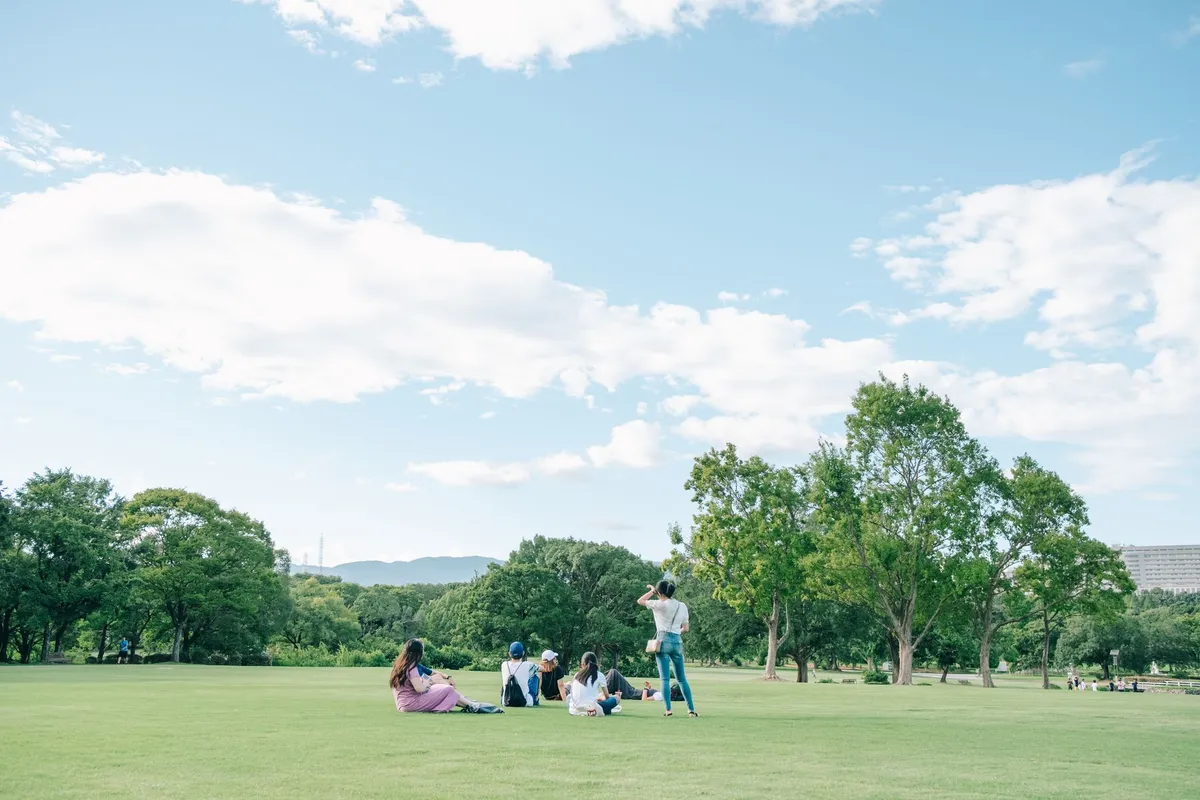
The Parc de la Villette covers 55 hectares in northern Paris, in the 19th arrondissement, and is the city’s largest urban park after the Bois de Boulogne and the Bois de Vincennes. Inside, you’ll find the Cité des Sciences et de l’Industrie (Europe’s largest science museum), the Philharmonie de Paris with its concert hall and musical instrument museum, the spherical cinema La Géode, the Le Zénith concert arena, and a series of themed gardens with playgrounds. If you’re stepping off the Eiffel Tower-Louvre-Champs-Élysées circuit, you’ll find a full day of activities here without repeating anything from the historic center.
Parc de la Villette combines science, music, and green space all in one place: the Cité des Sciences for an interactive museum, the Philharmonie and the Cité de la Musique for concerts and instruments, and ten free themed gardens for strolling between attractions—all connected by metro in less than 30 minutes from the center.
How to get to Parc de la Villette
The easiest way is to get off at Porte de la Villette or Porte de Pantin station, both on metro line 5, with exits just a few minutes’ walk from the main pavilions. Coming from the Eiffel Tower area or the Marais, you’ll transfer once and arrive in about 30 to 40 minutes. Porte de Pantin station is closer to the Philharmonie and the Cité de la Musique, while Porte de la Villette drops you right at the entrance to the Cité des Sciences and the Géode. Buses 75 and 151 also serve the area if you prefer to see the city along the way, operated by RATP. For those coming from Gare du Nord or Gare de l’Est, the trip is even shorter, making the park a great stop right upon arrival or before catching a train out of Paris.
Dica: Aproveite também para fazer estes passeios em Paris
Tour pelo exterior da catedral de Notre Dame + Ingresso da cripta . Duração: 2 horas
Disneyland Paris Duração: 3 horas ou mais
Passeio de barco pelo Sena. Duração: 1h
Ingresso do 3º andar da Torre Eiffel. Duração: 2 a 3 horas
Ingresso do Palácio de Versalhes. Duração: 2 a 3 horas
Veja mais passeio em Paris aqui.
Best time to visit and how long to stay
The park is open year-round, but the experience changes quite a bit with the seasons. In summer (June to August), the lawns fill up for picnics and the park hosts the Cinéma en Plein Air, free outdoor movie screenings on a giant screen on July and August nights. In winter, the focus naturally shifts to the Cité des Sciences and the Philharmonie, both indoors. Set aside half a day (4 to 5 hours) just for the Cité des Sciences, or a full day if you want to add an evening concert at the Philharmonie or a show at the Zénith. In spring (March to May), the park tends to be emptier than in summer and still has pleasant weather for walking between the gardens—a good window if you want to avoid both winter’s chill and the July and August crowds.
What to see at Parc de la Villette
The park is organized around three main hubs: science, music, and gardens. Each one operates independently, so you can pick just what interests you without feeling like you’re missing out on the rest.
Cité des Sciences et de l’Industrie
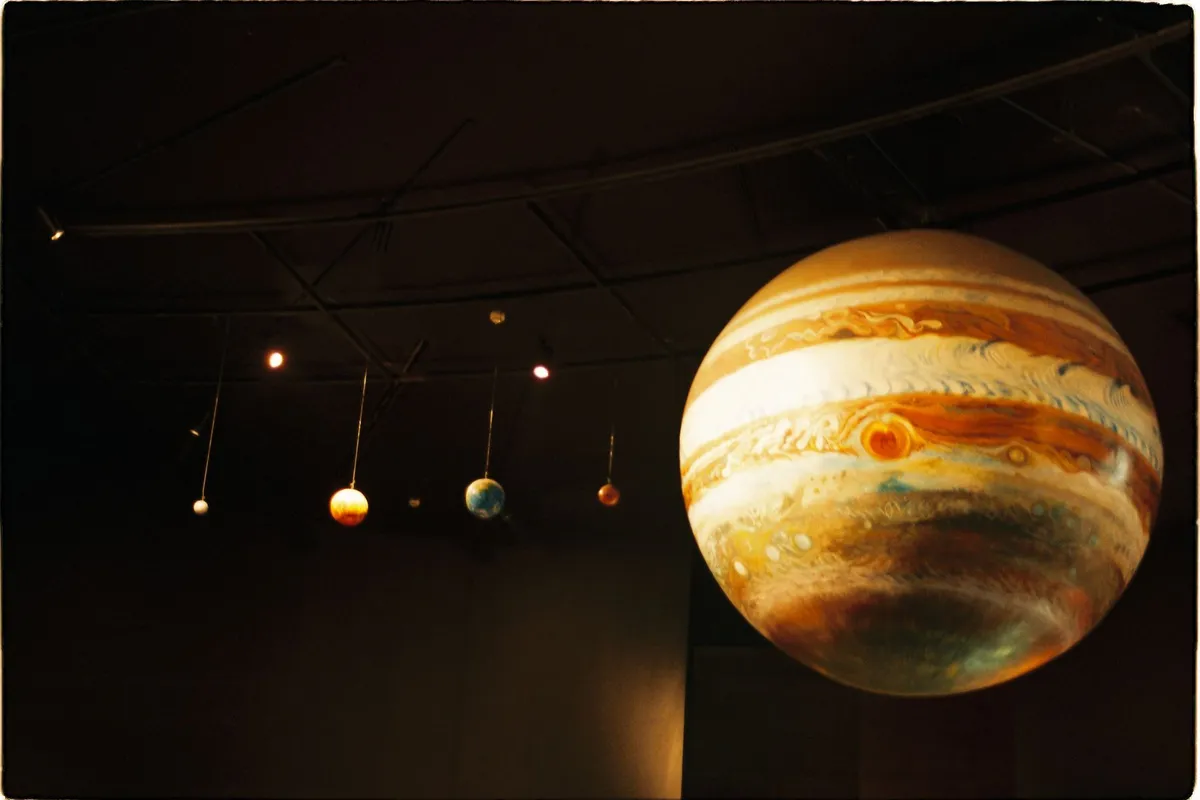
It’s Europe’s largest science museum, with permanent exhibits on space, the human body, sound, and image, plus a planetarium. The Cité des Enfants, inside the same building, is an interactive area designed for kids aged 2 to 12—book a time slot in advance on busy days, as entry is by session. The museum also has a separate planetarium with sessions on astronomy and the solar system, and a permanent section dedicated to space exploration, with replicas of satellites and suits used in real missions. Up-to-date hours and temporary exhibits are always available on the Cité des Sciences official website.
La Géode
The spherical IMAX cinema sits right next to the Cité des Sciences and screens documentaries and films in a 180-degree panoramic format. Sessions last between 40 minutes and 1 hour and work as a standalone activity, with a ticket separate from the museum.
Philharmonie de Paris and Cité de la Musique
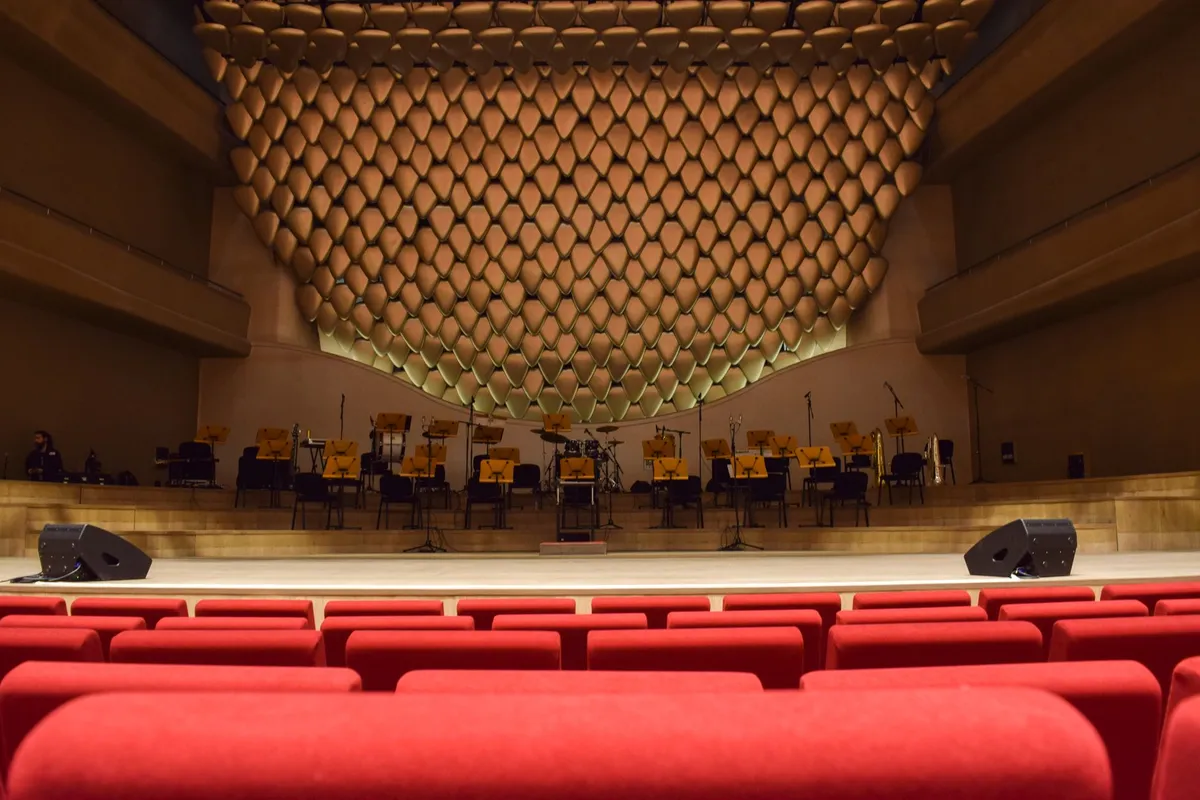
The Philharmonie de Paris is home to the Orchestre de Paris and hosts classical and contemporary music concerts throughout the year. The Cité de la Musique, in the same complex, houses a museum of antique and contemporary musical instruments, with pieces ranging from Baroque instruments to electric guitars. The Philharmonie’s program changes month to month and covers everything from classical symphony orchestras to jazz and contemporary music—it’s worth checking the schedule directly on the Philharmonie de Paris website before deciding on your travel dates, especially if you’re aiming to catch a specific concert.
Themed gardens and Le Zénith
Ten free themed gardens crisscross the park, including the Jardin des Dragons (with a giant dragon-shaped slide), the Jardin des Dunes et du Vent, and the Jardin du Mouvement. Le Zénith is the park’s concert arena, with a capacity of around 6,300 people, and hosts pop, rock, and electronic music performances throughout the year—check the lineup before your trip, as shows change month to month. Unlike the Philharmonie, the Zénith mainly features pop and electronic artists, making it the right choice for a more casual show within the same complex.
What to combine with your visit
Parc de la Villette sits on the same metro line as the Canal de l’Ourcq, a quieter, less touristy extension of the Canal Saint-Martin—you can walk or bike along the water after the Cité des Sciences. If you prefer a neighborhood contrast, head to Belleville, with its views and street art, just a few stops away.
Where to eat at Parc de la Villette
The park has restaurant and café options inside the Cité des Sciences and near the Philharmonie, but a good chunk of the lunch crowd opts for the seasonal food trucks and kiosks that set up on the lawns in summer. In the winter months, the number of kiosks drops significantly, so visitors between November and February are better off bringing a snack from home or eating inside the Cité des Sciences. Bringing a picnic is a common and welcome option—the grand lawns were designed precisely for that, with benches and tree shade scattered across the grounds.
Where to Stay Nearby
The area around Parc de la Villette, in the 19th arrondissement, offers more affordable lodging than central Paris, with the bonus of metro line 5 connecting directly to spots like Bastille and Gare d’Austerlitz. It’s not the most central base for those hoping to see the Eiffel Tower and the Louvre on foot, but it works well for travelers who prioritize cost and plan to rely on the metro as their main way of getting around. This area is also worth considering if you’re heading to an evening show at the Zénith or a concert at the Philharmonie, since it saves you the late-night trek back to the center.
If you enjoy this style of outdoor outing away from the center, you might also want to check out the Bois de Vincennes, on the other side of the city — another large park with a castle, a rowboat lake, and bike paths, perfect for a day that breaks up the museum circuit.
Practical Tips
Book your Cité des Sciences tickets in advance on the official website during French school holidays, when local families pack the museum. The park itself — lawns and gardens — is free and open all day; only the pavilions (Cité des Sciences, Géode, Philharmonie, Zénith) charge separate admission. On show nights at the Zénith, the Porte de Pantin station gets noticeably busier late in the evening — if you can, leave a little before the end to beat the biggest metro lines.
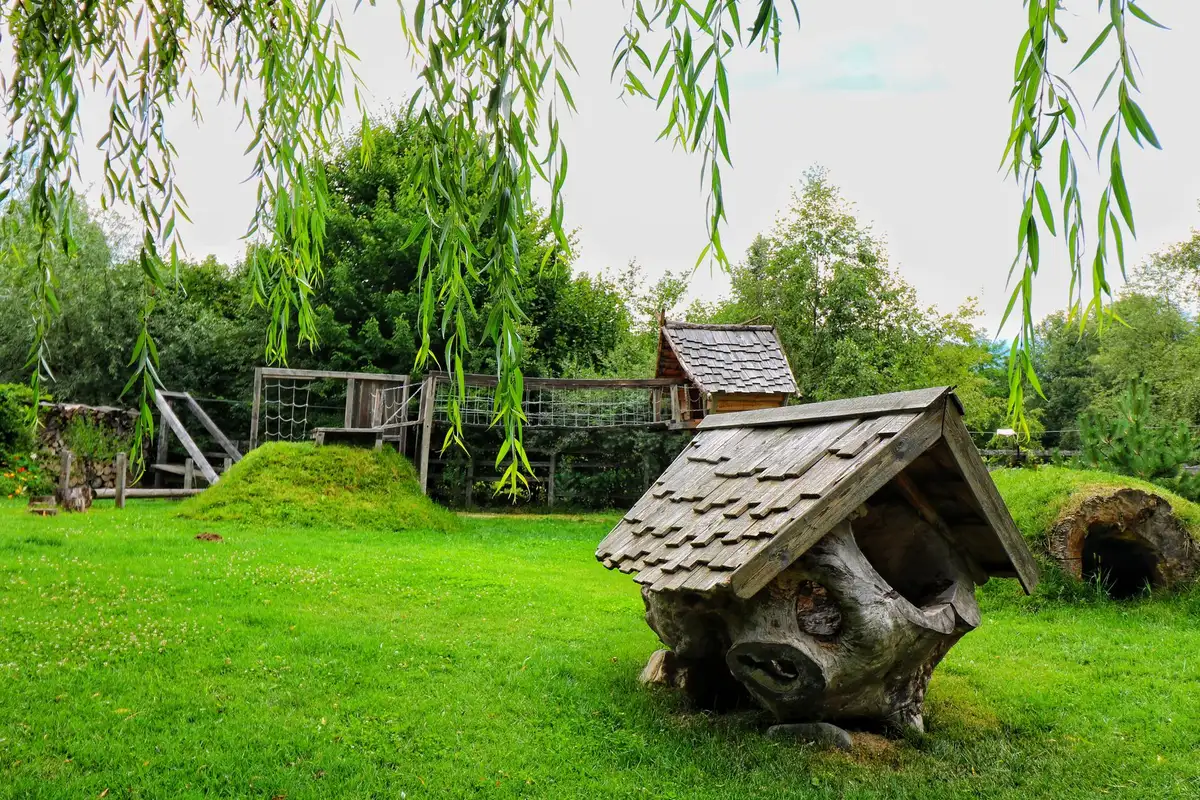
It’s worth setting aside an extra half hour at the end of your visit just to wander through the themed gardens at a leisurely pace — plenty of people head straight from the Cité des Sciences to the metro and miss this part, which is free and helps close out the day on a slower note.
Frequently Asked Questions
Is Parc de la Villette free?
The park itself — lawns, themed gardens, and pathways — is free and open every day. Only the pavilions like the Cité des Sciences, the Géode, the Philharmonie, and the Zénith charge separate admission.
How long does it take to visit Parc de la Villette?
Half a day (4 to 5 hours) comfortably covers the Cité des Sciences. If you also want to add a concert at the Philharmonie or a show at the Zénith, plan for a full day.
How do I get to Parc de la Villette by metro?
The Porte de la Villette and Porte de Pantin stations, both on line 5, are just a few minutes’ walk from the park’s main pavilions.
Is Parc de la Villette worth visiting with kids?
Yes. The Cité des Enfants, inside the Cité des Sciences, is designed for children ages 2 to 12, and the themed gardens include playgrounds like the Jardin des Dragons, with a giant slide.
Conclusion
Parc de la Villette delivers a different kind of Paris day: science, music, and green space all in one place, without repeating the old-town itinerary. To round out your visit to the north of the city, also check out the guides to the Canal Saint-Martin and Belleville here on Torre Eiffel.