There’s no single “best month” for France—there’s the best month for the region and the experience you’re after. The Mediterranean coast calls for summer; Alsace, for winter; the Loire Valley and Paris shine brightest in May, June, September, and October, when the weather is already pleasant and prices haven’t yet hit their peak.
When to visit France depends on the region: May, June, September, and October are the most balanced months for Paris and the countryside; July and August favor the Mediterranean coast, but with peak prices and crowds; November through February bring the year’s lowest rates and Alsace’s Christmas markets.
Getting there and planning by season
Your travel dates change the price of your flight before you even reach the hotel: flights to Paris in July and August typically cost 30% to 50% more than in May or October, on the same route and airline. If budget is the deciding factor, it’s worth monitoring fares starting in November of the previous year—those who book 4 to 6 months in advance tend to lock in the best prices for both flights and domestic trains through SNCF Connect.
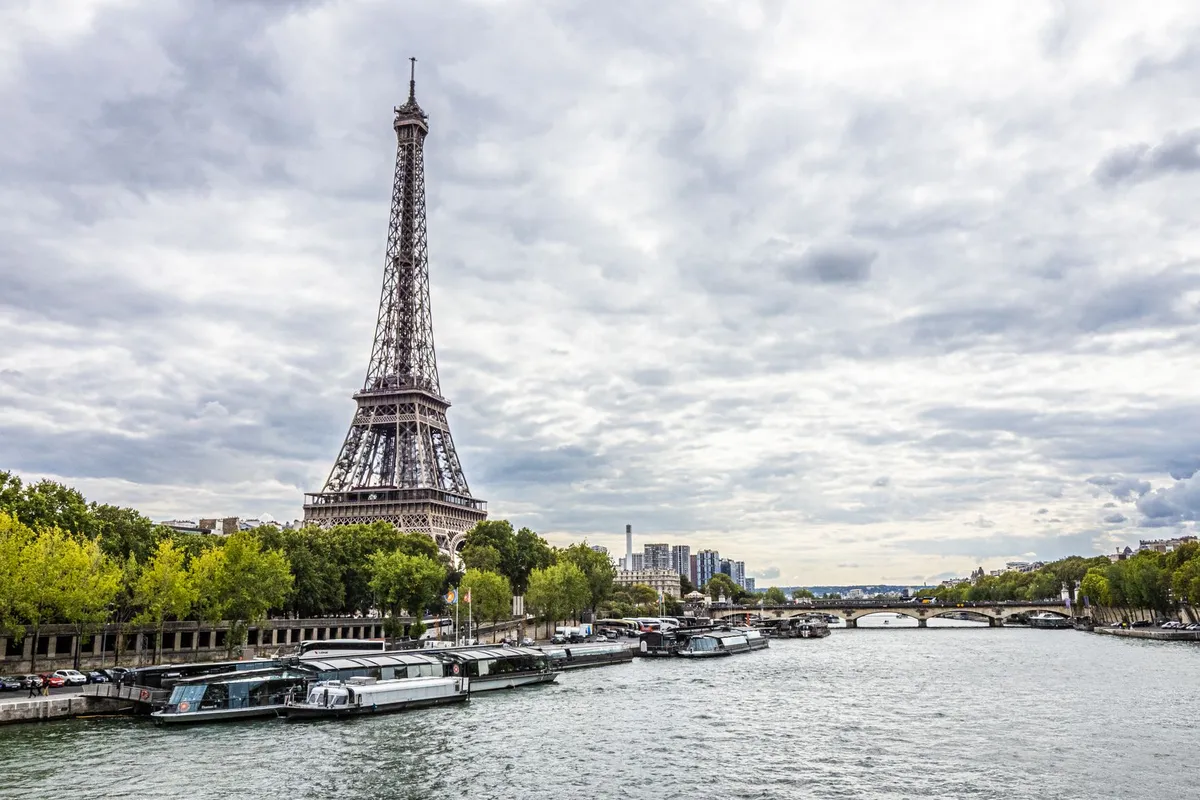
Dica: Aproveite também para fazer estes passeios em Paris
Tour pelo exterior da catedral de Notre Dame + Ingresso da cripta . Duração: 2 horas
Disneyland Paris Duração: 3 horas ou mais
Passeio de barco pelo Sena. Duração: 1h
Ingresso do 3º andar da Torre Eiffel. Duração: 2 a 3 horas
Ingresso do Palácio de Versalhes. Duração: 2 a 3 horas
Veja mais passeio em Paris aqui.
When to visit France: best time month by month
In spring (March to May), accommodation prices are still competitive, though they rise around holidays like Easter and May Day; the weather already allows for plenty of walking, with temperatures between 10°C and 18°C. In summer, June through the 20th is considered the sweet spot of the year: incredibly long days, stable weather, and attractions open later, with prices still below peak. July and August are full high season—book hotels and trains months in advance, because everything goes up in price and fills up fast.
Fall (September-October) brings temperatures between 10°C and 20°C, beautiful days with yellow leaves covering the avenues, and far fewer tourists than in summer—it’s also the time of the vendange, the grape harvest, ideal for those wanting to visit Bordeaux or Burgundy. In winter, February is the cheapest month of the year, with January and November close behind; 3- and 4-star hotels cost up to 40% to 60% less than in July, but the days are short and cold.
It’s worth remembering that the “best time” changes depending on the type of trip. Families traveling with young children tend to prefer spring or early fall, when the heat is less extreme and lines at attractions like the Louvre or the Eiffel Tower shrink outside European school holidays. Those seeking specific events—like the Tour de France in July or Paris Fashion Week in spring and fall—need to adjust their dates to the event calendar, even if that means facing higher prices.
French school holidays also deserve attention: February and the first half of August typically see French families traveling within their own country, which increases demand for accommodation in destinations like Provence and the Atlantic coast. Those planning to visit these places during those periods should book hotels much further in advance than they would in Paris, where the flow of domestic tourists weighs less on the final price.
The regional calendar
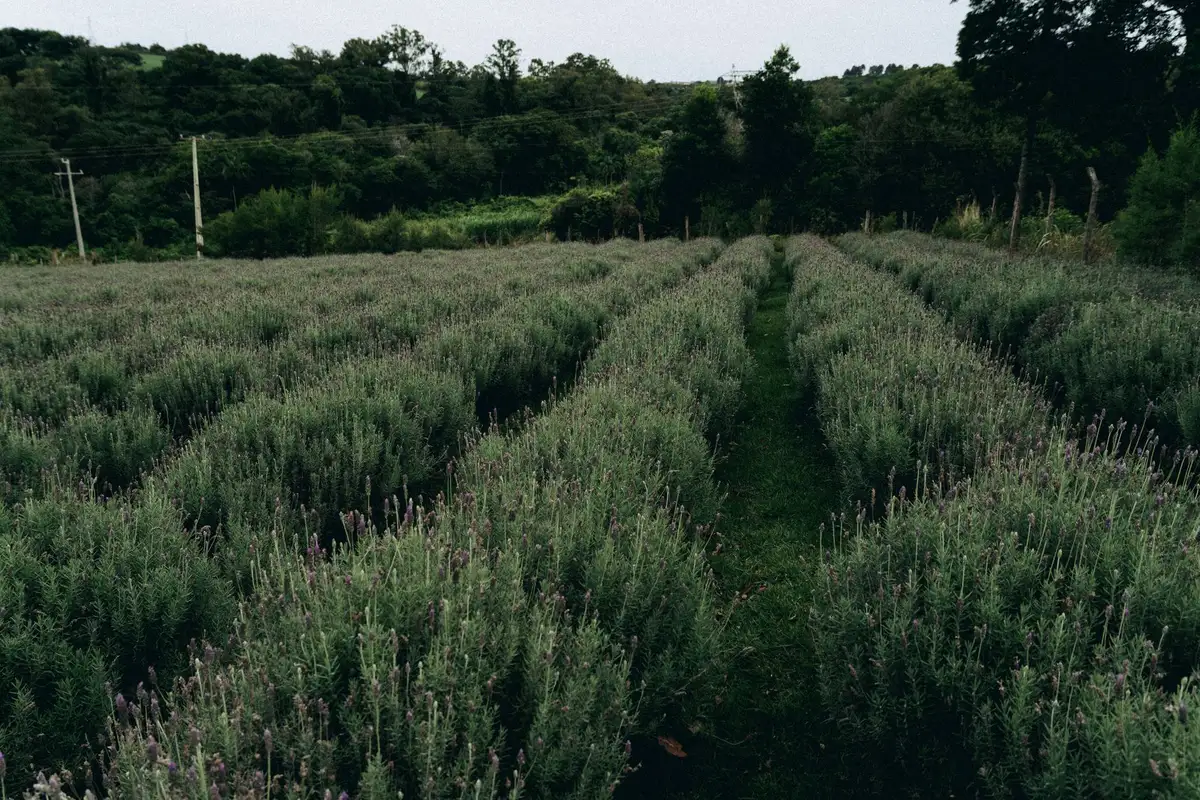
In Paris and the Loire Valley, the May-to-October window covers virtually every experience—castles, gardens, and boat rides are better with long days and no constant rain. Provence, on the other hand, has a narrower calendar: the lavender fields bloom between late June and mid-July, but the extreme heat of July and August exceeds 35°C, with regular heatwaves that make the vineyards and the shade-less calanques much harder to visit on foot.
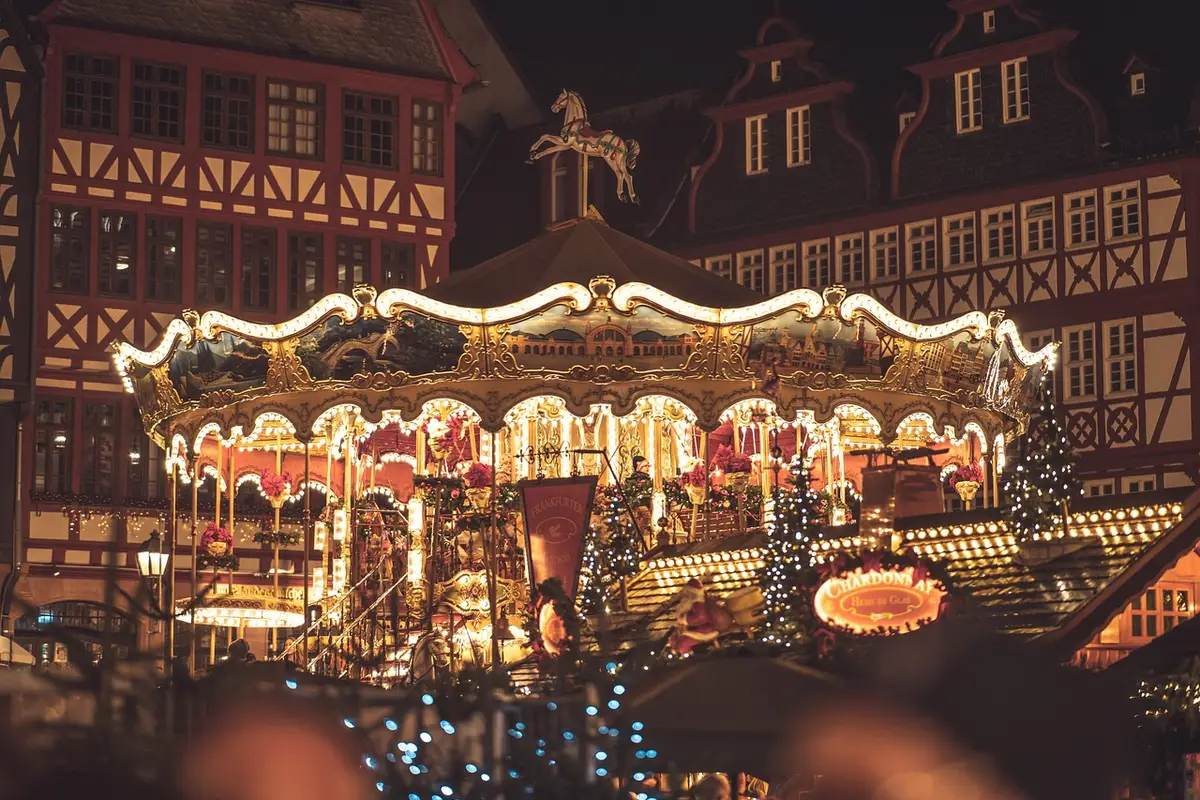
The Mediterranean coastal areas—Nice, Cannes, Saint-Tropez—concentrate their high season in July and August, when the sea is warmest and beach life runs at full speed; May, June, and September deliver uncrowded beaches, though the water is still cold in May. Alsace (Strasbourg, Colmar), on the other hand, peaks in interest precisely in winter, between late November and the end of December, thanks to the Christmas markets—a calendar opposite to the rest of the country.
What to pair in each season
In spring, pair Paris with a day trip to Giverny to see Monet’s gardens in bloom—the time when the water lilies and tulips are at their peak. In summer, take advantage of the long days (the sun sets near 10 p.m. in June) to book evening visits, like Eiffel Tower tickets at sunset or a Seine river cruise. If this part of summer coincides with your trip, be sure to check out our guide to TGV day trips from Paris, since the long days make this kind of outing especially rewarding.
In fall, the vendange in Burgundy or Bordeaux pairs beautifully with winery visits and tastings, which tend to have shorter lines than in summer. In winter, set aside at least 2 days for the Alsace Christmas markets—Strasbourg and Colmar host the most traditional stalls—and take advantage of the fact that Paris, outside of Christmas, is much quieter for museums like the Louvre.
Where to eat by season
In summer, Provence’s open-air markets, like the one in Aix-en-Provence, sell fresh regional fruits and cheeses starting at €4 a piece—perfect for putting together a picnic in the vineyards. In fall, restaurants in Bordeaux and Burgundy offer menus featuring truffles and game, typical of the season, with main courses between €25 and €40. In winter, the Christmas markets serve vin chaud (mulled wine) and flammekueche for €4 to €8 in Strasbourg—a great way to warm up between stalls.
Where to stay and how it affects price
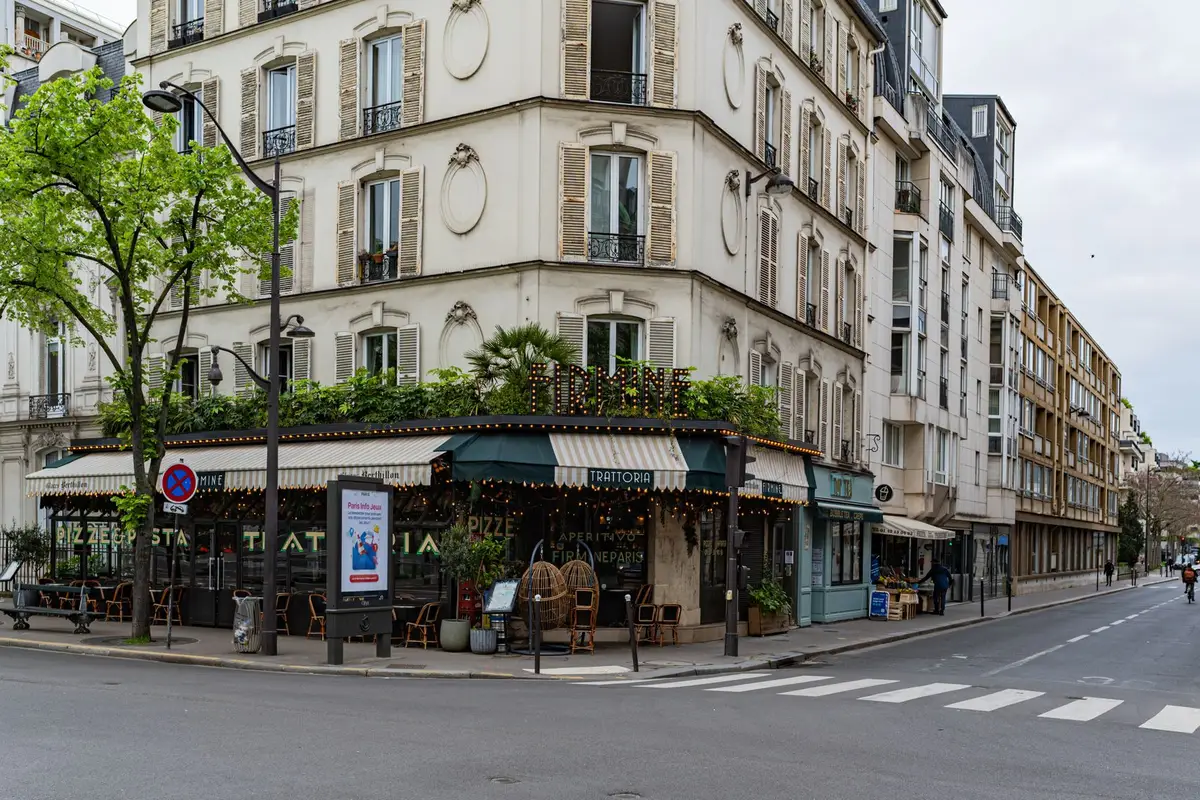
In Paris, a 3-star hotel room that costs €180 a night in July can drop to €90-110 in February (Jan/2026)—the same logic applies to the coast, just inverted: hotels in Nice go up in price precisely in summer. If the plan is to save without giving up the warmth, aim for May, June, or September on the coast: the sea is already pleasant and nightly rates haven’t yet hit their summer ceiling.
Practical tips for locking in your dates
Avoid booking your trip to Provence or the southern coast right at the July–August peak if saving money is the goal — shift your dates 2 to 3 weeks to May–June or September and the price difference often tops 30%. If Christmas markets are your priority, book a hotel in Strasbourg at least 2 months in advance: December weekends fill up fast, even though it’s low season for the rest of the country.
If your itinerary spans more than one region — say, Paris and Provence in the same trip — pick a middle-ground date like late May or early September, which works well at both ends without hitting extreme heat or bitter cold. Also check the official ETIAS calendar before locking in your dates, since the authorization is expected to become mandatory sometime in 2026 for visa-exempt travelers.
To build your full itinerary with trip length in mind, also check out the guide to France itineraries for 7, 10, or 15 days, and to budget everything in advance, the breakdown of how much a trip to Paris costs.
Frequently asked questions
What’s the cheapest month to travel to France?
February is usually the cheapest month of the year for lodging and flights, closely followed by January and November. 3- and 4-star hotels can cost 40% to 60% less than in July or August.
Can you see the lavender fields and avoid Provence’s extreme heat?
It’s hard to avoid completely: the bloom runs from late June to mid-July, a period that already falls in high season and the region’s strongest heat. The alternative is to go at the start of the bloom, still in June, when temperatures tend to be a bit milder than at the July peak.
Do Alsace’s Christmas markets run the entire month of December?
No — they typically open in late November and wrap up around December 24 or 31, depending on the city. Confirm the exact dates on the official tourism website for Strasbourg or Colmar before buying your tickets.
What’s the best time for saving money while still getting good weather in Paris?
May, June, September, and October offer the best balance: stable weather, still-long days (especially in June), and hotel and train prices below the July–August peak.
Conclusion
Before locking in your travel dates, ask yourself which experience matters most: saving money, mild weather, or a specific experience like the lavender fields or Christmas markets. Each one points to a different calendar, and France has great experiences year-round — just not all at once, in the same region. To keep planning, your next steps are the itinerary and budget over at Torre Eiffel.