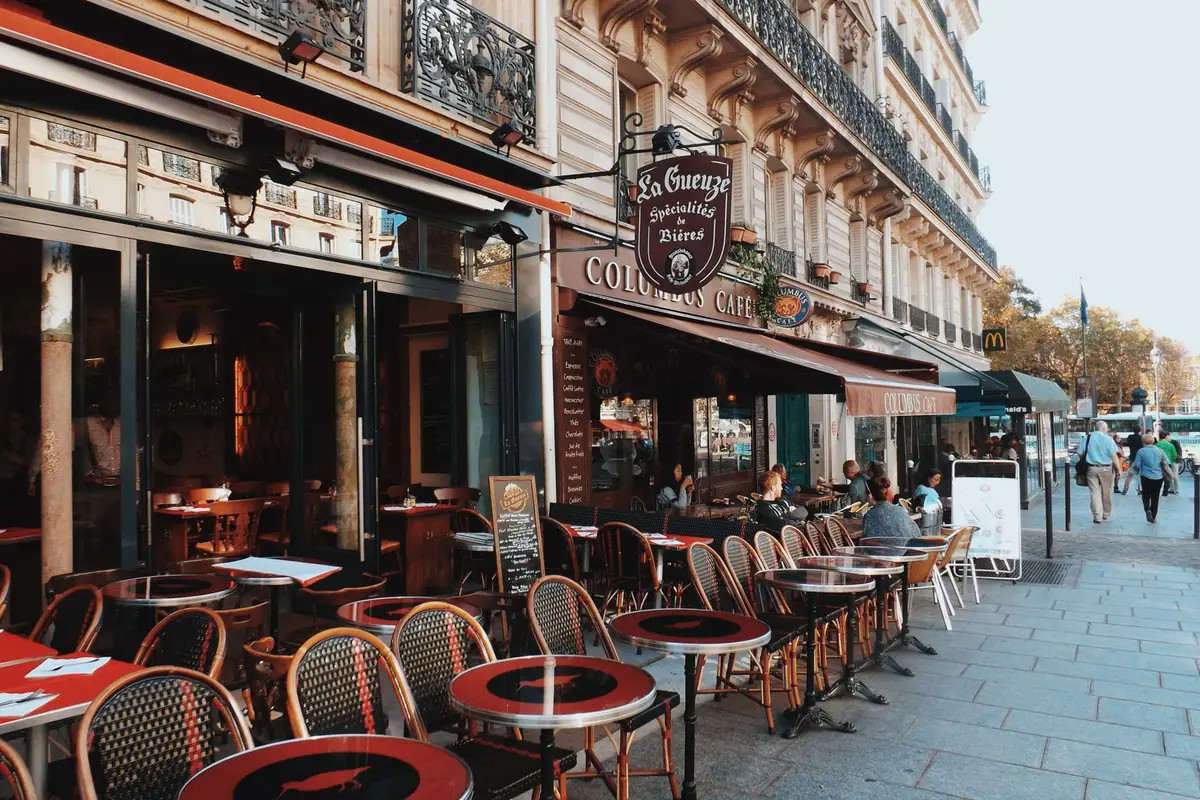
Knowing how to avoid a tourist trap restaurant in Paris doesn’t mean distrusting every table near a monument. It means deciding calmly before you sit down: check the menu, confirm the price, and choose a place with a clear concept, instead of accepting the first pitch on a crowded street.
In Paris, use the facade as a starting point, but choose based on the full menu, the displayed price, and the flow of customers — not the sign promising a “typical menu” in six languages.
Start with the menu and the price
An honest restaurant doesn’t need to hide basic information. The DGCCRF requires that prices and menus be displayed both inside and outside the establishment; at table service, the displayed price includes taxes and service.
Dica: Aproveite também para fazer estes passeios em Paris
Tour pelo exterior da catedral de Notre Dame + Ingresso da cripta . Duração: 2 horas
Disneyland Paris Duração: 3 horas ou mais
Passeio de barco pelo Sena. Duração: 1h
Ingresso do 3º andar da Torre Eiffel. Duração: 2 a 3 horas
Ingresso do Palácio de Versalhes. Duração: 2 a 3 horas
Veja mais passeio em Paris aqui.
Read the fine print: check if drinks are included, if there’s a cover charge, and if the lunch menu applies at the time you arrived. If there’s only a QR code, if prices aren’t shown, or if the explanation changes when you ask, choose another door.
Also compare the daily special with the regular menu. A good fixed menu usually states what it includes; when the promise is vague and any question gets a rushed answer, the best saving is to get up before you order, not negotiate after the bill.
Signs that deserve a pause
Huge photos of every dish, a pushy promoter, and a menu identical to several neighboring doors don’t prove the food will be bad, but they reduce your incentive to decide quickly. Walk a block away, compare two menus, and return only if the offer still makes sense.
Be especially wary of vague combinations like “French specialty” without a defined dish, ingredient, or price. A place can serve well near the Eiffel Tower or the Louvre; the difference lies in explaining what it sells and charging what it advertised.
How to choose better without becoming an investigator
Look for a menu short enough to seem executable, seasonal dishes, a legible price, and customers having a normal meal. Recent reviews help spot recurring problems, but read the text of the critiques: a high rating doesn’t replace the menu or make a line mandatory.
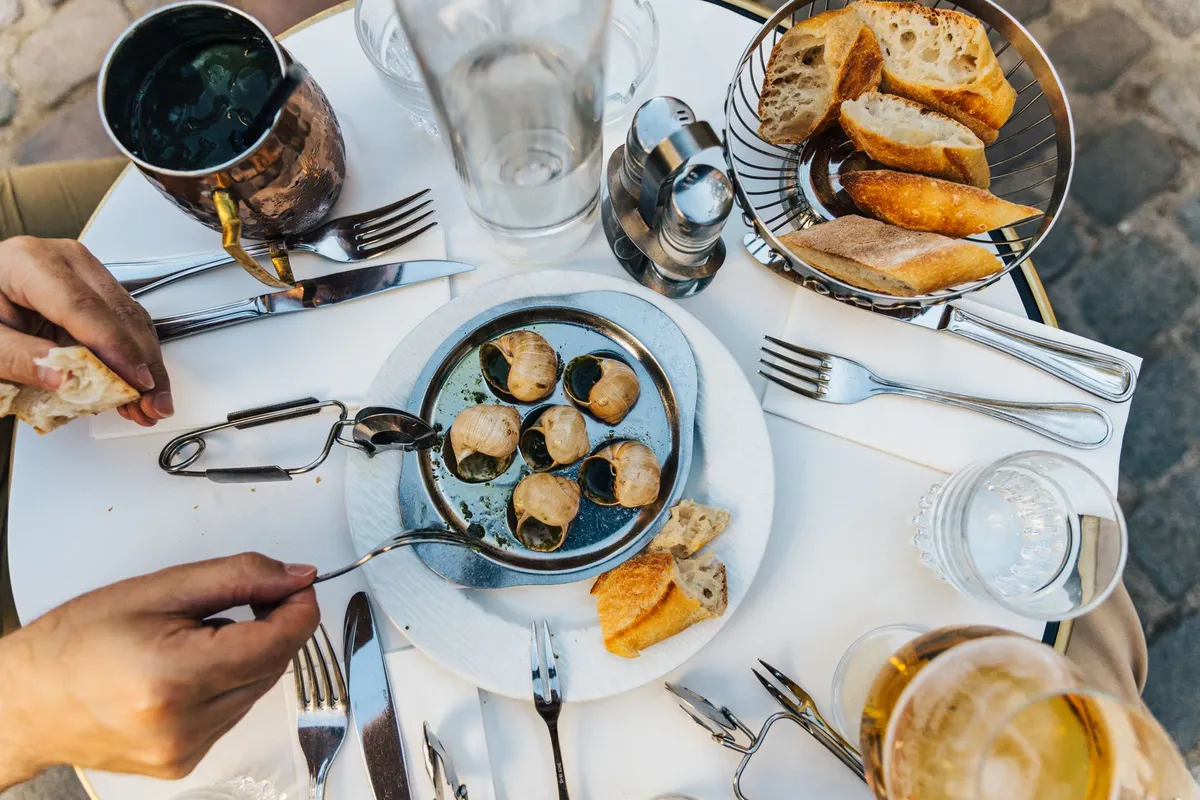
Instead of eating the minute you leave an attraction, walk five or ten minutes to a nearby residential street. This small detour usually expands your options and reduces the pressure of deciding while hungry.
Don’t choose just by the accent of the customers or a visible kitchen: these are details that can exist in both great and weak places. Ask the name of the dish, confirm the price of the drink, and decide based on the whole picture. A simple, clear, well-executed meal is worth more than a perfect photo promised by a poster.
If you’re in doubt, make a small choice: a coffee, an appetizer, or a daily special. This lets you observe the service and the menu without committing your whole evening.
What you can demand
In France, price information must be visible and the customer must receive a receipt at the end. The DGCCRF also states that you can ask for free potable water and take home what you paid for in a doggy bag.
If there’s a discrepancy between the menu and the charge, keep the receipt and talk before leaving. In case of deceptive practice, the SignalConso platform receives reports; don’t turn a merely expensive meal into an accusation, but document the price and item when there’s an objective error.
Pay extra attention to supplements: cover charge, bottled water, dessert offered as a suggestion, and dishes sold by weight. The point isn’t to refuse everything, but to know what you accepted. Ask for the bill when the meal is over and check it while the menu is still on the table.
To fit your meal into the day, check out our guides to Rue Cler, Champs-Élysées, and a Seine river cruise.
Frequently asked questions
How to spot a tourist trap restaurant in Paris?
You can spot a potential tourist trap restaurant in Paris by checking if the menu and prices are clear before entering. Pushy approaches, generic photos, and vague promotions are signs to compare another option, not an automatic condemnation.
Is service already included in Paris?
In restaurants with table service in France, the displayed price includes taxes and service, according to the DGCCRF. Check the menu and the bill; an extra tip is a choice, not an automatic obligation.
Can I ask for tap water?
You can ask for free potable water in French restaurants and cafés. Ask for “une carafe d’eau” and confirm on the menu only the bottled or special drinks you feel like ordering.
Conclusion
The best filter is simple: a clear menu, a known price, and time to decide. At Torre Eiffel, keep exploring Paris with choices that fit your itinerary and your appetite.