The Basilica of Saint-Denis is a 20-minute metro ride from central Paris (line 13, Basilique de Saint-Denis station) and holds something no other monument in the city has: the tombs of nearly all the kings of France, from the 6th century to the Revolution, inside the building historians point to as the birthplace of Gothic architecture.
The Basilica of Saint-Denis is France’s royal necropolis, with the tombs of 43 kings and 32 queens, including Marie Antoinette and Louis XVI. Admission costs €17 in 2026, and the building is considered the world’s first great example of Gothic architecture, built starting in 1140.
How to get to the Basilica of Saint-Denis
The Basilique de Saint-Denis station on metro line 13 is about 100 meters from the basilica’s entrance — the same line that runs through Saint-Lazare, so you can hop on directly from several points downtown without transferring. The trip from the Louvre takes about 30 minutes.
Dica: Aproveite também para fazer estes passeios em Paris
Tour pelo exterior da catedral de Notre Dame + Ingresso da cripta . Duração: 2 horas
Disneyland Paris Duração: 3 horas ou mais
Passeio de barco pelo Sena. Duração: 1h
Ingresso do 3º andar da Torre Eiffel. Duração: 2 a 3 horas
Ingresso do Palácio de Versalhes. Duração: 2 a 3 horas
Veja mais passeio em Paris aqui.
If you haven’t decided which ticket to buy yet, the guide to Paris transport passes helps you choose between single tickets and the Navigo Weekly — Saint-Denis is already in zone 3, so check whether your pass covers that stretch before heading out.
Best time to visit and how long to allow
Set aside 1.5 to 2 hours for the full visit, including the necropolis and the crypt, plus another 20 to 30 minutes if you want to stroll through the historic center of Saint-Denis before or after. From April 1 to September 30, 2026, the basilica is open Monday through Saturday from 10 a.m. to 5:45 p.m., and Sundays from noon to 5:45 p.m.; from October 1 to March 31, hours are 10 a.m. to 4:45 p.m. (Sundays, noon to 4:45 p.m.), with last entry 30 minutes before closing, according to the official website of the Basilique cathédrale de Saint-Denis.
On Mondays, only the royal necropolis is accessible, with a reduced ticket of €11 — a good option for anyone who’s already toured the main interior on a previous trip and wants to focus on the tombs.
What to see: necropolis, Gothic architecture, and stained glass
The visit is split into three core areas that tell different stories within the same building.
The royal necropolis: 43 kings and 32 queens
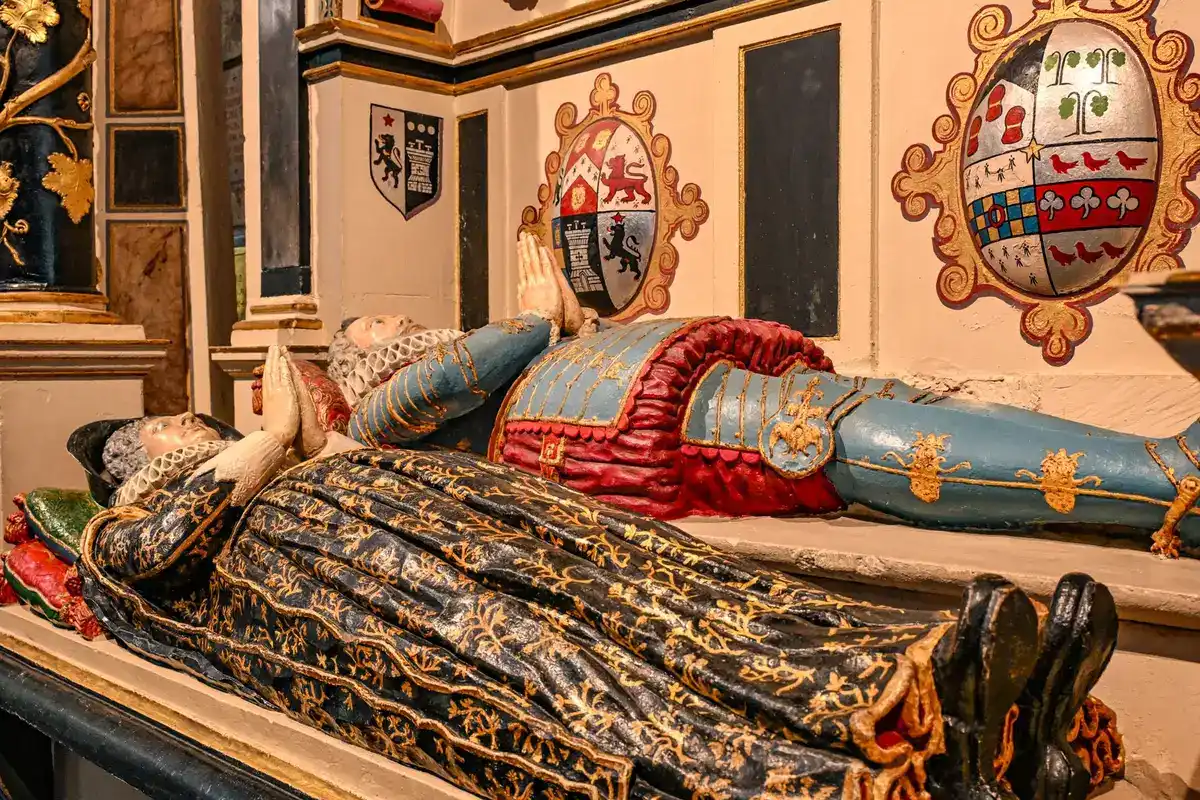
Since the Merovingian king Dagobert I in the 7th century, virtually every French monarch was buried at Saint-Denis — an unbroken sequence of nearly 1,200 years, interrupted only by the French Revolution. The most-visited tombs include those of Louis XVI and Marie Antoinette, reinterred there after the Restoration, along with the carved sepulchers of Francis I and Catherine de’ Medici, with life-size statues atop marble slabs.
The birthplace of the Gothic style
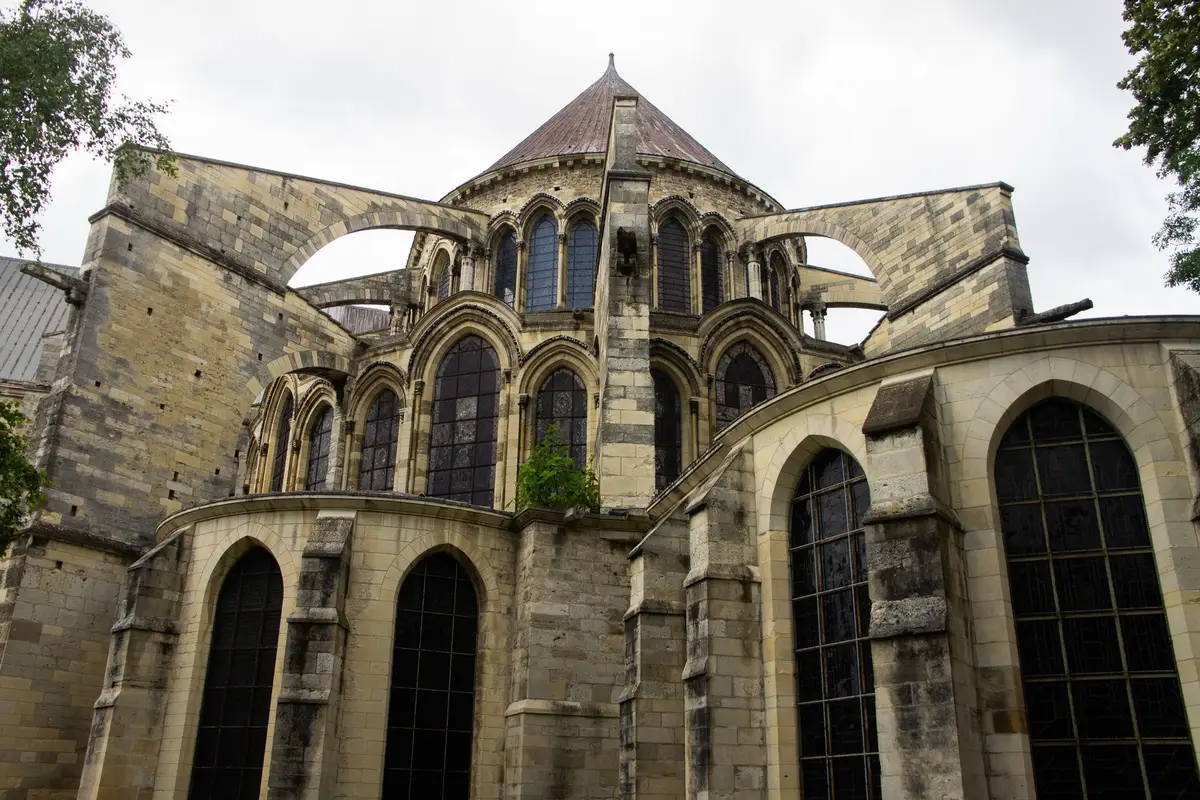
Abbot Suger, who oversaw the reconstruction of the basilica’s choir starting in 1140, is considered the creator of the Gothic architectural language: pointed arches, ribbed vaults, and thinner walls with large stained-glass windows in place of solid stone. It’s the first time these elements appear together in a single building — Notre-Dame de Paris and the cathedrals of Chartres and Reims came later, following the model created there.
Stained glass and light
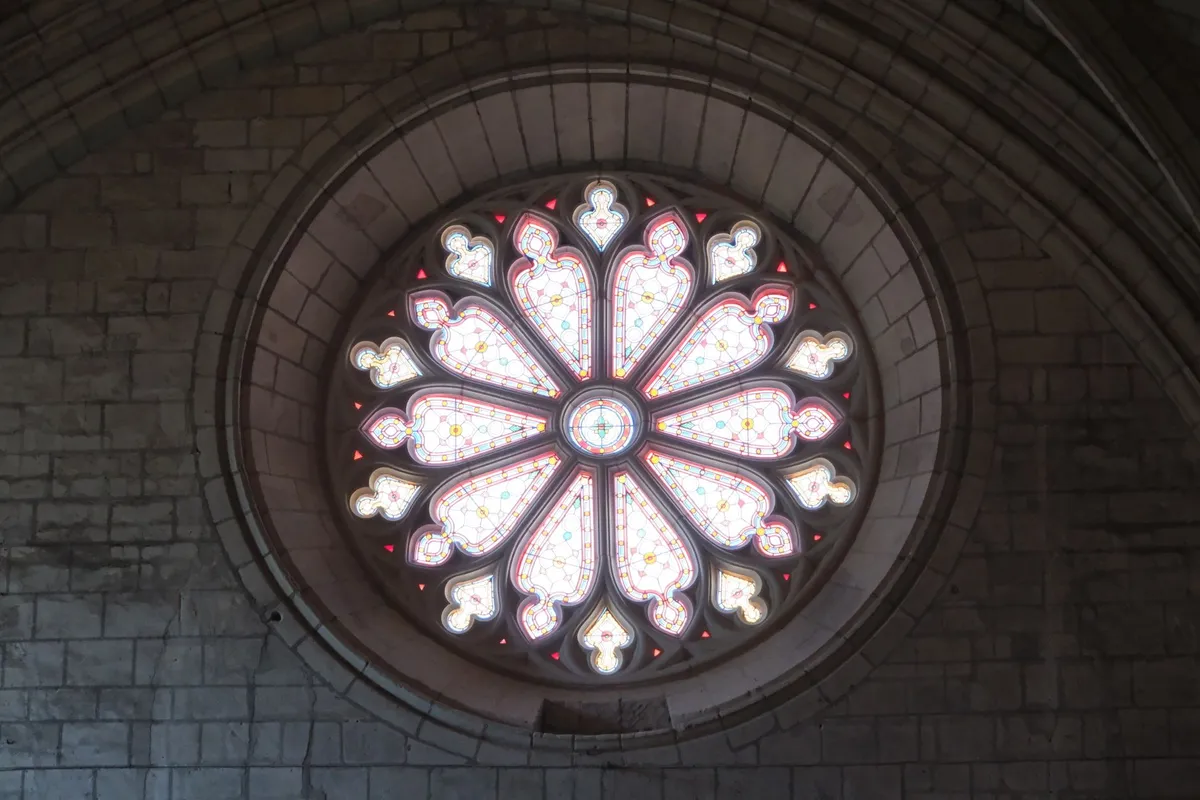
The idea behind Saint-Denis’s grand colorful stained-glass windows wasn’t just aesthetic: Suger saw light filtered through colored glass as a metaphor for divine presence, a concept that shaped French religious architecture for centuries to come. Much of the original glass was lost over time and has undergone restorations, but the effect of colored light streaming through the nave remains one of the most-cited reasons people visit for the first time.
The activity offers an audio guide option in Portuguese and usually includes priority access, handy on busier days with French school groups.
Why it’s one of the most important places in French history
Saint-Denis isn’t just a collective tomb — it’s the building where the French monarchy built its own narrative of continuity. Each new king reinforced his legitimacy by being linked to the lineage buried there, and the abbey also kept the Oriflamme, the war banner kings raised before heading into battle. During the French Revolution, revolutionaries opened the tombs and removed the bodies as a symbolic act against the monarchy — the remains were reinterred in a common crypt decades later, under Louis XVIII.
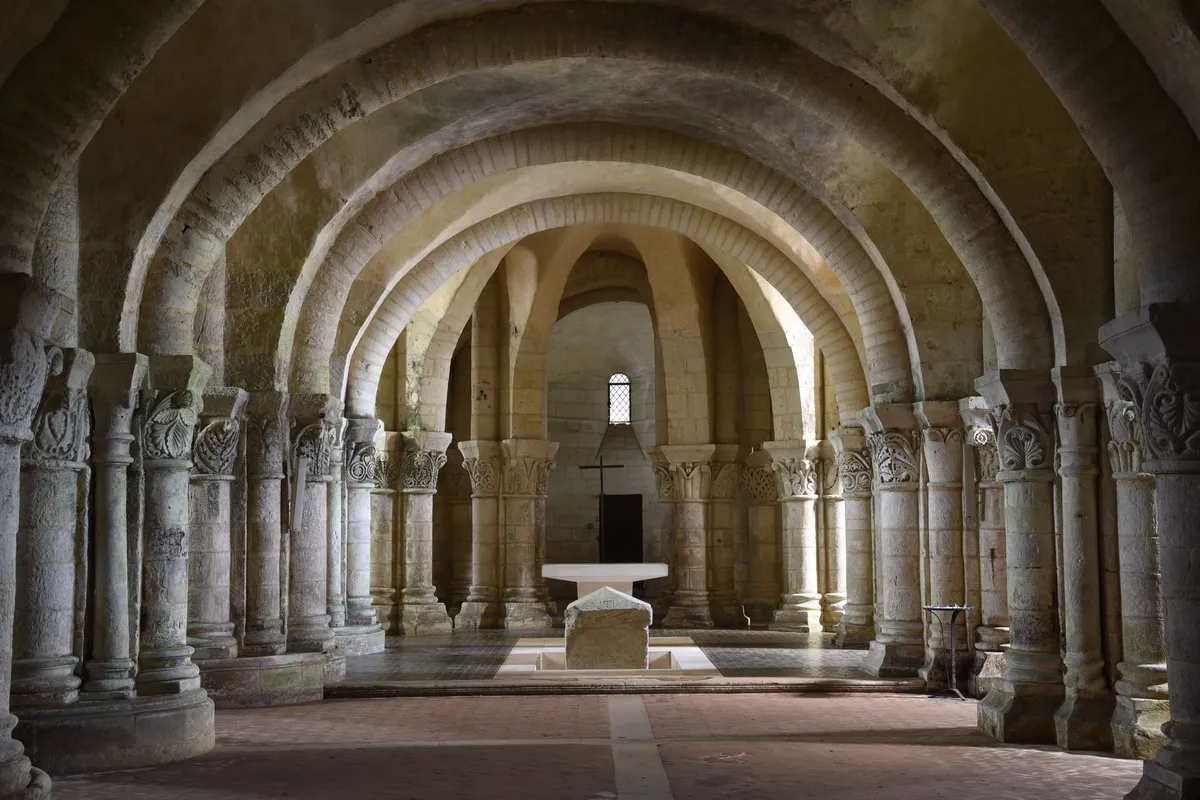
Today the site serves as the cathedral of the Saint-Denis diocese, but it has kept its role as a stone archive of the French monarchy: whoever understands Saint-Denis understands how France told its own story to its subjects, century after century.
What to pair with your visit
Since Saint-Denis sits outside the historic center, it’s worth setting aside a separate day from the route through the Louvre, Notre-Dame, and Sainte-Chapelle. If you want to dig deeper into the same medieval history thread before or after your visit, check out the guide to Notre-Dame reopened, a cathedral that followed the model created at Saint-Denis, or the piece on medieval Paris on the Île de la Cité, to understand the capital’s context in the same era.
If you prefer to go with a guide, it’s worth booking a free tour of Paris’s historic center in advance for another day of your trip, since the explanation of Gothic architecture’s origins at Saint-Denis becomes much more complete when compared with what you’ll see later at Notre-Dame.
Where to Eat
The center of Saint-Denis, around the basilica, hosts a traditional market on Tuesdays, Fridays, and Sundays, with great street food and bakery options. Simple restaurants in the central area charge significantly less than their equivalents in central Paris, but the selection is modest—this isn’t a foodie destination, so if you’re after a more elaborate meal, head back to the city center before dinner.
For a quick bite between your visit and the trip back, the cafés near the metro station do the trick. If your trip includes an event at the Stade de France, plan for extra time: restaurants in the area fill up fast in the hours before big games and concerts.
Where to Stay
Saint-Denis isn’t a neighborhood for first-time visitors to base themselves in: most people visit on a half-day trip from elsewhere in Paris. The area is home to chain hotels catering to Stade de France events, which is just a few minutes from the basilica—it could be worth it if you’re also catching a show or game at the stadium during the same trip.
If being close to the main sights is your priority, it makes more sense to stay in central neighborhoods like the Marais or Saint-Germain and treat Saint-Denis as a half-day side trip, factoring in the metro ride when planning your itinerary.
Practical Tips
Arrive early in the morning on weekdays to beat the French school groups, which usually tour the necropolis on guided excursions in the afternoon. On Sundays, the basilica opens later (12 PM) due to Mass, so adjust your day’s plans accordingly.
Bring a light jacket even in summer: the stone interior of the basilica stays cool year-round, especially in the crypt area. And photography is allowed, but no flash—the natural light streaming through the stained glass already makes for great shots without artificial lighting.
Pair your visit with a stroll through the town of Saint-Denis: the covered market near the basilica is one of the oldest still operating in the Paris region, and it’s worth a quick stop even if you’re not buying anything, just to admire the 19th-century iron structure.
Frequently Asked Questions
How much does it cost to enter the Basilica of Saint-Denis?
The standard ticket costs €17 in 2026, with free entry for EU residents under 26. On Mondays, only the royal necropolis is accessible, for €11.
How many kings are buried at the Basilica of Saint-Denis?
The Basilica of Saint-Denis houses the tombs of 43 kings and 32 queens of France, along with princes, princesses, and great servants of the realm, in a burial sequence spanning from the 7th century to the French Revolution.
How do I get to the Basilica of Saint-Denis by metro?
Metro line 13 stops at Basilique de Saint-Denis station, about 100 meters from the entrance. The ride from central Paris, like from the Louvre, takes around 30 minutes with no transfers.
Why is the Basilica of Saint-Denis considered the birthplace of Gothic architecture?
Abbot Suger rebuilt the basilica’s choir starting in 1140 using pointed arches, ribbed vaults, and large stained-glass windows instead of solid stone walls—the first time these elements appeared together in a single building, serving as a model for cathedrals like Notre-Dame and Chartres.
Conclusion
The Basilica of Saint-Denis packs the origins of Gothic architecture and the funerary archive of the entire French monarchy into a single half-day trip—a rare historical counterpoint to the more touristy sights of central Paris. To round out your trip with more practical guides to the French capital, Torre Eiffel has more content about the city.