The Canal Saint-Martin in Paris is the right choice for anyone who wants to stroll along the water, watch working locks, and take a break from the busiest postcard spots. The most pleasant stretch runs between République and the Bassin de la Villette, in the 10th and 19th arrondissements.
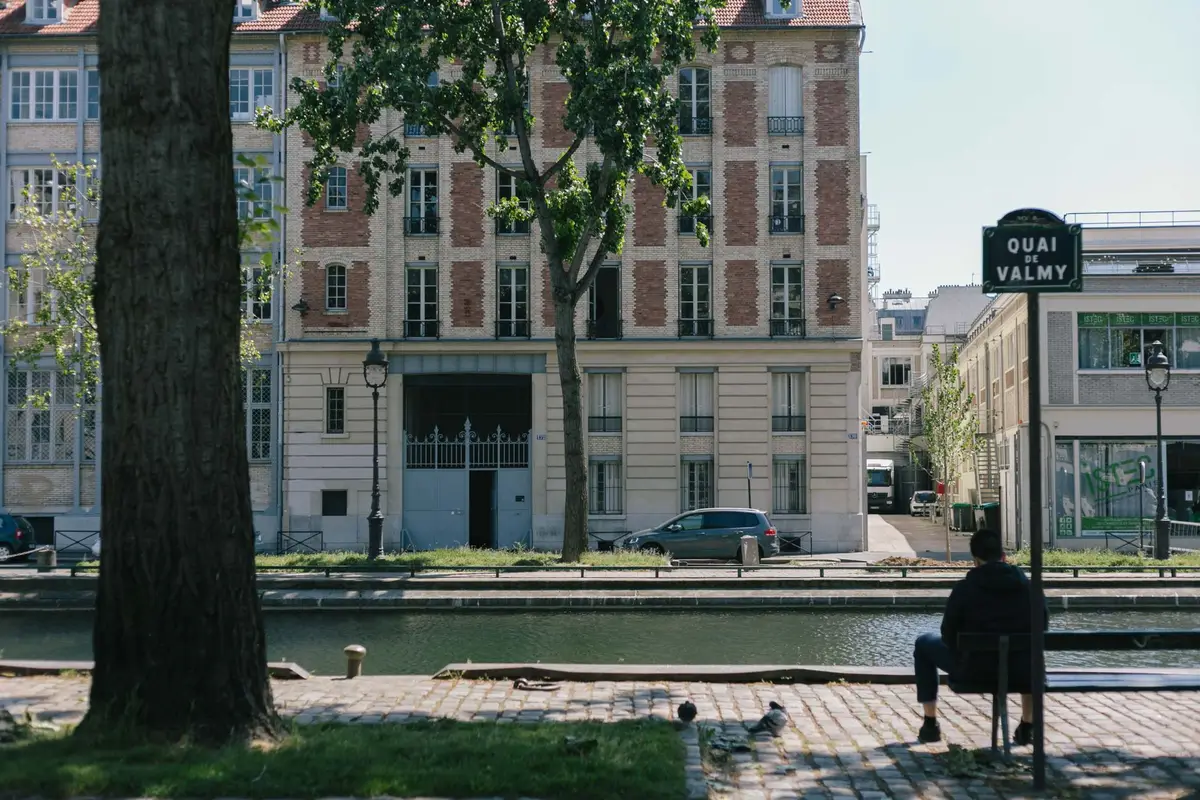
Set aside two to three hours to explore the Canal Saint-Martin at a relaxed pace: start at République, follow the Quai de Valmy, and end at the Bassin de la Villette. It’s a free walk, mostly flat, and easy to fit into a northern or eastern Paris itinerary.
Why visit the Canal Saint-Martin in Paris
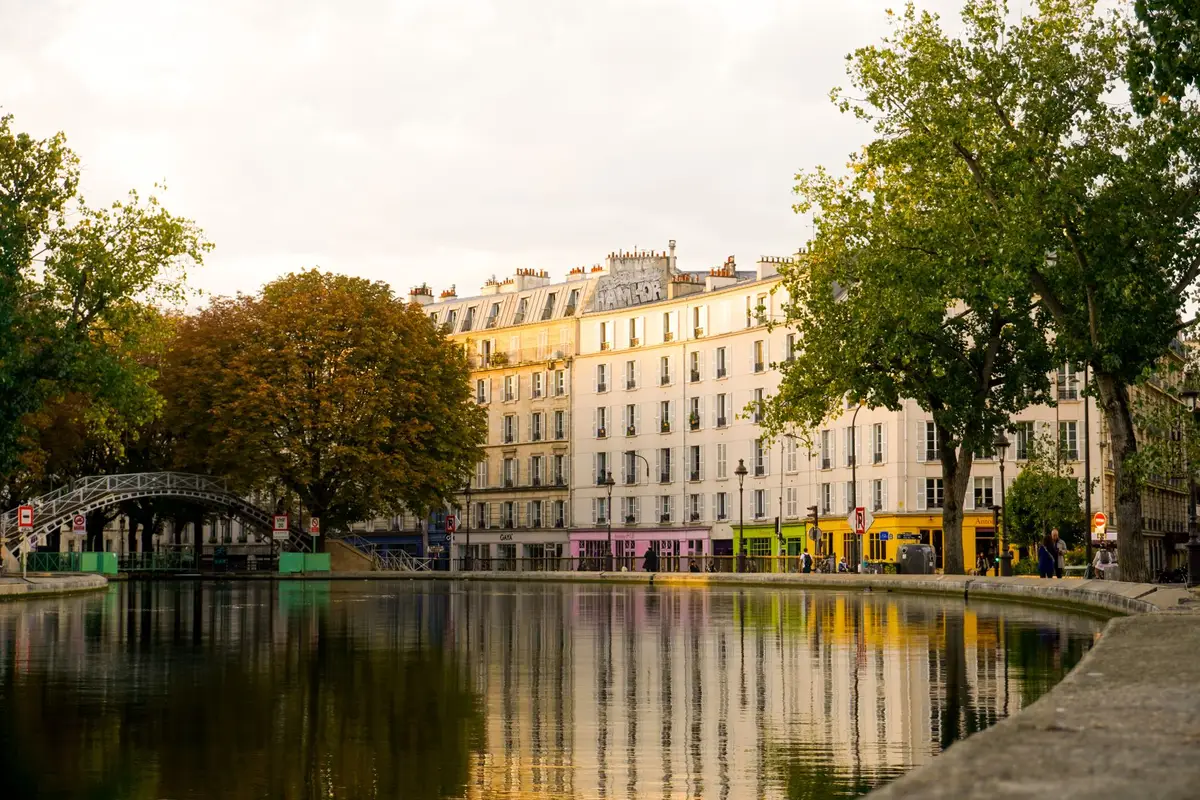
The Canal Saint-Martin reveals a less monumental, more everyday Paris: narrow water, plane trees, benches, bicycles, and 19th-century facades. The city government reports it stretches 4.5 km, with about 2 km running through tunnels, connecting the Bassin de la Villette to the Seine.
Dica: Aproveite também para fazer estes passeios em Paris
Tour pelo exterior da catedral de Notre Dame + Ingresso da cripta . Duração: 2 horas
Disneyland Paris Duração: 3 horas ou mais
Passeio de barco pelo Sena. Duração: 1h
Ingresso do 3º andar da Torre Eiffel. Duração: 2 a 3 horas
Ingresso do Palácio de Versalhes. Duração: 2 a 3 horas
Veja mais passeio em Paris aqui.
The point isn’t to “check off an attraction,” but to soak in the neighborhood’s rhythm. The footbridges Bichat, Grange-aux-Belles, Alibert, and de la Douane help you recognize the route, while the nine locks explain why the boats move so slowly. The Ville de Paris details the network and its history.
What to see and do along the banks
Start near République and walk northeast along the Quai de Valmy. Between the locks of Récollets and Temple, the two movable bridges on rue Dieu and Grange-aux-Belles still accompany the daily passage of boats. Stop for a few minutes: this is the stretch where the walk becomes more than just getting from A to B.
Then, cross over to the Quai de Jemmapes whenever you want a change of perspective. The path naturally ends at the Bassin de la Villette, where the banks open up. For those who’d like to understand the canal’s engineering and see the underground vaults, a guided tour of Paris can complement the walk.
Don’t treat the canal as a picnic spot on just any step: on hot days, areas and rules can change. There’s a seasonal swimming zone at the Basse des Récollets; check the city’s schedule before heading out, as weather and water quality affect when it’s open.
Where to eat and stop at the Canal Saint-Martin
Quai de Valmy and rue de Marseille are packed with cafés, bakeries, and casual spots. The best strategy is to choose after you’ve walked a bit: the vibe shifts between lunch, late afternoon, and evening. If you’re after a sit-down meal, avoid deciding right at Saturday’s peak hours.
To keep exploring Paris through food, the guide to Rue Mouffetard and its food scene offers an interesting contrast: there, the focus is the market and the Latin Quarter; here, the charm is grabbing a coffee and watching the locks from the bank.
How to get to the Canal Saint-Martin
For the central stretch, use République (lines 3, 5, 8, 9, and 11) and walk about ten minutes to the first locks. Jacques Bonsergent, Goncourt, and Colonel Fabien also work well. If you’d rather do the route from north to south, get off at Jaurès or Stalingrad and start from the Bassin de la Villette.
The route is simpler when you pick a starting point and an ending point, instead of trying to double back the same way. That way, République–Jaurès becomes a straight walk and the metro handles the return.
Coming from the Marais or Gare du Nord, you can take the bus and walk the rest, but the metro is still the most reliable option. Open the map before you leave and decide whether you’ll stop on the Quai de Valmy side or the Quai de Jemmapes side: the two banks are close, but crossing at the right bridge saves you pointless back-and-forth.
The canal is also a great pick for arrival day, when you’re not ready to tackle museum lines. Do the short stretch between République and the Récollets locks, sit down for a coffee, and leave the Bassin de la Villette for another day. You don’t need to cover all 4.5 km to get a feel for the place.
Best time to visit
Arrive before 10 a.m. if you want to photograph the bridges and water with fewer people. In the late afternoon, especially on dry days, the banks fill up with locals and visitors; that’s the best window for atmosphere, not for quiet. Sundays are usually pleasant but call for more patience on the narrow footbridges.
What to combine with the Canal Saint-Martin
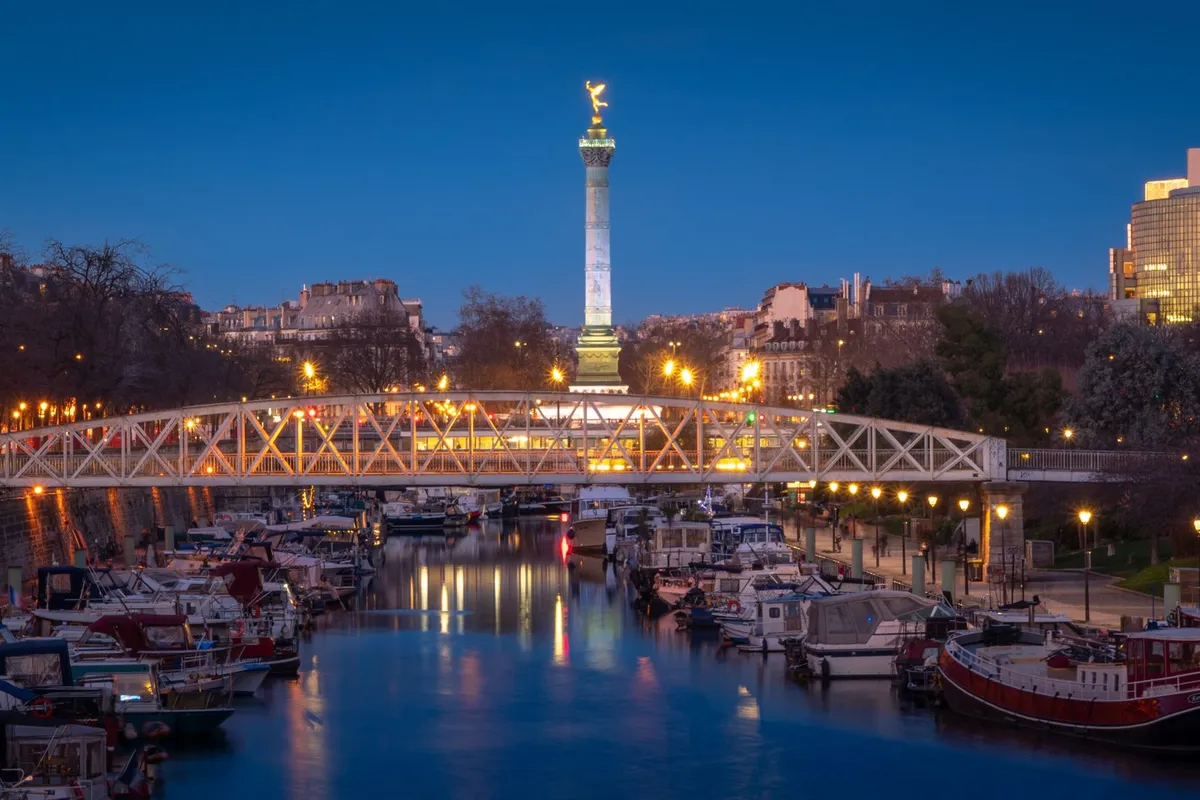
The most natural pairing is the Bassin de la Villette; if you have more time, you can continue along the Canal de l’Ourcq. For another island-and-riverbank outing on the Seine, check out the Île Saint-Louis guide. They’re very different experiences, but both show Paris at street and water level. If you prefer history and craftsmanship over water, the walking route through Bastille and Faubourg Saint-Antoine is another great authentic neighborhood option, just a few metro stops from the canal. And for even more calm and a crowd-free stroll, it’s worth checking out Bercy Village and Cour Saint-Émilion, in the eastern part of the city.
Practical tips to make the most of it
Bring water, wear comfortable shoes, and cross the bridges to switch up the light and the views of the facades. The canal is public and free; your only expenses are the stops you choose. Boats have priority at the locks, so don’t block passageways or get too close to the operating areas.
A guided tour can help if it’s your first day and you’re still getting your bearings with the metro. For panoramas, museums, and gardens elsewhere in the city, Palais-Royal in Paris is a great next stop.
Before booking a boat ride, confirm the itinerary, duration, and boarding point directly with the operator. Navigation conditions and lock schedules are regulated by the city; the official page on the history of the Canal Saint-Martin footbridges helps you spot the oldest features along the route. On rainy days, prefer walking in the morning: the stone pavement can get slippery, and the reflections on the canal still show up even under overcast skies.
Frequently Asked Questions
Where is the Canal Saint-Martin?
The Canal Saint-Martin is mainly in the 10th and 19th arrondissements of Paris, between République, the Récollets locks, and the Bassin de la Villette.
How long does it take to visit the Canal Saint-Martin?
A walk along the Canal Saint-Martin takes two to three hours with stops for photos, coffee, and watching the locks. If you add lunch, set aside half a day.
Is the Canal Saint-Martin free?
Yes. Walking along the banks of the Canal Saint-Martin is free. Boat rides, cafés, and guided tours are paid and have their own prices.
Which metro should I take for the Canal Saint-Martin?
République is the most practical station to start the Canal Saint-Martin. For the northern end, Jaurès and Stalingrad make it easy to reach the Bassin de la Villette.
Conclusion
The Canal Saint-Martin rewards those who slow down between two major museums. Save this itinerary from the Eiffel Tower for when you want a Paris of bridges, water, and real neighborhoods.
If you have to pick just one bank, stay on the Quai de Valmy for your first visit and cross over later to compare the vibe. That small shift in perspective is what makes the walk worthwhile, with no need for a tight schedule.
If you want to discover another Paris of small streets, murals, and cafés, check out the guide to Butte-aux-Cailles in Paris.