Arc de Triomphe in Paris: Everything You Need to Know Before You Go

🇧🇷 POR | 🇫🇷 FR | 🇺🇸 EN | 🇪🇸 ES Imagine standing in the heart of Paris, surrounded by twelve avenues that fan out like sunbeams, and right in the center, a majestic monument that seems to hold the secrets of French history. The Arc de Triomphe, with its silent grandeur and sculpted beauty, is more than just a postcard—it’s a living symbol of France’s memory and magnificence. In this complete guide, you’ll discover everything you need to know to make the most of your visit to the Arc de Triomphe: from how to get there and buy tickets, to the best tips for enjoying the unforgettable panoramic view of the City of Light. Tip: make the most of your trip to Paris and add a visit to the Louvre Museum A Monument That Speaks to History Commissioned by Napoleon Bonaparte in 1806, the Arc de Triomphe was conceived as a tribute to the glory of French soldiers, especially those who fought in the Napoleonic Wars. It took decades to complete, finally being inaugurated in 1836. Inspired by the triumphal arches of Ancient Rome, the monument stands 50 meters tall and 45 meters wide, carved with stunning details depicting scenes of battles and victories. Online tickets for the Arc de Triomphe. Heads up: Bring a jacket even in summer. The top of the Arc is usually quite breezy, and the weather can change quickly. But more than its architectural beauty, the Arc carries immense symbolic weight. It is a national symbol, the stage for important ceremonies like military parades on Bastille Day and tributes marking the end of World War I. For anyone visiting Paris, understanding this context transforms the experience of seeing the Arc into something far more profound. The Living Memory of France Just beneath the Arc lies the Tomb of the Unknown Soldier, with an eternal flame that has been burning since 1923. This flame is rekindled every evening at 6:30 PM in a ceremony that still moves tourists and locals alike. Being there is witnessing a solemn moment of respect for those who gave their lives for their country. Furthermore, the Arc de Triomphe has also been the backdrop for landmark moments in recent history. From General de Gaulle’s triumphant return after the liberation of Paris to symbolic events during the 2024 Olympic Games, the monument continues to be a convergence point between past, present, and future. How to Get to the Arc de Triomphe Safely Located at the Place Charles de Gaulle, the Arc de Triomphe sits at the end of the famous Champs-Élysées. The area is a massive roundabout where 12 Parisian avenues meet, making traffic intense. So, don’t try to cross the street directly! Safe access is via an underground passageway, with entrances on the sidewalks of the Champs-Élysées. The monument is perfectly accessible by metro. Lines 1, 2, and 6 take you to the Charles de Gaulle – Étoile station, which has direct access to the underground passageway to the Arc. If you prefer a hop-on-hop-off bus or taxi, they all stop nearby, but avoid peak hours due to heavy traffic. Tickets, Hours, and Accessibility Access to the top of the Arc is paid, but the price is affordable compared to other attractions. The standard ticket costs around €13 (may vary), and it’s free for under-18s and EU citizens under 26. It’s recommended to buy in advance on the official website to avoid lines. Get your tickets online and breeze through the entrance at the Arc de Triomphe. The monument is open every day, with visiting hours from 10 AM to 10:30 PM (last entry at 9:45 PM). In summer, hours may be extended. It only closes on specific dates like January 1st, May 1st, and December 25th. For visitors with reduced mobility, the Arc offers an internal elevator up to an intermediate platform. From there, you still need to climb about 46 steps to reach the top. For those who want to do it all on foot, get ready to tackle 284 spiral steps. It might sound tiring, but the reward is worth every step! The Most Underrated View in Paris When you reach the top of the Arc, you’ll see one of the most stunning views of Paris—and with far fewer crowds than the Eiffel Tower. From there, you can admire the Champs-Élysées, the Eiffel Tower in the distance, the Sacré-Cœur on the Montmartre hill, and even the modern La Défense district. The tip is to go up in the late afternoon to see the sunset over the Parisian rooftops, when the city takes on magical golden hues. At night, the show continues with the city lights, making the atmosphere almost cinematic. If possible, bring a camera or use your smartphone with good resolution—the photos taken from up there are unforgettable. Oh, and brace yourself for the wind: at the top, even in summer, it can get chilly. Get Ready for Your Visit with These Essential Tips Before you head out, check the weather forecast. Bring a light jacket or scarf, even in summer. Wear comfortable shoes, especially if you plan to climb the stairs. Avoid large backpacks, as the interior space is limited. Avoid peak hours (between 12 PM and 3 PM) and prefer the early morning or late afternoon. The monument is usually quieter during these times, ideal for those who want to explore at a leisurely pace and take good photos. Have your ticket on your phone or printed out, and take advantage of the free Wi-Fi available at the top. There are also official apps and audio guides in several languages that explain every detail of the construction, sculptures, and history—extremely useful for foreigners or anyone wanting a more immersive visit. What Makes the Arc de Triomphe So Unique? Beyond its beauty and view, the Arc enchants with hidden stories. One example is the artistic project by Christo and Jeanne-Claude, who in 2021 “wrapped” the monument in recyclable fabric—a temporary installation that attracted millions of visitors and gave new meaning
Arc de Triomphe: 7 Essential Tips to Make the Most of Every Minute

🇧🇷 POR | 🇫🇷 FR | 🇺🇸 EN | 🇪🇸 ES Picture yourself standing at the center of one of the world’s most famous roundabouts, surrounded by twelve avenues radiating out like the sun’s rays. Before you, towering and steeped in history, rises the Arc de Triomphe, a silent guardian of centuries of French memory. You hear the hum of traffic, see delighted tourists snapping photos, and feel that thrilling tingle that only the world’s greatest icons can evoke. In this complete guide, you’ll discover everything you need to know to visit the Arc de Triomphe, from its fascinating history to the best ways to get there, buy tickets, and soak up every detail—including the less obvious but incredibly useful tips for first-time travelers. Arc de Triomphe: A French Icon in the Heart of Paris The Arc de Triomphe in Paris is a monument that encapsulates the spirit of France. Located at the Place Charles de Gaulle, at the end of the famous Champs-Élysées Avenue, it’s so much more than just a backdrop for selfies. Commissioned by Napoleon Bonaparte in 1806, the monument was designed to honor the soldiers who fought and died for France during the Napoleonic Wars. Standing 50 meters tall and 45 meters wide, its grandeur is impossible to ignore. Beneath its main arch lies the Tomb of the Unknown Soldier, with an eternal flame that never goes out, rekindled every evening at 6:30 PM by veterans or members of the armed forces. Visiting the Arc isn’t just an aesthetic experience; it’s a dive into French collective memory, accessible to everyone, regardless of nationality or cultural background. Why Visiting the Arc de Triomphe is a Must in Paris Many people think it’s enough to see it from afar, snap a photo, and head to the Eiffel Tower. But there’s more to the Arc de Triomphe than meets the eye. Climbing to the top offers one of the most stunning panoramic views of Paris. From up there, you see the city in 360 degrees: the Eiffel Tower to the left, Montmartre in the distance, the Grand Palais, the Louvre, and the twelve avenues converging at your feet. For many, it’s a more thrilling view than from the Eiffel Tower itself, offering a central, symmetrical perspective of the French capital. Plus, the small museum inside the monument features exhibits on its construction, history, and symbolic role throughout the wars, along with models and interactive videos—perfect for those traveling with kids or anyone looking to understand the site’s cultural significance. How to Get to the Arc de Triomphe with Ease A common question for tourists is: how do you get there without risking crossing the incredibly busy roundabout that surrounds it? Here’s the first crucial tip: never try to cross the street on your own. There’s a safe, well-marked underground passage accessible from the sidewalks of the Champs-Élysées and Avenue de la Grande Armée. If you’re coming by metro, the Charles de Gaulle – Étoile station (lines 1, 2, and 6) drops you practically at the doorstep. For those on a tour bus, most hop-on-hop-off routes also stop along the Champs-Élysées, just steps from the monument. Hours, Tickets, and Access to the Top: Everything You Need to Know The Arc de Triomphe is open every day of the year, except January 1, May 1, the morning of May 8, the morning of July 14, the morning of November 11, and December 25. Hours vary throughout the year, but it’s generally open from 10:00 AM to 10:30 PM, with last entry 45 minutes before closing. Entry to the interior and the top of the arch is paid: tickets cost around 13 euros per adult, with free admission for children under 18 and EU residents up to age 25 (with valid ID). It’s recommended to buy your ticket online in advance on the official French national monuments website to avoid lines. For an even more seamless experience, consider the Paris Museum Pass, which grants access to the Arc and dozens of other attractions—ideal if you’re in town for just a few days. To Climb or Not to Climb? Is the 284-Step Effort Worth It? The climb to the top is via a spiral staircase with 284 steps. There’s no elevator (except for visitors with reduced mobility, upon special request). It might seem daunting, but most visitors find the effort worth every step. At the top, the open terrace offers an uninterrupted view of the city and is one of the best spots for panoramic photos without bars or glass. The tip here is simple: wear comfortable shoes, avoid peak hours, and bring a water bottle (especially in summer). The Eternal Flame and the Tomb of the Unknown Soldier: Respect and Silence One of the most moving moments for any visitor is contemplating the eternal flame, lit every day since 1923. It honors soldiers who died and were never identified. Each evening, a small ceremony brings together veterans, tourists, and locals in a silent, touching act that makes time seem to stand still for a few moments. If possible, plan your visit for late afternoon and witness the flame rekindling ceremony. It’s a powerful reminder of the price of peace and the value of memory. What’s the Best Time to Visit the Arc de Triomphe? Avoid the busiest times, usually between 11:00 AM and 3:00 PM. Early morning or late afternoon tends to be quieter. If you’re looking to take photos with fewer people around, arrive just before 10:00 AM. For an even more special experience, go at night. The arch is beautifully lit, and the nighttime view of Paris from the top is simply magical, with the city lights twinkling in every direction. Practical Tips for Every Type of Traveler For those traveling with kids, note that the monument isn’t stroller-friendly for the climb to the top, so bring a baby carrier. Visitors with reduced mobility can request elevator access, though it’s subject to availability. In winter, dress warmly: the top is open and the wind can
How to Visit the Palace of Versailles: Tips, Hours, and Tickets
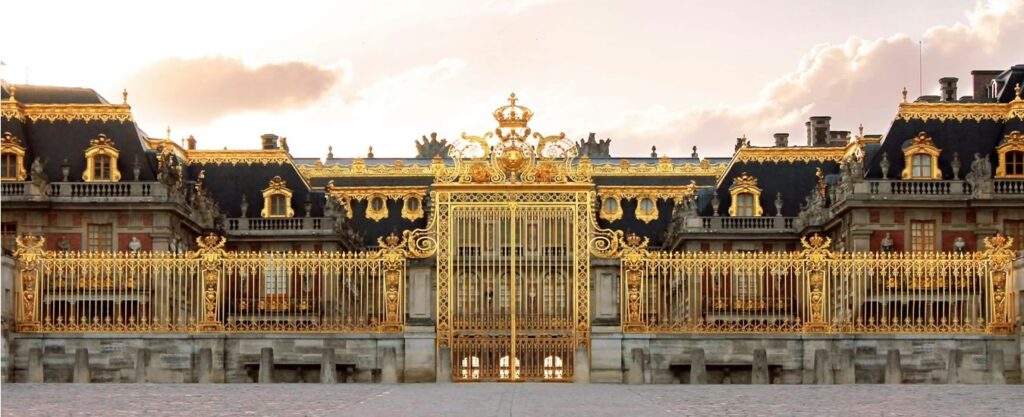
🇧🇷 POR | 🇫🇷 FR | 🇺🇸 EN | 🇪🇸 ES Have you ever dreamed of walking through corridors that were the stage for decisions that changed the course of history? The Palace of Versailles in France is more than just a tourist attraction—it’s a deep dive into the essence of royalty, art, and European architecture. With over 7 million visitors annually, it’s one of the most famous monuments in the world, revered for its grandeur and incredible detail. But with so much scattered information, many travelers feel lost: what’s really worth seeing? When should you go? How do you avoid those mile-long lines? In this guide, you’ll discover everything about the Palace of Versailles, with practical tips, incredible stories, and fun facts that will turn your visit into an unforgettable experience. Photo by Jean-Philippe Delberghe on Unsplash Get ready to walk through the same halls as Louis XIV and Marie Antoinette and understand why this place still fascinates the world. Are you ready to take this journey through time? Picture Yourself in the 17th Century: The Rise of the Palace of Versailles Imagine 17th-century France: powerful monarchs, a centralized court, and a king who wanted to show the world who was in charge. The Palace of Versailles started out modestly—a simple hunting lodge commissioned by Louis XIII. But his son, Louis XIV, the Sun King, had bigger ambitions: he wanted a palace worthy of being the center of the universe. Tip: Already know the Arc de Triomphe? If not, check it out here. Transforming that retreat into a symbol of absolutism was a monumental undertaking. More than 30,000 workers, architects, and artists were involved in the construction. Every detail, every room, and every garden was designed to reflect power, beauty, and control. The court was moved to Versailles, and there the king kept the nobles under his watchful eye. The palace became the political and cultural epicenter of France, until the outbreak of the French Revolution, when the royal family fled and the monarchy lost its power. Today, Versailles is a living memory of everything that was lost—and what remains. Photo available on Wikimedia Exploring the Treasures of the Palace and Its Gardens As you pass through the gates of Versailles, you’re met with centuries of art, luxury, and living history. Your itinerary starts in the magnificent Hall of Mirrors, stretching 73 meters long with 357 mirrors that reflected the monarchy’s opulence. It was here that the Treaty of Versailles was signed, ending World War I. The tour continues through the Royal Apartments, where you’ll explore the intimate spaces of kings and queens. The Royal Chapel, with its monumental organ, and the Gallery of Battles, showcasing over 30 historical paintings, round out the indoor journey. But it’s in André Le Nôtre’s gardens that the spectacle truly comes to life outdoors: dancing fountains, mythological sculptures, and meticulously planned symmetry. Don’t miss the Grand Trianon, a pink palace where the king sought privacy, and the charming Petit Trianon and Queen’s Hamlet, built for Marie Antoinette to play at being a peasant—a delicious irony of history. Plan Your Visit: Everything You Need to Know To make the most of Versailles, planning is key. The palace is about an hour from Paris and easily accessible via the RER C line. If you’re driving, take the D10 highway, with paid parking available. Opening hours vary by season: from 9 a.m. to 5:30 p.m. in winter and until 6:30 p.m. in summer. The palace is closed on Mondays. Tickets start at €19, with combo options for the gardens and Trianons. It’s best to buy in advance on the official website and, if possible, opt for priority entry. Photo by Şengül Keleş There are free audioguides, and the palace offers partial accessibility, with wheelchairs available. Wear comfortable shoes and be prepared to do a lot of walking. The best time to visit is between April and June or September and October—the weather is pleasant and crowds are smaller. Fun Facts That Will Surprise You About the Palace of Versailles Versailles holds fascinating secrets that few people know. For instance, the palace has over 67 secret internal staircases, used by servants and court members to move around discreetly. And did you know that Napoleon Bonaparte practically ignored the palace? He preferred more functional residences. Marie Antoinette, on the other hand, tried to escape the weight of royalty by creating her own “fake farm.” The Queen’s Hamlet even had hired milkmaids to make her routine feel “real.” Image by Tony Phelps from Pixabay During World War I and World War II, parts of the palace were used as a military hospital, sheltering wounded soldiers. And it was at Versailles that many of France’s first modern hydraulic systems were born, designed to power its 50 fountains. A Journey Through Time That Leaves a Mark on Your Soul Visiting the Palace of Versailles isn’t just a sightseeing trip—it’s a historical and emotional crossing. As you walk through its corridors and gardens, you relive the decisions, conspiracies, loves, and tragedies that shaped modern Europe. The impact is lasting: whether from its indescribable beauty or the atmosphere that blends pomp and drama. If you love history, art, or simply crave powerful experiences, Versailles will leave its mark on your soul. Add this gem to your France itinerary. Plan it with care, open your mind—and get ready to step back in time. FAQ – Frequently Asked Questions About the Palace of Versailles 1. How much time do I need to visit the Palace of Versailles?Ideally, set aside at least 5 hours to explore the palace, gardens, and Trianons. For a full experience, a whole day is highly recommended. 2. Can I visit the Palace of Versailles from Paris as a day trip?Yes, it’s one of the most common excursions. The train ride takes about an hour, with frequent connections throughout the day. 3. Do I need to buy tickets in advance?Yes, especially during peak season (spring and summer). Buy online to avoid lines and secure priority entry. 4.
Notre-Dame Cathedral, Paris: The Complete Guide for Your Visit
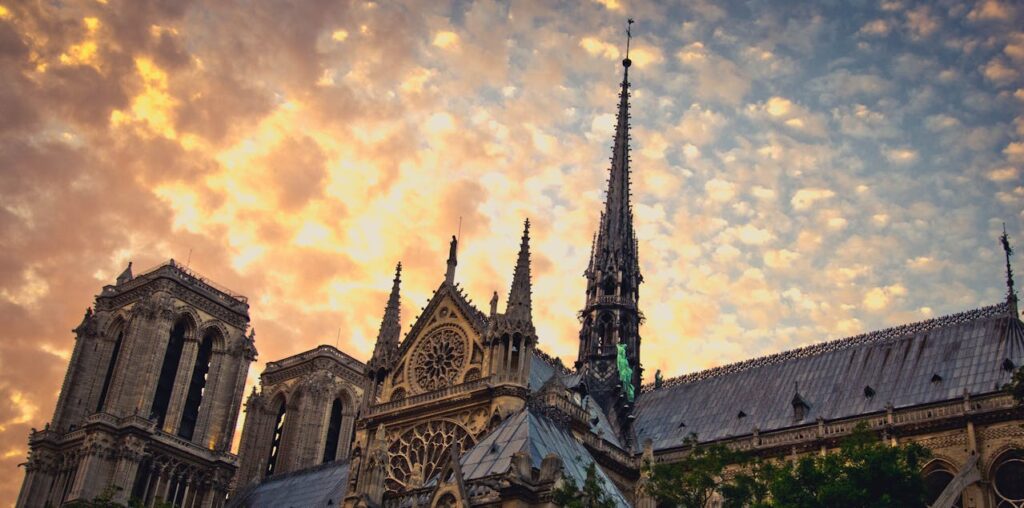
🇧🇷 POR | 🇫🇷 FR | 🇺🇸 EN | 🇪🇸 ES [object Object] Important tip: Notre-Dame Cathedral sits at the heart of the Latin Quarter — be sure to explore the medieval streets, historic cafés, and Shakespeare and Company in this vibrant, intellectual neighborhood of Paris. After visiting the cathedral, take the time to cross the Seine and explore the neighboring Latin Quarter, with its medieval streets, historic bookstores like Shakespeare and Company, and a lively nightlife scene of bars and jazz clubs.
Musée d’Orsay: Art, History, and Architecture Along the Seine in Paris
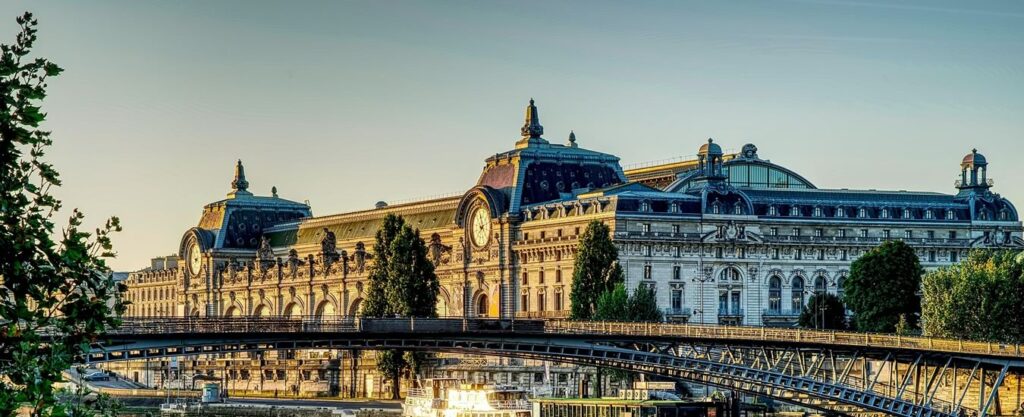
🇧🇷 POR | 🇫🇷 FR | 🇺🇸 EN | 🇪🇸 ES Important note: Still torn between the d’Orsay and the Louvre? Check out our full comparison with an itinerary for visiting both in one day: Louvre vs. Musée d’Orsay: Which One to Visit. [object Object] Important note: Make the most of your art museum visits in Paris and also explore the Centre Pompidou — another essential museum with revolutionary architecture and an impressive collection of modern art. Important note: If you loved the Musée d’Orsay, take the chance to explore the neighborhood next door — read our guide to Saint-Germain-des-Prés: Paris’s Literary District — historic cafés, bookshops, and the bohemian atmosphere of the Left Bank of the Seine, all just a ten-minute walk from the museum.
Champs-Élysées, Paris – The Ultimate Guide
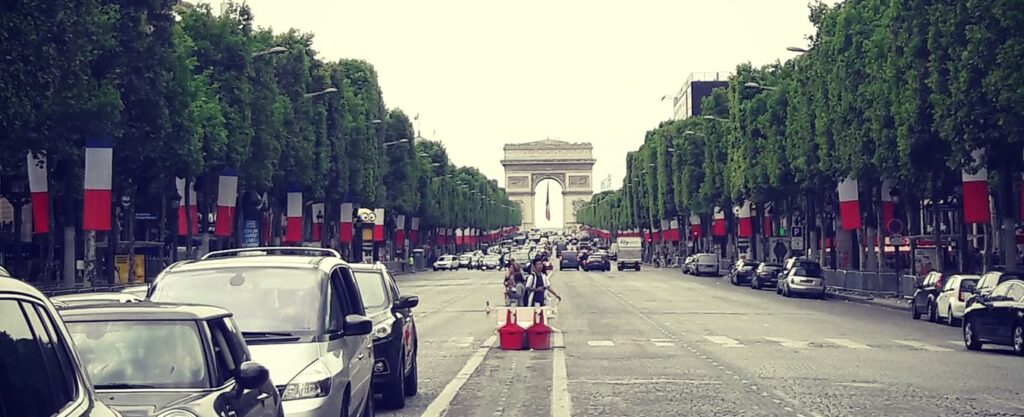
🇧🇷 POR | 🇫🇷 FR | 🇺🇸 EN | 🇪🇸 ES The Avenue des Champs-Élysées in Paris is so much more than just a street: it’s a symbol of French elegance, history, and culture. Stretching nearly 2 km from the Place de la Concorde to the Arc de Triomphe, this avenue is known as “the world’s most beautiful” and draws millions of visitors every year. Whether you’re here for luxury shopping, cultural strolls, or simply soaking up the Parisian atmosphere, the Champs-Élysées is an absolute must. Quick Highlights: What You Need to Know Tickets & Prices The Champs-Élysées is a public street, so access is free. However, attractions along the avenue may have costs: Prices verified in May 2025. Check official websites for updated rates. Tip: visit Notre-Dame Cathedral, check out our guide here. Opening Hours Hours are subject to change. Check official websites before your visit. How to Get There What to See and Do ⏳ Average visit time: between 2 and 4 hours, depending on your pace and stops for shopping or museums. Suggested Itinerary: Insider Tips Historical & Cultural Context The Champs-Élysées was laid out in the 17th century by André Le Nôtre, the landscape architect of Versailles, as an extension of the Tuileries Garden.The name comes from Greek mythology: the “Elysian Fields” were the paradise for heroes after death. During the French Revolution, and later in the 19th and 20th centuries, the avenue gained its glamour with the arrival of cafés, theaters, and shops. It also served as the stage for historic moments, like the liberation of Paris parade in 1944. Fun fact: The Champs-Élysées hosts the July 14th military parade and the finish line of the final stage of the Tour de France. Nearby Attractions: Where to Eat: Frequently Asked Questions 1. Do I have to pay to visit the Champs-Élysées?No. The avenue is public and free. Only some attractions along it charge an entrance fee. 2. What’s the best time to visit?Early morning or late afternoon is ideal, when there are fewer people and the light is perfect for photos. 3. Is it safe to visit at night?It’s safe, but as with any big city, it’s wise to stay alert, especially for pickpockets. 4. Are there public restrooms?Yes, there are paid and free restrooms along the avenue, especially near metro stations. 5. Can I visit with a stroller or wheelchair?Yes. The sidewalks are wide and accessible, and many establishments are wheelchair-friendly. 6. Can I enter the stores without buying anything?Absolutely. Visitors are welcome to browse window displays and the interiors freely. 7. Is there public Wi-Fi?Some spots offer free Wi-Fi, but using a data SIM card is more reliable. 8. Is the avenue closed on any days of the year?Yes, there are closures for events like the Tour de France and the July 14th parade. Check the official calendar before your trip. Conclusion The Champs-Élysées in Paris is so much more than a luxury address – it’s a cultural, historical, and visually stunning experience. Walking it is like getting a glimpse into the French soul: elegant, vibrant, and full of stories waiting to be told. Whether it’s your first or tenth visit to Paris, make sure to include this icon on your itinerary. ✨ Final tip: Bring your camera, comfortable shoes, and a little free time – the Champs-Élysées will surprise you at every turn. Useful Links If you’d like, I can convert this content into a WordPress blog format with optimized technical SEO. Would you like me to do that as well?
Luxembourg Gardens: The Green Heart of Paris
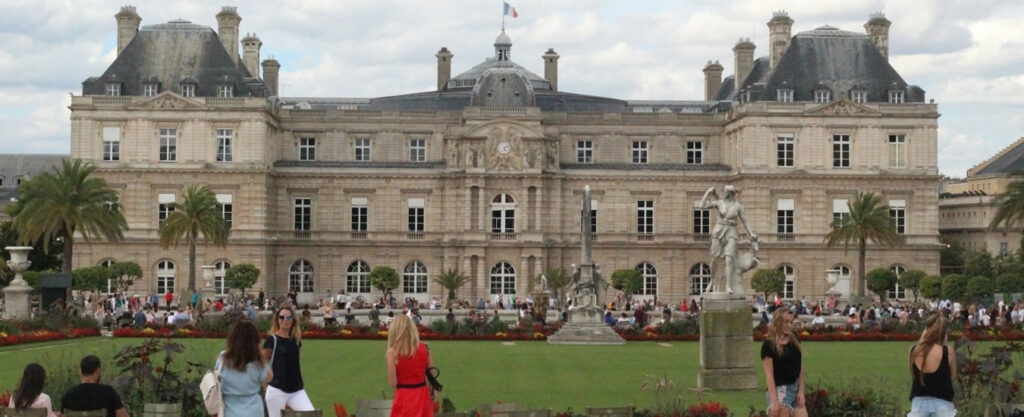
🇧🇷 POR | 🇫🇷 FR | 🇺🇸 EN | 🇪🇸 ES Ah, Paris! The city that dances between the elegance of Haussmann architecture and the understated charm of its bistros. But between the Eiffel Tower and the Louvre, there’s a sanctuary that beats with the city’s soul, a place where history meets everyday life: the Luxembourg Gardens. Whether you’re planning your trip to the City of Light or just dreaming of it, get ready to uncover the secrets of this green oasis that’s so much more than a park—it’s a complete, unmissable Parisian experience. Picture yourself strolling along immaculate pathways, between flowerbeds that look hand-painted and centuries-old trees whispering stories. The air is perfumed with the scent of roses and the cheerful buzz of children, while the afternoon sun peeks through the leaves. It’s no wonder the Luxembourg Gardens is a favorite spot for both Parisians and tourists—an irresistible invitation to dolce far niente, French-style. Here, every detail invites you to slow down and soak in the true essence of Paris. Tip: Visit the Arc de Triomphe and learn more about its history. The Royal Cradle: A Love Story with Italian Influence The story of the Luxembourg Gardens is as fascinating as its current beauty. It all began in the 17th century, when the powerful Marie de’ Medici, widow of Henry IV and mother of Louis XIII, longed for her native Florence. Missing the palaces and gardens of her Italian childhood, she decided to create her own Parisian version, inspired by the famous Boboli Gardens. In 1612, Marie acquired the land and commissioned the construction of the magnificent Luxembourg Palace, which today houses the esteemed French Senate and gives its name to this iconic space. The Italian influence is undeniable, especially in the style of its terraces and fountains. The original design, however, evolved over the centuries. The garden, which began as a royal estate, was gradually opened to the public, becoming a symbol of the democratization of leisure and beauty. It witnessed revolutions, passions, and moments of glory, solidifying itself as a vibrant stage of French history. Fun fact: Did you know the Luxembourg Gardens is home to Paris’s only public apiary? Yes, since 1856, beekeepers have been teaching the art of apiculture and producing local honey. A testament to how tradition and nature coexist in perfect harmony in this space, adding a special touch to your visit. A Mosaic of Beauty: From Flowerbeds to Living Sculptures As you step into the Luxembourg Gardens, you’ll be immediately enveloped by a visual symphony. The park is a masterpiece of landscaping, blending the formal elegance of French gardens (perfect symmetry, geometric flowerbeds that look like paintings) with the freer charm of English gardens (winding paths, unexpected nooks to get lost in). The gentle breeze rustling the leaves and the fresh scent of flowers are an invitation to explore every square meter. At the heart of the garden, the Medici Fountain stands out as a baroque jewel. Tucked away among leafy trees, this fountain is one of the most romantic and photogenic spots in the park—a true invitation to contemplation and the perfect shot for your social media. Not far away, the Fountain of the Observatory (also known as the Fountain of the Four Parts of the World), with its statues representing the continents, is another spectacle worth your attention. It’s the beauty of art in perfect harmony with nature, a point where architectural grandeur meets the lightness of landscaping. And speaking of art, the Luxembourg Gardens is a true open-air museum. Its pathways are dotted with dozens of statues of queens and illustrious women of France, figures like Mary Stuart, Joan of Arc, and Saint Genevieve. Walking among them is like flipping through a living history book, feeling the presence of these personalities who shaped France. Each sculpture tells a story, each bust invites reflection. How about trying to identify a few as you wander? Additionally, the garden houses the Orangerie, a building that protects orange trees and other exotic plants during winter. In summer, this space transforms, hosting temporary art exhibitions that add an extra cultural layer to your visit. A delight for botany and culture lovers alike, ensuring there’s always something new to discover. Living Luxembourg: Activities for Every Taste More than a breathtaking backdrop, the Luxembourg Gardens is a vibrant stage of Parisian life. It’s a place where you don’t just observe but participate in the city’s rhythm, feeling the local energy. At the center of the garden, the Grand Octagonal Basin is the heart of fun and nostalgia. There, children (and kids-at-heart!) rent miniature wooden sailboats and push them across the water with long sticks—a classic, nostalgic pastime that spans generations. It’s a scene straight out of a movie, and joining in is an authentic experience that yields incredible photos and genuine smiles. Could you resist the temptation? For the little travelers, the Guignol Puppet Theater is a must-stop. With shows that enchant generations, it’s a place where the magic of childhood comes to life and laughter echoes through the park. And if energy levels are high, there are fantastic playgrounds that will delight the kids, allowing parents to rest a bit on one of the many benches. But Luxembourg isn’t just for the young. Up for a physical challenge? There are tennis courts, pétanque courts (a French boules game that turns into a friendly competition), and even outdoor fencing lessons, showcasing the diversity of activities available. For those inclined toward learning, French and beekeeping classes are offered, highlighting the multifaceted vocation of this iconic garden. It’s also the perfect spot for an impromptu picnic. Bring a piece of cheese, a fresh baguette, a good wine, and watch Parisians reading, chatting, playing chess, or simply enjoying the tranquility. You’ll feel like part of this urban tapestry, living Paris like a local. Feel the texture of the grass (where allowed), the ambient sound of games and conversations, the taste of cheese and wine—a complete sensory immersion. A Refuge for Every Soul: From Couples
Luxembourg Gardens in Paris: An Unforgettable Stroll
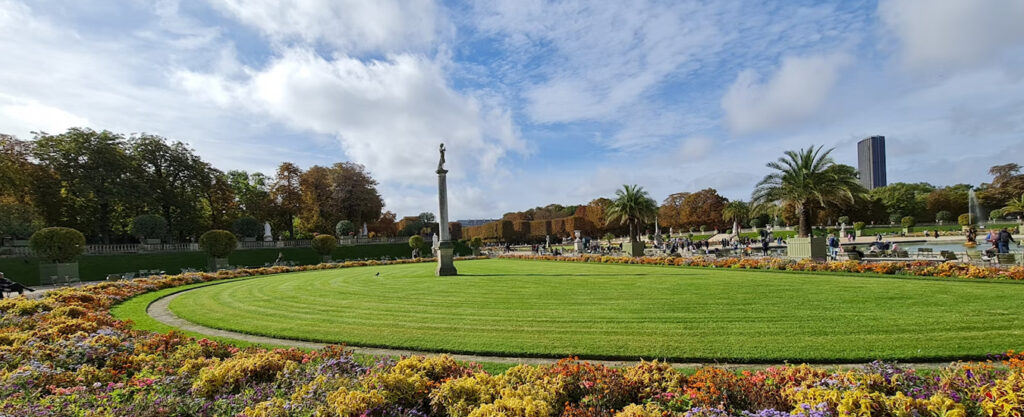
🇧🇷 POR | 🇫🇷 FR | 🇺🇸 EN | 🇪🇸 ES Have you ever heard of that special corner of Paris where time seems to slow down, the city’s sounds gently fade away, and the soul of the French capital reveals itself among shadows, flowers, and sculptures? The Luxembourg Gardens, or “Jardin du Luxembourg,” is exactly that place. A charming refuge that balances elegance, history, and an almost cinematic peace, right in the heart of the City of Light. Photo by Travel with Lenses Located in the sophisticated 6th arrondissement, this public park is more than just a green space – it’s a Parisian microcosm where Sorbonne students share benches with artists, retirees play chess under the trees, and enchanted tourists can’t decide whether to look at the sky, the flowers, or the glorious past sculpted into every detail. Where It All Began: Renaissance Roots on French Soil The origin of the Luxembourg Gardens dates back to 1612, when Marie de’ Medici, widow of King Henry IV of France and regent for the young Louis XIII, decided to create a new palace for herself with gardens that would remind her of her days in Florence. Inspired by the Palazzo Pitti and the Boboli Gardens, she commissioned the construction of the Luxembourg Palace and an Italian-style garden. Photo by Yusuf Ak on Unsplash However, as with everything in Paris, time shaped and transformed this space. Gradually, the French style was incorporated into the landscape, resulting in the garden we see today: a harmonious hybrid between French geometric rigor and Italian romantic grace. A Walk for the Senses: Discovering the Garden’s Charms Entering the Luxembourg Gardens is an experience in itself. The wrought-iron gates open onto tree-lined avenues flanked by chestnut trees and carefully arranged flowers. Straight ahead, your gaze is drawn to the Luxembourg Palace, now home to the French Senate, which lends the surroundings a solemn and noble aura. Walking further, one of the park’s greatest treasures emerges: the Medici Fountain. Hidden in the shade of ancient plane trees, it seems to greet visitors with its serene beauty. A bit further on, the Grand Bassin invites enchantment: an octagonal pond where children push colorful sailboats, smiling as if they’re in a French film. The scattered green chairs complete the charm of the place. Culture Around Every Corner Despite being a park, the Luxembourg Gardens has the soul of a museum. There are over a hundred sculptures scattered throughout the gardens. Among them are representations of French queens and famous artists. Another highlight is the Musée du Luxembourg, which hosts temporary art and history exhibitions. And for those visiting in the summer, there are free musical performances at the bandstand, as well as children’s plays at the traditional puppet theater. Activities for Every Style Those seeking relaxation find peace under the trees. Those who like to move can enjoy the tennis courts, jogging trails, or chess tables. Children have well-equipped playgrounds. Couples find this to be one of the most romantic spots in Paris. There are also kiosks and cafes perfect for pleasant breaks. A coffee with a view of the Grand Bassin could become the highlight of your day. Best Time to Visit Each season offers a different charm. Spring brings colorful flowers, summer livens things up with cultural events, autumn enchants with golden leaves, and winter invites introspection. The park is open every day. In summer, it’s generally open from 7:30 AM to 9:00 PM. In winter, it closes earlier, around 5:00 PM. Photo by Kamilla Isalieva on Unsplash How to Get to the Luxembourg Gardens Access is easy. The Luxembourg RER B station is very close. You can also use metro lines 4 and 10 (Odéon and Vavin stations). Walking from the Latin Quarter is an excellent option for those who want to soak in the surroundings. Image from Google Maps Extra Tips Bring a book, sit in one of the green chairs, and allow yourself to do nothing. If you want to go further, bring a baguette, cheese, and wine: voilà, a perfect Parisian picnic. Keep an eye on the cultural calendar: concerts, exhibitions, and fairs often take place, especially in summer and spring. The Garden Awaits You The Luxembourg Gardens is much more than a park: it’s a synthesis of the Parisian soul. Sophisticated without being snobbish, artistic without being inaccessible, historic without losing its lightness. A place where you can simply be. And in a city as intense as Paris, that is one of the most precious luxuries. Frequently Asked Questions 1. Is the Luxembourg Gardens free? Yes. Visiting the garden and its tree-lined paths is free. Some temporary exhibitions at the Musée du Luxembourg may charge an entrance fee, but access to the park is always free. 2. What are the opening hours? Generally, the park opens between 7:30 AM and 8:15 AM and closes between 5:00 PM (winter) and 9:30 PM (summer). It’s always a good idea to check the official Paris website before your visit for specific hours and any changes. 3. Can you have a picnic in the garden? Yes. There are large lawns perfect for spreading out a blanket. To respect local rules, avoid areas near the sculptures and never leave trash behind. 4. Are there restrooms available inside the park? Yes, there are public restrooms near the Medici Fountain and the Grand Bassin. They are free and maintained by the city of Paris. 5. Can I bring my pet? Dogs are allowed but must be kept on a leash and cannot go on the grassy areas. Always pick up after your pet to keep the garden clean. 6. Is there wheelchair access? Yes. The terrain is mostly flat, with compacted gravel paths. Main entrances have ramps, but there may be slight variations in the surface on some looser gravel sections. 7. What food options are available inside the park? There are kiosks selling drinks, ice cream, and quick snacks, as well as cafes near the main entrance where you can buy sandwiches and pastries.
The Panthéon in Paris: History, Tips, and Tickets
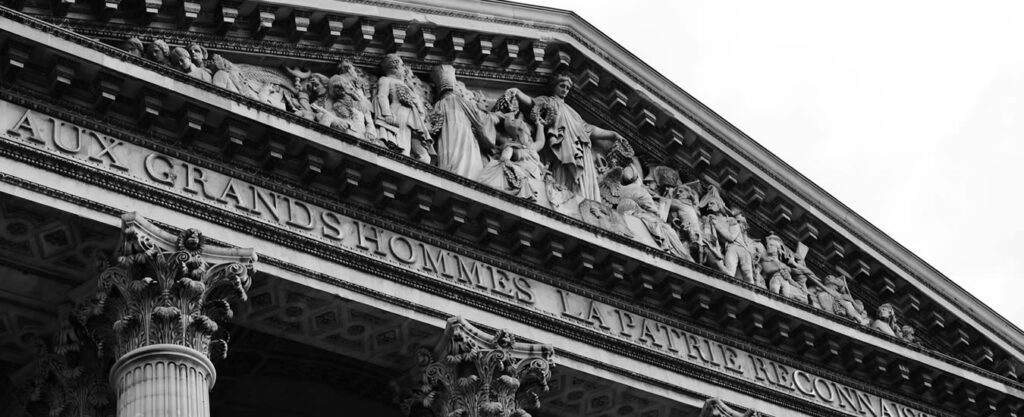
🇧🇷 POR | 🇫🇷 FR | 🇺🇸 EN | 🇪🇸 ES Paris is a city that reveals itself in layers—and at the heart of the Latin Quarter stands a monument that quite literally honors those who helped shape the soul of France: the Panthéon in Paris. Far more than just a beautiful building, it’s a meeting point of national history, neoclassical architecture, and reverence for the great minds of science, politics, and literature. If you’re planning your trip to Paris and want to experience one of the city’s most meaningful cultural landmarks—without making common mistakes or falling for tourist traps—this guide is for you. Here, you’ll find everything from the Panthéon’s fascinating history to practical tips and what to explore nearby. Ready? Let’s dive in. The Fascinating History of the Panthéon: From Church to National Mausoleum The Panthéon in Paris was originally built as a church dedicated to Saint Genevieve, the city’s patron saint, by order of King Louis XV in 1744, as thanks for his recovery from a serious illness. The project was entrusted to architect Jacques-Germain Soufflot, who aimed to blend Gothic lightness with the grandeur of Greco-Roman classical architecture—the result is one of the icons of European neoclassicism. Tip: Check out the Luxembourg Gardens on your trip to Paris. As the French Revolution gained momentum, the building was secularized in 1791 and transformed into a mausoleum for the “great men” of the nation. Since then, it has gone through several phases: sometimes a church, sometimes a mausoleum, until it was permanently converted into a secular temple of national memory. Historical tidbit: The first person buried here was Mirabeau, but he was soon removed after posthumous accusations. Among those resting here today are Voltaire, Rousseau, Victor Hugo, Marie Curie, Émile Zola, and Alexandre Dumas—an impressive gallery of names that shaped French culture and science. What to See Inside the Panthéon: A Visit Full of Meaning As you step through the imposing entrance columns, get ready for more than just a beautiful interior. A visit to the Panthéon is a journey through centuries of French history. The Dome and Neoclassical Architecture The central dome, soaring 83 meters high, dominates the Latin Quarter skyline. Inspired by St. Peter’s Basilica in Rome, it offers not only beauty but also access to the upper level, with an incredible panoramic view of Paris (open on specific dates in spring/summer). Foucault’s Pendulum One of the highlights is Foucault’s Pendulum, installed in 1851 as a scientific experiment to demonstrate the Earth’s rotation. The current replica still fascinates visitors with the simplicity and brilliance of the idea. The Frescoes and Paintings The walls are adorned with massive frescoes depicting scenes from the life of Saint Genevieve, Clovis, and French history. A true history lesson in images. The Crypt Heading down to the crypt, you’ll find the tombs of France’s greatest names. It’s a space of reverence and silence, where the weight of history seems to hang in the air. Essential Practical Info for Your Visit Plan your visit with this up-to-date info (last checked: May 2025—we recommend checking the official website for any changes): Ticket Section: Go City Paris PassPanthéon Paris TicketMusée d’Orsay TicketRodin Museum TicketAll Paris Tours Valuable Tips and Little-Known Curiosities Visiting the Panthéon in Paris can be even more rewarding with a few insider tips and tricks. Here are some recommendations many travel guides don’t mention: Best time to visit Go early in the morning, right when it opens. School groups and tour groups start arriving around 11 AM. Getting there early ensures more peace and quiet, especially for taking in the crypt and the dome at your own pace. Combine it with the Paris Museum Pass The Panthéon is included in the Paris Museum Pass, which can save you a good chunk of change if you plan to visit other paid museums and monuments in the city. It’s especially worth it on trips of 3 to 5 days. Use a digital guide app While the Panthéon has explanatory panels, the experience is much better with an audio guide. Apps like Rick Steves Audio Europe or izi.TRAVEL offer free tours in English that enrich your visit. Subtle details you can’t miss Photography is allowed, but be respectful Yes, you can take photos. But avoid flash and be respectful, especially in the crypt, where there’s an atmosphere of silence and contemplation. What to Do Around the Panthéon: A Quick Walking Itinerary The Panthéon’s prime location in the heart of the Latin Quarter offers great options for continuing your exploration on foot. Here are a few suggestions: A Stop That Stays with You The Panthéon in Paris is so much more than a historic monument: it’s a connection point between the present and the great names of France’s past. Whether you’re a history lover, a curious traveler, or a meticulous planner, visiting this place gives you a deeper understanding of what makes Paris a city of ideas and ideals. Don’t forget to check the updated hours, and if you can, include this visit in your first few days in Paris—it helps put everything else into context. Take your time exploring the surroundings and feel the intellectual pulse of the Latin Quarter. → Now it’s your turn: plan your visit and discover the quiet power of the Panthéon for yourself.And if you want more Paris tips, check out our other guides with personalized itineraries, time-saving hacks, and local insights.
Pantheon Paris Tickets and Hours
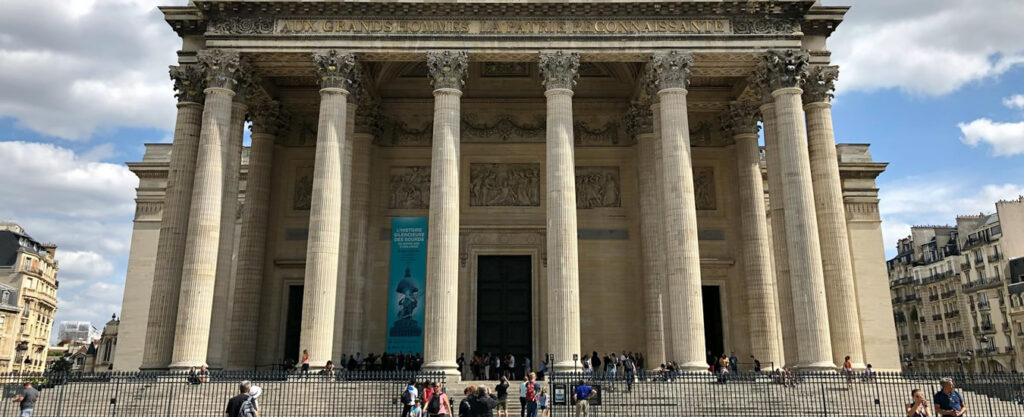
🇧🇷 POR | 🇫🇷 FR | 🇺🇸 EN | 🇪🇸 ES Located in the heart of the Latin Quarter, the Pantheon in Paris is one of the most fascinating buildings in the French capital—and it often flies under the radar among the most visited tourist spots. But this imposing neoclassical structure carries centuries of history, art, and tributes to France’s greatest names. Tip: The Luxembourg Gardens are an unmissable outing on your trip to Paris In this complete guide, you’ll find everything you need to know to include the Pantheon in your itinerary: how to visit, what to expect from the experience, valuable tips, historical curiosities, and suggestions for nearby attractions. Let’s make your visit memorable, informed, and hassle-free. History and Significance of the Pantheon The Pantheon was originally conceived as a church dedicated to Saint Genevieve, the patron saint of Paris. Construction began in 1758 under the orders of Louis XV and was only completed in 1790. However, with the French Revolution, the building’s purpose was transformed: from a religious space, it became the resting place for the “great men of the nation.” The architectural style of the Pantheon is a spectacle in itself—a fusion of classical Greek with French Gothic elements. Its triple dome rivals that of St. Peter’s Basilica in Rome. Amidst immense columns and Latin inscriptions, visitors quickly understand why the space commands so much respect and contemplation. Today, the Pantheon is a secular mausoleum where names like Voltaire, Rousseau, Victor Hugo, Émile Zola, and Marie Curie rest. It represents not only the history of France but also its values of liberty, knowledge, and honor for those who left a lasting legacy. What to See Inside the Pantheon Upon entering the Pantheon, prepare for an experience of visual and symbolic immersion. The first thing that catches your eye is the magnitude of the central space, crowned by a massive dome that lets in subtle natural light—creating an almost spiritual atmosphere. In the center, you’ll find the famous Foucault Pendulum, originally installed in 1851 by Léon Foucault to demonstrate the Earth’s rotation. Although the original installation has been replaced by replicas over time, the visual and scientific impact remains unwavering. The side chapels house frescoes depicting the life of Saint Genevieve and significant episodes from Christian and French history. Some of these works require a keen eye for details that might be missed on a rushed visit. The basement houses the crypt, where the tombs of historical figures are located. The atmosphere changes completely down there—quieter, colder, and more introspective. Each grave provides information about the lives and contributions of those honored, some with surprising details. A highlight is the tomb of Marie Curie, the only woman honored for scientific merit to this day. Practical Tips for Visiting the Pantheon If you want to visit the Pantheon with ease, the first step is to plan your timing well. It’s usually less crowded in the morning (especially between Tuesday and Thursday). Avoid weekends and holidays when the crowds swell considerably. 📍How to get there: The easiest way is by metro. The Cardinal Lemoine station (line 10) is less than a 10-minute walk away. Another nearby option is Luxembourg station (RER B). The neighborhood is very safe and pleasant for walking, so it’s worth exploring on foot. 🎟️Tickets: The standard price in 2025 is €13, with free entry for those under 18 and EU citizens under 26. Entry is free on the first Sunday of each month between November and March. Always check the official website before you go: panteon.monuments-nationaux.fr. 📅Hours: Open daily from 10 a.m. to 6:30 p.m. (last entry 45 minutes before closing). Closed only on January 1st, May 1st, and December 25th. In summer, hours may extend until 7 p.m. 🧭Accessibility: The monument is partially accessible for people with reduced mobility, but the crypt can present challenges. There are restrooms available and a small shop with books and themed souvenirs. Curiosities and Little-Known Facts Few people know that the Pantheon was almost demolished in the 19th century, when its political significance was questioned under different French regimes. It oscillated between religious and secular functions several times before being definitively consecrated as a national monument. Another often-overlooked point is that the dome offers an incredible panoramic view of Paris—especially of the Eiffel Tower, the Montparnasse Tower, and Notre-Dame Cathedral. The climb requires some stamina, but it rewards you with one of the most authentic views of the city. Finally, there are rumors that the underground tombs have caused unease among visitors over the years. Nothing officially confirmed, but reports of “strange” sensations and abrupt temperature changes are part of the site’s unofficial folklore. What to Do Around the Pantheon After leaving the Pantheon, take the chance to explore the Luxembourg Gardens, one of the most beautiful and relaxing parks in Paris, just a 5-minute walk away. Ideal for a break after your visit, with public chairs, fountains, and geometric gardens. Just steps away is the Sorbonne, a historic university that breathes intellectuality. The whole area is an invitation to a leisurely stroll, with typical cafés, centuries-old bookstores, and charming narrow streets. It’s worth getting lost there. Another interesting spot is the Church of Saint-Étienne-du-Mont, located right behind the Pantheon. Less visited but stunningly beautiful, it houses the reliquary of Saint Genevieve and features impressive medieval stained glass. A bonus for those who appreciate quiet, meaningful places. The Pantheon in Paris is so much more than a building The Pantheon in Paris is so much more than a pretty building: it’s a gateway to the soul of France. As you cross its monumental columns, you connect with centuries of history, science, art, and the struggle for freedom. It’s an experience that combines knowledge, introspection, and beauty. Whether you’re an architecture lover, a history buff, or simply someone looking to see something different in Paris, the Pantheon deserves a spot on your itinerary. Plan your visit well, explore the surroundings, and take away a new perspective on the French capital. Quick Summary: Pantheon Paris