Paris in a New Light: The Seine River Like You’ve Never Seen It
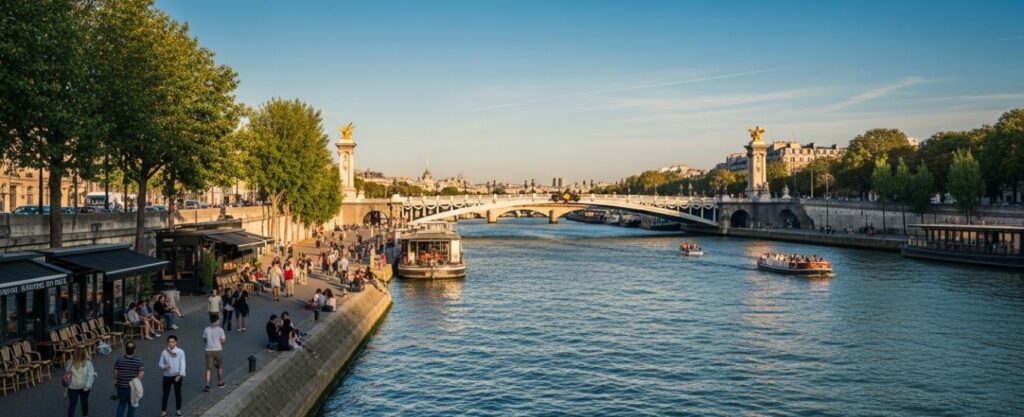
🇧🇷 POR | 🇫🇷 FR | 🇺🇸 EN | 🇪🇸 ES Imagine gliding through waters that have witnessed two millennia of history, with iconic monuments emerging around every bend of the river. The Seine isn’t just a waterway that splits Paris—it’s a unique perspective of the city you simply can’t miss. A Fresh Perspective on Paris The 13 kilometers of the Seine that flow through Paris offer what no tour guide can: privileged views and surprising angles of the city’s top landmarks. Aboard a “bateau mouche,” you’ll discover a different Paris, where the Louvre, the Eiffel Tower and Notre-Dame unfold in cinematic sequence, like scenes from an exclusive movie playing just for you. Bridges You Need to Explore Each of the 37 bridges crossing the river has its own personality. Walk across the centuries-old Pont Neuf and feel the energy of generations beneath your feet. Snap a photo of the ornate Pont Alexandre III with its golden statues gleaming in the sun. These structures aren’t just crossings—they’re perfect viewpoints for your photos, platforms for contemplation, and places where unforgettable memories are made. Seine River | AI-generated by Marcelo Oliveira Hidden Islands in the Heart of the City The Seine’s true treasure? Its three islands. On Île de la Cité, you’ll stand exactly where Paris was born over two millennia ago. The elegant Île Saint-Louis offers quiet alleyways away from the crowds, with some of the best ice cream shops in town. And the lesser-known Île aux Cygnes holds a surprise: a smaller version of the Statue of Liberty that provides unique photo ops with the Eiffel Tower in the background—a secret few tourists ever discover. An Experience for Every Time of Day The Seine transforms throughout the day. In the morning, as the city wakes up, it offers tranquility for crowd-free photos. By afternoon, its banks come alive with spontaneous picnics and street performers. At dusk, the river takes on golden hues that turn its waters into magical mirrors. And at night, when the city lights reflect on its surface, you’ll understand why Paris is truly the “City of Light.” Eiffel Tower | AI-generated by Marcelo Oliveira Cruise Like a True Parisian For an authentic experience, book a boat tour at sunset. As the lights begin to flicker on and the monuments get their special illumination, the city reveals its magic in full. Dinner cruises offer French cuisine while you glide under centuries-old bridges—a perfect combination of flavors and views that will be etched in your memory. Seine River | AI-generated by Marcelo Oliveira The Seine isn’t just another attraction on your list—it’s a transformative experience that completely changes your perception of Paris. Whether you’re cruising its waters or exploring its banks, the river offers moments that will be the highlight of your trip. Come discover why, for centuries, travelers, artists, and dreamers have been drawn to its waters—and why you will be too. Important bonus: if you want to explore the Seine on foot, check out our guide to the most beautiful bridges in Paris—each one has a story and a unique photo angle. If you want to complement your experience with special summer events, also check out Paris Plages 2026, which transforms the banks of the Seine into an urban beach during July and August.
Trocadéro Gardens Captivate Millions of Travelers Every Year

🇧🇷 POR | 🇫🇷 FR | 🇺🇸 EN | 🇪🇸 ES The Trocadéro Gardens aren’t just a park in Paris—they’re a symbol of French elegance and history. With a prime view of the Eiffel Tower, grand sculptures, and imposing fountains, this green space wins over tourists and locals alike every single day. Nestled in the heart of the 16th arrondissement, the gardens blend architectural beauty, culture, and leisure, creating an unmatched visual and historical experience. In this article, you’ll dive deep into their history, structure, and current role as one of Paris’s most beloved landmarks. Trocadéro Gardens | AI-generated by Marcelo Oliveira History of the Trocadéro Gardens, 19th-Century Origins The first Trocadéro Gardens were created for the 1878 World’s Fair, on the site of the former Palais du Trocadéro. Inspired by Oriental and Moorish styles, the palace and its original gardens aimed to showcase French cultural power to the world. The construction of the gardens and palace marked France’s desire to modernize Paris without abandoning its imperial heritage. The name “Trocadéro” comes from the French victory at the Battle of Trocadéro in 1823, in Spain, giving the site a triumphant aura from the very start. Renovations for the 1937 Exhibition During the 1930s, the old palace was demolished and replaced by the Palais de Chaillot, the current architectural landmark of the area. The renovation was led by architects like Léon Azéma and Jacques Carlu and accompanied by the creation of the modern gardens. Trocadéro Gardens | AI-generated by Marcelo Oliveira The new version of the Trocadéro Gardens was inaugurated for the 1937 International Exhibition. The landscape design was reimagined with classic lines, monumental fountains, and symbolic sculptures—cementing the space as a Parisian postcard. Proximity to the Eiffel Tower The Trocadéro Gardens are directly aligned with the Eiffel Tower, across the Seine River. This positioning gives visitors one of the most photogenic and romantic views in the city—especially at sunset. Moreover, the alignment with the Eiffel Tower makes the spot a must-visit for anyone wanting a perfect shot of the “Iron Lady.” This visual synergy between nature, architecture, and monument is what makes Trocadéro a truly unique place in the world. Image by Danor Aharon from Pixabay How to Get to the Gardens? The easiest way to reach the Trocadéro Gardens is via the Paris metro. The Trocadéro station (lines 6 and 9) drops you just steps away. There are also tourist buses and public bike lanes passing through the area. For those walking from the Eiffel Tower, simply cross the Pont d’Iéna to access the gardens. The strategic location also offers easy connections to other landmarks, like the Arc de Triomphe and the Champs-Élysées. Warsaw Fountain and Sculptures The architectural highlight of the Trocadéro Gardens is the Warsaw Fountain. Made up of a series of cascading basins, 20 water cannons, and nighttime lighting, it transforms the space into a visual spectacle. The gilded bronze sculptures scattered throughout the gardens depict mythological, human, and animal figures, adding symbolic layers to the landscape. Artists like Paul Landowski (the same behind Christ the Redeemer) contributed pieces that still captivate visitors. Warsaw Fountain | Photo by Patricia Bozan French Geometric Gardens The garden style is inspired by the classic French tradition, with geometric flowerbeds, symmetrical paths, and an organization centered on aesthetics and order. Pruned trees, expansive lawns, and well-placed sculptures give the space an air of sophistication. This attention to landscaping isn’t just decorative—it also follows the principles of French power architecture, which uses control over nature as a demonstration of civilization and refined culture. Nearby Museums (Museum of Man, etc.) The area around the gardens is rich in cultural attractions. Inside the Palais de Chaillot, you’ll find the Museum of Man (Musée de l’Homme), the Museum of Architecture and Heritage (Cité de l’Architecture), and the National Theater of Chaillot. These museums offer a parallel experience to the natural beauty of the gardens, allowing visitors to dive into the history of humanity, architecture, and dramatic arts without leaving the area. Cultural Performances and Events Trocadéro frequently hosts public events, outdoor exhibitions, and music and street art performances. It’s common to see dancers, musicians, and artists performing in front of the fountain or on the terraces overlooking the Eiffel Tower. During the European summer, the spot transforms into a true urban stage, with festivals promoted by the Paris city hall, which leverages the space’s appeal to encourage free cultural events. Photo by Anna Urlapova Favorite Photo Spot in Paris There’s no doubt that the Trocadéro Gardens are one of the most photographed spots in France. Tourists from around the world gather here to capture the iconic image of the Eiffel Tower in the background, with the fountain and gardens in the foreground. Beyond casual photos, the location also serves as a backdrop for wedding shoots, fashion editorials, and even films. The perfect symmetry and vastness of the space make Trocadéro a true open-air studio. So Much More Than a Beautiful View The Trocadéro Gardens are far more than a pretty park with a view of the Eiffel Tower. They are a link between history and the present, between the classic and the modern, between leisure and culture. They represent the soul of Paris in its most visible and visitable form. As you stroll along its pathways or watch the sunset reflect off the fountain, you’re not just appreciating the beauty of the place—you’re connecting with the tradition, art, and innovation of the French capital.
Trocadéro Gardens: The Best Spot to See the Eiffel Tower
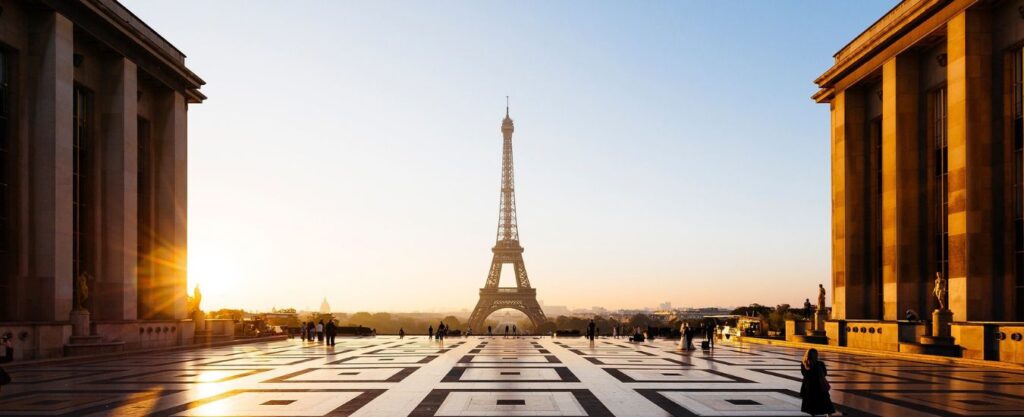
🇧🇷 POR | 🇫🇷 FR | 🇺🇸 EN | 🇪🇸 ES You arrive in Paris full of expectations. You imagine the smell of croissants in the air, charming cafés on every corner, and, of course, the Eiffel Tower sparkling in the background. But what you might not know yet is that the best place to see—and feel—all of this intensely is on the other side of the Seine, at the Trocadéro Gardens. This is one of those little corners of Paris that isn’t just beautiful. It pulls you in, surprises you, and turns a simple visit into a cinematic memory. If you’re putting together your itinerary, here’s a golden tip: before you rush to stand under the Eiffel Tower, stop, take a deep breath, and come to Trocadéro first. The panoramic view is the most striking in the city. When you step out of the Trocadéro metro station and head toward the esplanade, that moment every tourist dreams of happens: the tower appears in full, majestic, framed by symmetrical gardens, bubbling fountains, and an urban backdrop that seems tailor-made for unforgettable photos. Trocadéro Gardens | photo by Soly Moses And it’s not just for looking—here, you live Paris. The Trocadéro Gardens are spacious, tree-lined, filled with sculptures, and surrounded by attractions. Perfect for anyone who wants to explore, relax, take photos, watch the ebb and flow of Parisians, and feel the real rhythm of the city. Let’s dive into what you’ll see, do, and feel here. A Stroll That Starts with a Visual Spectacle As you leave the esplanade of the Palais de Chaillot and head down the stairs, you step into one of Paris’s most iconic scenes. The lawn slopes down toward the central fountain, the Fountain of Warsaw, a cascade of water jets that come to life throughout the day and, in the summer, become a show in themselves. On sunny days, the gardens fill with tourists, families, and couples lounging on the grass with baguettes, cheese, and glasses of wine. A true Parisian experience—relaxed, charming, authentic. Everything there is designed to create the perfect frame for the Eiffel Tower. And it works: at dusk, the golden sunlight reflects off the fountain’s waters and the rooftops of the surrounding buildings, creating a magical atmosphere. If you’re planning photos, this is the spot. And if you just want to soak it all in, this is the spot too. Palais de Chaillot | Photo by Patricia Bozan What to See Around the Trocadéro Gardens Trocadéro isn’t just a viewpoint—it’s a cultural and historical hub of the city. At the top of the esplanade, you’ll find the Palais de Chaillot, a monumental building constructed for the 1937 World’s Fair. Today, it houses several museums that can enrich your visit even more: Musée de l’Homme (Museum of Mankind) – A fascinating anthropology museum that showcases human evolution and cultures from around the world. Musée National de la Marine (National Maritime Museum) – Recently reopened, it’s an invitation to dive into France’s naval history. Cité de l’Architecture et du Patrimoine (City of Architecture and Heritage) – A paradise for anyone interested in French architecture and historical heritage. And the best part: all these museums offer views of the Eiffel Tower from their balconies and windows. If you want to escape the crowds a bit and see the tower from a quieter angle, visiting one of these museums is a fantastic option. Photo by Mikhail Nilov Another cool thing is that by walking down through the gardens and crossing the Pont d’Iéna, you’ll be just minutes from the base of the Eiffel Tower. This short walk is incredible: you cross the Seine, hear the sounds of the city, see street performers, feel the wind, and soak up the vibe of being in the heart of Paris. It’s a moment every traveler should experience without rushing. Practical Tips to Make the Most of Your Visit You don’t need to spend a dime to enjoy the Trocadéro Gardens. It’s a completely public space, open all day. But a few tips can make a big difference in your experience: If you can, go early. The sunrise there is quiet, with few tourists and a soft light that makes everything even more beautiful. It’s the perfect time for photos without the crowds and to feel the freshness of the city waking up. If you want to see the Eiffel Tower sparkle, come back at night. Every hour on the hour, from 10 PM to 1 AM (daylight saving time), the tower twinkles for five minutes with thousands of golden lights. Watching this from the steps of Trocadéro is spine-tingling. And if you’re traveling with kids, the garden is a hit too. There are spaces to run, play, and watch ducks swimming in the reflecting pools. It’s one of the few places where little ones can let loose a bit while the adults relax or have a picnic with a view of one of the world’s most famous landmarks. Where to Eat Nearby (and Taste Paris) After all that beauty, you’ll naturally want to sample some local flavor. The area around Trocadéro has great cafés, boulangeries, and restaurants with varied menus—from quick sandwiches to traditional French dishes. Image by Engin Akyurt from Pixabay If you want a more special experience, check out Café de l’Homme, inside the Palais de Chaillot. It has one of the most privileged views of the Eiffel Tower, especially at night. Perfect for a romantic dinner, a celebration, or simply toasting to life in style. But if you’re going for something more casual, grabbing a croissant or a quiche from a nearby bakery and sitting on the grass in the gardens can be one of the best meals of your trip. In Paris, luxury is often found in the simple details. A Starting Point for More Discoveries Being at the Trocadéro Gardens puts you in a strategic location. From there, you can walk or take the metro to several other attractions: The Champ de Mars, right behind the Eiffel Tower,
Sainte-Chapelle Paris: The Ultimate Guide to France’s Most Stunning Stained Glass
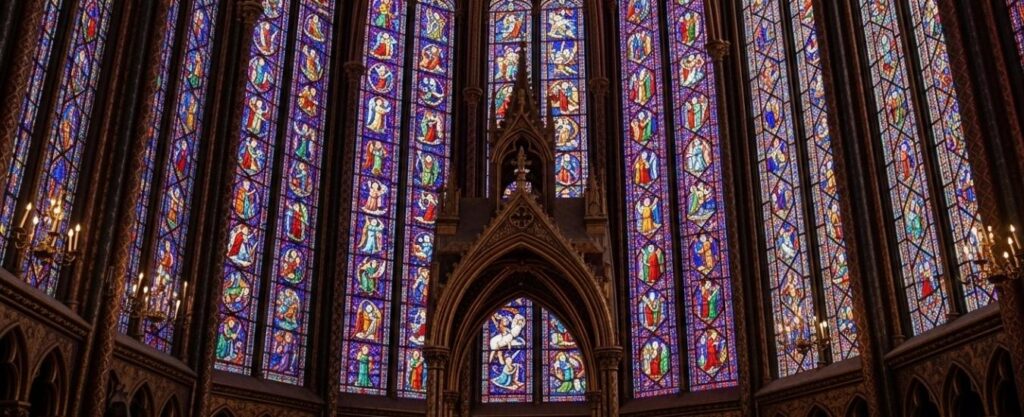
🇧🇷 POR | 🇫🇷 FR | 🇺🇸 EN | 🇪🇸 ES Summary Sainte-Chapelle The Sainte-Chapelle Paris is one of the most breathtaking jewels of European Gothic architecture, built in the 13th century by King Louis IX to house relics of Christ’s Passion. Located on the Île de la Cité, within the former Palais de la Cité, it’s famous for its 1,113 colorful stained-glass windows that transform the interior into a spectacle of light and color. The official address is 8/10 Boulevard du Palais, easily accessible via the Cité metro (line 4) or the RER Saint-Michel. In 2025, tickets range from €13 to €19, depending on the season, and there’s a combo ticket option with the Conciergerie. Admission is free for visitors under 18, EU youth up to 25, and other categories, but everyone must book a time slot online. Opening hours are 9 AM to 7 PM (April to September) and 9 AM to 5 PM (October to March). The visit typically takes about 2.5 hours, and the best time for photos is in the morning, when natural light brings the stained glass to life. The site is accessible for visitors with reduced mobility, allows photography without flash, and is just steps from other attractions like Notre-Dame and Seine river cruises. History and Architecture of Sainte-Chapelle Sainte-Chapelle is a masterpiece of the Rayonnant Gothic style, which pushes medieval architecture to the limits of lightness, replacing stone walls with true curtains of colored glass. It was built between 1242 and 1248 by order of King Louis IX, later canonized as Saint Louis. The chapel’s original mission was grand: to serve as a reliquary for sacred objects from Christ’s Passion, including the Crown of Thorns, which the monarch had acquired at a hefty price. During the French Revolution, the chapel suffered severe damage—some stained glass was dismantled, and part of the structure was even used as a warehouse. However, its historical significance ensured restoration efforts throughout the 19th century, led by architects like Viollet-le-Duc, and more recently between 2008 and 2015, when the stained glass and facade were protected with new layers of glass. The result is that today, visitors find a space that preserves its original splendor, adapted to modern realities. The Stained Glass of Sainte-Chapelle: A Bible in Color Stepping into the upper chapel feels like diving into a living work of art. There are 15 stained-glass panels, nearly 50 feet high, that tell the story from Genesis to the life of Christ in meticulous detail. Each window is a visual narrative, and together they form one of the most complete collections of medieval stained glass still preserved in the world. The most impressive part is the 15th-century rose window, facing west, composed of 89 panels depicting the Apocalypse. Intense shades of blue and red dominate the scene, while silver details add sparkle. As the light shifts throughout the day, the colors seem to come alive, revealing different aspects with each visit. It’s this interplay between light and glass that makes Sainte-Chapelle such an unforgettable experience. Tickets, Hours, and Practical Information To visit Sainte-Chapelle in 2025, it’s important to keep an eye on prices and hours. From April 1 to September 30, the chapel is open from 9 AM to 7 PM. From October 1 to March 31, it runs from 9 AM to 5 PM. Tickets cost €19 during high season (June to September), with a discount on Wednesdays (€13). The combo ticket with the Conciergerie is €25 (€20 on Wednesdays). Outside this period, the price drops to €13 individually or €20 for the combo. Visitors under 18, EU youth up to 25, people with disabilities, and other categories get in free, but they still need to book a time slot online. It’s always best to buy tickets on the official website to avoid inflated prices from resellers. The average visit time is around two to three hours, including entry, the security line, and admiring the stained glass. Tripods aren’t allowed, but you can take photos without flash. For those with reduced mobility, the site offers accessibility features, ramps, and specific services. Best Time to Visit and Useful Tips The experience inside Sainte-Chapelle varies greatly with natural light. Morning is usually the best time, as the sun’s rays stream through the stained glass, bathing the chapel in intense hues. Sunny days deliver a full spectacle, but even on cloudy days, the effect is mesmerizing. Keep in mind that the first free Sundays of the low-season months draw huge lines, which can take over an hour. To make the most of your visit, it’s best to avoid those days or arrive very early. Another key point is to book tickets in advance, as demand is high, especially during the European summer. Location and Nearby Attractions Sainte-Chapelle is located on the Île de la Cité, one of the most symbolic spots in Paris, right in the heart of the Seine. This strategic location makes it easy to pair your visit with other attractions, like the Notre-Dame Cathedral, just a few minutes’ walk away, or the Conciergerie, a former royal prison that’s part of the same historic complex. You can also stroll to the Marais, a neighborhood known for its charming vibe, cafés, and boutiques, or cross the Pont Neuf to explore the Latin Quarter, packed with bookshops and bistros. To cap off the day in style, nothing beats a Seine river cruise at sunset, taking in Sainte-Chapelle itself and other illuminated monuments. How Much Time to Dedicate to the Visit Many tourists think a quick stop is enough to see Sainte-Chapelle, but that’s a common mistake. The space deserves at least two hours of contemplation, since each stained-glass panel holds details that only reveal themselves when observed calmly. Plus, the wait time at the entrance can eat into your schedule, especially during busier periods. If you’re planning to combine it with other attractions on the Île de la Cité, it’s best to set aside half a day for this part of your itinerary, allowing time to
New Year’s Eve in Paris 2026: The Ultimate Guide to Ringing in the New Year

🇧🇷 POR | 🇫🇷 FR | 🇺🇸 EN | 🇪🇸 ES Few cities in the world can turn New Year’s Eve into a spectacle as cinematic as Paris, and New Year’s Eve in Paris 2026 promises to be even more unforgettable. Music shows and digital projections on the Champs-Élysées are already confirmed, along with the traditional light show at the Eiffel Tower, which this year will be even more interactive and sustainable. For those seeking an exclusive experience, options include Seine River cruises, gala dinners at Michelin-starred restaurants, and glamorous parties at cabarets, with prices ranging from €150 to €600. But the best part? The main attraction—the celebration on the Champs-Élysées—is free and open to everyone. Is there a more Parisian way to welcome the new year? While Paris welcomes millions of tourists on this magical night, the city organizes itself impeccably so that every visitor has the chance to experience something special. From public transportation running until the early morning to enhanced security and tourist assistance points, everything is designed to welcome families, couples, and solo travelers. The 2026 New Year’s Eve will be marked by technological innovations, parallel cultural events, and a party atmosphere that blends tradition and modernity. But what exactly can you expect from this experience, and how can you best prepare? What to Expect from New Year’s Eve in Paris 2026 New Year’s Eve in Paris 2026 will be defined by a fusion of technology, culture, and popular celebration. Live shows, cutting-edge digital projections on the Arc de Triomphe, and a luminous spectacle at the Eiffel Tower have already been confirmed by the city hall. For those seeking glamour, Michelin-starred restaurants and themed parties on Seine cruises offer a more intimate atmosphere. But is it better to choose the vibrant crowd or a more exclusive experience? The Atmosphere on the Champs-Élysées Being on the Champs-Élysées during the countdown is like joining a giant collective hug. Thousands of people from different countries gather under the Christmas lights still adorning the avenue. The countdown is accompanied by music, smiles, and impromptu glasses of champagne. For New Year’s Eve 2026, a projection show on the Arc de Triomphe is planned, highlighting historic moments of the city and a message of hope for the future. Can you imagine the emotion of watching this spectacle live? Eiffel Tower Light Show The Eiffel Tower, France’s ultimate symbol, is the great icon of the night. In 2026, the show will be more interactive, using 3D mapping technology and sustainable effects with fewer traditional fireworks and more light displays. This spectacle will be visible from various points around the city, especially along the banks of the Seine River. Many choose to spread a blanket in nearby squares or simply stop to watch the show while strolling. Where would you choose to see the Iron Lady lighting up the sky? Confirmed Public Events for 2026 Paris city hall has already confirmed three major free events for the night of December 31, 2025, heading into 2026: a music show on the Champs-Élysées, visual projections on the Arc de Triomphe, and the Eiffel Tower light show. Additionally, there will be a parallel cultural program featuring performances by local artists in different neighborhoods, celebrating French musical diversity. How can you resist the idea of experiencing such a vibrant and accessible New Year’s Eve? Practical Information for New Year’s in Paris Traveling to Paris for New Year’s requires organization, as millions of tourists compete for space at the city’s main spots. Choosing the right place to spend the countdown is essential, but just as important is knowing how to get there, where to stay, and how to get around. What should you consider before planning your Parisian New Year’s Eve? Location and Meeting Points The Champs-Élysées is the heart of the party, but it’s not the only place where the city buzzes. Place du Trocadéro, facing the Eiffel Tower, is another prime spot, especially for those wanting to see the light show. For those who prefer something quieter, neighborhoods like Montmartre offer panoramic views and a more intimate atmosphere. Where do you imagine yourself celebrating midnight in Paris? Public Transportation and Accessibility On New Year’s Eve, the Paris metro runs late, and some lines operate for free to help visitors get around. The city boosts security with extra police presence in high-traffic areas. This makes the experience accessible and safe for families and solo travelers. Is there a better way to explore Paris than relying on such an efficient public system? Tickets, Prices, and Advance Reservations While the main celebration is free, private parties, cruises, and dinners require advance booking. Prices vary depending on the type of experience: a dinner cruise on the Seine can cost between €250 and €500 per person, while a dinner at a restaurant with an Eiffel Tower view can exceed €600. Is it worth investing in a luxurious night, or should you dive into the contagious energy of the streets? Exclusive Experiences and Fun Facts Paris isn’t just an open-air party—it’s also an invitation to sophisticated experiences. Whether it’s an elegant dinner or a show at a historic cabaret, every detail is designed to make the night unique. But which options are drawing the most attention in 2026? Seine River Cruises Spending New Year’s Eve sailing down the Seine is like stepping into a moving postcard. Throughout the night, the cruises offer a full dinner, live music, and a privileged view of the illuminated Eiffel Tower. Some even include a dance floor after midnight, extending the celebration. Can you picture yourself toasting the new year on a boat gliding along the Seine? Cabarets and Luxury Restaurants Icons like the Moulin Rouge and the Lido de Paris offer New Year’s Eve packages that include gourmet dinners, dance shows, and live performances. Michelin-starred restaurants, like the Jules Verne, located inside the Eiffel Tower, are the perfect choice for those seeking exclusivity. Is there a more romantic setting to welcome the new year? French New Year’s Traditions Beyond the parties, the
Fête des Tuileries 2026: The Free Amusement Park Taking Over Central Paris
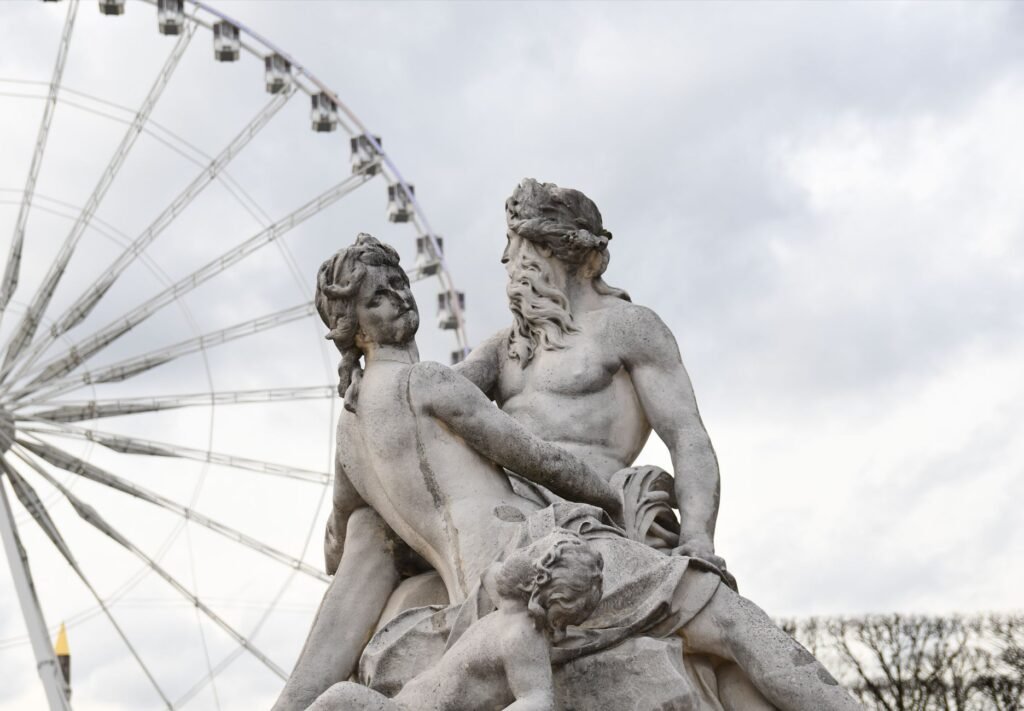
🇧🇷 POR | 🇫🇷 FR | 🇺🇸 EN | 🇪🇸 ES If you’re planning a trip to Paris between June and August 2026, get ready for a slightly unexpected scene right in the heart of the city: a Ferris wheel, a roller coaster, a hall of mirrors, and the smell of sweet crepes in the air—all just steps from the Louvre Museum. This is the Fête des Tuileries, the traditional amusement park that takes over the Jardin des Tuileries during the European summer. For anyone visiting Paris at this time, it can become a memory as unforgettable as any classic postcard of the city. What Is the Fête des Tuileries? The Fête des Tuileries is a fête foraine, or traveling amusement park, that sets up every year in the Jardin des Tuileries, between the Louvre and the Place de la Concorde. It’s not a new attraction—Parisians look forward to it the way they wait for summer to arrive—but the 2026 edition has a detail worth knowing about before you pack your bags. The park brings together around 60 attractions, mixing thrill rides (roller coasters, free-fall towers, simulators) with calmer, even nostalgic options, like the wooden carousel that dates back to 1900. There are also classic fair games: chamboule-tout (the can knockdown game), duck fishing, shooting galleries, bumper cars, and the famous hall of mirrors, which always delivers laughs (and photos) for the whole family. When Does the Fête des Tuileries 2026 Take Place? The 2026 edition runs from June 20 to August 23, every day from 11:00 AM to 11:30 PM. That means you can easily fit it in for a late afternoon visit after a full day of museums, or enjoy it at night when the park’s lights blend with the Parisian sunset—which in the middle of summer doesn’t happen until nearly 10:00 PM. This is one of those details no tourist expects to find on their itinerary: arriving tired from an afternoon at the Louvre and stumbling upon colorful lights, music, and the smell of popcorn right at the museum’s exit. The 2026 Highlight: The Big Wheel Next to the Olympic Basin A Little Piece of the Paris 2024 Games That Stayed One of the coolest things about this year’s edition is that the Grande Roue de Paris (the Big Wheel) will be set up right next to the basin used during the Paris 2024 Olympic Games, installed in the Tuileries Garden as part of the Olympic legacy. For anyone who followed the Olympics on TV, it’s a chance to see up close (and from above, atop the Ferris wheel) a scene that until recently only existed in sports broadcasts. From the top of the Ferris wheel, the view includes the Louvre, the Eiffel Tower in the distance, the Seine River, and Paris’s iconic rooftops—one of those moments when it’s worth putting the phone down for a few seconds and just soaking it all in. How Much Does It Cost to Enter the Fête des Tuileries? The great news is that entry to the park is free. You can stroll between the stalls, soak up the fairground atmosphere, grab a bite to eat, and simply wander around without spending a dime. What you do pay for are the individual attractions—each ride has its own price, usually charged via tokens or reloadable cards sold at ticket booths scattered throughout the park. A tip for families: it’s worth agreeing with the kids on how many rides they’ll pick before you go in, because it’s easy to get carried away and have the costs add up fast. Prices vary by ride—the more thrilling ones and the Ferris wheel tend to be the priciest, while the skill games and the historic carousel are much more affordable. How to Get to the Jardin des Tuileries The location is, without exaggeration, one of the most central in Paris. The garden sits between the Louvre and the Place de la Concorde, so any itinerary that already includes these two spots practically passes right through it without any detour. By metro, the closest stations are Tuileries (line 1) and Concorde (lines 1, 8, and 12). If you’re staying near the Champs-Élysées, the Opéra, or the Marais, you can easily walk or hop on the metro for just a few minutes. Practical Tips for Making the Most of Your Visit A few things that really help when planning your visit: Go in the late afternoon, especially on hot days—the strong Parisian summer sun (between June and August) can make waiting in lines pretty uncomfortable during the day. If the Ferris wheel is your main goal, aim for early evening: the view of the city lit up at night is worth any wait. Bring cash or a card for the tokens—payment terminals generally accept international cards, but it’s always good to have some cash as a backup. Combine your visit with a daytime stroll through the Jardin des Tuileries itself, which has sculptures, fountains, and quiet spots to relax—and at night, it becomes the park’s backdrop. Keep an eye out for special events in the area during this period, like the Fête de la Musique (June 21), which fills Paris’s streets with free live music. What Else to Do Nearby Since the garden is practically right next to some of Paris’s most visited spots, you can easily put together a full-day itinerary. In the morning, the Louvre Museum (be sure to book tickets in advance); in the afternoon, a walk along Rue de Rivoli with its shops and arcades; and as night falls, the Fête des Tuileries as the perfect end to the day, before heading to dinner at a local bistro. If you enjoy walking, you can also head from the garden to the Place de la Concorde and from there watch the Champs-Élysées open up toward the Arc de Triomphe—one of the city’s most famous landmarks, and even more beautiful at sunset. Is It Worth Adding to Your Itinerary? For first-time visitors to Paris, the Fête des Tuileries obviously doesn’t replace
Eiffel Tower: Common Scams and Mistakes Every Tourist Should Avoid
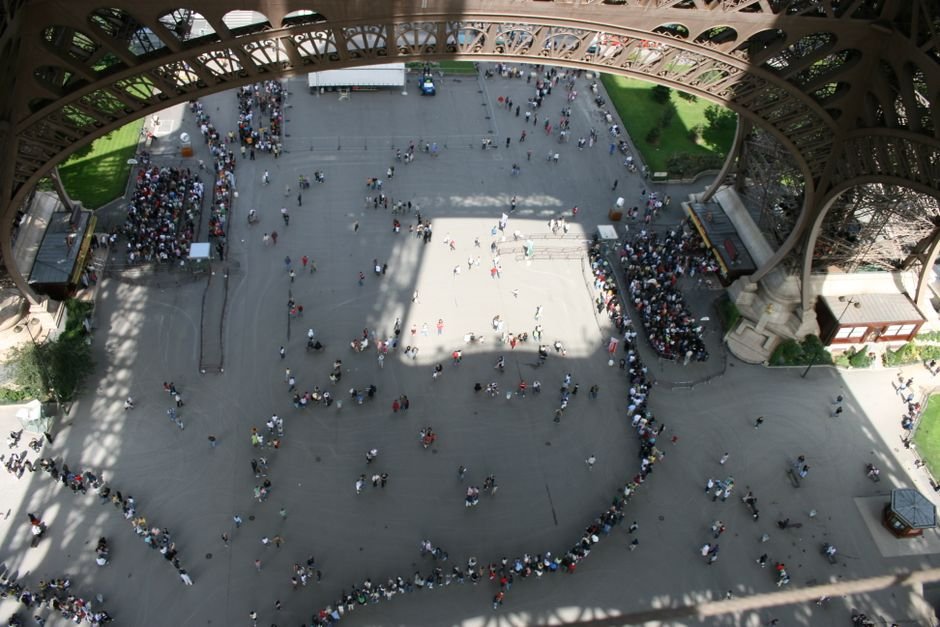
🇧🇷 POR | 🇫🇷 FR | 🇺🇸 EN | 🇪🇸 ES For more details on how to buy tickets safely, check out our complete Eiffel Tower ticket guide.
Le Marais Paris: A Guide to the City’s Most Charming Neighborhood
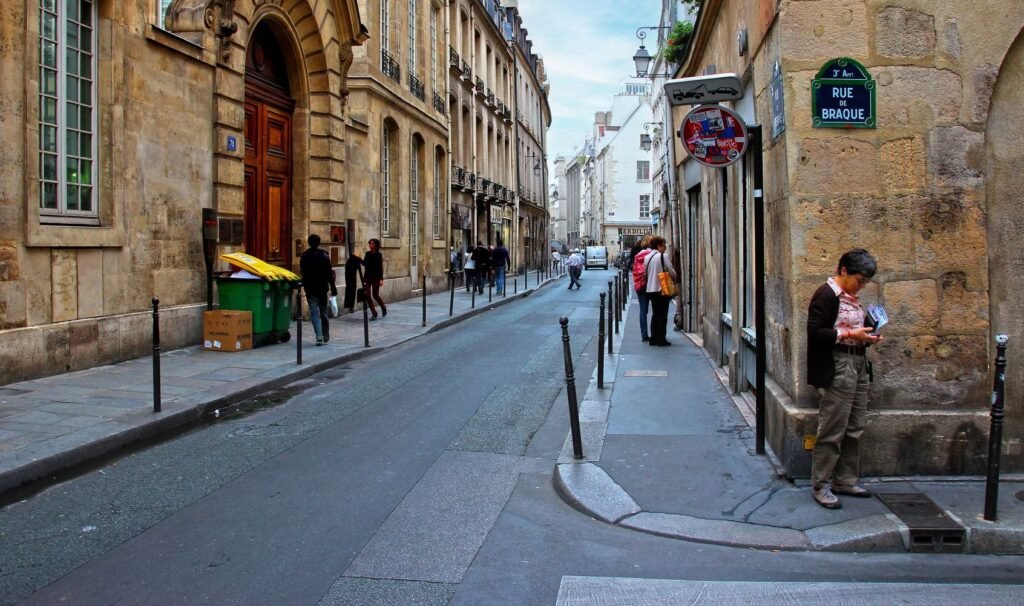
🇧🇷 POR | 🇫🇷 FR | 🇺🇸 EN | 🇪🇸 ES There’s a corner of Paris where you just want to toss the map aside and wander. Le Marais is that place: narrow streets that change their story at every turn, stone buildings that have survived centuries, shop windows that blend thrift stores with art galleries, and the smell of fresh bread wafting from a hidden bakery. If you have a free afternoon in the city and want to feel Paris far from the queues, this is where I’d send you. In this guide, I’ve gathered what matters to make the most of the neighborhood: a bit of the history that explains why it’s so special, the spots worth your time, where to eat, how to get there, and practical tips to get lost in the best sense of the word. Ready? Photo by James Wilson | Pexels Where is Le Marais and why is it so different Le Marais occupies part of the 3rd and 4th arrondissements, on the Right Bank of the Seine, right in the historic heart of Paris. It’s just a few minutes’ walk from the Notre-Dame Cathedral and the Centre Pompidou, making it a perfect base for exploring the city on foot. The name literally means “the marsh.” And that’s not just a figure of speech: until the Middle Ages, this area was a swampy region along the river. Monks drained the land, and over time, the place became one of the most coveted addresses for the French nobility. This mix of a marshy past, aristocratic heritage, and constant reinvention is what gives the neighborhood its unique character. What makes Le Marais special today is precisely the fact that it escaped the grand renovations that tore through Paris in the 19th century. While Baron Haussmann was knocking down entire neighborhoods to open up the wide boulevards we know today, the Marais was left aside. The result: the narrow medieval streets, hidden courtyards, and old facades are still there, practically untouched. A journey through the neighborhood’s history To understand the Marais, it helps to know its layers. Each era left a mark that you can still see while walking around. The aristocratic splendor In the 16th and 17th centuries, the neighborhood became the fashionable address for the nobility. Wealthy families built the so-called hôtels particuliers, urban mansions with inner courtyards and private gardens. Many of these buildings survived and today house museums, cultural institutions, and even district town halls. When you pass by an imposing, slightly open gate, take a peek: behind it, there’s usually a stunning stone courtyard. The Jewish heart of Paris Starting in the 19th century, the Marais became the city’s main Jewish neighborhood, especially around Rue des Rosiers. Despite the painful marks of World War II, the community endured, and the area remains a center of Jewish culture in Paris, with bakeries, kosher restaurants, and traditional shops. This is where you’ll find the famous falafels that have become legendary among tourists. The modern reinvention In recent decades, Le Marais has become one of the most vibrant and diverse neighborhoods in the city. It’s also a historic stronghold of the Parisian LGBT community, with lively bars and cafés, and a hub for independent fashion, art, and nightlife. This mix of generations and styles coexisting on the same block is part of the charm. Photo by Daria Agafonova | Pexels Place des Vosges: the most beautiful square in Paris If there’s one place that sums up the Marais, it’s the Place des Vosges. Inaugurated in 1612, it’s the oldest planned square in the city and, for many people (myself included), the most beautiful. There are 36 houses of red brick and light stone, all identical, forming a perfect square around a garden with fountains and pruned trees. The best part is that it’s not just for looking at. The arcades surrounding the square house art galleries, cafés, and workshops. In the central garden, Parisians picnic, read, date, and soak up the sun on good days. Sit on a bench, watch the comings and goings, and understand why this little corner has charmed people for over four hundred years. In one corner is the Maison de Victor Hugo, where the author of “Les Misérables” lived for sixteen years. The visit to the house-museum is free and shows how one of France’s greatest writers lived, with furniture, personal items, and a view of the square itself. What to do in Le Marais The neighborhood is compact, but it has plenty of content to fill an entire day. Here are the stops I think are most worth your time. Museums worth the ticket (or not even that) The Musée Picasso is the highlight. Housed in a sumptuous 17th-century hôtel particulier, it holds one of the largest collections of the artist in the world, with over five thousand works including paintings, sculptures, and drawings. The mansion alone would be worth the visit; with Picasso inside, it becomes a must-do for anyone who loves art. Right nearby, the Musée Carnavalet tells the story of Paris from beginning to end, and the best part: entry to the permanent collection is free. It’s a great walk to understand how the city got to where it is today, with rooms that reconstruct settings from different eras. For those who like modern art, the Centre Pompidou is right on the edge of the neighborhood, with its architecture of colorful tubes that divides opinions but never goes unnoticed. Shopping: from thrift stores to concept stores The Marais is one of the best places in Paris for those who love to hunt for treasures. The streets are packed with thrift stores (the friperies) full of vintage clothes, independent design shops, bookstores, artisanal perfumeries, and the so-called concept stores, which mix fashion, decor, and art in the same space. Unlike the big department stores, the fun here is getting lost in the alleys and discovering little shops you won’t find in any guidebook. Set aside time and willingness to wander without
How to Get Around Paris: Complete Guide to the Metro, RER, and Tickets
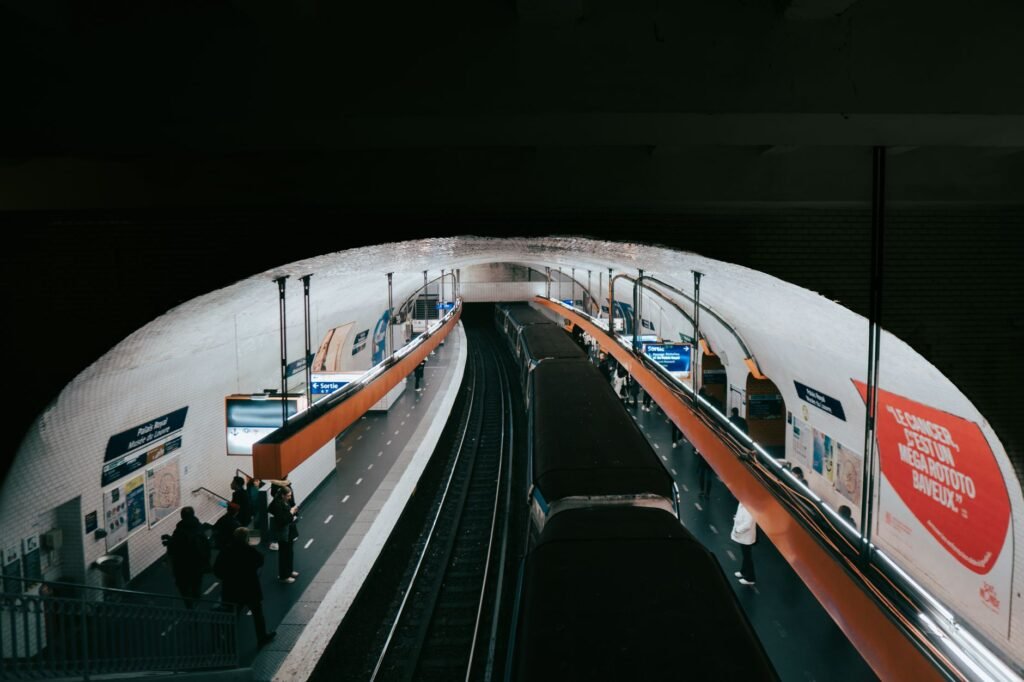
🇧🇷 POR | 🇫🇷 FR | 🇺🇸 EN | 🇪🇸 ES After the Eiffel Tower, the biggest “character” of your Paris trip might just be the public transit system. The city boasts one of the densest metro networks in the world, complemented by regional trains (RER), buses, and trams—enough to get you from almost any landmark to another in under 30 minutes, usually without needing a car or taxi. The catch? For first-timers, this system can feel like a puzzle: which ticket to buy, how zones work, what’s the difference between the metro and RER, and why that “helpful” person at the machine is offering to buy your ticket for you (spoiler: don’t accept). This guide breaks it all down, from buying your first ticket to tips for dodging common scams. Overview: Metro, RER, Buses, and Trams Paris’s public transit is mainly run by the RATP and organized by Île-de-France Mobilités, and it’s split into four main systems: Métro — 16 lines covering pretty much the entire city within the périphérique (the ring road circling Paris). It’s the go-to for tourists, with stations just a few minutes’ walk from almost any attraction. RER (Réseau Express Régional) — regional trains connecting Paris to the greater metropolitan area, including the airports and cities like Versailles. Within Paris, they act like a “fast metro,” making fewer stops. Bus — an extensive network, great for seeing the city “from above” while you move, but more affected by traffic and therefore less predictable than the metro. Tram — modern tram lines, more useful for getting around the city’s outskirts than for the classic tourist itinerary. Photo by Artūras Kokorevas | Pexels Types of Tickets: Which One to Choose The ticket options have changed quite a bit in recent years, so it’s always a good idea to check current prices on the official Île-de-France Mobilités website or app before your trip, as fares are adjusted periodically. Generally speaking, the most relevant options for tourists are: Ticket t+ (Single Ticket) This is the classic ticket for a single trip on the metro, RER (within Paris), bus, or tram, with transfers allowed within a time limit. You can buy it individually or in a carnet (usually a pack of 10, with a discount per ticket compared to buying singles). Navigo Easy A reloadable card (with a small one-time fee for the physical card) where you load t+ tickets or day passes. It’s the most practical option if you’ll be using transit several times during your trip, because it saves you from buying paper tickets over and over. Navigo Semaine / Mensuel An unlimited weekly pass (Monday to Sunday) or monthly pass (calendar month), valid for all chosen zones. It’s worth it if you’re spending a full week in Paris and plan to use transit multiple times a day—after a certain number of trips, it usually pays off financially. Paris Visite A tourist pass valid for 1, 2, 3, or 5 consecutive days, with the bonus of discounts at some attractions in addition to unlimited transit in the chosen zone. If you prioritize simplicity (no worrying about reloading anything), it’s a valid alternative, though usually a bit pricier than the equivalent Navigo pass. One important note: if your itinerary includes a trip to Versailles, Disneyland Paris, or the airports, check if your chosen pass covers the necessary zones—many “unlimited” passes only cover the central zones (1-2) by default, and those trips are excluded. How the Metro Works: Zones, Lines, and Hours The system is organized by numbered lines (1 to 14, plus branches) and identified by colors on the maps. Each line has a direction defined by its terminal stations—on the platforms, signs show the name of the last station in that direction, so you need to know which “side” you’re heading to. Transfer stations (where two or more lines cross) often have long hallways—at big stations like Châtelet or Montparnasse-Bienvenüe, switching lines can take a few minutes of walking. Factor in this extra time when calculating how long a trip will take. The metro normally runs from about 5:30 AM to around 1:00 AM (a bit later on Friday and Saturday nights). Outside those hours, the Noctilien night bus network keeps running on major lines. Photo by Christine Blanchet | Pexels The RER and How to Get to the Airports The RER is the most direct way to get from central Paris to the two main airports: Charles de Gaulle Airport (CDG): The RER B line connects directly to the airport, with stations at the terminals. It’s the most budget-friendly option. If you prioritize speed and don’t mind paying more, there’s also a dedicated express train with fewer stops and more luggage space—it’s worth comparing the total time (including getting to the departure station) before deciding. Orly Airport: You can reach it via a combination of RER C or B with an automated shuttle train to the terminals, or by tram/metro lines that have been expanding in the southern part of the city. Always check the most current route on the app, as this area has been undergoing construction and route changes. A practical tip: during the RER B ride to CDG, especially in emptier cars, you’ll often hear announcements about watching your luggage—keep your backpack or suitcase in sight at all times, particularly during off-peak hours. Useful Apps for Planning The official Île-de-France Mobilités app lets you buy and store digital tickets, check real-time schedules, and plan routes considering line disruptions (which aren’t rare, especially on weekends due to maintenance work). Apps like Citymapper are also popular with visitors for combining multiple modes (metro, bus, walking, bike-sharing) into a single suggested route. It’s worth downloading the transit app and, if possible, setting up your Navigo card digitally before you even board your flight—this saves you from waiting in line at ticket counters right when you arrive, tired from your trip and just wanting to get to your hotel. How to Avoid the Most Common Transit Scams The vast majority of metro rides
Paris Plages 2026: The Urban Beach Taking Over the Seine This Summer
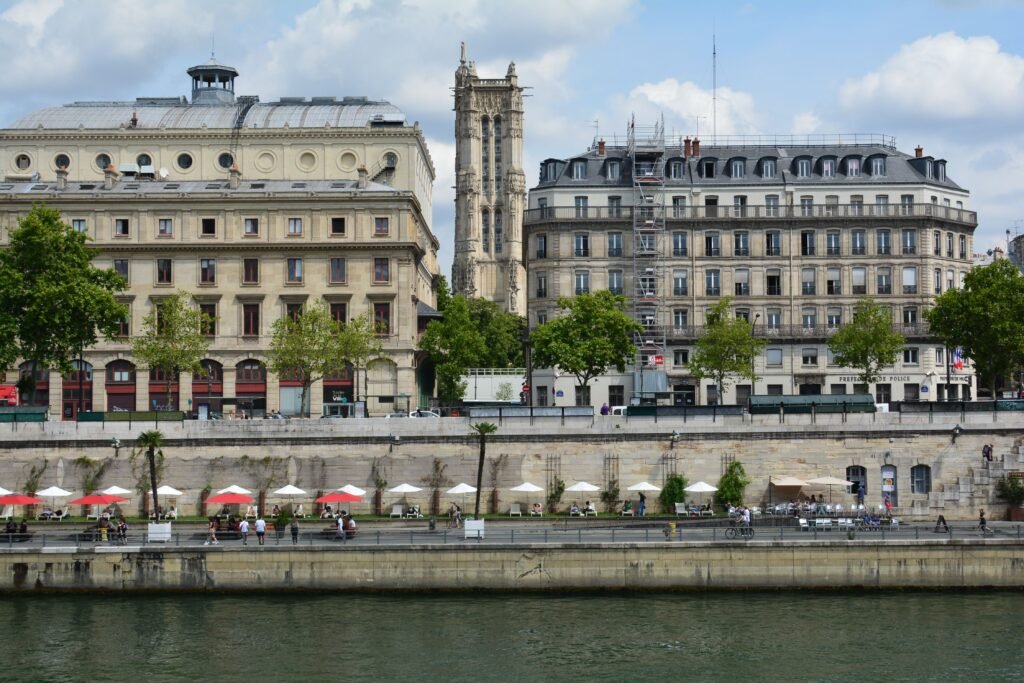
🇧🇷 POR | 🇫🇷 FR | 🇺🇸 EN | 🇪🇸 ES What is Paris Plages? Paris Plages is an annual event that transforms the banks of the Seine River into a leisure space during the European summer. From July to August, the city of Paris covers the riverside roads with sand brought in especially for the occasion, creating a makeshift beach in the heart of the city. It’s a creative initiative to offer Parisians and tourists a refuge from the heat without having to leave the capital. The project started in 2002 and became so popular that today it attracts millions of visitors. It’s not exactly a Caribbean beach, but the laid-back atmosphere and outdoor setting make all the difference for anyone looking to experience the Parisian summer in a different way. Photo by Vladimir Logos | Pexels Where Does Paris Plages Take Place? The main Paris Plages spots are concentrated in two areas: Paris Plages — Rive Droite (Right Bank) The largest concentration is on the Rive Droite, especially between Pont Marie and Pont des Arts. This area offers more infrastructure, with deck chairs, umbrellas, coconut water bars, grass chairs, and even inflatable pools in some years. It’s the busiest spot and the one recommended for those who want the full experience. Paris Plages — Rive Gauche (Left Bank) Less crowded than the Rive Droite, the Left Bank offers a quieter, more alternative vibe. It’s close to the Jardin des Plantes and is ideal for those who prefer a more relaxed atmosphere with more breathing room. When Does Paris Plages Happen? The event usually starts in late June or early July and runs until mid-August. In 2026, the exact dates haven’t been officially confirmed yet, but tradition places the start on the first weekend of July. It’s important to check the City of Paris website (paris.fr) a few days before your trip to confirm the exact dates and activation points. What to Do at Paris Plages Relax and Sunbathe The main reason people come here is to relax. You can rent deck chairs, spread a towel on the sand, or sit on a grass chair and simply enjoy the sun while watching the water flow by. It’s not uncommon to see Parisians taking a quick nap in the middle of the afternoon. Drink and Eat Around the beach, there are several temporary bars offering refreshing drinks (coconut water, beer, wine, juices), sandwiches, ice cream, and even street food. Prices are a bit above average (it’s Paris, after all), but nothing outrageous. Bringing your own drinks and food is totally allowed — many Parisians have picnics on the grass. Activities for Kids There are specific zones for children with sandcastles, inflatable toys, slides, and water areas. If you’re traveling with little ones, set aside some time in the early afternoon for this area, when it’s usually less crowded. Boat Rides During Paris Plages, the Seine River comes alive with boat rides. You can take a Bateaux Mouches (classic sightseeing tour) or a smaller excursion along the river, passing by the islands and Paris’s main monuments. Photo by David Kouakou | Pexels Is It Free? How Much Does It Cost? Entry to Paris Plages is completely free. You don’t pay to enter, stay, or use the sand. What costs money is: Deck chair rental: approximately €5-10 per day. Umbrella rental: around €5-8 per day. Food and drinks: Parisian bar/café prices (€2-6 for a drink, €8-15 for a light meal). Special activities: sometimes there are paid events or workshops, but most activities are free. In short: you can spend the whole day for free if you bring your own food and water. For maximum comfort, budget €30-50 per person to rent a deck chair and grab a drink. Practical Tips for Enjoying Paris Plages Arrive Early Especially on weekends, Paris Plages gets packed between 11 AM and 3 PM. If you want a good spot, aim to arrive around 10 AM. Bring Sunscreen The European sun is different from the tropical one, but it still burns. Bring SPF 30+ sunscreen — prices in Paris are steep (€15-20 for a small bottle). Use Public Transportation We don’t recommend driving. Use the metro (Line 1 or RER to Pont Marie/Halles) or buses to get to the area. Parking is expensive and scarce. Bring a Swimsuit, but Know the Restrictions Technically, you CANNOT enter the Seine’s water. Paris Plages is not a pool — it’s for relaxing on the sand, not for swimming. Some years, there’s a small inflatable pool allowed at certain times, but swimming in the river is prohibited for environmental and safety reasons. Photo by Tomal Bhattacharjee | Pexels Best Time to Visit Paris Plages Ideally, go between mid-July and mid-August, when the weather is most stable (temperatures between 22-28°C). The first days of July can be unpredictable and the infrastructure might not be 100% ready yet. Late August tends to be packed with French people on vacation, so be prepared for crowds. Is Paris Plages Worth It? Yes, especially if you’re in Paris during the summer and want a break from the city’s fast pace. It’s a quintessential Parisian experience, well-organized, and completely free. Don’t expect a Caribbean beach — expect a relaxed, well-maintained area with a European summer vibe. For many tourists, it’s one of the most pleasant discoveries of a July/August trip. How to Get to Paris Plages The main access points are: Metro: Line 1 (Pont Marie, Hôtel de Ville, Châtelet), RER A or D (Châtelet-Les Halles). Bus: Lines 47, 72, 75, 85 pass near the area. On foot: If you’re staying in the city center, you can probably walk from your hotel in 15-20 minutes. Frequently Asked Questions About Paris Plages Is Paris Plages open all day? Yes, it’s generally open from dawn until sunset (or a bit later, depending on the season). Checking the city’s website is recommended. Can I bring my dog? Dogs are allowed at Paris Plages, especially in designated zones. Bring water for them and avoid the hottest