Louvre Museum: A Brazilian’s Guide to Paris

🇧🇷 POR | 🇫🇷 FR | 🇺🇸 EN | 🇪🇸 ES More than 10 million people walk the halls of the world’s largest museum every year, but only 1 in 10 visitors truly gets to appreciate the 35,000 works of art on display at the Louvre Museum. The palace that houses the famous Mona Lisa and Venus de Milo is much more than just a tourist spot in Paris – it’s a journey through 8,000 years of human history. If you’re planning your trip to the French capital, this guide will transform your visit to the Louvre into an unforgettable experience, free from the frustration of endless lines or the feeling of having missed important masterpieces. The Magic of the Louvre: More Than Just a Museum “I never imagined I’d be so moved I’d cry in front of a painting,” said Mariana Alves, a Brazilian architect who visited the Louvre for the first time in 2024. Like Mariana, thousands of Brazilians arrive at the museum every year with high expectations, but many leave feeling overwhelmed by the sheer grandeur of the place. The problem? The vastness of the Louvre, with its 72,735 square meters of exhibition space, makes it practically impossible to see everything in a single visit. This frustration is amplified when you spend hours in lines or get lost among the 380,000 objects in the collection without a clear plan. The consequences go beyond physical tiredness – many tourists report feeling they “wasted” their only chance to properly experience the French cultural treasure. Tip: While in Paris, visit the Eiffel Tower, learn more in this post. But there is a solution: with the right planning, you can turn what could be a tiring experience into one of the highlights of your trip to Paris. This guide was created especially for Brazilian tourists who want to make the most of their visit, avoiding common pitfalls and discovering hidden gems that most visitors miss. History of the Louvre: From Medieval Fortress to World Treasure Few visitors know that, before becoming the most visited museum on the planet, the Louvre was a medieval fortress built in the 12th century to protect Paris from invaders. In fact, you can still visit the remains of the original foundations in the museum’s basement – a part most tourists don’t even know exists! The transformation of the palace into a museum began during the French Revolution, when the monarchy was overthrown and the revolutionary government decided to share the royal collections with the people. In 1793, its doors opened for the first time as the “Central Museum of the Arts.” Initially, it displayed only 537 paintings – a paltry number compared to the current collection. Over the following centuries, the Louvre continued to grow. Napoleon Bonaparte significantly enriched the collection with treasures brought back from his military campaigns, including the famous Rosetta Stone (which later went to the British Museum). The last major expansion took place in 1989, when architect I.M. Pei designed the iconic glass pyramid that now serves as the main entrance. Did you know the glass pyramid was extremely controversial when it was unveiled? Conservative Parisians considered the project an affront to the palace’s classical architecture. Today, however, it is one of the most photographed symbols of Paris and an architectural masterpiece in its own right, composed of 673 glass panels. How to Get to the Louvre Museum: Location and Access The Louvre is strategically located in the 1st arrondissement of Paris, on the banks of the Seine River. For Brazilians unfamiliar with the Parisian transport system, there are several hassle-free ways to reach the museum. The most practical way is using the Paris Metro. Two stations serve the museum directly: “Palais-Royal–Musée du Louvre” (lines 1 and 7) and “Louvre-Rivoli” (line 1). If you’re staying near any metro line, this is undoubtedly the fastest and most economical option. A single ticket costs approximately €2.10 in 2025. For those who prefer a more scenic approach, walking can be an excellent option, especially if you’re staying in central areas like Le Marais, Saint-Germain, or Opéra. Walking along the banks of the Seine to the museum offers stunning views and helps you understand how the Louvre integrates into the Parisian urban landscape. If it’s raining or you prefer to save your energy for exploring the galleries, buses are also a good alternative. Lines 21, 24, 27, 39, 48, 68, 69, 72, 81, and 95 stop near the museum. For those using the popular hop-on-hop-off tourist buses, all major companies include stops at the Louvre. And have you ever wondered which entrance to the museum is the least crowded? While most visitors enter through the famous glass pyramid, there are other entrances that can save you a lot of time. The Porte des Lions entrance, for example, usually has significantly shorter lines, especially in the afternoon. When to Visit the Louvre: Best Season and Times “I spent two hours in line under a scorching sun only to find out I could have gotten in in less than 15 minutes if I had come at a different time,” laments Paulo Henrique, a Brazilian engineer who visited the Louvre during the European summer of 2024. How can you avoid this scenario? The Louvre is open every day of the week except Tuesdays, when it is closed for maintenance. Opening hours are from 9:00 AM to 6:00 PM, with extended hours until 9:45 PM on Wednesdays and Fridays. This information is crucial: the extended evening hours are significantly less crowded! The months of May, June, September, and October offer the best balance of pleasant weather and lower tourist concentration. During July and August, the peak tourist season, the museum can become extremely congested, especially in the rooms housing famous works like the Mona Lisa. For those who want to avoid crowds at all costs, the first hour of the morning (9:00 AM – 10:00 AM) or late afternoon (after 3:00 PM) are ideal on any day of the week. Surprisingly, Sunday – when many Parisian
Palace of Versailles: The Ultimate Guide for a Perfect Visit
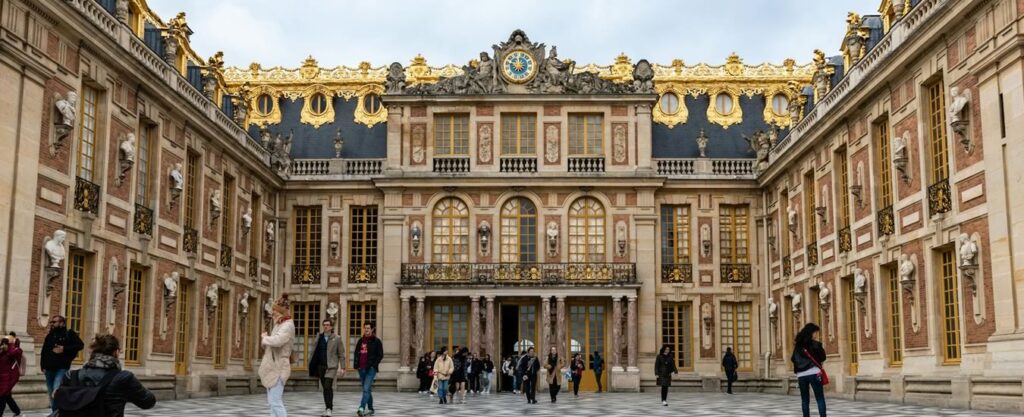
🇧🇷 POR | 🇫🇷 FR | 🇺🇸 EN | 🇪🇸 ES Imagine walking through the same gilded corridors that French kings and queens strolled centuries ago. The morning sun reflects off the 357 mirrors of the breathtaking Hall of Mirrors, while the immaculate gardens stretch as far as the eye can see. This isn’t a dream—it’s the Palace of Versailles, one of France’s most visited monuments, welcoming over 8 million tourists annually. For many travelers, however, a visit to the Palace of Versailles can be frustrating: endless lines, confusing ticket information, and the feeling of missing the most important parts of the complex are common issues. But don’t worry—this guide is designed to turn your visit into a truly royal experience. Tip: make the most of your trip to Paris and check out the Arc de Triomphe; Here you’ll discover everything from the palace’s historical secrets to the practical tips only experts know to make the most of every moment at Versailles. Ready to explore this world heritage site in an unforgettable way? Let’s begin our journey through the ultimate symbol of French absolutism. History and Significance of the Palace of Versailles The Palace of Versailles is more than just a building—it’s a living chapter of European history. Originally, it was a modest hunting lodge built by King Louis XIII in 1623. It was his son, Louis XIV, known as the “Sun King,” who transformed Versailles into the magnificent complex we know today. Between 1661 and 1715, Louis XIV dramatically expanded the palace, turning it into the official seat of the French government and the ultimate symbol of his power. The monarch had a clear vision: to create a monument that would intimidate foreign visitors and centralize the French nobility under his watchful eye. “L’État, c’est moi” (I am the state), his famous phrase, is embodied in the architectural grandeur of Versailles. The palace witnessed crucial historical events, including the signing of the Treaty of Versailles in 1919, which officially ended World War I. During the French Revolution, the royal family was forced to leave Versailles in 1789, marking the end of an era of monarchical extravagance. Today, the Palace of Versailles has been a UNESCO World Heritage Site since 1979, recognized not only for its architectural beauty but for its invaluable historical significance. Every corridor, hall, and garden tells a story of power, art, and social transformation that continues to fascinate visitors from around the world. The Architecture That Inspired the World The architectural style of Versailles became a benchmark for royal palaces across Europe. Architects Jules Hardouin-Mansart and Louis Le Vau, along with landscape designer André Le Nôtre, created a perfect balance between grandeur and refinement. The main facade of the palace stretches an impressive 580 meters, making it one of the longest in Europe. The extensive use of marble, gold, and mirrors wasn’t just decorative—it visually communicated the economic and political power of France under Louis XIV. Interestingly, many elements of Versailles were specifically designed to create optical illusions. The gardens, for example, were laid out with forced perspectives to appear even more expansive when viewed from the palace windows. What Not to Miss at the Palace of Versailles Versailles is immense—with over 700 rooms spread across 63,154 square meters, it’s impossible to see everything in a single visit. Here are the must-see attractions that justify its worldwide fame: The Royal Apartments The king’s and queen’s apartments represent the ceremonial heart of the palace. Louis XIV’s bedroom, with its elaborately decorated bed under a gilded canopy, was the setting for daily rituals like the “lever” (waking) and “coucher” (retiring) of the king—moments when courtiers vied for the honor of watching the monarch dress or prepare for sleep. The queen’s apartments, equally luxurious, were where queens gave birth in public, ensuring the legitimacy of the royal heir. The silk-lined walls and intricately carved furniture demonstrate the artistic sophistication of the era. The Hall of Mirrors Undoubtedly the most famous room in Versailles, the Galerie des Glaces (Hall of Mirrors) stretches 73 meters and represents the pinnacle of Baroque luxury. The 357 mirrors arranged in 17 arches face windows opening onto the gardens, creating a dazzling interplay between natural light and reflections. This hall wasn’t just a passageway—it was where important state ceremonies took place. It was here that the German Empire was proclaimed in 1871 after the Franco-Prussian War, and where the Treaty of Versailles was signed in 1919. The lighting in this hall is strategic: at dusk, when hundreds of candles were lit, the mirrors multiplied the light, creating a shimmering effect that amazed visitors—a true demonstration of French technical and artistic mastery. The Gardens and Fountains of Versailles The gardens of Versailles are as impressive as the palace itself. Designed by André Le Nôtre, they cover 800 hectares and represent the perfection of the formal French garden—symmetrical, geometric, and completely dominating nature. The 55 fountains and 600 water jets are a masterpiece of 17th-century hydraulic engineering. During the “Musical Fountains Shows” (Grandes Eaux Musicales), all the fountains operate simultaneously to the sound of Baroque music—a spectacle dating back to the time of Louis XIV. Highlights include: Be sure to explore the gardens with a plan: the fountains operate at specific times, and walking through the park can take several hours. The Grand Trianon and Petit Trianon To escape the rigid etiquette of the court, French monarchs built smaller residences on the palace grounds. The Grand Trianon, with its characteristic pink stone, was built by Louis XIV as a retreat for discreet meetings with his mistress, Madame de Montespan. The Petit Trianon, a gift from Louis XV to Madame de Pompadour, became the refuge of Queen Marie Antoinette. Here, she had the Queen’s Hamlet (Le Hameau de la Reine) built—a cluster of rustic cottages where she could play at being a peasant, a fantasy that contributed to her unpopularity during the Revolution. Less visited than the main palace, these buildings offer a more intimate experience and reveal fascinating aspects of the private
Montmartre & Sacré-Coeur: The Ultimate Guide for Your Paris Trip
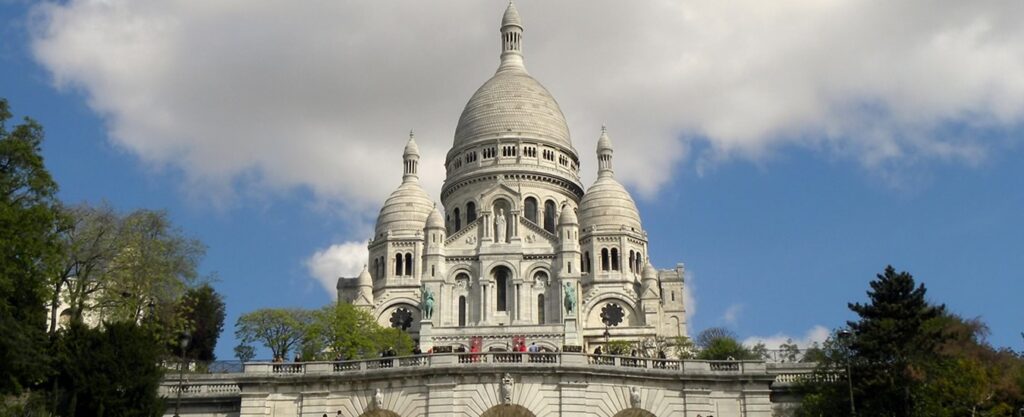
🇧🇷 POR | 🇫🇷 FR | 🇺🇸 EN | 🇪🇸 ES Towering atop the hill of Montmartre, the Sacré-Coeur Basilica — or Basilica of the Sacred Heart — is one of Paris’s most stunning attractions. With its majestic white silhouette dominating the Parisian skyline, this religious monument is not just a pilgrimage site but also an unmissable tourist spot for anyone visiting the City of Light. Combining breathtaking architecture, a fascinating history, and one of the most spectacular views in Paris, Sacré-Coeur offers a complete experience that goes far beyond religious contemplation. In this complete guide, we’ll explore all the essential aspects to make your visit to the Sacré-Coeur Basilica unforgettable: from its rich history and architectural details to practical information on how to get there, what to see, opening hours, and exclusive tips. Get ready to discover why this Montmartre treasure is considered one of Paris’s most iconic postcards and deserves a special spot on your travel itinerary. Tip: Already know the Arc de Triomphe? If not, check it out here Photo by Guillaume Meurice History and Architecture of the Sacré-Coeur Basilica The history of the Sacré-Coeur Basilica is deeply tied to one of the most turbulent periods in French history. Its construction began in 1875 as a symbol of national penance following France’s devastating defeat in the Franco-Prussian War (1870-1871) and the traumatic events of the Paris Commune. The project was conceived as a form of atonement for the sins that, according to some, had led to the French defeat, and also as a symbol of hope and spiritual renewal for the country. Architect Paul Abadie won the competition to design the basilica, presenting a design that blended elements of Romanesque and Byzantine styles, creating what we now know as the Romano-Byzantine style. After Abadie’s death in 1884, six other architects continued his work until its completion. Construction stretched over nearly four decades, with the basilica finally being completed in 1914, although its official consecration only took place in 1919, after the end of World War I. Image by Carina Chen from Pixabay One of the most notable features of Sacré-Coeur is its immaculate white color, which remains over the years despite urban pollution. This phenomenon occurs thanks to the Château-Landon limestone used in its construction, which releases calcite when in contact with rainwater, promoting a natural “self-cleaning” process that keeps the basilica always white. Tip: Make the most of your trip to Paris and visit the Arc de Triomphe; The dimensions of Sacré-Coeur are equally impressive: 83 meters long, 35 meters wide, and a tower rising to 83 meters high. The basilica sits 130 meters above sea level, at the highest point in Paris, placing it approximately 200 meters in altitude relative to the Seine River. This prime location not only gives the basilica an imposing presence on the Parisian landscape but also offers visitors an unparalleled panoramic view of the city. The interior of the basilica is as impressive as its exterior. The highlight is the enormous mosaic adorning the apse vault, depicting Christ with open arms, his heart golden and radiant — one of the largest mosaic artworks in France, covering an area of 475 square meters. The stained glass windows, the grand organ, and the various side chapels complete the atmosphere of contemplation and spirituality that characterizes this sacred space. Photo by Jo Kassis How to Get to the Sacré-Coeur Basilica The Sacré-Coeur Basilica is located in the heart of Paris’s 18th arrondissement, at the top of the Montmartre hill. Getting there can be part of the adventure, as the climb to the top offers progressively more impressive views of the city. Several public transport options make accessing this iconic attraction easy. Metro The Paris metro offers several options to get close to the basilica: Anvers Station (Line 2): From this station, you can choose to walk up the stairs or take the funicular. Abbesses Station (Line 12): One of the deepest and most beautiful stations in Paris, it also provides access to the basilica via stairs or funicular. Jules Joffrin Station (Line 12): From here, you can take the Montmartrobus to Place du Tertre, very close to Sacré-Coeur. Pigalle Station (Lines 2 and 12): Known for its proximity to the Moulin Rouge, it also offers access to the Montmartrobus. Bus Several bus lines serve the Montmartre area: Lines 30, 31, 80, and 85: These lines reach the foot of the hill, from where you’ll need to climb up to the basilica. Montmartrobus: This small bus was specially designed to navigate Montmartre’s narrow streets and takes visitors close to Sacré-Coeur. It’s an excellent option for those who prefer to avoid the stairs. Image by daniele trevisan from Pixabay Montmartre Funicular For those who want to avoid the effort of climbing the stairs, the Montmartre funicular is the ideal solution. This small cable car connects the base of the hill to the top in a journey of just 90 seconds. The funicular is part of the Paris public transport system and can be used with a regular metro ticket or the Paris transport pass. On Foot For the more adventurous and willing, climbing the stairs to Sacré-Coeur is an experience in itself. There are approximately 300 steps from the base of the hill to the basilica, but the route offers progressively more impressive views of the city. Along the way, you’ll also find street artists, small shops, and cafes that enrich the experience. Tip to Avoid Crowds To avoid the large crowds, it’s recommended to visit Sacré-Coeur early in the morning (before 9 am) or late in the afternoon, after 6 pm. The spring months (April to June) and fall (September to October) generally offer an ideal balance of pleasant weather and fewer tourists. What to See at the Sacré-Coeur Basilica A visit to the Sacré-Coeur Basilica is a complete experience that goes far beyond religious contemplation. From its gardens and exterior area to the sacred interior and the dome viewpoint, each part offers a unique perspective of this extraordinary
Paris Transport Pass: Navigo, Tickets & Prices 2026
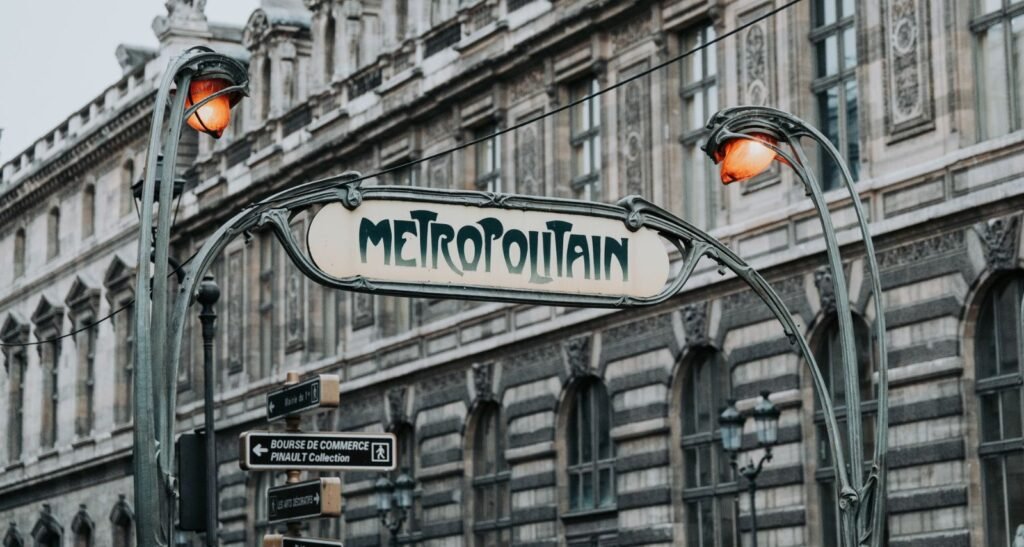
🇧🇷 POR | 🇫🇷 FR | 🇺🇸 EN | 🇪🇸 ES Arriving in Paris and being hit with Navigo, ticket t+, Paris Visite, and single tickets all at once can freeze even the most organized traveler. The good news is the system has changed a lot in the last two years and is simpler now than it used to be—you just need to know which pass fits your itinerary. This guide explains what’s currently available, how much each option costs in 2026, and most importantly, when each pass is actually worth it. No guesswork: the prices below come straight from the official tables of Île-de-France Mobilités, the agency that runs public transport in the Paris region. Entrance to a Parisian metro station in art nouveau style. | Photo by Leica Palma / Pexels The End of the Ticket t+: What Changed in 2025 and 2026 If you’ve read older travel accounts, you’ve probably seen mentions of the “ticket t+,” that cardboard ticket good for one metro, RER, or bus ride within Paris. It’s gone. Since January 2025, Île-de-France Mobilités replaced the t+ and the old Origin-Destination tickets with a flat-fare system valid across the entire region, with no more zones to calculate for the metro. Paper tickets continued circulating during a transition period, but their sale stopped in November 2025. Anyone still holding onto a t+ ticket can use it on the metro until fall 2026, but for all trip planning, what matters now is the new system described below. Single Ticket: Métro-Train-RER and Bus-Tram The current single ticket has two prices depending on the mode of transport. For metro, RER, and Transilien trains, it costs €2.55 per trip, with transfers allowed within the rail system within a set time window. For buses and trams, the price drops to €2.05, and you can switch from one bus line to another within 1h30 without paying again. The difference from the old system is that distance no longer matters. Taking the RER from Gare du Nord to Champ de Mars costs the same as a two-stop metro ride. This makes calculations easier, but it also means short trips have become, in practice, a bit more expensive than they were with the traditional t+. These tickets can be bought on a contactless Navigo Easy card (sold for €2 at machines and stations), through the Île-de-France Mobilités or Bonjour RATP apps, or by tapping your contactless credit card or phone directly at metro turnstiles—this last option, by the way, is the most practical for those just passing through who don’t want to buy any card at all. Classic Metropolitain sign, a symbol of the Paris metro since the early 20th century. | Photo by Lora Rikky / Pexels Navigo Découverte and Navigo Semaine: How They Work For anyone staying more than three or four days in the city, the Navigo Découverte card is, in most cases, the most advantageous option. It costs €5 (a one-time, non-refundable fee paid only the first time), and you load the Navigo Semaine pass onto it, which costs €32.40 and is valid for all zones in the region—including trips to Charles de Gaulle and Orly airports. The detail that catches many people off guard: the Navigo Semaine isn’t valid for seven days from the date of purchase. It follows a fixed calendar, Monday to Sunday, and can only be bought from the Friday before the week of use. This means if you arrive on a Wednesday, the weekly pass will only cover you through the following Sunday—and the price is the same, even covering fewer days. For a stay from Wednesday to Wednesday, for example, it’s worth considering combining a few days of single tickets before starting a new Navigo week. There’s also the Navigo Mensuel, for €90.80, but it’s only worth it for those moving to or staying in the city for over a month—not the case for most tourists. Important note: if this is your first contact with the Paris transport system, it’s worth reading our complete guide to the metro, RER, and tickets in Paris first—it explains how the lines work, peak hours, and the most common routes for first-time visitors. Paris Visite: Is It Worth It for Tourists? The Paris Visite is a pass designed specifically for visitors, with the advantage of being able to start on any day of the week—unlike the Navigo Semaine. It comes in two geographic coverage versions and four durations. Zones 1 to 3 (Paris and the immediate suburbs) 1 day: €13.20 | 2 days: €21.50 | 3 days: €29.40 | 5 days: €42.20. Zones 1 to 5 (includes Versailles, Disneyland Paris, and CDG and Orly airports) 1 day: €30.60 | 2 days: €45.40 | 3 days: €63.80 | 5 days: €78.00. The zones 1-3 version covers practically everything a tourist visits within the city—Eiffel Tower, Louvre, Montmartre, Notre-Dame, Le Marais. The extended version only makes sense if you’re using the RER to go to and from Versailles or Disneyland within the same validity period of the pass, because paying for the expensive version just for the airport trip rarely beats buying a single ticket for that leg. Train arriving at the platform of Jaurès station, on line 2 of the Paris metro. | Photo by Lewis Bedar / Pexels Which Pass to Choose: Practical Simulations Numbers help more than any general rule. Check out three common scenarios: 2-day weekend, staying near the center Over two intense days of sightseeing, it’s common to take 4 to 6 metro trips per day. That’s between 8 and 12 single tickets, or roughly between €20.40 and €30.60 in individual fares. The 2-day Paris Visite (zones 1-3) costs €21.50—it’s borderline, so the choice depends on how much you plan to move around. If your itinerary involves a lot of walking and only occasional metro use, single tickets come out cheaper. A full week, Monday to Sunday Here, the Navigo Semaine almost always wins. For €32.40 (plus the €5 card fee the first time), you ride as much as you
La Défense: Paris’s Modern and Futuristic District
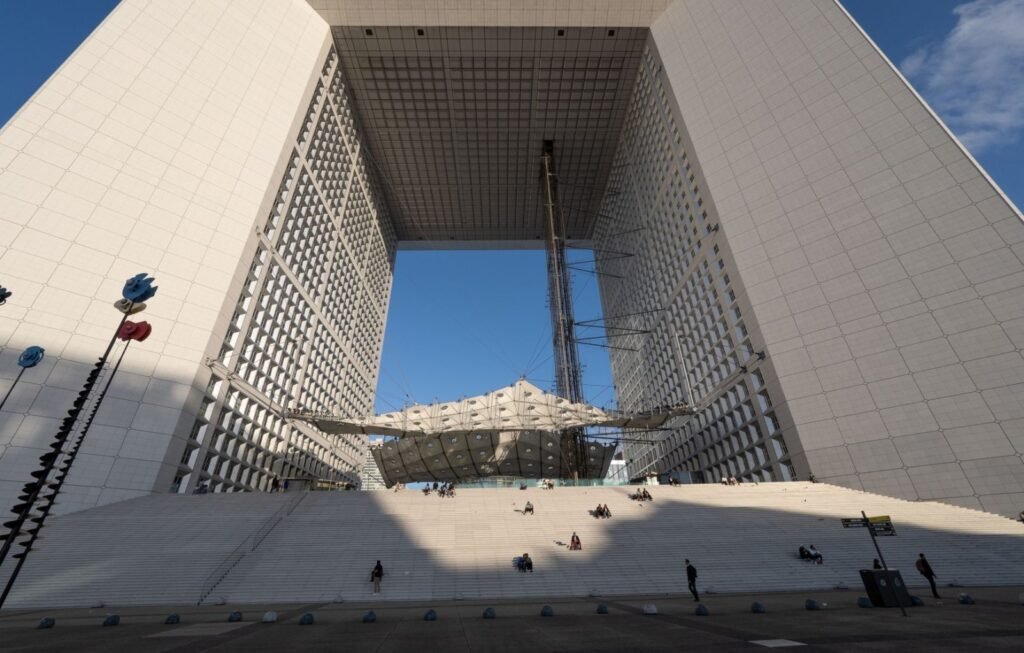
🇧🇷 POR | 🇫🇷 FR | 🇺🇸 EN | 🇪🇸 ES Most Paris itineraries don’t even come close to La Défense, and that makes sense: there’s nothing there like Notre-Dame or the Louvre. What you’ll find is something else entirely — a business district built starting in the late 1950s just a few miles from the Arc de Triomphe, with glass towers, one of Europe’s largest open-air art plazas, and a gigantic shopping center hidden inside a 1958 concrete structure. Anyone who sets aside two or three hours to explore La Défense walks away with a very different image of Paris than the one on postcards — and understands how the historic city managed to keep its low skyline while still growing. The Grande Arche de la Défense, built for the bicentennial of the French Revolution. | Photo by Antonio Miralles Andorra / Pexels Where it is and how the district came to be Despite the name suggesting a Parisian neighborhood, La Défense isn’t within the administrative limits of Paris. The district sprawls across three neighboring municipalities — Courbevoie, Puteaux, and Nanterre — all in the Hauts-de-Seine department, west of the capital. The idea of building a business center there was born in the late 1950s, when the French government decided to concentrate vertical growth outside the historic center, preventing skyscrapers from competing for space with the Eiffel Tower or the Haussmannian zinc rooftops. The first building to come off the drawing board was the CNIT, inaugurated in 1958 by General de Gaulle himself and André Malraux, then Minister of Culture — its double-vaulted concrete structure still stands today and now functions as part of a complex of hotels, offices, and shops. Today, La Défense is Europe’s largest business district, with 59 glass and steel towers, around 180,000 workers passing through every day, and a skyline that grows every few years with some new project. It’s worth noting that the name “La Défense” has nothing to do with modern military matters: it comes from a bronze statue erected there in honor of the defense of Paris during the Franco-Prussian War of 1870-71, created by sculptor Louis-Ernest Barrias and inaugurated in 1883, long before any skyscraper existed in the area. The Grande Arche: the district’s iconic monument The postcard image of La Défense is the Grande Arche, a hollow cube of granite and glass about 110 meters high, designed by Danish architect Johan-Otto von Spreckelsen and inaugurated in 1989, on the bicentennial of the French Revolution. The scale is so massive that, according to descriptions from the time, Notre-Dame Cathedral could fit inside the arch’s central opening. A direct heads-up, because this is the kind of info that changes over time and is worth confirming before planning your visit: the panoramic terrace that used to be at the top of the Grande Arche has been closed to the public since 2023, with no announced reopening date. This means that, for now, the experience is limited to the exterior view — which is still worth the stop, given the structure’s size, but don’t expect to go up like at other Paris viewpoints. The Grande Arche lit up at dusk, on the historic axis linking the Arc de Triomphe to La Défense. | Photo by Lewis Bedar / Pexels An open-air art museum on the esplanade The part that surprises most people is the La Défense esplanade, a pedestrian axis over a kilometer long between the towers, dotted with nearly 60 monumental works of art — and access is free, 24 hours a day, no ticket required. Three pieces usually catch the eye even of those with no particular interest in contemporary art. The “Araignée Rouge” (Red Spider) by Alexander Calder is a 15-meter-high, 75-ton steel structure. Nearby, “Les Personnages Fantastiques” by Joan Miró features two 12-meter resin figures with the vibrant colors typical of the Catalan artist. And “Le Pouce” by César Baldaccini is exactly what the name promises: a giant 12-meter, 18-ton thumb cast in bronze. Walking from one end of the esplanade to the other, stopping to look at these pieces, is the best way to grasp the scale of the district without spending a dime — just your time. Important bonus: if seeing Paris from a different angle has piqued your interest, it’s worth checking out our guide to the Montparnasse Tower — the other great “off-the-beaten-path” viewpoint in the city, from where you can even spot the La Défense skyline in the distance. One of the monumental outdoor sculptures that are part of the La Défense esplanade’s art collection. | Photo by Antonio Miralles Andorra / Pexels CNIT and Westfield Les 4 Temps: shopping inside an architectural landmark The aforementioned CNIT, from 1958, is now connected to the Les 4 Temps shopping center (opened in 1981 and renamed Westfield Les 4 Temps after being acquired by the Unibail-Westfield group). Together, the two complexes total about 230,000 m² of retail space — enough for the duo to be considered the largest covered commercial complex in Europe, receiving something like 50 million visits per year. For anyone in Paris facing a rainy day, it’s an interesting alternative to downtown shops: less historic charm, but plenty of stores, a large food court, and the advantage of being just a few minutes by RER from the city center. How to get to La Défense Getting there is simple and quick from central Paris. Metro Line 1 has its terminal station at La Défense — Grande Arche, the same line that runs through Champs-Élysées and Châtelet. The RER A also stops at the station, as do the Transilien L and U trains, and the T2 tram. From Charles de Gaulle–Étoile station (Arc de Triomphe), the RER A takes about 5 to 10 minutes to reach La Défense. Given its proximity to the center, it’s perfectly possible to include La Défense as an extra stop on a day that already has another commitment — it doesn’t require setting aside a whole day of your itinerary. The glass and steel
TGV: Day Trips from Paris

🇧🇷 POR | 🇫🇷 FR | 🇺🇸 EN | 🇪🇸 ES Paris has so much to see that it’s easy to forget the city is also the perfect launchpad for quick getaways. With the TGV, France’s high-speed train, you can leave a Parisian station in the morning, visit an 800-year-old Gothic cathedral, have lunch in a medieval square, and be back at your hotel before dinner. Two cities fit this itinerary perfectly: Reims, where the kings of France were crowned, and Chartres, home to the country’s most admired stained glass. Neither requires a hotel reservation, and the train ride takes less time than most people imagine. TGV trains at a Paris station: from here, Reims and Chartres are less than two hours away. | Photo: Rohit Verma / Pexels Why the TGV Changes the Game for Day Trips from Paris A regular regional train would take hours to cover the same distance. The TGV, short for “Train à Grande Vitesse,” runs at over 186 mph (300 km/h) for much of the journey, cutting down trips that would otherwise eat up an entire morning just in travel time by car. This completely changes the math on a day trip. Instead of choosing between “seeing Paris” or “leaving Paris,” you can do both on the same trip without sacrificing a night’s sleep in the capital. Reims is about 87 miles (140 km) away, Chartres around 56 miles (90 km)—distances that in many places would take two to four hours by road, but here are covered in under an hour and a half. Another detail that catches people off guard: the two cities depart from different stations. Trains to Reims leave from Gare de l’Est, in eastern Paris. Trains to Chartres depart from Gare Montparnasse, on the opposite side of the city. It’s worth checking this in advance so you don’t risk showing up at the wrong station when it counts. Reims: The Cathedral Where France Crowned Its Kings Reims carries a historical weight that few places in France can match. It was here, at the Cathédrale Notre-Dame de Reims, that nearly every French king—from Clovis to Charles X—was crowned between the 9th and 19th centuries. The Gothic façade, with its towers over 260 feet (80 meters) tall and the row of angel statues above the central portal, is one of the most complete surviving examples of French Gothic architecture. The cathedral is also a monument to reconstruction. World War I bombardments destroyed much of the roof and severely damaged the exterior sculptures. The restoration, partly funded by American donations (including the Rockefeller family), took decades, which is why much of the exterior stone has a lighter tone than the interior, still darkened by age. Entry to the cathedral is free. Set aside at least 40 minutes to walk through the nave and observe the stained glass—some medieval, others by Marc Chagall in the central axis chapel, installed in the 1970s. This contrast between 13th-century glass and 20th-century glass within the same building is rare to see anywhere else. The façade of Reims Cathedral, the coronation site of French kings for nearly a thousand years. | Photo: Nathan Neve / Pexels What to Do in Reims Beyond the Cathedral Reims is also the unofficial capital of the Champagne region, which means underground cellars holding millions of bottles aging in the dark. Houses like Taittinger, Pommery, and Veuve Clicquot offer guided tours of their crayères—galleries carved into the limestone, some dating back to Roman times—ending with a tasting. Tours usually require advance booking, especially on weekends and during the peak summer season. If you prefer a relaxed walk, Reims’ historic center offers the Palace of Tau, the former residence of the archbishops, and the Basilica of Saint-Remi, less visited than the main cathedral but equally impressive inside. The city center is compact: you can see the main sights on foot in half a day, leaving time for a Champagne house visit in the afternoon. Chartres: The Stained Glass That Survived Two World Wars If Reims is about coronation and power, Chartres is about light. The Cathédrale Notre-Dame de Chartres holds the most complete and best-preserved collection of medieval stained glass in France—around 150 original windows, mostly dating from the 12th and 13th centuries. The deep blue used in these windows became known as “bleu de Chartres” and has never been fully replicated by later glassmakers. The reason so much survived intact is almost an administrative miracle: during both world wars, the stained glass was dismantled piece by piece and stored far from the front lines, only returning to its place after the fighting ended. Other French cathedrals lost much of their original glass to neglect or bombing; Chartres did not. The cathedral has been a UNESCO World Heritage site since 1979, and entry to the main nave is also free. If you want to climb the north tower for a view of the city and the surrounding wheat fields, there’s a separate ticket—worth it on a clear day, but check the opening hours on the official website beforehand, as they can vary by season. Chartres’ two towers, built in different centuries—hence the visible asymmetry in the façade. | Photo: guy_dugas / Pixabay Chartres Beyond the Cathedral The lower town, along the banks of the Eure River, has leaning timber-framed houses, small bridges, and old mills that are worth a 30-minute walk after your cathedral visit. Photography enthusiasts will prefer late afternoon, when the side light hits the façades on Rue de la Tannerie. Important note: If train day trips from Paris interest you, it’s worth rounding out your itinerary by reading our guide to Giverny, Claude Monet’s house and gardens—another classic that can also be done in a day, with a train plus a short bus ride from the station. Reims and Chartres on the Same Day? Why That Doesn’t Work Well It’s tempting to think about squeezing both cities into a single crazy morning, but the logistics don’t help. Reims is east of Paris, Chartres is southwest, and
Disneyland Paris: Must-See Attractions for Your First Visit

🇧🇷 POR | 🇫🇷 FR | 🇺🇸 EN | 🇪🇸 ES Have you ever wondered what the most magical experience is on your first visit to Disneyland Paris? With so many incredible attractions, it can be tough to decide where to start. Your first trip to Disneyland Paris is a special moment, full of emotions and discoveries. In this article, we’ll explore the best attractions and tips to make your experience unforgettable. From the iconic Sleeping Beauty Castle to the various themed lands, you’ll be ready to make the most of your trip. Key Takeaways Getting to Know Disneyland Paris: An Overview Disneyland Paris is a magical destination that draws visitors from around the globe, and getting to know its parks is the first step toward an unforgettable trip. Located on the outskirts of Paris, this Disney gem offers a unique experience that blends the magic of movies and cartoons with thrilling attractions. Tip: check out what to do on your first visit to the Eiffel Tower; When you visit Disneyland Paris, you’ll have the chance to explore two main theme parks, each with its own identity and attractions. The Two Main Parks Disneyland Paris is made up of two main parks: Disneyland Park and Walt Disney Studios Park. Disneyland Park is the heart of Disneyland Paris, offering several themed lands like Adventureland, Discoveryland, Fantasyland, and Frontierland. Walt Disney Studios Park, on the other hand, is dedicated to the magic of movies and television, providing unique experiences based on popular films and TV shows. The Charm of Sleeping Beauty Castle The Sleeping Beauty Castle is one of the main landmarks at Disneyland Paris, offering a delightful experience for visitors of all ages. As you stroll through Fantasyland, don’t miss the chance to visit this iconic castle, which serves as a backdrop for many of the park’s attractions and experiences. Plus, the castle provides an unforgettable photo opportunity. As you explore Disneyland Paris, you’ll discover that every detail has been carefully planned to create a magical and memorable atmosphere. Must-See Attractions in Disneyland Park As you step into Disneyland Park, you’re instantly transported to a world of magic and adventure. With its distinct themed lands, the park offers a variety of experiences for every taste. Fantasyland: The Magical Heart of the Park Fantasyland is one of the most enchanting spots in Disneyland Park, especially for kids. Here, you can explore attractions based on classic fairy tales, like Peter Pan’s Flight and It’s a Small World. These rides offer a magical and nostalgic experience that appeals to everyone. Some of the top attractions in Fantasyland include: Frontierland: Adventures in the Wild West Frontierland takes you back to the American Wild West, with its desert landscapes and western scenery. Here, you can enjoy attractions like Big Thunder Mountain Railroad, a thrilling roller coaster that simulates a runaway train through an abandoned mine. Some of the top attractions in Frontierland include: Adventureland: Exploring Exotic Worlds Adventureland is the perfect spot for those who love exploring new worlds and exotic cultures. Here, you’ll find attractions like Pirates of the Caribbean, a classic ride that takes you on a journey through pirate scenes. Some of the top attractions in Adventureland include: Discoveryland: A Journey to the Future Discoveryland is dedicated to exploring the future and technology. Here, you’ll find attractions based on sci-fi movies and stories, like Space Mountain and Star Wars Hyperspace Mountain. These rides offer thrilling and futuristic experiences. Some of the top attractions in Discoveryland include: Highlights of Walt Disney Studios Park If you’re a fan of movies and TV shows, Walt Disney Studios Park at Disneyland Paris is an experience you can’t miss. Located right next to Disneyland Park, Walt Disney Studios is a must-visit destination for anyone wanting to dive into the world of cinema and television. Attractions Based on Popular Movies Walt Disney Studios Park offers a variety of thrilling attractions based on some of the most popular movies from Disney and other studios. You can experience the excitement of being behind the scenes of a film or have fun on interactive rides. Some of the top attractions include: Unmissable Shows and Spectacles Beyond the rides, Walt Disney Studios Park also offers a variety of shows and spectacles that are not to be missed. From dance and music performances to acrobatic shows and special effects, there’s something for everyone. Some of the most popular shows include: Visiting Walt Disney Studios Park is a unique experience that blends the magic of cinema with the thrill of theme park attractions. Make sure to include this must-see destination on your trip to Disneyland Paris. Planning Your First Visit to Disneyland Paris Planning your first trip to Disneyland Paris can be a challenge, but with the right tips, you can have an unforgettable experience. Disneyland Paris is a magical destination that draws visitors from all over the world, and with a little planning, you can make the most of your stay. Best Time to Visit The best time to visit Disneyland Paris depends on your preferences. If you enjoy warm weather and don’t mind crowds, summer can be a good option. However, if you prefer to avoid the crowds and take advantage of lower prices, consider visiting during spring or fall. Winter can also be a great time, especially if you enjoy Christmas events and festive decorations. How Long to Stay: 1 to 3-Day Itineraries To plan your trip to Disneyland Paris, it’s essential to decide how long you’ll stay. A 1-day itinerary might be enough to get a general feel for the park, but it’s recommended to stay at least 2 to 3 days to explore all the attractions and shows. With more time, you can enjoy the experiences without feeling rushed and also take advantage of the different theme parks. Tips for Saving Time in Lines One of the best tips for saving time in lines at Disneyland Paris is to arrive early at the park and hit the most popular attractions first thing in the morning.
The Ultimate Eiffel Tower Guide: How to Visit, Tickets, and Hours

🇧🇷 POR | 🇫🇷 FR | 🇺🇸 EN | 🇪🇸 ES Did you know that the Eiffel Tower welcomes over 7 million visitors every year? This monument, once the target of fierce criticism, is now one of the most iconic attractions in the world. But between the fame and the actual visiting experience, there’s a gap many tourists aren’t prepared for: endless lines, sold-out tickets, poorly chosen times, and wasted time from misinformation. That’s exactly why this guide was created—to give you everything you need to know before visiting the Eiffel Tower in 2025. From how to get there, which types of tickets to buy, the best times to avoid crowds, to little-known tips that will turn your visit into something truly memorable. If your plan is to experience Paris with authenticity and smarts, keep reading. Ready to uncover the secrets of the Eiffel Tower? History and Fun Facts About the Eiffel Tower When it opened in 1889, the Eiffel Tower was just a temporary structure for the Universal Exposition in Paris. Designed by Gustave Eiffel, it was supposed to be dismantled after 20 years, but it became a symbol of the city and of global engineering. Its innovative design and metal structure sparked controversy among artists and intellectuals of the time, who called it a “monstrosity.” But time transformed it. During World War I and World War II, the tower was used for military transmissions. Today, it’s much more than a tourist spot: it’s a symbol of resilience, technology, and French cultural identity. Few people know, for example, that it has been painted in various colors—from red to ochre yellow—before settling on its current traditional bronze tone. This connection between past and present is what makes visiting the Eiffel Tower so special. It’s not just about going up, taking photos, and coming down. It’s about feeling history pulse in every bolt, in every view from the top. How to Get to the Eiffel Tower Located in the heart of Paris, in the 7th arrondissement, the Eiffel Tower is extremely accessible. The most practical way to get there is by metro, especially lines 6 (Bir-Hakeim station) or 9 (Trocadéro station), which offer incredible views of the tower right as you exit the station. If you prefer the bus, lines 42, 69, 72, 82, and 87 stop nearby. For those opting for a car, there are parking lots nearby, but you should know: traffic in the area is heavy, especially during peak hours. Another charming alternative is a boat ride along the Seine River, with a drop-off right next to the tower. This kind of arrival offers an unforgettable experience, especially at dusk. And if you have reduced mobility, rest easy. The tower is equipped with elevators and has adapted access on all levels open to the public. Plus, the staff is trained to provide support for all types of visitors. Tickets and Opening Hours The Eiffel Tower is open every day of the year, including holidays, from 9:30 AM to 11:45 PM. During the high season (April to September), these hours may be extended. It’s important to check the official website before your visit, as occasional changes happen due to events or maintenance. There are three main types of tickets: stairs to the second floor, elevator to the second floor, and elevator to the top. Prices range from €11.80 to €29.40, depending on the option you choose and your age group. Children up to 4 years old go free. Buying your ticket online in advance is the best decision you can make. This helps you avoid the long lines and guarantees the time slot you want. Remember: the top of the tower may close temporarily due to weather, so aim for the earliest time slots of the day to avoid any hiccups. Best Time to Visit Each season offers a different charm of the Eiffel Tower. Spring brings the blooming gardens of the Champ de Mars, summer offers long days to enjoy the sunset from the top, fall colors the trees in golden hues, and winter brings the magical glow of the holiday lights. For those looking to avoid lines and crowds, the months of March, April, and November are ideal. During the morning, especially before 11 AM, the visit tends to be calmer, and at night, the tower puts on a show of its own with its sparkling lights every hour on the hour. If your trip falls during the high season, like July and August, invest in priority tickets and arrive at the location at least 30 minutes early. Avoiding weekends can also make a huge difference in your experience. Exclusive Tips for an Unforgettable Visit Want a tip that few tourists know? Take the metro to Trocadéro and then walk to the tower. This route offers one of the most stunning views of the Eiffel Tower, perfect for memorable photos. Another tip is to schedule your visit for the late afternoon and watch the sunset from the top of the tower—a natural spectacle that transforms the entire city. If you have time, have a meal at the Madame Brasserie restaurant on the first floor. For something more upscale, the Le Jules Verne restaurant on the second floor offers award-winning Michelin-starred French cuisine with an unparalleled view. Also, plan to spend at least 2 hours at the tower, accounting for travel time, going up, sightseeing, and coming down. Wear comfortable clothes and be prepared for weather changes—the top can be quite windy. And don’t forget to explore the surroundings. The Champ de Mars is perfect for a picnic, and the Bir-Hakeim bridge is a favorite spot for photographers and filmmakers. FAQ: Frequently Asked Questions About the Eiffel Tower To wrap it up… Visiting the Eiffel Tower isn’t just a tourist activity; it’s an experience that stays etched in your memory. With the right planning, you can avoid surprises, save time and money, and make the most of everything this Parisian icon has to offer. Remember the tips we shared here, especially about tickets,
Eiffel Tower: The Ultimate Guide to Visiting Paris’s Icon in 2025

🇧🇷 POR | 🇫🇷 FR | 🇺🇸 EN | 🇪🇸 ES [object Object] Planning your budget for Paris? Check out our complete guide on how much a trip to Paris costs with practical tips on accommodation, dining, and saving money. Financial planning: If you want to better understand how much a trip to Paris costs before you reach the Tower, read our guide How Much a Trip to Paris Costs with complete budgets.
The Ultimate Guide to Visiting the Louvre Museum in Paris

🇧🇷 POR | 🇫🇷 FR | 🇺🇸 EN | 🇪🇸 ES Did you know that the Louvre Museum houses over 35,000 works of art, including the iconic Mona Lisa, and that it would take about 100 days to see them all, spending just 30 seconds on each one? Located in the heart of Paris, the Louvre is the most visited museum in the world, attracting millions of tourists every year. Picture yourself strolling through historic hallways, admiring masterpieces that span centuries, from Egyptian antiquities to Renaissance paintings. In this complete guide, discover how to plan your visit to the Louvre Museum, skip the lines, get to know the main works, and make the most of this unique experience. Photo by Adam B History and Architecture of the Louvre Museum Before becoming the home of the Mona Lisa, the Louvre had a very different life. Founded in the late 12th century as a fortress to protect Paris from the Vikings, the building was transformed into a royal palace in the 16th century. It wasn’t until 1793, after the French Revolution, that it was officially opened as a museum. Over the years, the Louvre was expanded and renovated, eventually becoming the colossal monument we know today. Image by WikiImages from Pixabay The contrast between the palace’s classical architecture and the modern glass pyramid designed by I. M. Pei is one of the site’s trademarks. The pyramid, inaugurated in 1989, has become a symbol of the museum’s main entrance and has attracted both admiration and controversy since its construction. The Main Works of the Louvre Museum Anyone visiting the Louvre wants to see the Mona Lisa up close. With her enigmatic smile, Leonardo da Vinci’s painting draws crowds every day. But there’s so much more to discover. The Venus de Milo, a Greek sculpture of Aphrodite without arms, is another unmissable highlight. The Winged Victory of Samothrace, representing the winged goddess, also impresses with its dynamism and grandeur. Photo by DAT VO on Unsplash Beyond these, works like “Liberty Leading the People” by Delacroix and “The Wedding Feast at Cana” by Veronese captivate with their grandeur and historical context. Not sure where to start? Free maps on-site help you plan a personalized route, and there are themed tours focusing on specific styles or periods. Tip: While in Paris, visit the Eiffel Tower – learn more in this post. How to Plan Your Visit to the Louvre Many tourists face long lines and feel lost in the vastness of the Louvre, unsure where to start or what to prioritize. Without proper planning, you might end up missing important works, wasting time in queues, and having a frustrating experience. But with the right tips, you can optimize your visit and make the most of every moment in this extraordinary museum. Photo by Jill Evans The museum is open Wednesday through Monday, from 9 am to 6 pm, with extended hours until 9:45 pm on Fridays. The museum is closed on Tuesdays. The least crowded times are right when it opens in the morning or during the Friday evening hours. Avoid Saturdays and Sundays if you want a more relaxed experience. Tickets for the Louvre Museum The best way to avoid lines is by buying tickets in advance through our partner site. Tickets purchased online guarantee you won’t face huge queues and will be able to access the Louvre before everyone else. Alternative entrances, such as the Passage Richelieu (exclusive for groups or with an advance ticket) or the Carrousel du Louvre (underground access), can help you avoid crowds at the main entrance. Can You Bring a Backpack into the Louvre? Yes, you are allowed to bring a small backpack, but all bags must go through security screening. Large backpacks, suitcases, or larger bags must be left in the free cloakroom. It is prohibited to bring food or drinks, but there are rest areas and cafes inside the museum. These restrictions aim to protect the artworks and ensure comfort and safety for all visitors. What Are the Must-See Works at the Louvre Museum? There’s no single answer to this question, but besides the Mona Lisa, the Venus de Milo, and the Winged Victory of Samothrace, history buffs should visit the Egyptian Antiquities section, featuring original sarcophagi, sculptures, and papyri. Venus de Milo | Photo by Ekaterina Astakhova Those who love European painting should explore the wings dedicated to artists like Rembrandt, Caravaggio, and Géricault. For sculpture fans, works by Michelangelo and Canova are also worth your attention. How Long Does a Visit to the Louvre Take? The average visit time ranges from 2 to 4 hours, but it’s impossible to see everything in a single day. For a rewarding visit without feeling overwhelmed, plan to focus on one or two sections at a time. If you have more than one day in Paris, it’s worth coming back and exploring the museum in stages. The Louvre also offers themed maps with 1.5-hour, 3-hour, or 5-hour tours, perfect for those with limited time. Real Experiences: What Are Travelers Saying? Many travelers report being moved when seeing the Mona Lisa in person, despite the crowd that always surrounds it. Others comment that visiting the Egyptian galleries or the Napoleon III apartments were the highlights of their experiences. One traveler from São Paulo shared that she used the Carrousel du Louvre entrance with an online ticket and managed to get in without facing any lines. “It was the best decision of the trip,” she said. Louvre Fun Facts and Extras The museum houses not only art but also surprising stories. During World War II, many works were hidden in castles in the French countryside to escape the Nazis. The museum also has secret tunnels connecting its wings. Photo by Matt Hard Additionally, temporary exhibitions bring works from other major museums around the world. It’s worth checking the website to see what will be on display during your visit. FAQ – Frequently Asked Questions about the Louvre Museum What is the best day to visit the