Imagine walking through the same gilded corridors that French kings and queens strolled centuries ago. The morning sun reflects off the 357 mirrors of the breathtaking Hall of Mirrors, while the immaculate gardens stretch as far as the eye can see. This isn’t a dream—it’s the Palace of Versailles, one of France’s most visited monuments, welcoming over 8 million tourists annually.
For many travelers, however, a visit to the Palace of Versailles can be frustrating: endless lines, confusing ticket information, and the feeling of missing the most important parts of the complex are common issues. But don’t worry—this guide is designed to turn your visit into a truly royal experience.
Tip: make the most of your trip to Paris and check out the Arc de Triomphe;
Here you’ll discover everything from the palace’s historical secrets to the practical tips only experts know to make the most of every moment at Versailles. Ready to explore this world heritage site in an unforgettable way? Let’s begin our journey through the ultimate symbol of French absolutism.
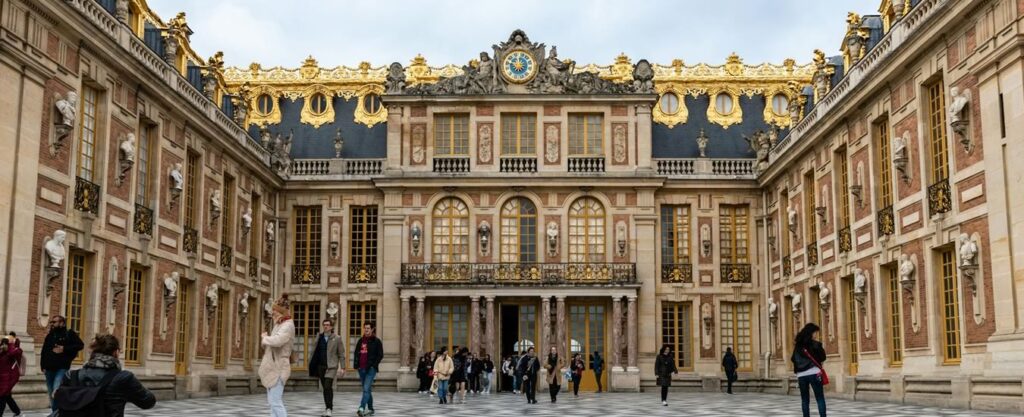
Dica: Aproveite também para fazer estes passeios em Paris
Tour pelo exterior da catedral de Notre Dame + Ingresso da cripta . Duração: 2 horas
Disneyland Paris Duração: 3 horas ou mais
Passeio de barco pelo Sena. Duração: 1h
Ingresso do 3º andar da Torre Eiffel. Duração: 2 a 3 horas
Ingresso do Palácio de Versalhes. Duração: 2 a 3 horas
Veja mais passeio em Paris aqui.
History and Significance of the Palace of Versailles
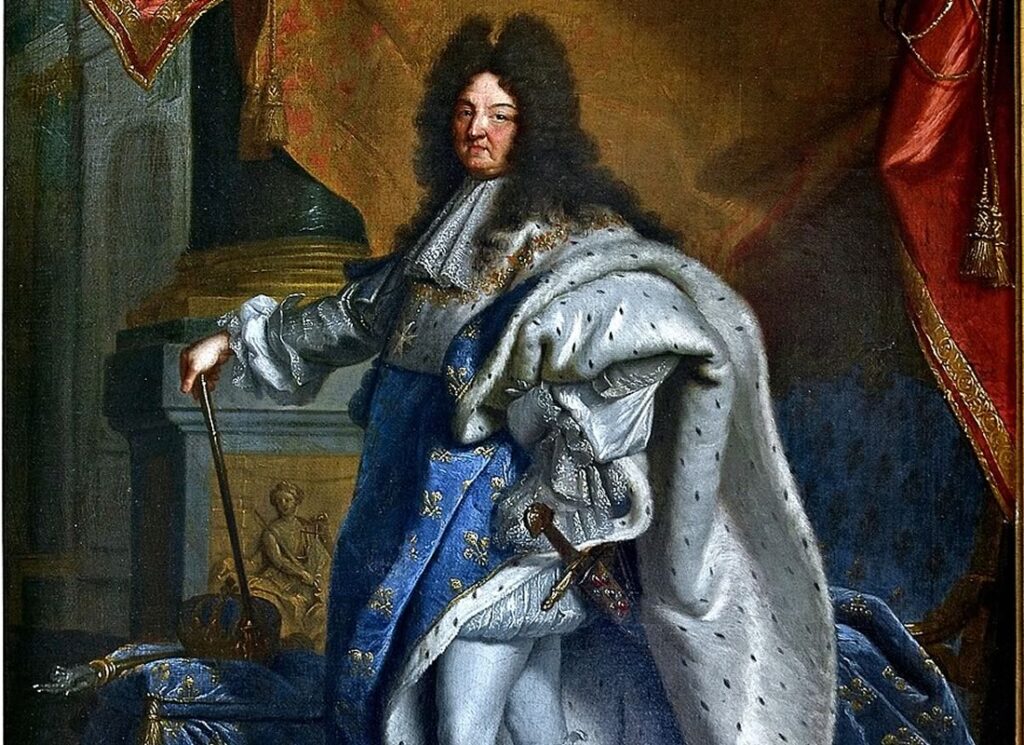
The Palace of Versailles is more than just a building—it’s a living chapter of European history. Originally, it was a modest hunting lodge built by King Louis XIII in 1623. It was his son, Louis XIV, known as the “Sun King,” who transformed Versailles into the magnificent complex we know today.
Between 1661 and 1715, Louis XIV dramatically expanded the palace, turning it into the official seat of the French government and the ultimate symbol of his power. The monarch had a clear vision: to create a monument that would intimidate foreign visitors and centralize the French nobility under his watchful eye. “L’État, c’est moi” (I am the state), his famous phrase, is embodied in the architectural grandeur of Versailles.
The palace witnessed crucial historical events, including the signing of the Treaty of Versailles in 1919, which officially ended World War I. During the French Revolution, the royal family was forced to leave Versailles in 1789, marking the end of an era of monarchical extravagance.
Today, the Palace of Versailles has been a UNESCO World Heritage Site since 1979, recognized not only for its architectural beauty but for its invaluable historical significance. Every corridor, hall, and garden tells a story of power, art, and social transformation that continues to fascinate visitors from around the world.
The Architecture That Inspired the World
The architectural style of Versailles became a benchmark for royal palaces across Europe. Architects Jules Hardouin-Mansart and Louis Le Vau, along with landscape designer André Le Nôtre, created a perfect balance between grandeur and refinement.
The main facade of the palace stretches an impressive 580 meters, making it one of the longest in Europe. The extensive use of marble, gold, and mirrors wasn’t just decorative—it visually communicated the economic and political power of France under Louis XIV.
Interestingly, many elements of Versailles were specifically designed to create optical illusions. The gardens, for example, were laid out with forced perspectives to appear even more expansive when viewed from the palace windows.
What Not to Miss at the Palace of Versailles
Versailles is immense—with over 700 rooms spread across 63,154 square meters, it’s impossible to see everything in a single visit. Here are the must-see attractions that justify its worldwide fame:
The Royal Apartments
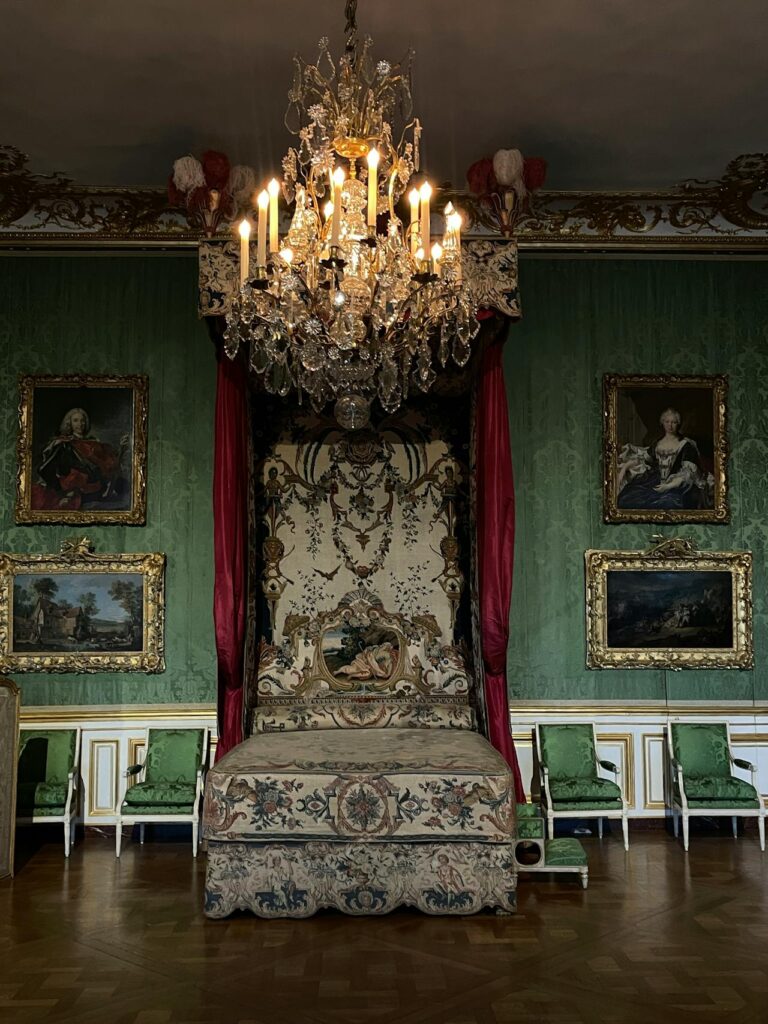
The king’s and queen’s apartments represent the ceremonial heart of the palace. Louis XIV’s bedroom, with its elaborately decorated bed under a gilded canopy, was the setting for daily rituals like the “lever” (waking) and “coucher” (retiring) of the king—moments when courtiers vied for the honor of watching the monarch dress or prepare for sleep.
The queen’s apartments, equally luxurious, were where queens gave birth in public, ensuring the legitimacy of the royal heir. The silk-lined walls and intricately carved furniture demonstrate the artistic sophistication of the era.
The Hall of Mirrors
Undoubtedly the most famous room in Versailles, the Galerie des Glaces (Hall of Mirrors) stretches 73 meters and represents the pinnacle of Baroque luxury. The 357 mirrors arranged in 17 arches face windows opening onto the gardens, creating a dazzling interplay between natural light and reflections.
This hall wasn’t just a passageway—it was where important state ceremonies took place. It was here that the German Empire was proclaimed in 1871 after the Franco-Prussian War, and where the Treaty of Versailles was signed in 1919.
The lighting in this hall is strategic: at dusk, when hundreds of candles were lit, the mirrors multiplied the light, creating a shimmering effect that amazed visitors—a true demonstration of French technical and artistic mastery.
The Gardens and Fountains of Versailles
The gardens of Versailles are as impressive as the palace itself. Designed by André Le Nôtre, they cover 800 hectares and represent the perfection of the formal French garden—symmetrical, geometric, and completely dominating nature.
The 55 fountains and 600 water jets are a masterpiece of 17th-century hydraulic engineering. During the “Musical Fountains Shows” (Grandes Eaux Musicales), all the fountains operate simultaneously to the sound of Baroque music—a spectacle dating back to the time of Louis XIV.
Highlights include:
- Fountain of Latona: illustrates the story of Latona protecting her children (Apollo and Diana)
- Fountain of Apollo: depicts the Greek god emerging from the waters in his chariot
- Grand Canal: an impressive 1,670-meter-long water mirror
- Orangerie: a winter garden with over 1,200 potted orange trees
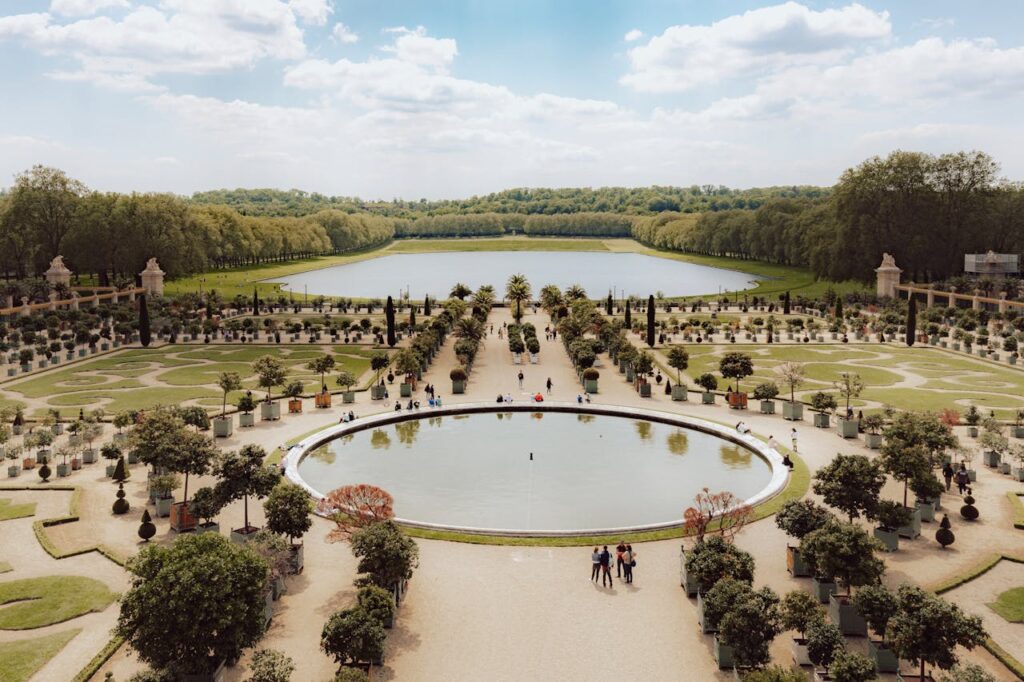
Be sure to explore the gardens with a plan: the fountains operate at specific times, and walking through the park can take several hours.
The Grand Trianon and Petit Trianon
To escape the rigid etiquette of the court, French monarchs built smaller residences on the palace grounds. The Grand Trianon, with its characteristic pink stone, was built by Louis XIV as a retreat for discreet meetings with his mistress, Madame de Montespan.
The Petit Trianon, a gift from Louis XV to Madame de Pompadour, became the refuge of Queen Marie Antoinette. Here, she had the Queen’s Hamlet (Le Hameau de la Reine) built—a cluster of rustic cottages where she could play at being a peasant, a fantasy that contributed to her unpopularity during the Revolution.
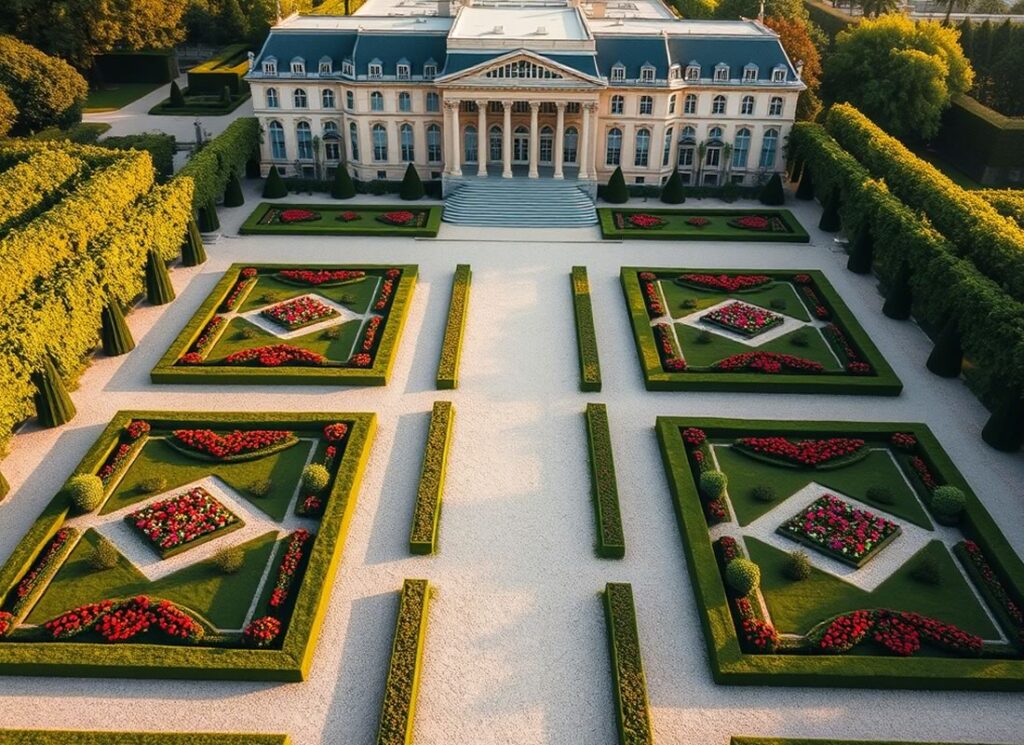
Less visited than the main palace, these buildings offer a more intimate experience and reveal fascinating aspects of the private lives of French royalty.
Practical Guide: How to Visit the Palace of Versailles
Turning your visit to Versailles into a seamless experience requires strategic planning. Here’s what you need to know:
Tickets and Best Times to Visit
To avoid the long lines that are a hallmark of Versailles, buy your tickets in advance online. Options include:
- Passport (full ticket): €22 – Access to the palace, gardens, Grand Trianon, Petit Trianon, and the Queen’s Hamlet
- Palace Ticket: €18 – Access to the main palace only
- Gardens: €9.50 on fountain show days (Tuesday, Saturday, and Sunday), free on other days
Expert tip: book the first entry of the day (9:00 AM) to enjoy the palace before the crowds arrive. The best days to visit are Tuesday and Wednesday, when tourist traffic is significantly lower.
During peak season (June to August), be prepared for longer wait times, even with pre-purchased tickets. If possible, plan your visit during the low season (November to March), when crowds thin out considerably.
How to Get to Versailles
Located just 12 miles (20 km) from Paris, Versailles is easily accessible by various means of transport:
- RER C Train: From Paris, take the RER C line towards “Versailles Château – Rive Gauche.” The trip takes about 40 minutes, and the station is just a 10-minute walk from the palace.
- Bus: Line 171 departs from Pont de Sèvres station (metro line 9) and arrives very close to the palace.
- Car: If you prefer to drive, there are paid parking lots near the palace. Note: traffic can be heavy on weekends and holidays.
- Guided Tour: Several companies offer full-day excursions from Paris, including transportation and tickets.

For visitors with reduced mobility, the palace has adapted access points and elevators. It’s recommended to contact the visitor service in advance to ensure a comfortable experience.
Optimized One-Day Itinerary
To make the most of your visit in a single day, follow this strategic itinerary:
Morning (9:00 AM – 12:00 PM):
- Arrive before opening to be one of the first to enter
- Head straight to the Hall of Mirrors before the crowds
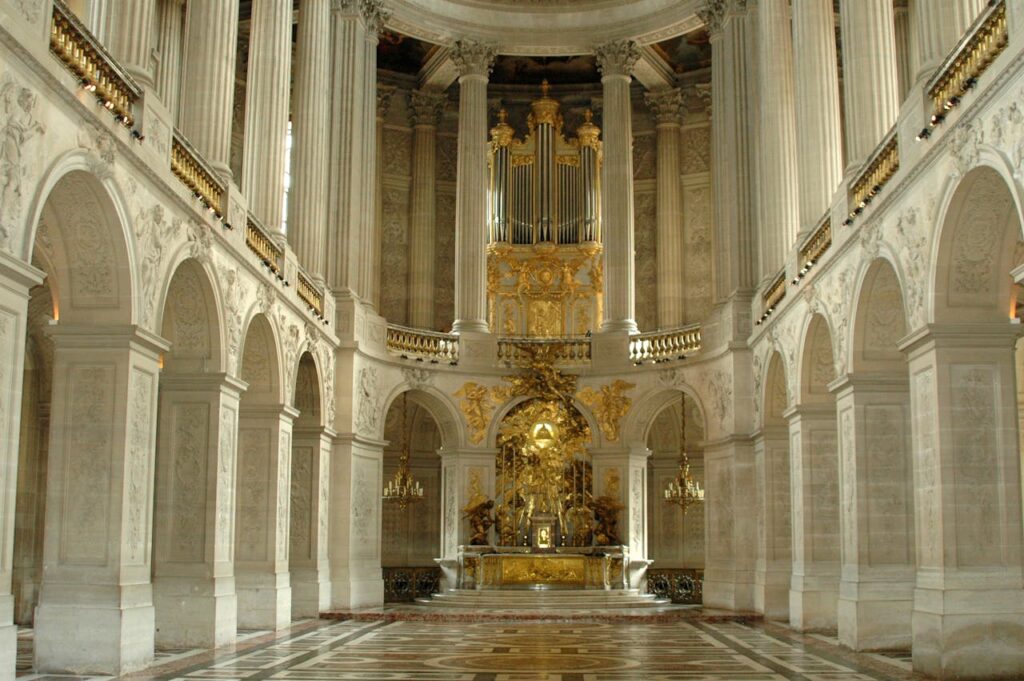
- Visit the Royal Apartments and the Royal Chapel
- Explore the Gallery of Battles
Lunch (12:00 PM – 1:30 PM):
- Budget option: Picnic in the gardens (bring your own food)
- Gourmet option: Restaurant Ore, by renowned chef Alain Ducasse, located in the palace
Afternoon (1:30 PM – 6:00 PM):
- Gardens and fountains (check fountain operating hours)
- Grand Trianon
- Petit Trianon and the Queen’s Hamlet
This itinerary allows you to see the main highlights without excessive rushing. Remember that last entries are allowed 30 minutes before closing, and buildings begin to close 45 minutes before the official closing time.
Exclusive Expert Tips
After guiding hundreds of travelers through Versailles, I can share some tips you won’t find in standard guidebooks:
Avoid Stendhal Syndrome
Visual overload at Versailles is real! The so-called “Stendhal Syndrome”—dizziness and confusion caused by an excess of artistic beauty—can affect sensitive visitors. Take frequent breaks, especially in the gardens, to absorb the experience without exhaustion.
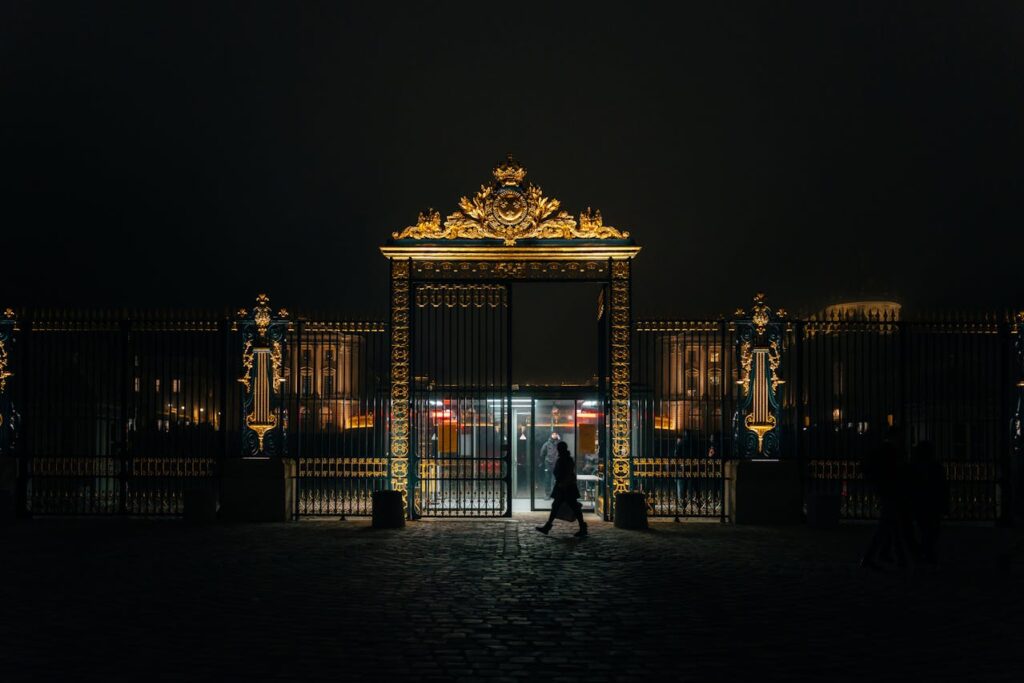
Little-Known Secrets
Look for fascinating details that most tourists overlook:
- The original locks on the doors of the royal apartments, masterpieces of 17th-century engineering
- The secret passages used by the service staff to appear “magically” when called
- The hidden sun symbols in the decor—references to the “Sun King,” Louis XIV
- The marks on the walls left during the French Revolution, when the furniture was removed
Best Time for Photography
For photographers, the “golden hour”—the first hour after opening and the last hour before closing—offers the best natural light in the halls. In the gardens, late afternoon produces dramatic shadows that enhance the perfect geometry of the landscaping.
On evening show nights (summer), stay after sunset to photograph the illuminated palace—a truly magical sight that few tourists experience.
Beyond the Basics: Exclusive Experiences at Versailles
For those seeking an experience beyond conventional tourism, Versailles offers special options:
Private Tours and Restricted Areas
For an additional fee, you can access areas normally closed to the public:
- Royal Opera House: An architectural masterpiece with perfect acoustics
- Private apartments of the kings: Intimate rooms where royalty relaxed
- Secret passages: Hidden routes used by monarchs to move discreetly
These private tours cost between €200-500 per group and must be booked weeks in advance on the official website.
Festivals and Special Events
- Musical Fountains Show: Choreographed fountains with Baroque music (Saturdays and Sundays, April to October)
- Evening Serenades: Classical music concerts in the historic halls (Thursdays, May to September)
- Versailles Masquerade Ball: An annual event where visitors in period costumes dance like in the 18th-century court
Participating in these events offers a completely new dimension to your Versailles experience, allowing you to “live” the history instead of just observing it.
Where to Eat and Shop Near the Palace

Dining Options
- Inside the Palace:
- Restaurant Ore: Refined French cuisine with garden views
- Angelina: Famous for its hot chocolate and Mont Blancs
- La Flottille: Casual restaurant on the edge of the Grand Canal
- In the City of Versailles:
- La Cuisine du Marché: Traditional dishes with ingredients from the local market
- Chez StefS: Cozy bistro with moderate prices, a 10-minute walk from the palace
Memorable Shopping
The palace complex houses official shops where you can find art replicas, jewelry inspired by the royal collections, and specialized books. In the city of Versailles, don’t miss:
- Notre-Dame Market: Historic covered market with regional products
- Saint-Louis Quarter: Area with charming antique shops and handicrafts
A typical souvenir is a miniature replica of the palace or a box of macarons flavored with essences inspired by the gardens of Versailles—a delicious keepsake that captures the essence of the palace.
Conclusion: The Eternal Magic of Versailles
Versailles is more than just a tourist destination—it’s a journey through time that connects us with centuries of history, art, and power. In this guide, we’ve shared not only the practical aspects for a perfect visit but also the secrets that make Versailles a transformative experience.
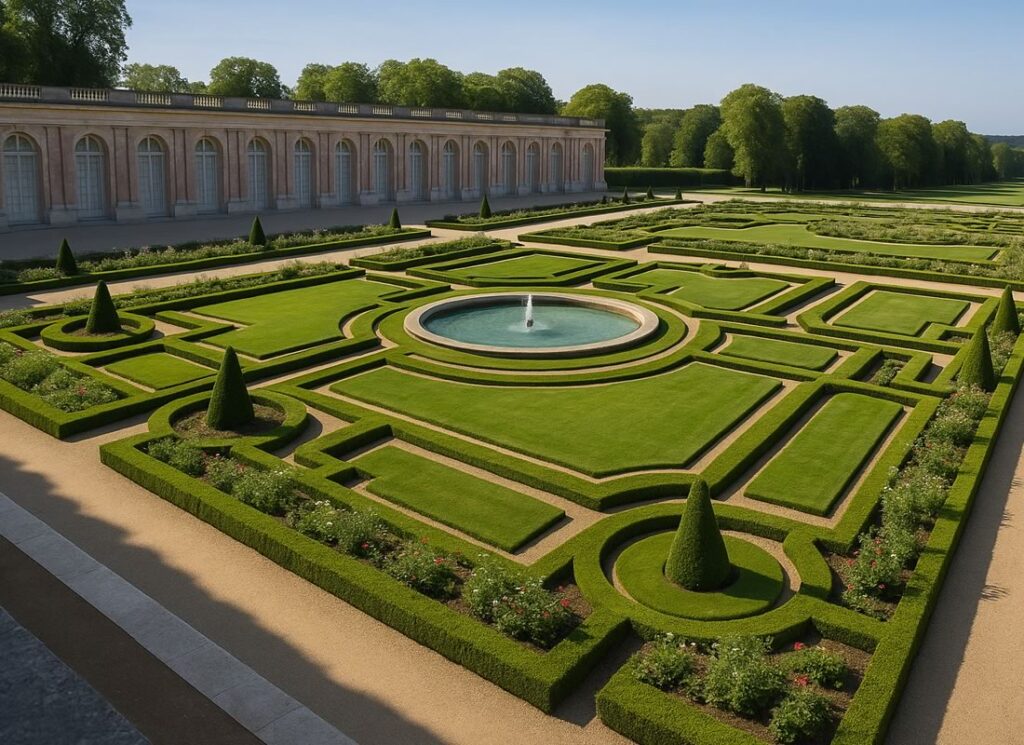
As you walk through the same corridors that witnessed the splendor of the French monarchy and its eventual fall, you become part of a tradition of awestruck visitors that began over three centuries ago. The palace that Louis XIV built to impress continues to fulfill its mission, enchanting millions of people annually with its timeless beauty.
Plan your visit carefully, using the tips in this guide, and Versailles will surely become one of the highlights of your trip to France. Take the time you need to absorb not only the obvious grandeur but also the small details that tell fascinating stories about a world that no longer exists—except in this extraordinary monument that has stood the test of time.
Ready to experience the magnificence of Versailles? Book your tickets online now and guarantee a royal experience at this historic French treasure!
Frequently Asked Questions About the Palace of Versailles
How long does it take to visit the entire Versailles complex?
For a complete visit, including the main palace, gardens, Grand Trianon, and Petit Trianon, set aside a full day (8-9 hours). Visitors with limited time can focus on the main palace and part of the gardens in 3-4 hours, but this means missing many important attractions.
Is Versailles suitable for children?
Yes, Versailles can be interesting for children, especially the gardens where they can run and explore. For children aged 8 and up, the palace offers special audio guides with adapted stories. On summer weekends, family activities like boat rides on the Grand Canal make the visit more fun.
What should I wear to visit Versailles?
Wear comfortable clothes and suitable walking shoes, as you’ll be doing a lot of walking. There’s no specific dress code, but remember it’s a historic site. In summer, bring sunscreen and a hat for the gardens; in winter, warm layers are essential, especially for the outdoor areas.
Is it possible to visit Versailles as a day trip from Paris?
Absolutely. Located just 40 minutes by train from Paris, Versailles is one of the most popular day trips from the French capital. Leaving early (around 8:00 AM) and returning in the evening, you can explore the main points of the complex without needing to stay overnight in Versailles.
Do the garden fountains run every day?
No. The fountains only operate on specific days: Tuesdays, Saturdays, Sundays, and national holidays, from April to October. The “Musical Fountains Show” takes place on Saturdays and Sundays. On other days, the fountains remain off for conservation. Check the official website in advance to avoid disappointment.
Do I have to pay to enter the gardens of Versailles?
The gardens are free on days when the fountains are not operating. However, on fountain show days (Tuesdays, Saturdays, and Sundays), there is an entrance fee (approximately €9.50). Even on paid days, the gardens are worth every penny, as the operating fountains completely transform the experience.