Choosing where to take your kids in France is a bigger decision than planning a solo trip: too many trains exhaust little ones, too many castles bore pre-teens, and not every charming couple’s getaway works well with a stroller or bathroom lines.
To build a France itinerary for families, the regions that best balance short distances, kid-friendly attractions, and solid infrastructure are Paris with Disneyland Paris, the Loire Valley with its châteaux, and Normandy with its beaches and accessible history — all three allow for fixed bases of 3 to 4 nights each, without changing hotels daily, on a 10-12 day route (July 2026).
Which regions of France are best for traveling with kids
Families who’ve already road-tripped through France recommend avoiding itineraries that pack in more than two or three regions on a single trip with young kids: Paris, the Loire Valley, and Normandy form the most balanced trio because they’re just a few hours apart by train or car, and each delivers something tangible—a theme park, a château, and a beach—instead of just a “pretty city to walk around” (Learning Escapes, 2026).

Dica: Aproveite também para fazer estes passeios em Paris
Tour pelo exterior da catedral de Notre Dame + Ingresso da cripta . Duração: 2 horas
Disneyland Paris Duração: 3 horas ou mais
Passeio de barco pelo Sena. Duração: 1h
Ingresso do 3º andar da Torre Eiffel. Duração: 2 a 3 horas
Ingresso do Palácio de Versalhes. Duração: 2 a 3 horas
Veja mais passeio em Paris aqui.
Brittany also comes up as an option for those prioritizing beaches and short drives between villages, but it’s less practical due to less frequent direct TGV connections compared to the Loire and Normandy—it’s better suited for a second trip to France than a first family visit.
Provence rounds out the options as a fourth choice for families who already know Paris and want to add warmer weather, open-air markets, and bike rides on flatter terrain than the Atlantic coast—but since it’s farther from Paris by direct train, it works best combined with the Loire Valley on a 12-day (or longer) trip, rather than as a standalone short stop.
Paris with kids: what’s worth it and what to skip
In Paris, the activities that work best with kids are the Jardin d’Acclimatation, an amusement and nature park in the Bois de Boulogne with entry at €6.50 (adult and child) and free admission for those under 80 cm tall; the Cité des Sciences et de l’Industrie in the Parc de la Villette, which has the “Cité des enfants” area designed for hands-on exploration; and the Jardin du Luxembourg, with its playground and traditional puppet theater (Famil’in Paris, 2026).
What usually disappoints with young kids are museums with dense collections like the Louvre on a rushed visit—it’s better to set aside just 1.5 to 2 hours with a pre-planned route than to try to “see everything”. A Seine river cruise works well as a lighter break between two landmarks, especially in the late afternoon when fatigue starts to set in.
It’s worth booking tickets for popular attractions like the Eiffel Tower in advance: with kids in tow, any line over 40 minutes becomes an avoidable stress point.
Disneyland Paris: when a full day is worth it
Disneyland Paris, in Marne-la-Vallée about 40 minutes by train from central Paris, works best as a full, isolated day on the itinerary, without trying to tack on another outing the same day. In 2026, a 1-day, 1-park ticket starts at €59 for adults and €52 for children aged 3 to 11 on lower-demand dates, with dynamic pricing that rises as dates approach weekends or peak season; kids under 3 get in free (The Better Vacation, 2026).
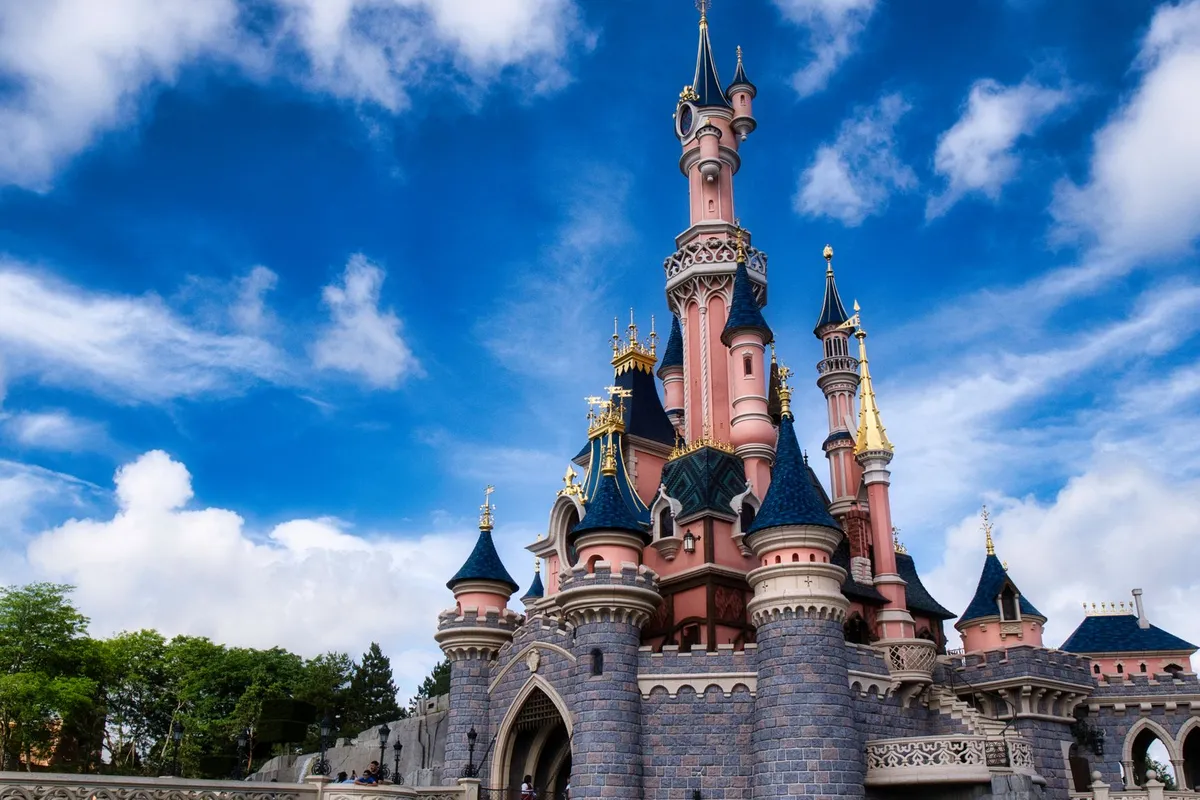
Families with kids aged 4 to 8 tend to get more out of Disneyland Park itself than the adjacent Walt Disney Studios, which is more geared toward teens and movie buffs. Arriving at the opening time listed on the official site helps beat the first wave of lines at the most popular rides.
Loire Valley: châteaux that keep kids engaged
The Loire Valley is home to the easiest châteaux to “sell” to a kid with no natural interest in history: the Château de Chambord impresses with its sheer size and double spiral staircase, while the Château de Chenonceau, built over the river, is often the favorite simply because it looks “fairy-tale-like” at first glance.
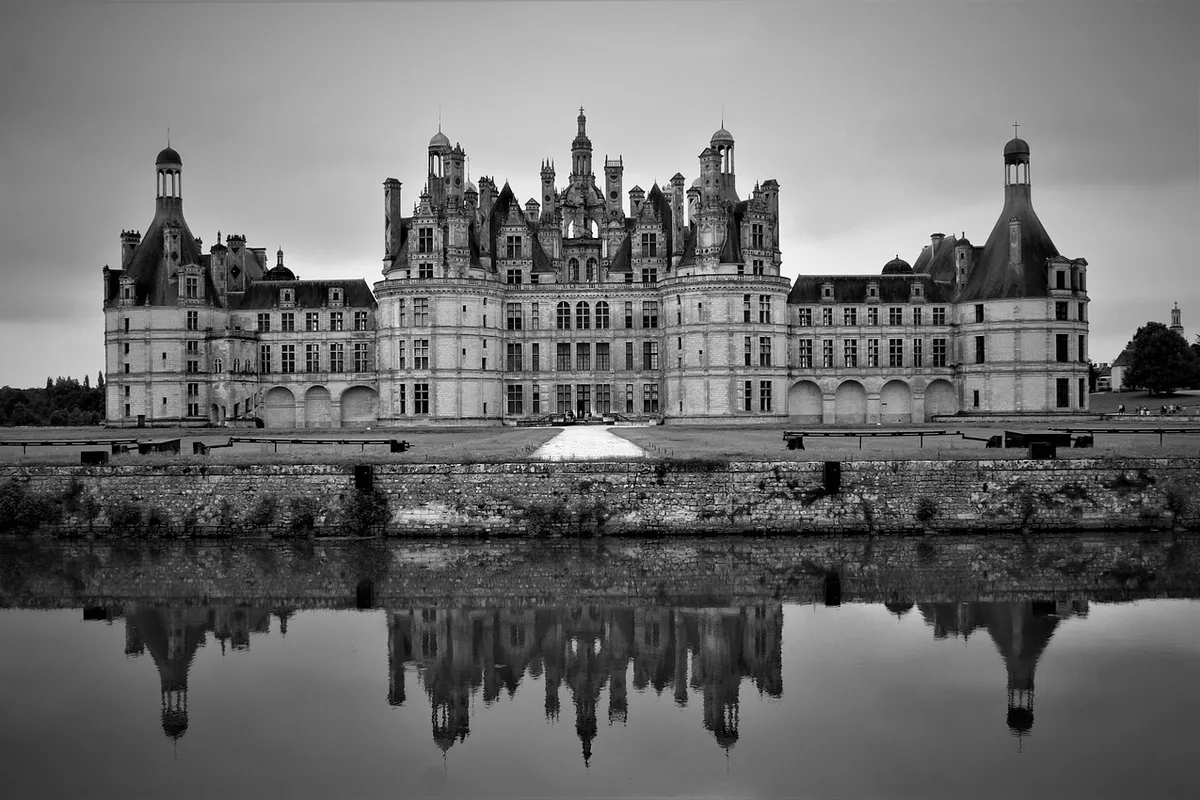
Using Amboise or Tours as a base avoids changing hotels for each château you visit; from there, Chambord and Chenonceau are a 20-30 minute drive away by rental car or a tour departing from the city itself—our guide to a first-time France itinerary details how to fit this leg into a 10- or 15-day trip.
Bike or canoe rides along the Loire’s flat terrain work well with kids aged 6 and up who can pedal on their own—an active break after two or three châteaux in a row helps stave off “another castle” fatigue.
Normandy: beaches, history, and a slower pace
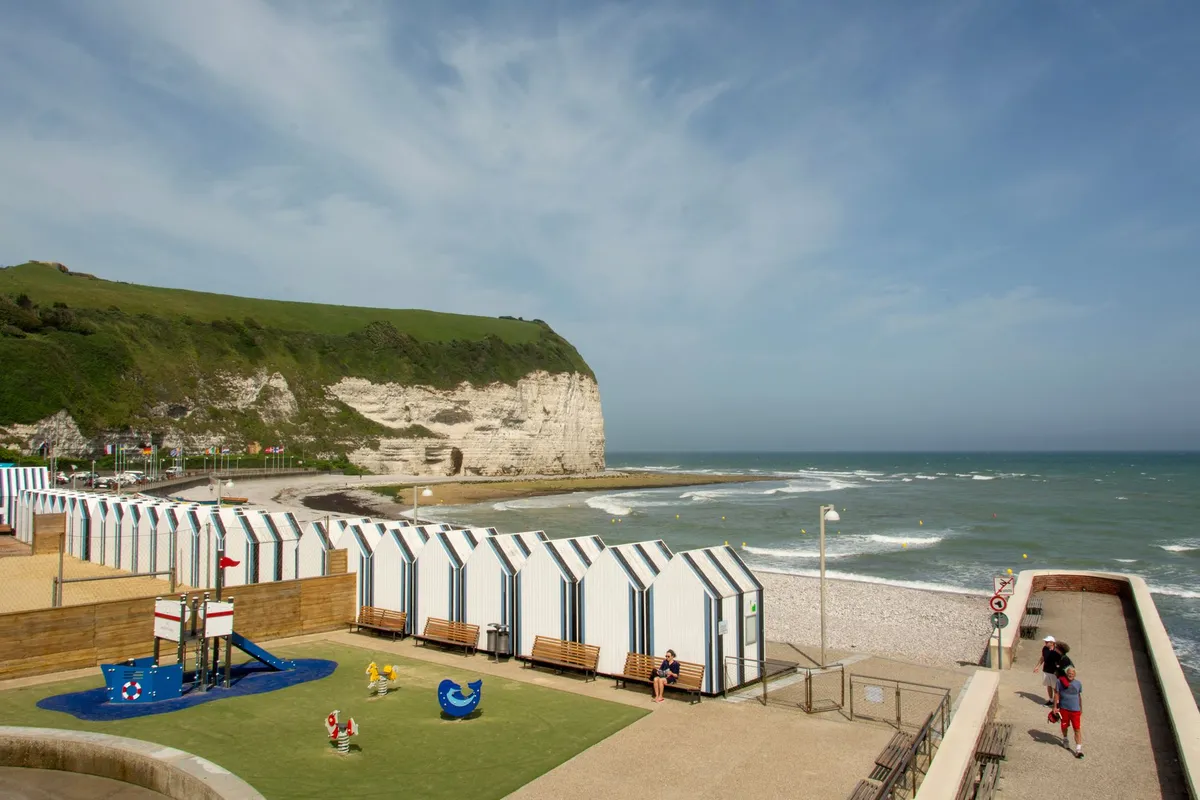
Normandy works as a slower-paced option, with beaches like Deauville and Trouville for a free afternoon and the Jardin de Monet in Giverny as a short, visual outing that’s easy to explain to a young child—”this is where the painter saw the flowers he painted.”
For families with kids aged 9 or 10 and up, the sites tied to Joan of Arc’s history and the D-Day landing beaches spark more concrete conversations about history than a traditional museum—but it’s worth calibrating the visit to the child’s age: kids under 8 tend to tire quickly of these more exhibit-heavy itineraries.
Accommodation and budget with kids
Aparthotels and rentals with a compact kitchen pay off more than a traditional hotel room on a family trip: besides costing less per night in cities like Amboise or Bayeux, they let you whip up a simple breakfast or snack without relying on a restaurant every time a kid gets hungry.
In Paris, neighborhoods like the 15th arrondissement and areas near the Bois de Boulogne have family-sized aparthotels at more accessible prices than the historic center, with good metro access to the main sights. Booking a two-bedroom apartment keeps the kids’ bedtime from cutting into the adults’ evening.
For the total budget, it’s worth calculating attraction entry fees per child separately: at the Jardin d’Acclimatation, Disneyland Paris, and most museums, the child rate is already reduced, but it still adds up to the day’s total when the family has two or three kids — booking in advance usually locks in the lowest price before the high-season adjustment.
Logistics with Kids: Trains, Transit, and How Many Days Per City
Between cities, the TGV is usually more relaxing with kids than driving, because it lets them stand up, walk the aisle, and doesn’t depend on roadside stops. Booking seats facing each other helps keep the family close during the ride; the Paris transit pass breaks down how Navigo and single tickets work within the city.
On the metro and regional trains in the Paris area (RATP/Île-de-France Mobilités), children up to 3 ride free and don’t need a ticket; from 4 to 9, they get a 50% discount off the full fare; from 10 and up, kids pay the full adult fare (RATP, 2026).
For how long to stay in each city, the pace that works best with young kids is 3 to 4 nights per base — enough to recover from the previous leg without repacking the next day. Skip one-night stops; check-in time and luggage wrangling with kids takes longer than it looks on paper.
Best Time to Travel with Kids
The stretch between June and early September brings longer days, mild weather in Normandy and Brittany, and lines up with Brazilian school holidays in July — which makes it easier to bring the kids without pulling them out of school. Regions like the Loire Valley get quite hot in the middle of August, so May, June, or the first half of September offer more comfortable outdoor outings without the peak of the European summer heat.
Frequently Asked Questions
How many days should you book for a family trip to France?
To cover Paris, Disneyland Paris, and one extra region like the Loire Valley or Normandy at a relaxed pace, 10 to 12 days give you a comfortable rhythm, with 3 to 4 nights per base and no city-hopping every day.
Do young kids ride free on Paris transit?
Yes: children up to 3 ride free on the metro and regional trains in the Paris area, and kids from 4 to 9 pay half the adult fare; from 10 and up, they pay the full fare.
Is Disneyland Paris worth it with a young child?
Yes, especially between ages 3 and 8, but it works best as a standalone day on the itinerary, without trying to squeeze in another outing on the same date because of the park’s accumulated fatigue.
Is it better to travel by train or rental car through France with kids?
Between major bases like Paris and the Loire Valley, the train is usually more relaxing with kids since you can get up during the ride; a rental car pays off more for short hops within a single region, like between the Loire castles.
Conclusion
A family trip through France pays off more when the itinerary combines a few fixed bases — Paris, the Loire Valley, and Normandy make a well-balanced trio — instead of trying to string together many cities in just a few days. To nail down the practical details of your trip, torreeiffel.com.br has other guides on transit and itineraries in France that help you put together the rest of the plan.