Anyone strolling through central Paris’s boulevards notices a detail without even realizing it: the buildings all look like cousins. Same height, same light stone, same wrought-iron balconies on the same floors. This isn’t a coincidence or a lack of architectural creativity—it’s the result of one of the most radical urban overhauls any European city has ever undergone, carried out in less than two decades during the 19th century.
The name behind it all is Georges-Eugène Haussmann. And understanding what he did explains why Paris still feels so unmistakably “Paris” today—and why certain corners of the city, like Le Marais, seem to have slipped through his ruler.
The Sick Paris Nobody Wanted Anymore
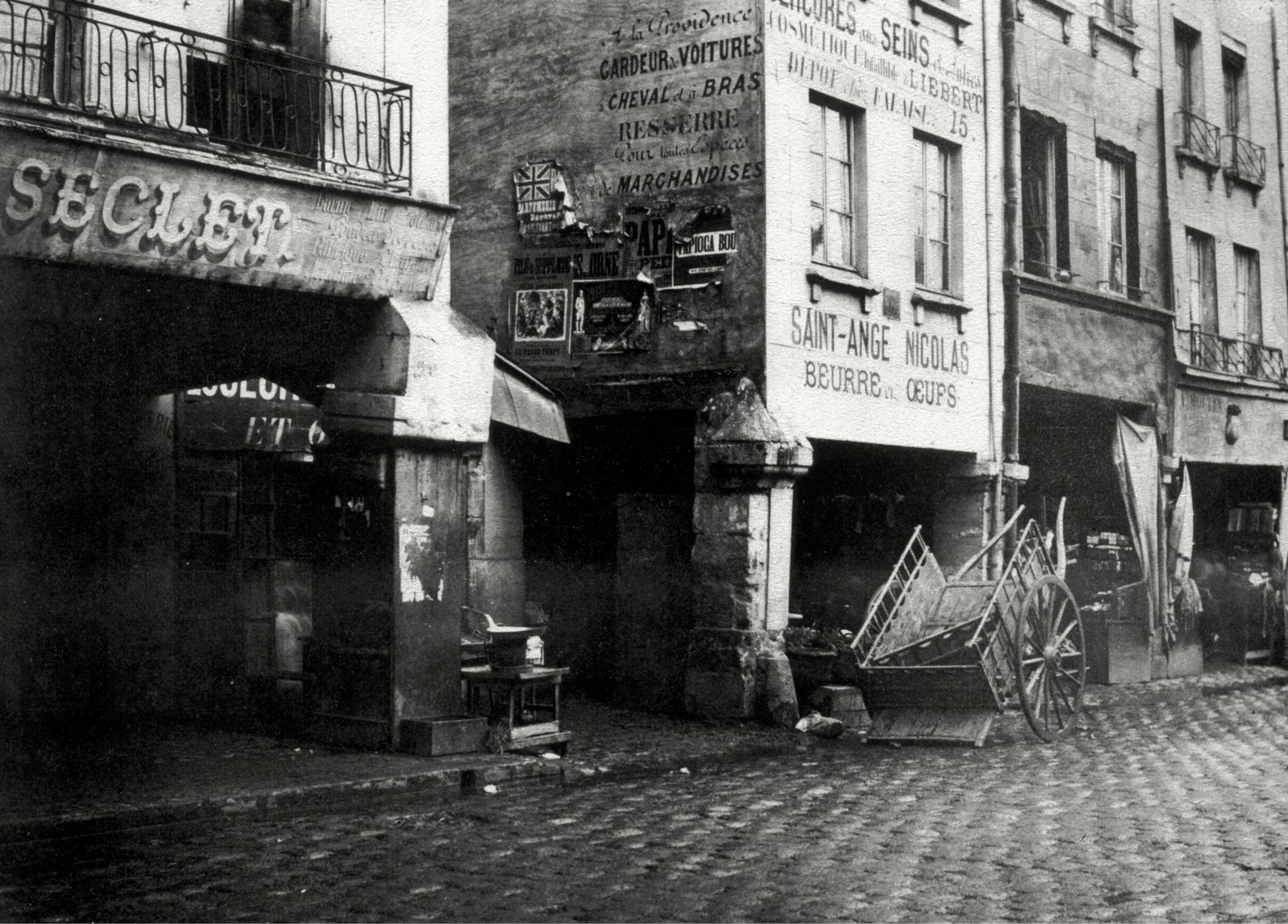
In the mid-19th century, much of Paris still looked like a medieval city: narrow, winding streets, no decent sewage system, and cramped buildings that blocked out light and air. The density was brutal—small rooms often housed entire families, sometimes more than one.
This environment was a breeding ground for two cholera epidemics, in 1832 and 1848, which killed thousands of Parisians. It wasn’t just an aesthetic issue bothering the elite—it was a city that made people sick and killed them because of its very physical structure.
A concrete example of this medieval squeeze: the Les Halles markets, which had existed since the Middle Ages and were still operating in much the same ancient way in the 19th century—narrow alleys, little light, cramped commerce—only now they were supplying a city that had grown far beyond what that structure could handle.
Napoleon III Picks the Right Man (or the Most Ruthless)
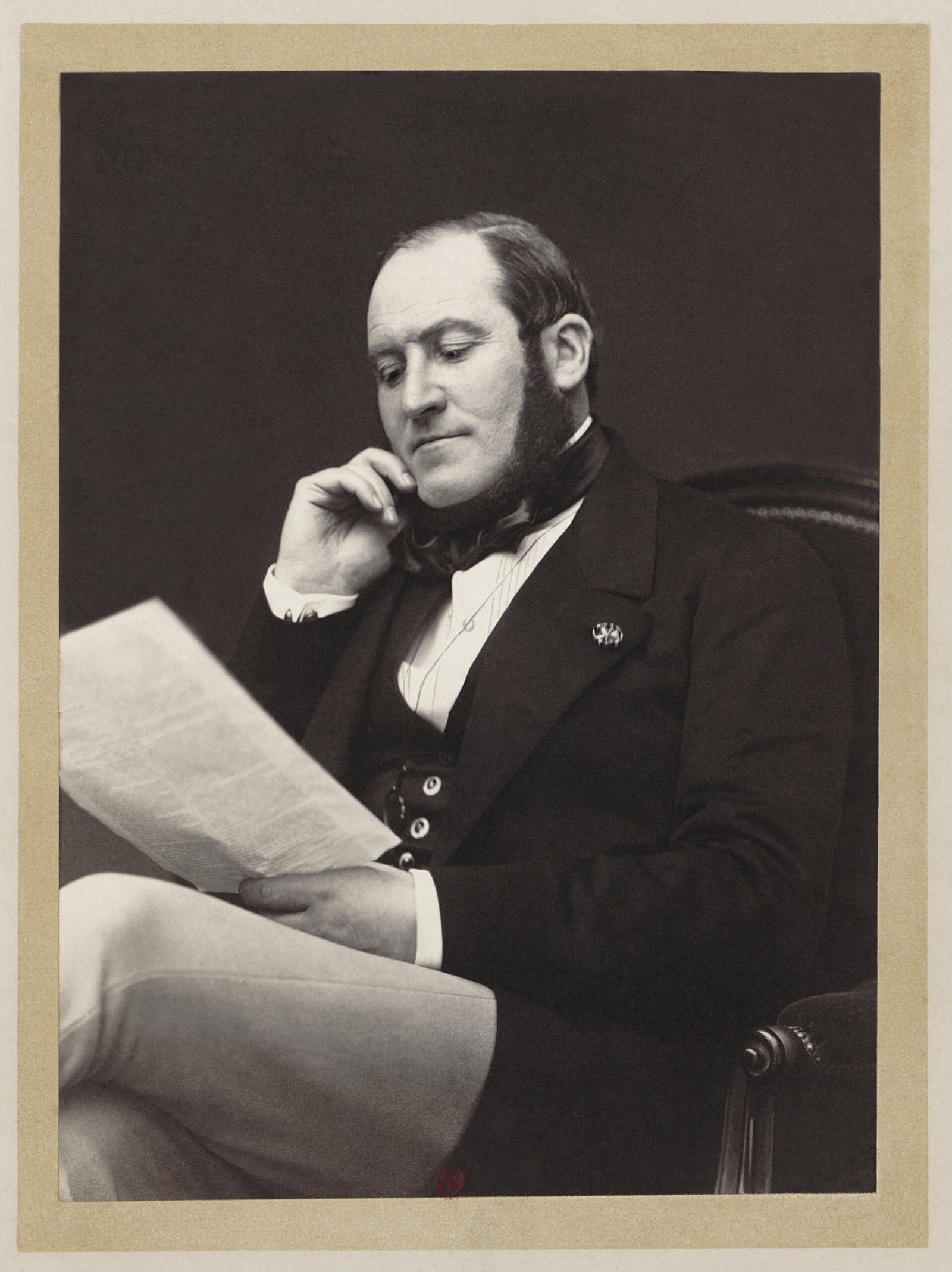
In 1853, Emperor Napoleon III appointed Georges-Eugène Haussmann as Prefect of the Seine—effectively the administrator in charge of Paris. Haussmann wasn’t an architect or urban planner by training; he was a methodical, organized public administrator willing to make unpopular decisions without buckling under pressure.
He became known, not surprisingly, as “the demolition artist.” Over nearly twenty years in office, he coordinated the overhaul of a huge chunk of the city: new wide avenues, squares, parks, sewage networks, aqueducts, and the annexation of neighboring suburbs into Paris proper.
Timeline: Haussmann’s Renovation
- 1832 and 1848 — Cholera epidemics expose the sanitation crisis of medieval Paris.
- 1853 — Napoleon III appoints Haussmann Prefect of the Seine.
- 1853-1870 — Large-scale demolitions and constructions: boulevards, parks, sewers, aqueducts.
- 1870 — Haussmann is fired by Napoleon III himself, under political and financial pressure.
- 1962 — The Malraux Law officially protects historic districts like Le Marais, which had escaped the renovation.
Dica: Aproveite também para fazer estes passeios em Paris
Tour pelo exterior da catedral de Notre Dame + Ingresso da cripta . Duração: 2 horas
Disneyland Paris Duração: 3 horas ou mais
Passeio de barco pelo Sena. Duração: 1h
Ingresso do 3º andar da Torre Eiffel. Duração: 2 a 3 horas
Ingresso do Palácio de Versalhes. Duração: 2 a 3 horas
Veja mais passeio em Paris aqui.
75% of Paris Under the Hammer
The scale of the intervention is hard to overstate: it’s estimated that about 75% of Paris’s area was demolished and rebuilt under Haussmann’s administration. Entire streets disappeared, along with ancient churches, medieval markets, and neighborhoods that had existed since the Middle Ages.
In their place rose the wide boulevards that are now the city’s postcard image—straight, tree-lined, designed for the rapid movement of people, carriages, and, according to the renovation’s own stated goals, military troops in case of popular uprising. Paris had just come off decades of barricades and uprisings in its narrow streets; wide, straight streets made that much harder to repeat.
The invisible part of the renovation was perhaps the most decisive for public health. In 1852, Paris had only 142 kilometers of sewers—not much for a city of its size. Over the next twenty years, Haussmann and engineer Eugène Belgrand built a dual network of tunnels totaling about 600 kilometers, permanently separating drinking water from sewage. The number of homes with running water quadrupled. For the first time, Paris had sanitation infrastructure worthy of the city’s size—and not the other way around.
The Green Lungs Paris Never Had
Boulevards and uniform buildings are the most remembered part of the renovation, but Haussmann also solved a problem Paris simply had no answer for until then: the city had almost no public parks. He put engineer Adolphe Alphand in charge of an ambitious program with a clear goal—no Parisian should have to walk more than ten minutes to reach a green space.
Alphand’s program gave birth to the Bois de Boulogne (1852-1858) west of the city, the Bois de Vincennes (1860-1865) to the east, the Parc des Buttes-Chaumont (1865-1867) to the north, and the Parc Montsouris (1865-1878) to the south—a large park for each cardinal point. The Parc Monceau, which already existed as a royal property, was redesigned and opened to the public in 1861. In total, the renovation created 24 new squares and added about 15 hectares of new green space to the city.
Why the Buildings All Look the Same to This Day
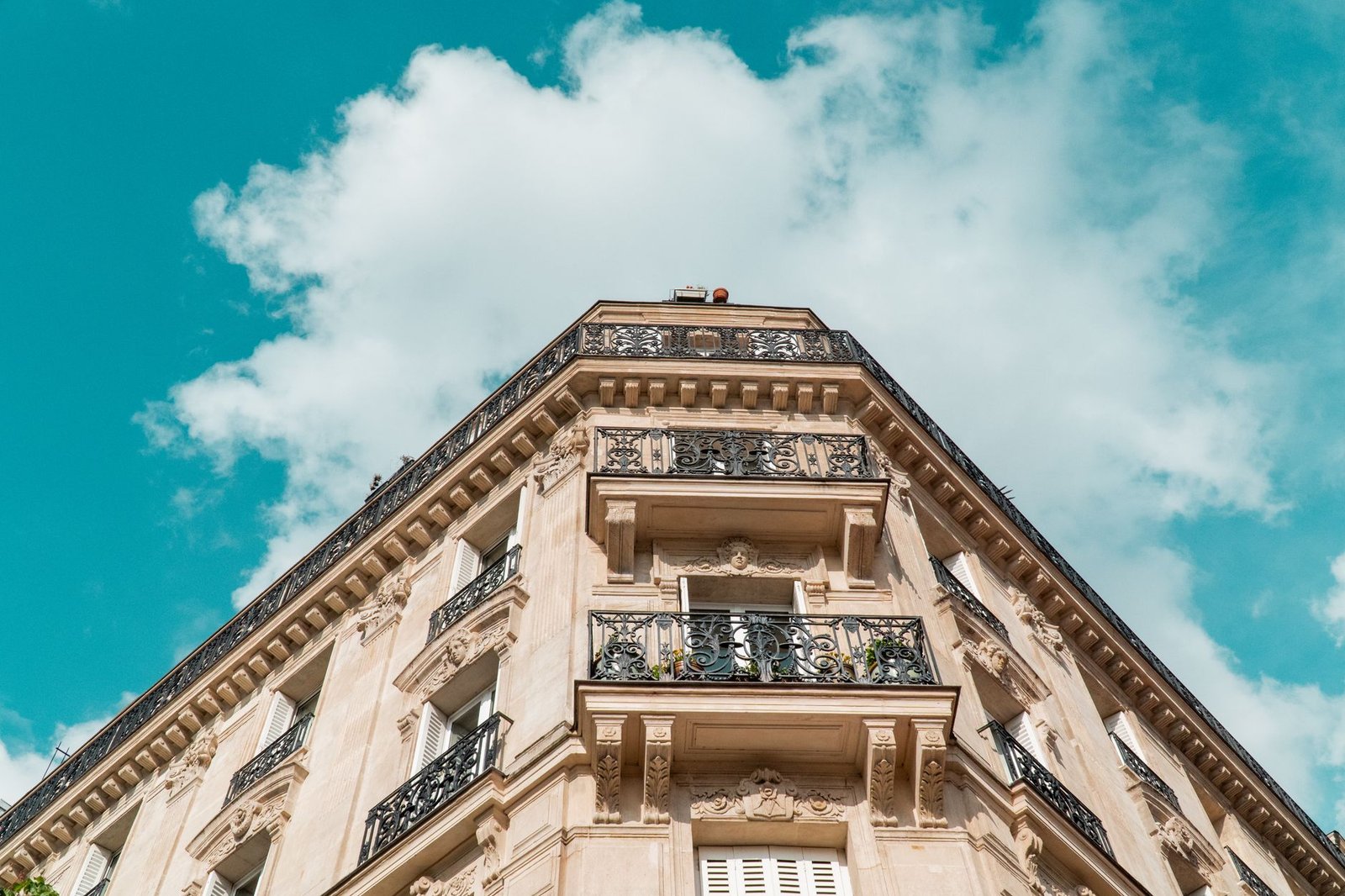
The uniform look that still dominates central Paris is no accident: it was the rule. Haussmann imposed a strict building code for new structures along the boulevards, and that code is exactly what we now call “Haussmannian architecture.”
The rules included a maximum height of six stories, a façade of light, precisely cut limestone, alignment between neighboring buildings, and an almost theatrical distribution of floors: a more robust ground floor and mezzanine (usually for shops), decorative balconies on the second floor, more discreet intermediate floors, and a continuous balcony on the fifth floor, topped by a mansard roof at a 45-degree angle—where, at the time, the simplest and cheapest rooms in the building were located.
This distribution wasn’t just aesthetic: it reflected the building’s social hierarchy, with the noblest (and most expensive) floors lower down, near the street, and the most modest at the top. Walking through the 8th or 9th arrondissement today and noticing this repetition is, literally, reading a 170-year-old urban planning blueprint.
Who Got Left Out: Le Marais
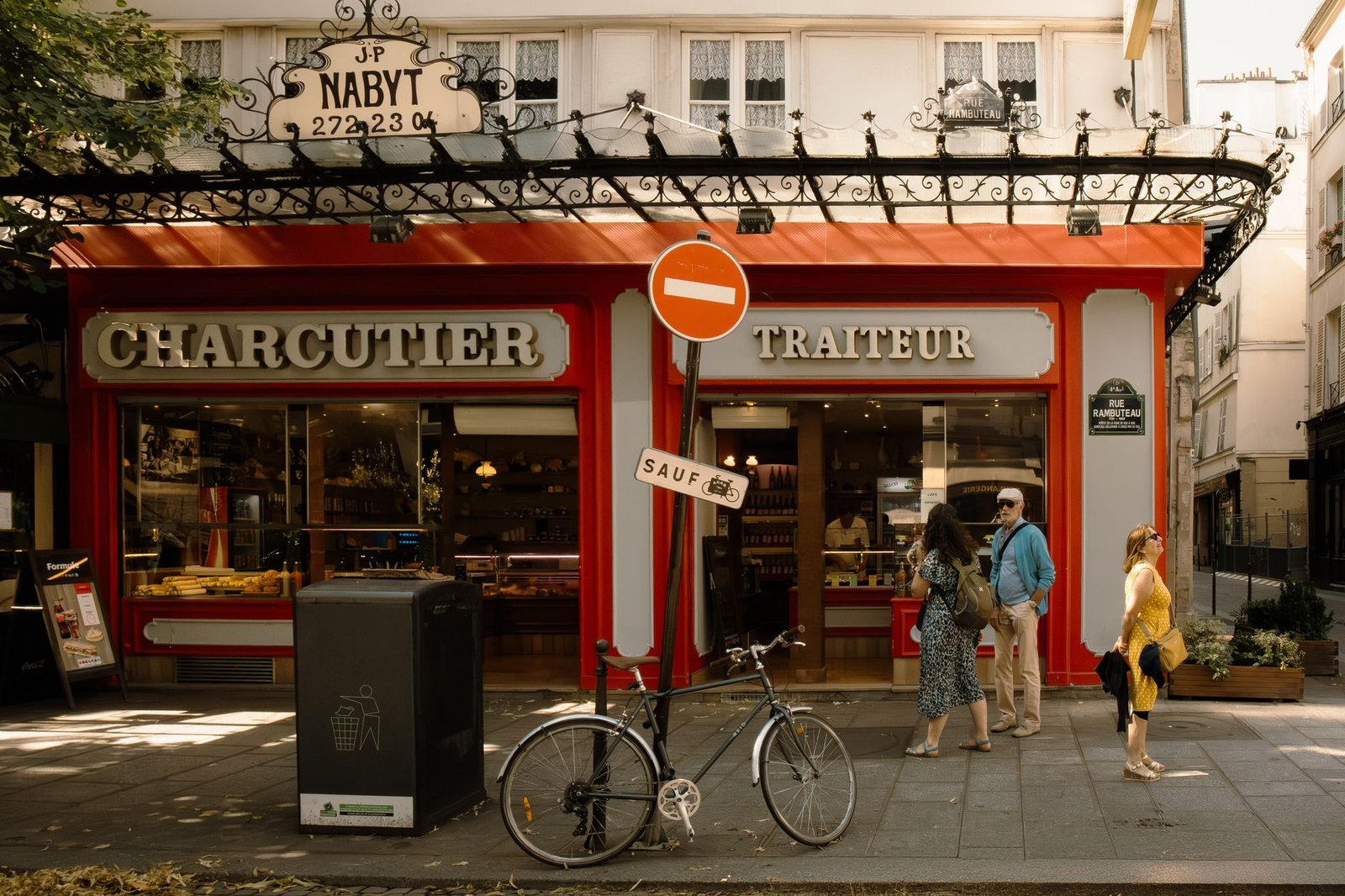
Not all of Paris fell under Haussmann’s ruler. The Le Marais district, today one of the city’s most sought-after neighborhoods, escaped the renovation almost entirely—and that’s why it still preserves narrow streets, old mansions, and an urban layout that recalls Paris before the 19th century.
There’s no single, well-documented reason for this exception. The most accepted explanation among historians is a combination of factors: Le Marais wasn’t among the plan’s priority axes (which focused on connecting strategic points of the city with straight boulevards), and the renovation’s time and budget, even though enormous, weren’t infinite.
The result was a historical accident that’s now worth its weight in gold: decades later, in 1962, the Malraux Law—created by then-Minister of Culture André Malraux—officially began protecting historic districts like this one from demolition, precisely to preserve what was left of pre-Haussmann Paris.
Why Haussmann Was Fired by the Very Emperor Who Hired Him
The renovation came with a gigantic price tag, financed through accounting methods that bred growing suspicion—loans and financial mechanisms that, in the eyes of political opponents, seemed to hide the true size of the city’s debt. Add to that the wear and tear of nearly two decades of construction, the demolition of entire neighborhoods, and the displacement of residents, and Haussmann’s popularity was eroded.
In 1870, under mounting political and financial pressure, Napoleon III himself fired the man he had put in charge. A few months later, the Second Empire fell for good, defeated in the Franco-Prussian War—but Haussmann’s layout was already too firmly established to be undone, and it continued to shape the city for the next hundred and fifty years.
The Darker Side of the Renovation
Not everything in Haussmann’s story is praise. Historians point out that the renovation, in practice, pushed much of the poor population living in central Paris to the city’s outskirts, making room for a more bourgeois occupation of the renovated areas. The new parks, elegant buildings, and tree-lined boulevards benefited far more those who could afford the newly built apartments than those who had been evicted from them.
And the military argument mentioned earlier wasn’t just a rumor or conspiracy theory: since the French Revolution, Paris had lived through cycles of riots and barricades built with cobblestones ripped from the very narrow streets. Wide, straight boulevards made that kind of barricade much harder to set up—and much easier to suppress, if necessary. Hygiene and social control went hand in hand in the same project. These barricades came straight from the tradition of the French Revolution, decades earlier—see where the events of that period actually took place in our guide to the French Revolution in Paris.
Why This Also Matters for Visitors from Brazil
If you’re Brazilian and this layout of wide boulevards and uniform buildings feels a bit familiar, it’s not your imagination. In the early 20th century, Rio de Janeiro’s mayor Francisco Pereira Passos renovated the city’s center directly inspired by Haussmann’s model, demolishing tenements and narrow streets and opening Avenida Central—today Avenida Rio Branco—inaugurated in 1905. The stated goal at the time was to transform Rio into a “tropical Paris.”
The similarity didn’t stop at aesthetics. The same logic of pushing the poor population to the outskirts repeated itself in Rio: the renovated center became an elegant showcase, and those who had lived there before were displaced to more distant areas of the city—the same exclusionary pattern from Haussmann’s Paris, replicated decades later on the other side of the Atlantic.
What You Can Still See Today
- Boulevard Haussmann: the avenue that bears the prefect’s name, now one of Paris’s main commercial thoroughfares.
- 8th and 9th arrondissements: a dense concentration of well-preserved Haussmannian façades, easy to recognize by their height and the same patterned balconies.
- Le Marais (3rd and 4th arrondissements): the direct counterpoint—narrow streets, lower and irregular buildings, the “Paris before Paris.”
- Parc des Buttes-Chaumont, Parc Monceau, Bois de Boulogne, and Bois de Vincennes: the major parks from Alphand’s program, each in a different part of the city, still among the most visited green spaces in Paris.
A great way to feel the contrast in practice: walk along Boulevard Haussmann and, in just a few minutes, duck into the alleyways of Le Marais. The change in scale and street rhythm is immediate—and it’s basically the difference between the Paris Haussmann wanted to create and the Paris he left untouched.
From Gallic Lutetia to the streets Haussmann razed to open the boulevards, the history of Paris is, in large part, the story of versions of the city being erased to make way for the next one. What survives—like Le Marais—isn’t what the city deliberately set out to preserve, most of the time, but what happened to slip through the ruler by chance.