Since the 1980s, Le Marais has played a second role beyond being a historic and touristy district: it’s the heart of Paris’s LGBTQIA+ scene, packed with a concentration of bars, cafés, and community spaces that few other European neighborhoods can match. For travelers wanting to understand this side of the area, it’s worth knowing where the main spots are and what to expect from each one.
Dica: Aproveite também para fazer estes passeios em Paris
Tour pelo exterior da catedral de Notre Dame + Ingresso da cripta . Duração: 2 horas
Disneyland Paris Duração: 3 horas ou mais
Passeio de barco pelo Sena. Duração: 1h
Ingresso do 3º andar da Torre Eiffel. Duração: 2 a 3 horas
Ingresso do Palácio de Versalhes. Duração: 2 a 3 horas
Veja mais passeio em Paris aqui.
Where the “Gayborhood” Is Within the Marais
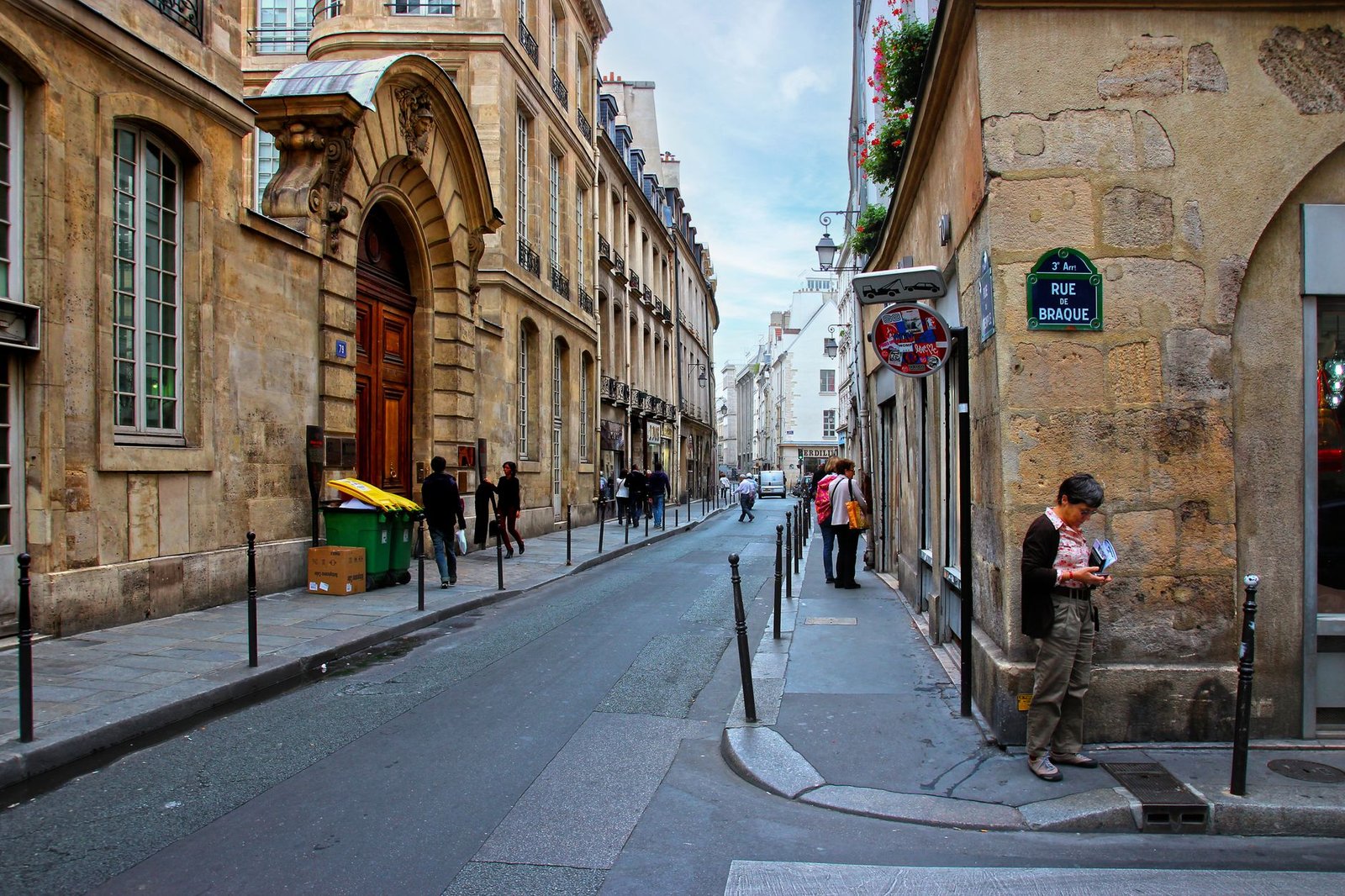
The LGBTQIA+ scene in the Marais is mainly concentrated on three streets, all just a few minutes’ walk from each other: Rue des Archives, Rue du Temple, and Rue Sainte-Croix de la Bretonnerie. You can easily cover all three on foot in under 15 minutes, making it simple to plan a night hopping between spots without needing any transportation.
The area sits in the 3rd and 4th arrondissements, close to other Marais landmarks like the Place des Vosges and the Centre Pompidou — so it’s easy to fit this part of the neighborhood into a broader itinerary without needing a special trip just for it.
Open Café: The Scene’s Most Visible Hub
At 17 Rue des Archives, you’ll find Open Café, one of the most well-known and visible spots in the Parisian LGBTQIA+ scene. It works great during the day, with a relaxed, sidewalk-apéro vibe, and stays lively into the night. It’s a solid first reference point for anyone new to the area looking for a central place to start.
COX: A More Intense Nighttime Vibe
Just a few steps away at number 15 on the same street is COX, a bar that mainly draws a male crowd and really picks up steam as the evening kicks in. It’s one of the most traditional bars on the circuit, especially buzzing on weekends — worth considering if you’re after a more nightlife-focused experience rather than the early-evening sidewalk-café vibe.
La Mutinerie: A Space Designed for Women
At 35 Rue Sainte-Croix de la Bretonnerie, you’ll find La Mutinerie, a space especially geared toward women, with a lineup of DJs and events that usually breaks away from the more commercial vibe of neighboring bars. It’s an important reference for anyone seeking a more inclusive environment, less focused on the male crowd that dominates much of the traditional circuit.
A Bit of History: Why the Marais and Not Another Neighborhood
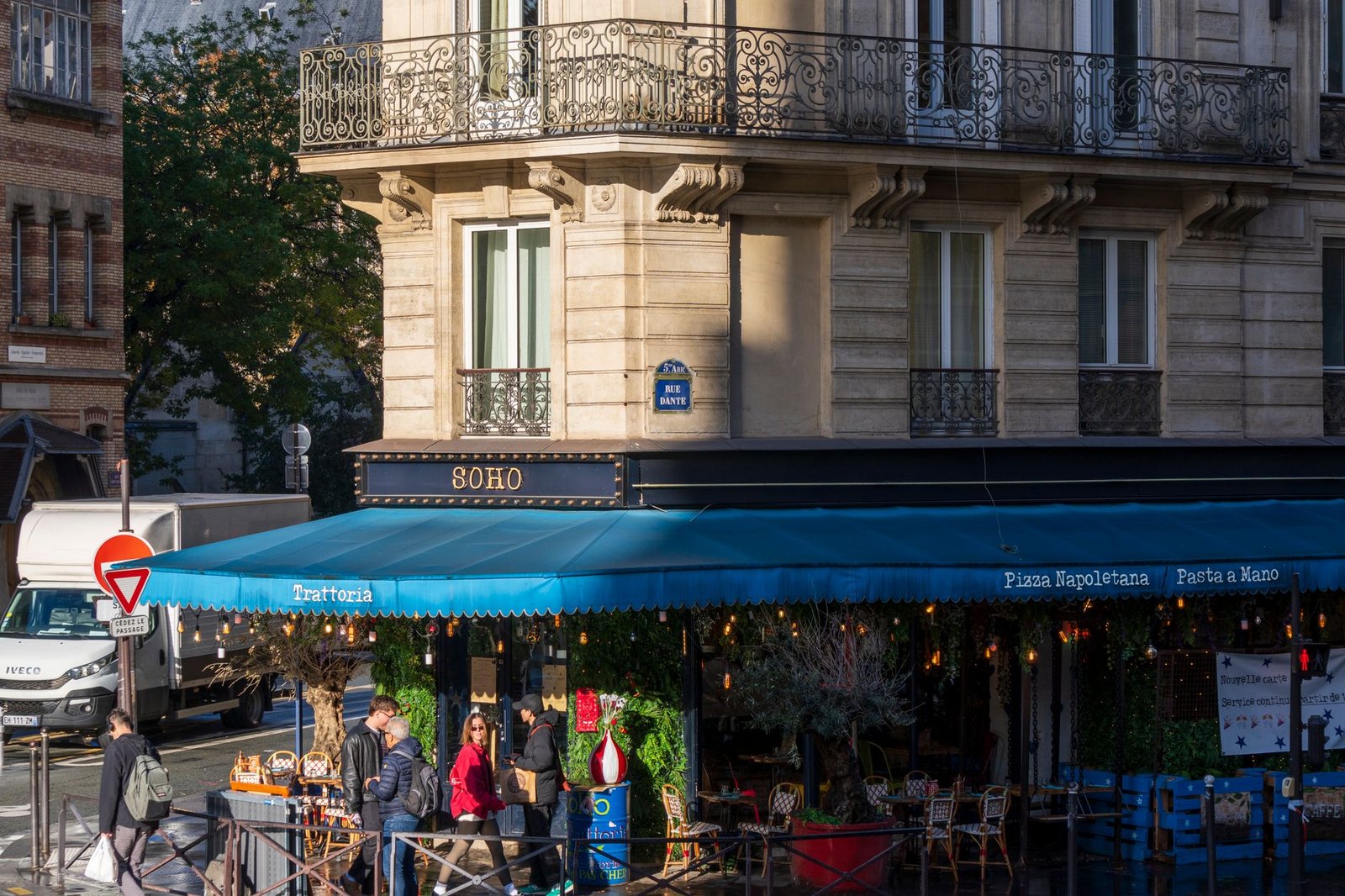
The Marais solidified as Paris’s LGBTQIA+ hub starting in the 1980s, during a period of greater visibility for the gay movement in France and across Europe. The neighborhood, already undergoing a revitalization after decades of post-war decline, offered relatively low rents and empty historic buildings — conditions that attracted both the artistic and LGBTQIA+ communities at the same time.
Over time, the mix of bars, shops, and a more open street life cemented the Marais’s reputation as the Parisian “Village,” drawing a direct comparison to equivalent neighborhoods in other major cities, like the Castro in San Francisco or Chelsea in New York in past decades.
Paris Pride and the Parade’s Connection to the Neighborhood
The Paris Pride March, held annually, usually draws massive crowds through the city’s central streets, with a route that varies from year to year but historically passes near or through the Marais at some point. On those days, the buzz at the area’s bars and cafés gets significantly more intense than usual, with spontaneous parties spilling out onto the streets around the official route.
Shopping and Culture: Beyond the Bars
The LGBTQIA+ presence in the Marais isn’t limited to nightlife. Along the same streets, you’ll commonly find specialized bookstores, more alternative fashion shops, and galleries that reflect the neighborhood’s identity during the day too. This kind of commerce helped cement the Marais as a specific cultural hub, not just a bar destination — an important difference from LGBTQIA+ neighborhoods in other cities that focus almost exclusively on nightlife.
Community centers and support organizations also have a historic presence in the area, reinforcing the Marais’s role as a gathering place that goes beyond entertainment — a space for social and political organizing that has accompanied decades of civil rights victories in France.
Recent Changes: Gentrification and Diversification
In recent years, rising living costs and rents in the Marais have sparked debate about how much the neighborhood remains the single center of Parisian LGBTQIA+ life. Other parts of the city, with lower rents, have been gaining traction as alternative meeting points, mainly attracting a younger crowd that can no longer frequent the traditional Marais bars as often, now pricier than they were decades ago.
Still, the Marais remains the symbolic reference point and the top destination for tourists wanting to experience this slice of Parisian culture — the kind of change that reflects more of a diversification of LGBTQIA+ life across the city than a decline of the historic area itself.
What to Expect for First-Time Visitors
The overall vibe of the area is open and relaxed, with plenty of street activity even outside the bars — sidewalk tables, people chatting outside, and a steady flow between the different spots. You don’t need to be part of the LGBTQIA+ community to visit; tourists of all backgrounds usually wander through the area without any issues, since it’s part of the broader Marais tourist itinerary.
It’s worth remembering that, like any concentrated nightlife area, weekends are noticeably busier than weekdays — if you’re after a calmer atmosphere for chatting and checking out the spots at a leisurely pace, a weekday afternoon might be your best bet.
How to Get There and Get Around
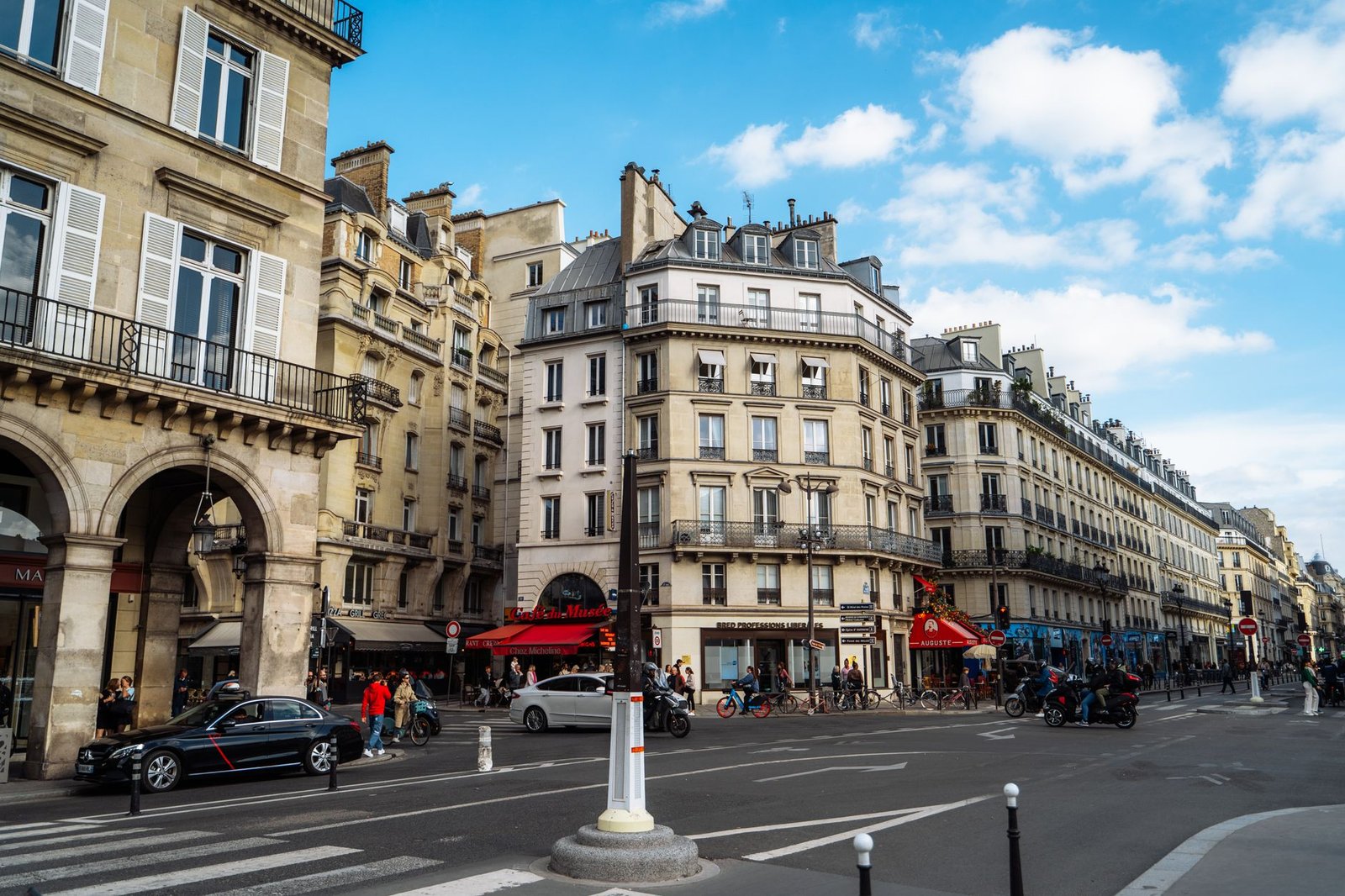
The closest metro stations are Hôtel de Ville and Rambuteau, both just a few minutes’ walk from the circuit’s main streets. The whole area is well-served by public transport, and since the distances between spots are short, most of the moving around between bars happens on foot.
Practical Tips for Your Visit
- Start your evening earlier at Open Café, which works well both in the afternoon and at night, before heading to spots with a more intense vibe
- If you’re looking for a more inclusive environment less focused on a male crowd, prioritize La Mutinerie
- On weekends and Pride dates, expect significantly more activity on the streets and in the bars themselves
- The area is safe to walk around at night, but as with any concentrated nightlife zone, it’s worth keeping the usual basic awareness of your personal belongings
Frequently Asked Questions
Do you have to be LGBTQIA+ to visit the area?
No, it’s an open area for anyone, part of the broader Marais tourist itinerary.
What’s the best metro station to get there?
Hôtel de Ville or Rambuteau, both just a few minutes’ walk from the circuit’s main streets.
Is there daytime life in the area, or does it only work at night?
It works well in both periods — cafés like Open Café have a sidewalk-apéro vibe during the day, with the night bringing the more intense buzz.
Is the Marais safe for LGBTQIA+ couples to walk hand in hand?
Yes, it’s considered one of the most open and safe areas in Paris for that, precisely because it’s the historic center of the city’s LGBTQIA+ life.
Are there other LGBTQIA+ neighborhoods in Paris besides the Marais?
Yes, in recent years alternative meeting points have emerged in other parts of the city, but the Marais remains the most established and sought-after destination for visitors.
Is it worth visiting outside of Pride season?
Yes, the area operates year-round, with bars and cafés open as usual — Pride just intensifies the activity, but it’s not the only good time to visit.
Do the restaurants in the area offer good value for money?
They vary quite a bit. As with any concentrated tourist area, it’s worth comparing prices between spots on the main streets and those on the side alleys, which are generally a bit cheaper.
Are there hotels geared toward the LGBTQIA+ crowd in the area?
There’s no specific formal chain, but the concentration of accommodations in the Marais itself, usually run with an open and welcoming attitude, makes the area a practical choice for anyone wanting to stay close to everything.
Can you visit the circuit without buying anything at the bars?
Yes, simply walking through the streets already gives you a good sense of the area’s vibe, with no obligation to enter or buy anything at any specific establishment.
Are drink prices at the bars in the area higher than the Paris average?
They usually fall within the average for central tourist neighborhoods — it’s not an especially expensive area compared to other busy parts of the city.
Official Links
In the end, what sets the Marais apart from other LGBTQIA+ neighborhoods around the world is precisely this natural coexistence of medieval history and contemporary nightlife — a detail that makes the area worth visiting even for those just passing through Paris.
For anyone visiting Paris and wanting to learn more about French LGBTQIA+ history, it’s worth setting aside a few free hours to simply wander these streets without rushing, stopping wherever the vibe seems most inviting — much of the Marais experience lies in exactly this kind of spontaneous discovery, with no fixed plan.
Even on a tight, few-day itinerary in Paris, it’s worth reserving at least one afternoon or evening to explore this part of the Marais — it’s a layer of the city that tells a different story from the monumental Paris that appears on postcards.
Pair your visit with a stroll through the Place des Vosges, just a few minutes away on foot, to end the day with a calm contrast after the energy of the circuit’s busier streets.