Visiting the Eiffel Tower at the wrong time can turn an unforgettable trip into hours of waiting in line, bad lighting for photos, and sweltering heat. The good news is that with a little planning, you can enjoy the monument with ease—and even snap those photos everyone thinks only exist on postcards.
In this guide, I’ll show you the best times of day, the most pleasant months of the year, and the periods you should avoid at all costs.
Dica: Aproveite também para fazer estes passeios em Paris
Tour pelo exterior da catedral de Notre Dame + Ingresso da cripta . Duração: 2 horas
Disneyland Paris Duração: 3 horas ou mais
Passeio de barco pelo Sena. Duração: 1h
Ingresso do 3º andar da Torre Eiffel. Duração: 2 a 3 horas
Ingresso do Palácio de Versalhes. Duração: 2 a 3 horas
Veja mais passeio em Paris aqui.
What is the best time to visit the Eiffel Tower?
The answer shifts a bit depending on what you’re after: going up to see Paris from above, taking photos of the monument from the outside, or simply soaking in the sunset. But generally speaking, the two ends of the day beat the middle by a long shot.
Early morning (opening until 10 AM)
Arriving right when the monument opens—at 9:30 AM for most of the year—is the move for anyone wanting to go up with the shortest possible wait. The elevator line isn’t packed yet, the air is fresher, and the city waking up below has its own charm. If you have a timed ticket for the first entry, you can expect to breeze through security in under 15 minutes.
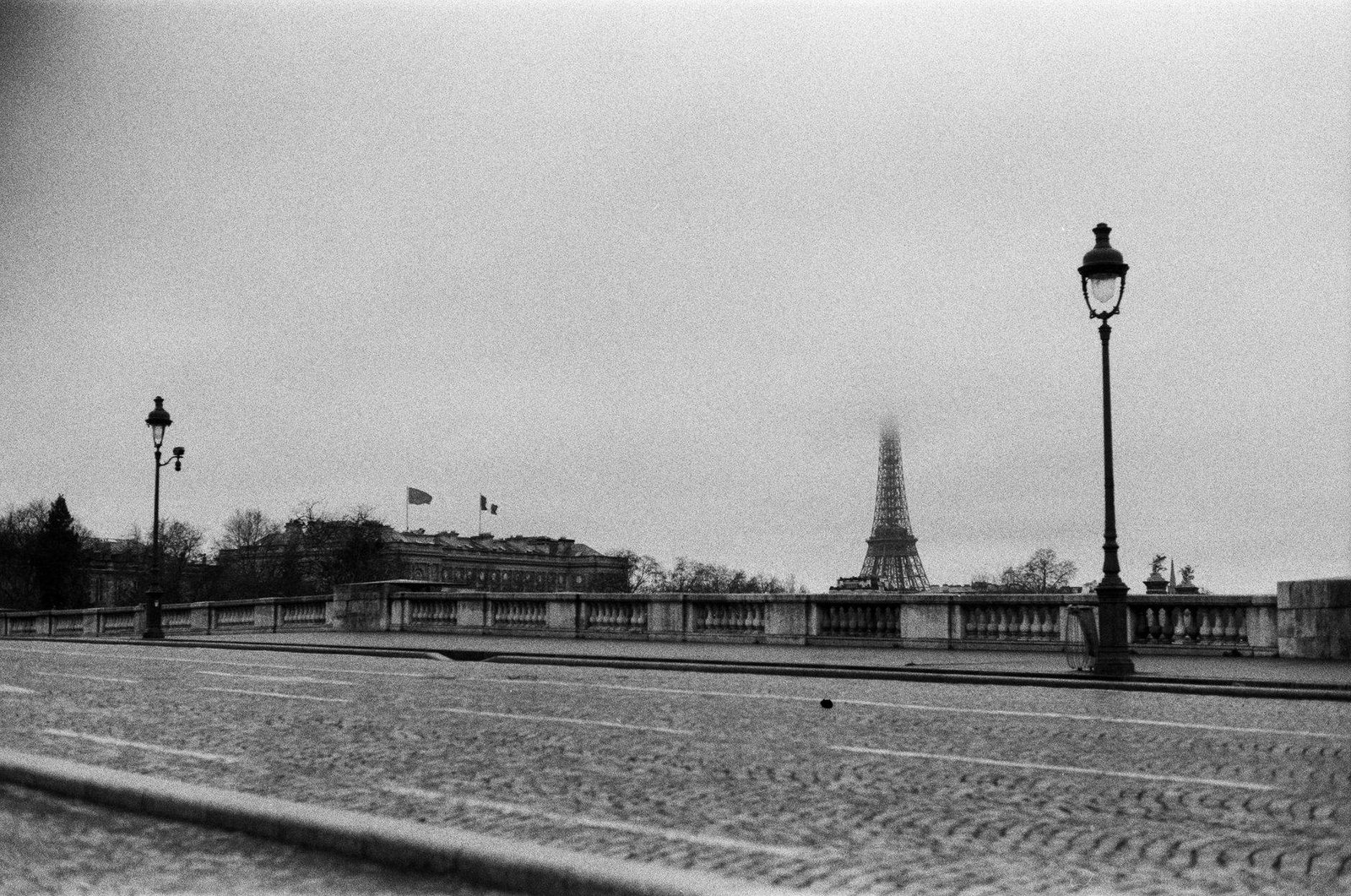
The only catch: on autumn and winter mornings, low fog can blanket the top—creating incredible photos from the outside but cutting down visibility up high.
Late afternoon and sunset (1 to 2 hours before closing)
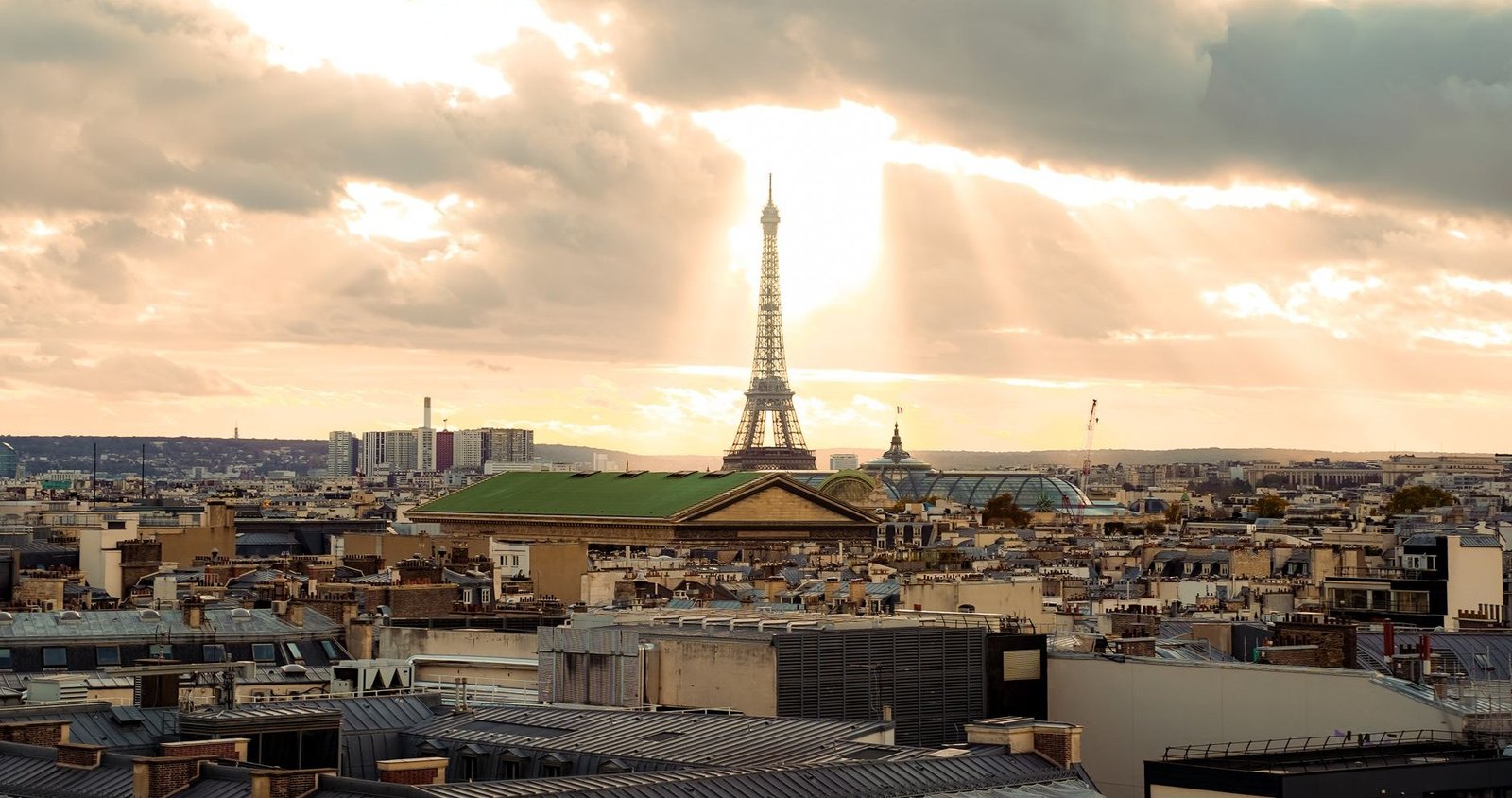
If you could only pick one time, make it sunset. As the sun starts to dip below the horizon, golden light bathes the entire metal structure, and the city around it takes on that warm hue that makes any photo look professional. The Trocadéro gets crowded, but the experience is worth it.
For those wanting to go up: buy a ticket for the last available time slot before closing. In summer, the monument closes at midnight, so you’ll still catch the end-of-day light and soon after see the light show begin—which happens every hour on the hour, from dusk until 1 AM.
Midday period (11 AM to 5 PM): the worst time
Between 11 AM and 5 PM, especially in summer, lines are at their peak. The heat in July and August is intense in Paris, and the area around the monument turns into a mix of tired tourists, street vendors, and impatient kids. If you have no other option, at least buy your ticket online in advance to skip the on-site purchase line.
Best time of year to visit the Eiffel Tower
Paris has four distinct seasons, and each has its pros and cons for visiting the monument.
Spring (April, May, and early June): the favorite
Spring is, in the opinion of those who know the city inside out, the best time to visit Paris in general—and the Eiffel Tower specifically. Temperatures range from 50°F to 68°F, cherry trees and other trees along the Champ-de-Mars are in bloom, and tourist numbers haven’t yet hit the summer peak.
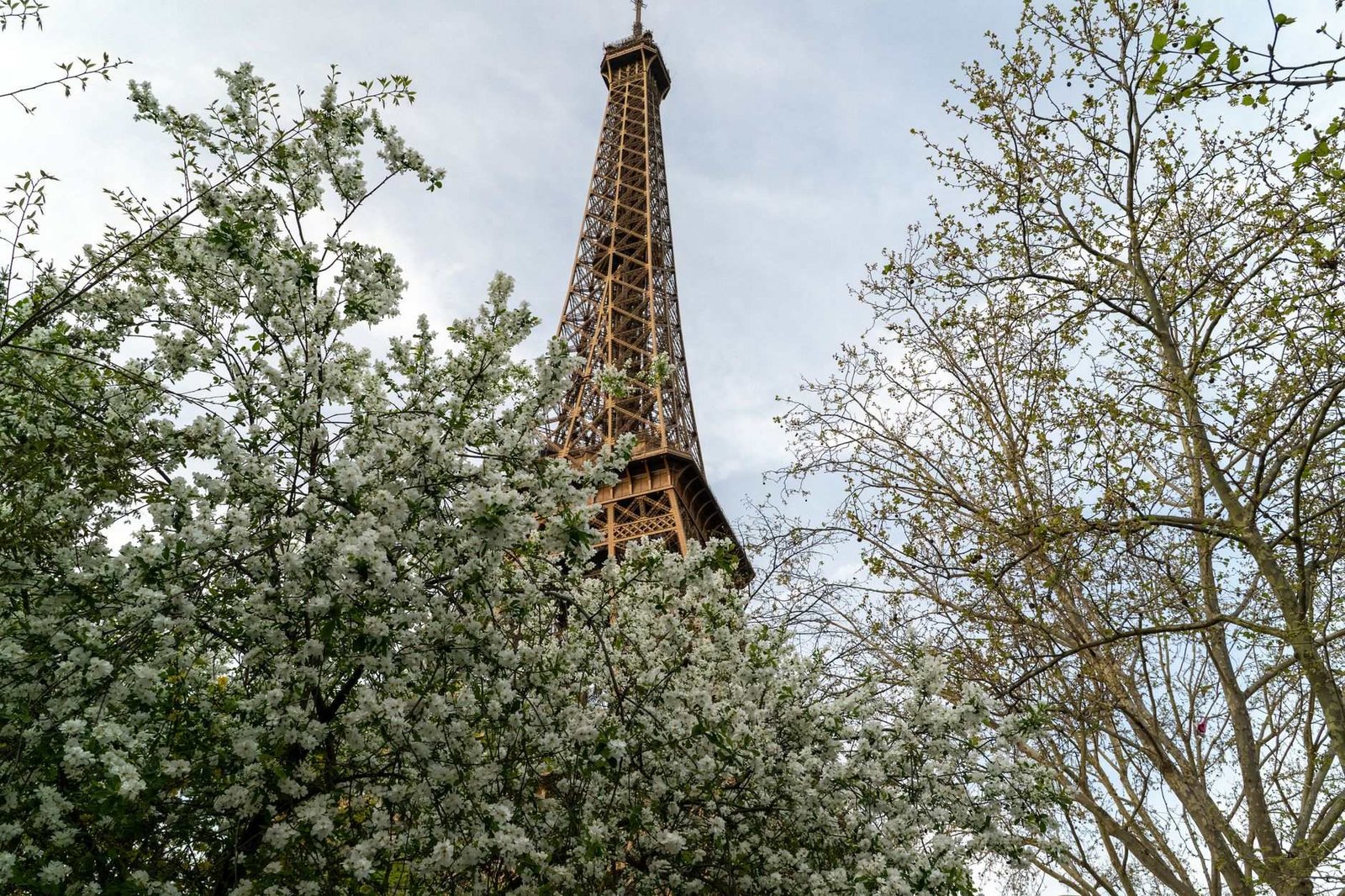
May is considered the ideal month by many travelers: long days (sunset around 9 PM), rare rain, and shorter lines than in July and August. April can still have colder, rainier days, but nothing a jacket can’t handle.
Summer (mid-June to August): more crowds, endless days
Summer has the highest tourist flow of the year—and that means longer lines, higher hotel prices, and a packed Champ-de-Mars. That said, it also has real advantages: the Paris sun sets after 10 PM in summer, so you can pack a lot into a single day. Nighttime visits—which include seeing the light show from above or the Trocadéro—are especially beautiful during these long days.
If traveling in summer is unavoidable, plan your visit for very early morning or late in the day, and buy your ticket in advance. July is the worst month in terms of crowds—August improves a bit because many Parisians leave for vacation and the city feels more “for tourists,” which eases public transport but keeps the monument busy.
Fall (September and October): second-best option
September is almost as good as May. The heat subsides, rain is still rare, and visitor numbers drop significantly from the summer peak. The autumn light in Paris has a golden quality in the early morning and late afternoon that makes photos particularly beautiful.
October brings more weather variability—some days are perfect, others come with light rain and wind. If the view from the top is a priority, check the forecast before you go. With an overcast sky, visibility from the summit is compromised.
Winter (November to March): minimal lines, guaranteed cold
If you have flexibility with dates and want to visit with the fewest people possible, winter is the answer. From December to February, lines are noticeably shorter than the rest of the year—even during holidays like Christmas and New Year’s Eve, which draw visitors but don’t compare to the chaos of July.
The price you pay is the cold: temperatures between 28°F and 46°F are common in January and February. Bring layers, gloves, and a good coat. The top of the tower is even colder due to the wind. But if you can handle the chill, you’ll get photos with very few people around—something nearly impossible in summer.
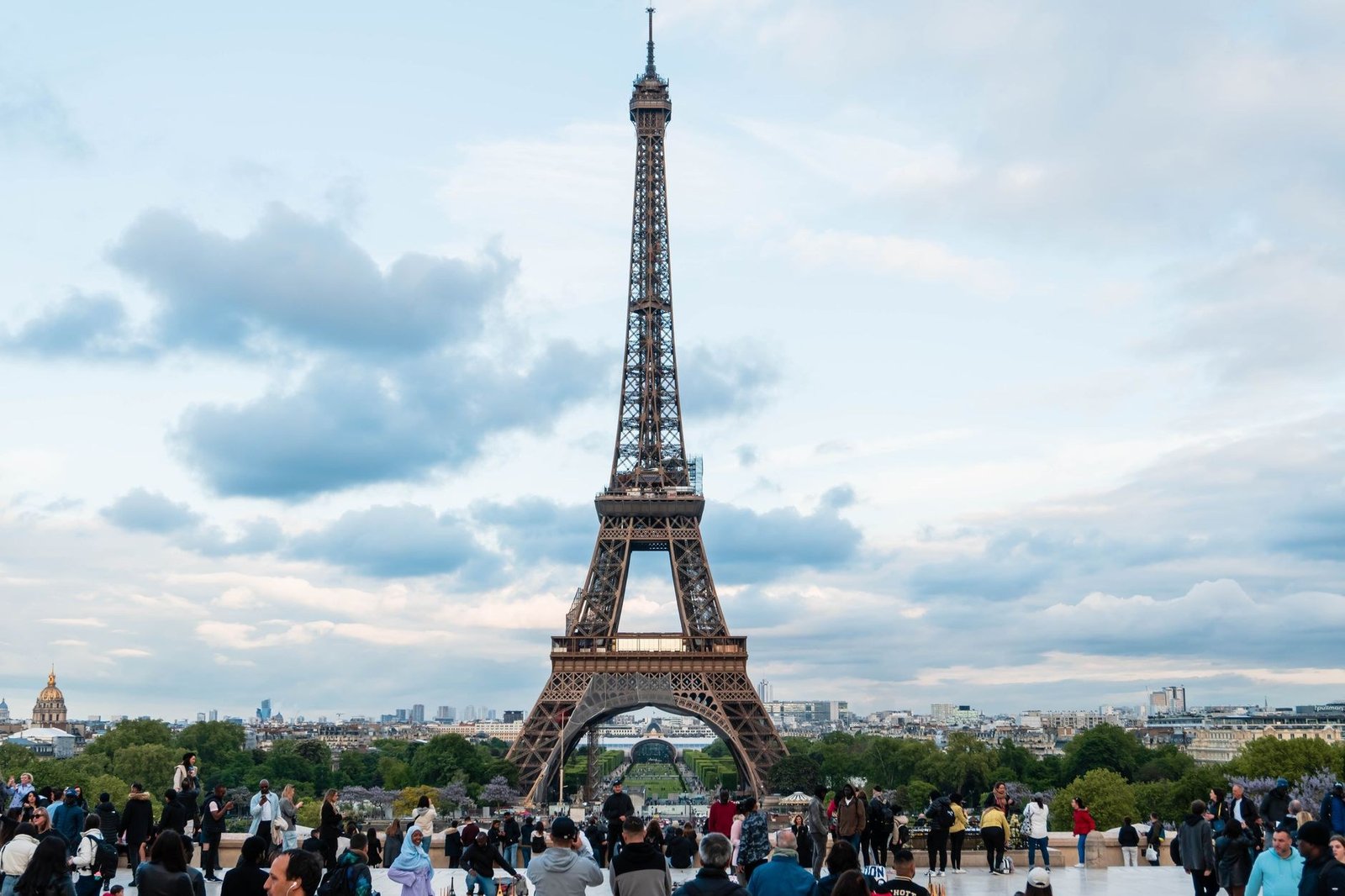
Table: season summary
To make comparison easier, here’s a quick rundown of each period:
- April–May: excellent. Flowers, mild weather, reasonable lines.
- June: very good. Long days, growing but manageable crowds.
- July–August: packed. Book everything weeks in advance.
- September–October: very good. Fewer people, great light, variable weather.
- November–March: quiet. Minimal lines, but it gets very cold.
Specific dates to avoid (or embrace)
July 14—Bastille Day: France’s national holiday turns Paris into a party. There’s a military parade in the morning along the Champs-Élysées and, at night, a fireworks display launched from the Eiffel Tower itself. The area around the monument is completely blocked off hours in advance, and access to the base is restricted to those with pre-booked tickets. If you want to WATCH the fireworks, plan to arrive at the Champ-de-Mars or Trocadéro 3 to 4 hours early to secure a good spot.
European school holiday weeks (October, February, April): The French have two-week breaks in each of these months, and families with kids flood the tourist attractions. Avoid these windows if you want more peace and quiet.
New Year’s Eve: The area around the Eiffel Tower becomes one of the biggest gathering points in Paris for the turn of the year. The midnight light show is special, but access is restricted and public transport is pushed beyond capacity. It requires intense planning.
Easter week: European tourism is at its peak during this time. If Paris is on your itinerary for this period, book tickets and hotels at least 6 to 8 weeks in advance.
Taking the stairs or the elevator: what changes by time?
The option to go up by stairs (available up to the 2nd floor) has a practical impact on wait time: during peak hours, the elevator line can stretch over an hour, while the stair entrance rarely exceeds 20 minutes—even in July.
If you’re in decent shape, consider taking the stairs to the 1st and 2nd floors and only using the elevator from the 2nd floor to the top. Besides being faster, the stair ticket costs less. On windy days, though, the stairs may be closed for safety—check on-site before choosing this option.
The last elevator to the top closes earlier than the 2nd floor’s closing time. If you arrive near the end of the day, you might be able to go up to the lower floors but won’t have access to the summit—confirm the times on the day of your visit at the official Eiffel Tower website.
Practical tips for any season
Buy your ticket online. The official site opens sales up to 60 days in advance. During peak months, the most sought-after time slots sell out within hours of sales opening.
Bring snacks and water. The snack bars inside the monument are pricey. With a bottle of water and a snack from a nearby supermarket, you’ll save money and avoid internal lines.
Check the weather forecast the day before. With dense fog, the view from the top is compromised. Some ticket types allow cancellation up to 24 hours in advance—check the conditions when you buy.
The light show: don’t leave too early
The Eiffel Tower has a light show that happens every hour on the hour, from dusk until 1 AM (times can vary—confirm on the official site). Each show lasts five minutes and consists of thousands of lights flashing in white and gold across the structure.
For those who prefer to watch from outside, the Trocadéro Gardens is the most famous spot, but any open area with a view of the monument works well.
Frequently asked questions
What day of the week has the shortest lines?
Tuesday through Thursday tend to be the least busy days, especially outside of high season. Friday nights and weekends see more activity.
Is it worth going at night?
Yes, especially if you’ve already seen Paris from above during the day from another spot. The nighttime view is completely different—the city lights, the monument’s own illumination, and the hourly show make it worth the experience. The temperature drops significantly at night, even in summer, so bring a jacket.
Does the Eiffel Tower close on any special days?
It rarely closes completely, but extreme weather conditions—very strong winds, heavy snow—can cause temporary closures of the top. Check the official Eiffel Tower social media profiles if bad weather is forecast.
What’s the best month for photos?
For photos with flowers and blue skies: May. For golden light at dusk without as many people: September. For photos with snow in the background (rare, but it happens): January and February.
Is there a price difference depending on the season?
The ticket price is fixed—it doesn’t change by season. The real cost difference lies in accommodation and airfare, which are more expensive in July and August.
How much time should I set aside for the visit?
Allow at least 2 hours if you’re only going up to the 2nd floor, and 3 hours if you want to go to the top at a relaxed pace—including wait time, security screening, and a moment to take in the view before heading down. If the elevator line is long on the day, it could stretch even longer.