Doing the trip from Paris to Mont Saint-Michel in a single day is tiring, but it remains one of the most sought-after day trips in France. The key is to adjust your expectations: this isn’t a tour to pack with multiple stops, but rather a full day focused on a long journey, a focused visit, and enough time to see one of the country’s most striking landscapes up close. When you approach the experience this way, your chances of returning home satisfied go way up.
How to Get There
Leaving Paris, three options tend to work best: an organized tour, a train with a final bus connection, and a rental car. The tour simplifies the logistics for anyone who doesn’t want to waste time piecing together connections, comparing schedules, or worrying about parking. In exchange, you give up some flexibility. For many people, that trade-off is worth it because it turns a potentially draining day into a more straightforward itinerary.
Dica: Aproveite também para fazer estes passeios em Paris
Tour pelo exterior da catedral de Notre Dame + Ingresso da cripta . Duração: 2 horas
Disneyland Paris Duração: 3 horas ou mais
Passeio de barco pelo Sena. Duração: 1h
Ingresso do 3º andar da Torre Eiffel. Duração: 2 a 3 horas
Ingresso do Palácio de Versalhes. Duração: 2 a 3 horas
Veja mais passeio em Paris aqui.
The train usually appeals to those who prefer to travel independently without having to drive. Typically, it requires a final bus connection to the Mont Saint-Michel access area. It’s not difficult if you set out with everything organized, but it leaves little room for improvisation. If your trip is short, getting the timing wrong weighs heavier here than on a short hop within Paris.
By car, the gain is autonomy. You choose your departure time, can stop along the way, and even turn the day trip into an overnight stay in the region if you think it’s worth extending. The downside is the wear and tear. The drive out is already long, and the return to Paris on the same day can end up being the most tiring part of the whole experience. If you’re a confident road-tripper and want freedom, it works. If you prefer to minimize friction, the train or a tour tends to be more comfortable.
In practice, here’s how I’d think about it: a tour for those who want the simplest path, the train for those who like independence without a steering wheel, and a car for those who want to control the pace. Since this outing is outside Paris’s urban network, save the metro and pass planning for another day and use our guide to the Paris transport pass for the city portion when needed.
Best Season, Time, and Visit Duration
Mont Saint-Michel pays off most when you can arrive early or catch the site as it empties out at the end of the day. The stretch of the walkway, the climb through the alleys, and the abbey entrance become far less pleasant when everyone is trying to do the same thing at the same time. On a day trip from Paris, this difference matters because you don’t have hours to spare to make up for lines and slow foot traffic.
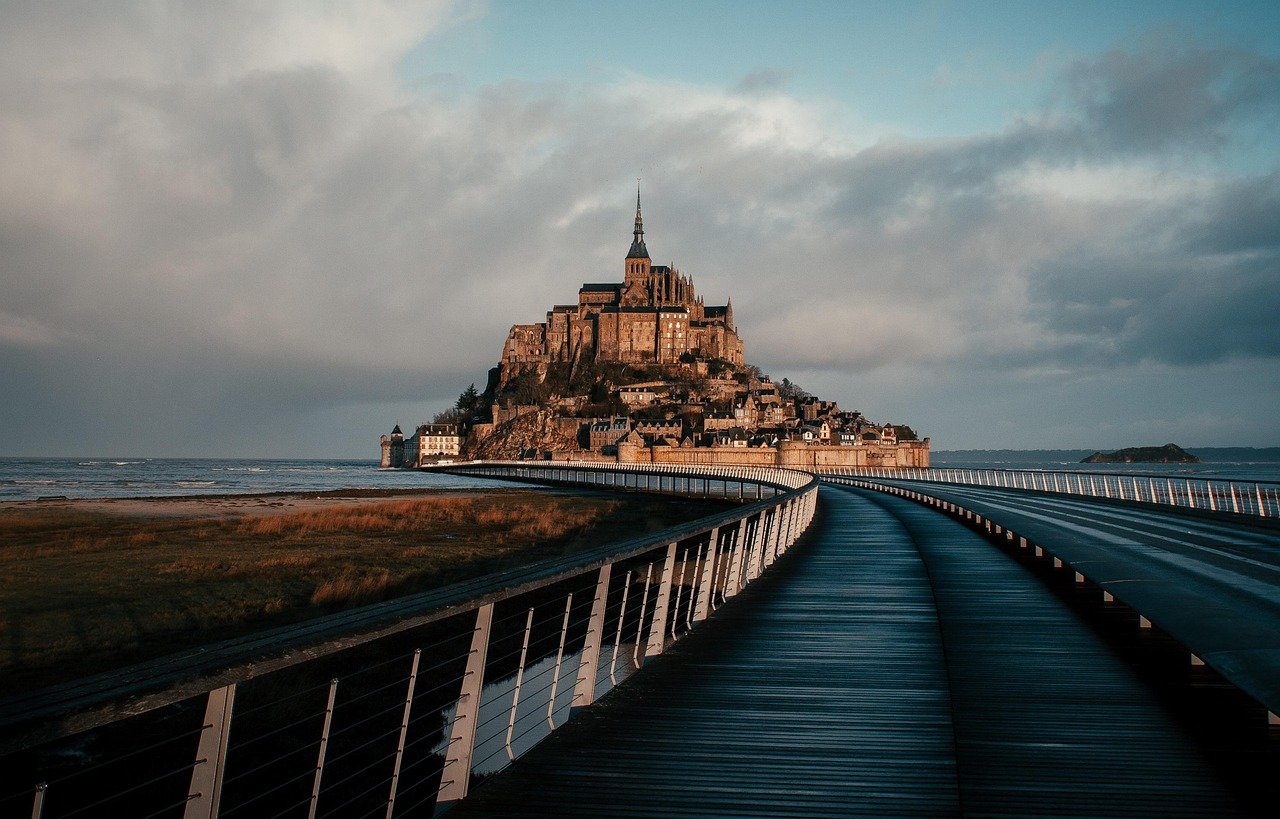
Outside the peak of the European summer, the balance between weather and crowds tends to be better. Spring and early fall are more comfortable choices for anyone who wants to walk without constant squeezing. In winter, the scenery remains striking, but wind, dampness, and cold demand more preparation.
Set aside the entire day. Even when the monument itself doesn’t seem huge on the map, the travel time eats up your schedule and calls for a safety margin. Trying to fit in a big dinner, a show, or a fixed commitment in Paris the same night is a bad bet. The outing works best when you leave with the clear idea that that day belongs to Mont Saint-Michel.
If there’s a chance to sleep in the region, the experience improves significantly. You ease the rush, gain emptier hours, and enjoy the surroundings more. But if your itinerary only allows a day trip, it’s still worth going. The point is not to treat this visit like a simple half-morning commute. It demands more energy and more planning than that.
What to See and Do
Climb up to the Abbey
The abbey is the big reason to make the trip. Even those with no special interest in religious history usually leave impressed by the position of the complex and the feeling of entering a place built in layers on top of a rock. If time is tight, I’d cut shopping and long breaks, not the main visit.
Walk the Ramparts
The ramparts help you grasp the visual weight of the place. From there, you can shift your gaze between the compact village and the openness of the bay. It’s a good stretch to breathe, slow down, and step away from the busiest corridor of the main street. For many people, this moment becomes an important part of the trip’s memory.
Explore the Alleys with Intentional Detours
The inner center isn’t big, but it gets better when you don’t limit yourself to the most obvious up-and-down route. Side staircases, small passages, and less crowded high points help you notice the more medieval side of Mont Saint-Michel. The common mistake is to go in, climb mechanically, and leave without leaving room for small detours.
Take in the Bay Calmly
Even without doing any specific activity on the sand, the bay is a central part of the experience. The light, the wind, and the sense of visual isolation make a difference. So, it’s worth setting aside a few minutes just to look at the surroundings, both from the walkway and from the high points. The monument is powerful, but the natural frame completes the visit.
Choose a Short Break, Not a Long Lunch
For those coming from Paris and returning the same day, a short break usually works better than turning the meal into an event. The best use of time, in most cases, is to walk more, see the abbey at a relaxed pace, and leave with the feeling that the journey was worth the effort.
Photograph During Transition Moments
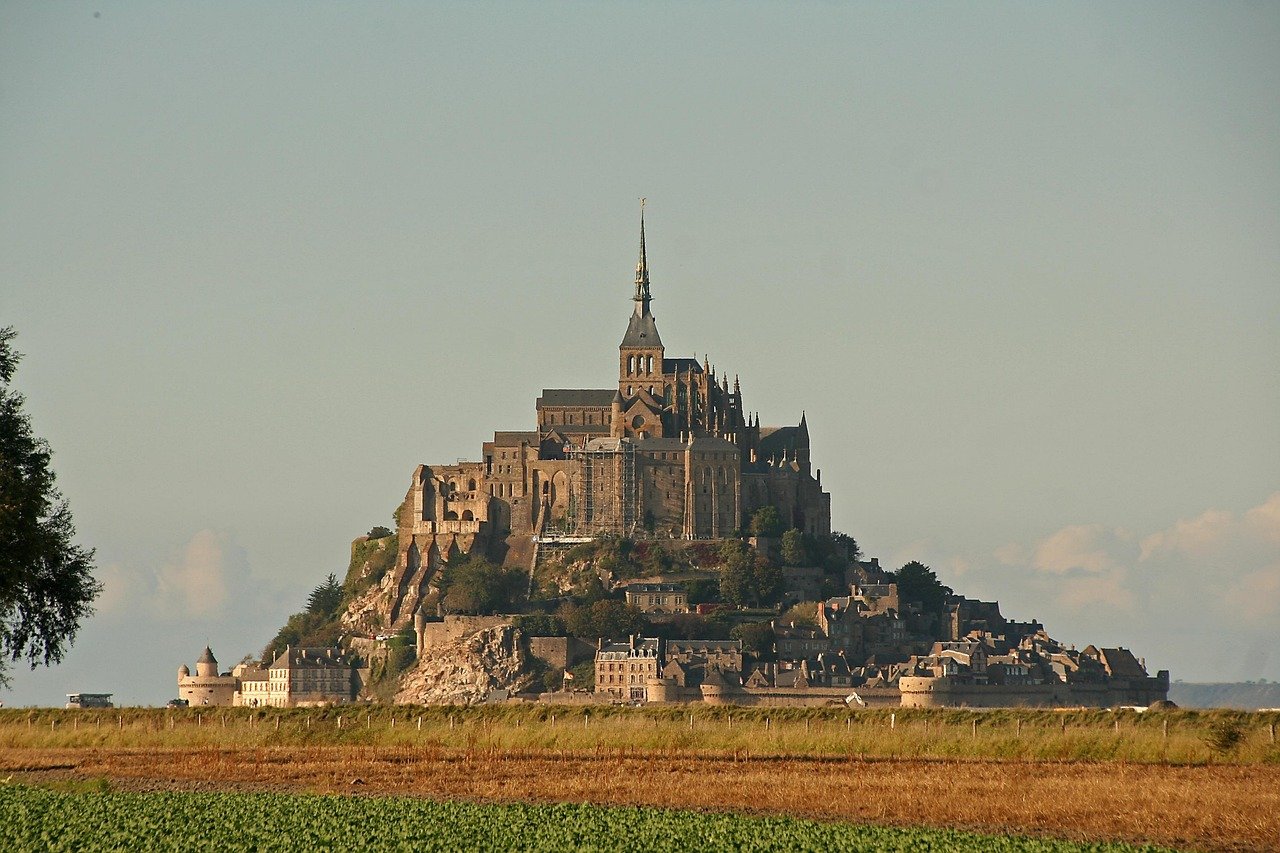
When you arrive or as you’re already leaving, the view of the complex from the access area tends to yield wider shots than from inside. This helps a lot if you want to capture the place without fighting for space at every step. You don’t need to turn the visit into a photo shoot, but it’s worth thinking of these moments as better windows.
What to Combine on the Same Day
On a day trip from Paris, the most honest answer is simple: almost nothing beyond Mont Saint-Michel itself. The travel time is long, and insisting on squeezing in another major sight on the same day usually worsens the experience instead of enriching the itinerary. You end the day seeing very little of two places when you could have fully enjoyed just one.
What works best is combining parts of the outing itself: the walkway, the village, the abbey, the ramparts, and a quick stop for food or coffee. That already fills the day naturally without the feeling of a packed schedule. If you’re driving or decide to stay nearby, then possible extensions along the coast appear. On the classic day trip, staying focused is usually the smartest call.
It’s also worth thinking about the balance of your entire trip. A day like this pairs better with urban days in Paris, when you use the metro, walk between neighborhoods, and visit museums. So, it makes sense to leave the city’s logistics for separate dates and use our guide to the Paris transport pass when planning your purely urban moves.
Where to Eat Nearby
Inside Mont Saint-Michel, I’d go with adjusted expectations. The real value of the place lies in the scenery and the experience of being there, not necessarily in having a memorable meal. For those coming from Paris on a day trip, the most useful criterion is usually practicality: choosing something that takes care of your hunger without eating into the best hours of the outing.
A restaurant with a long line and slow service tends to cost you dearly in time. At a destination like this, time is a big part of the real price. If you want to sit down more calmly, trying to avoid the peak lunch rush helps a lot. Eating a bit before or a bit after the peak usually improves the experience and reduces that feeling of being rushed.
If you’re looking to save money, snacks and short breaks work well. If you’re staying overnight in the region, it makes sense to research a bit more and turn the meal into part of the experience. But on the classic day trip, I’d prioritize eating efficiently and saving your main energy for wandering the village and climbing up to the abbey.
Another practical point: don’t tough out the whole visit on an empty stomach. A quick stop at the right moment helps keep your pace up and keeps travel fatigue from dragging down how you feel about the outing.
Practical Tips and My Take
Wear sturdy shoes. Stone pavement, steps, slopes, and dampness show up constantly. It’s also worth bringing an extra layer even when Paris feels mild, because the wind and shifting weather hit harder out in the bay. These are simple moves, but they make more of a difference than a ton of micro-managed itinerary planning.
Book your transport and tickets in advance whenever you can. On a trip with a long commute, there’s less margin to improvise without losing time. Leaving Paris with that foundation sorted makes the whole experience lighter and lowers the odds of fiddling with practical details at the exact moment you should already be on the move.
My take is straightforward: Mont Saint-Michel is worth the effort, but it pays off most for travelers who accept that the logistics are part of the package. It’s not an easy trip, it’s not close, and it doesn’t mix well with a packed schedule. In return, it delivers scenery that’s hard to match anywhere else on a Paris itinerary.
For some travelers, spending a night in the region will be the ideal call. For others, the day trip is plenty and leaves a lasting memory. The key is picking the format that fits your pace, without trying to force everything at once.
To put the site’s historical significance in context, it’s worth checking the abbey’s official page and the site’s listing on UNESCO. If you want to round out the regional practical side, Normandy’s official portal helps too: Normandy Tourism.
FAQ
Can you do Mont Saint-Michel as a day trip from Paris?
Yes, but it’s a long day. You’ll get the best results if you leave early, accept several hours of travel, and focus your visit on the essentials.
Is it better to go by train, car, or tour?
If you want convenience, a tour cuts down on friction. The train tends to be more comfortable than driving, while a car makes sense if you want flexibility and don’t mind the road.
How much time should you set aside at the site?
For a first visit, plan on at least half a day at Mont Saint-Michel. That gives you time to climb to the abbey, walk the ramparts, and explore the village without rushing.
Is it worth spending a night in the region?
Yes, it is. When you stay overnight, you can catch the village at its emptiest early or late in the day, which really improves the experience.
Does the trip work for kids and older travelers?
It can, but it’s important to factor in slopes, steps, and stone pavement. Sturdy shoes and a slower pace make a big difference.
If Mont Saint-Michel has been on your list for a while, do the trip with a relaxed schedule, focus on the essentials, and keep realistic expectations about the travel time. That way, the experience is far more likely to outweigh the fatigue. And if you find yourself wishing for more calm, that’s already a solid reason to come back to the region on another trip.