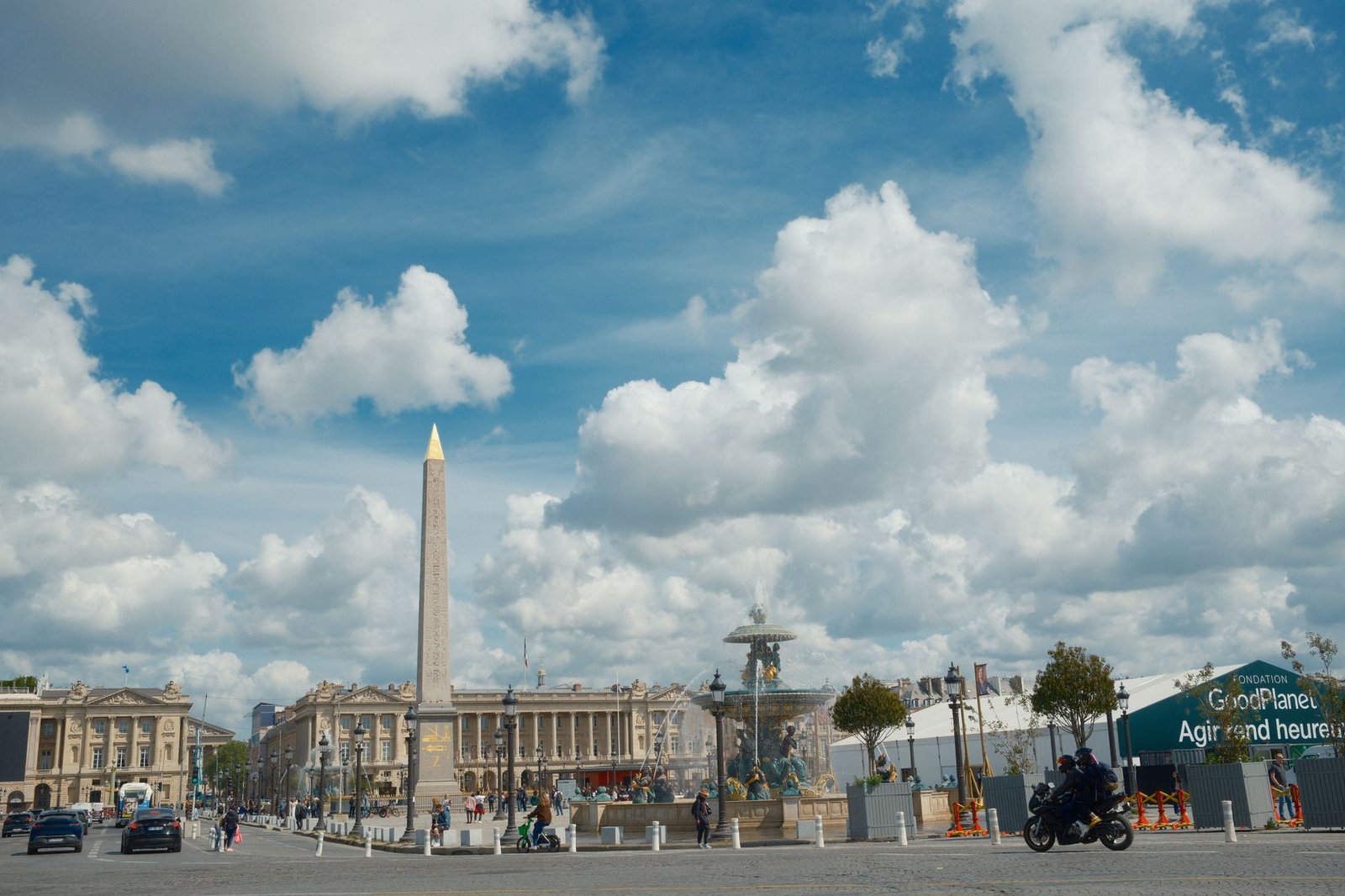
The Place de la Concorde is Paris’ largest square, located at the end of the Champs-Élysées, between the Tuileries Garden and the Seine River. At its center stands the Luxor Obelisk, an Egyptian monument over 3,000 years old and 23 meters tall, gifted to France by Egypt in 1836. It was here that the guillotine operated during the French Revolution, where Louis XVI and Marie Antoinette were executed. The visit is outdoors and free.
If you rush past the Place de la Concorde, it might just look like a giant intersection between the Tuileries Garden, the Champs-Élysées, and the Seine’s edge. But when you stop for a few minutes, the square reveals another layer: the Egyptian obelisk at its center, the monumental fountains, the open sightlines to some of Paris’ most famous landmarks, and a historical weight that completely changes how you read the place.
It’s one of those stops that works great in an itinerary because it requires no ticket, no reservation, and fits naturally between the Louvre, the Orangerie, the Hôtel de la Marine, the Pont Alexandre III, and the start of the Champs-Élysées. In other words: you don’t need to set aside a whole morning for the Concorde, but it’s worth understanding what you’re looking at so you don’t treat one of Paris’ most symbolic settings as just a pass-through.
Dica: Aproveite também para fazer estes passeios em Paris
Tour pelo exterior da catedral de Notre Dame + Ingresso da cripta . Duração: 2 horas
Disneyland Paris Duração: 3 horas ou mais
Passeio de barco pelo Sena. Duração: 1h
Ingresso do 3º andar da Torre Eiffel. Duração: 2 a 3 horas
Ingresso do Palácio de Versalhes. Duração: 2 a 3 horas
Veja mais passeio em Paris aqui.
How to get there
The simplest way to arrive is via the Concorde station, served by metro lines 1, 8, and 12. If you’re staying in a central area or already sightseeing along the Louvre–Tuileries–Champs-Élysées axis, you can also walk there without any special effort.
Coming from the Louvre, for example, the route is natural: you cross the Tuileries Garden heading west and emerge at the square. From the park’s main entrance, the walk is usually pleasant and offers beautiful views, especially on clear days. If you’re coming from the Champs-Élysées, just follow the avenue to its eastern end. The Concorde marks exactly that transition between the elegant boulevard, the historic garden, and the Seine’s edge.
Those leaving the Eiffel Tower or the Invalides area can also easily fit the square into their plans using the metro or a simple bus route. The key point here is this: the Concorde rarely works as a standalone destination. It works best as part of a walking circuit through central Paris’ monumental core.
Best time to visit and how long to stay
The Place de la Concorde can be visited any time of year, but how much you get out of it changes a lot depending on the light and the city’s flow. Early morning, the atmosphere tends to be more photogenic and less chaotic, with light hitting the obelisk and surrounding buildings beautifully. Late afternoon, the experience takes on another charm, especially if you want to head from there to the Champs-Élysées, the Tuileries Garden, or the Seine’s edge.
In summer and spring, the area is more inviting for a leisurely stroll and people-watching. In winter, the visit is still worth it, but it makes more sense as a quick stop between indoor attractions, since the wind and car traffic can make the experience less contemplative than in gardens or smaller squares.
Time-wise, set aside 20 to 40 minutes if you just want to take in the main elements, snap photos, and understand the place’s historical significance. If you plan to tack on the Orangerie, the Hôtel de la Marine, the Tuileries, or a walk toward the Champs-Élysées, budget at least 1.5 to 2 hours for the whole stretch.
What to see and do
The first highlight is the Luxor Obelisk, at the square’s center. It came from Egypt and was installed in 1836, which alone gives you a sense of how Paris likes to turn urban space into a statement of power, memory, and stagecraft. Even those who aren’t big on history usually stop here because the monument grabs your attention from a distance and creates one of the city’s strongest visual axes.
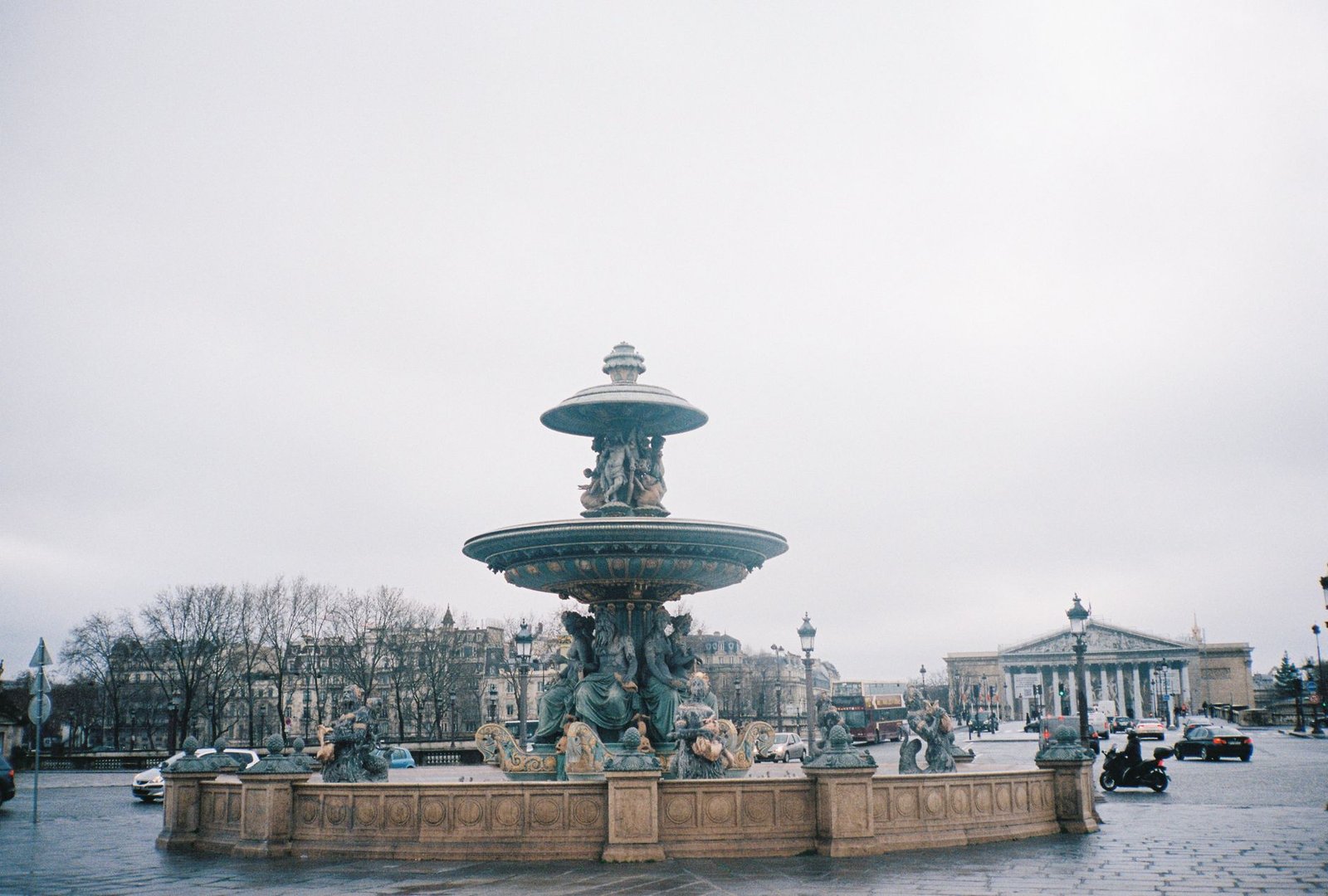
Next, notice the two monumental fountains. They help break up the square’s scale and make for better photos than many people expect, especially when you frame water, the obelisk, and Paris’ open sky in the same shot. On days with soft light, this combination works beautifully.
Another interesting point is the immediate surroundings. On one side, you have the Hôtel de la Marine, which today hosts tours and exhibitions in a heavyweight historic building. On the other, access to the Tuileries Garden and the Musée de l’Orangerie helps turn the stop into something more complete. The square also connects visually with the Rue Royale, the Madeleine church, the Champs-Élysées, and the Pont de la Concorde over the Seine.
But what truly sets the Place de la Concorde apart is its historical layer. It was here that the guillotine marked one of the tensest periods of the French Revolution. Louis XVI and Marie Antoinette are among the names tied to the site. Knowing this completely shifts your perception of the visit: you stop seeing just a grand monumental square and start seeing a central stage of French history.
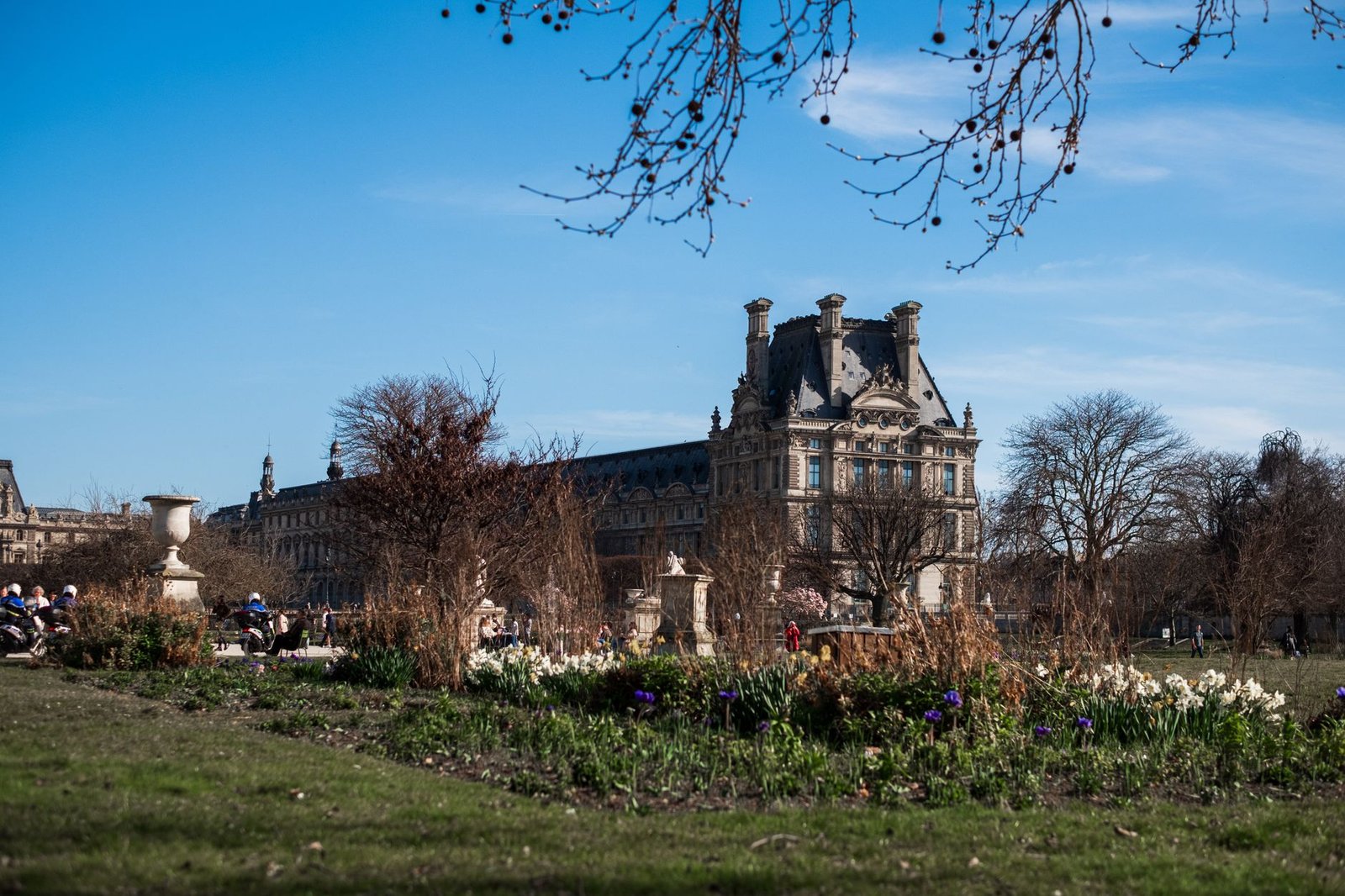
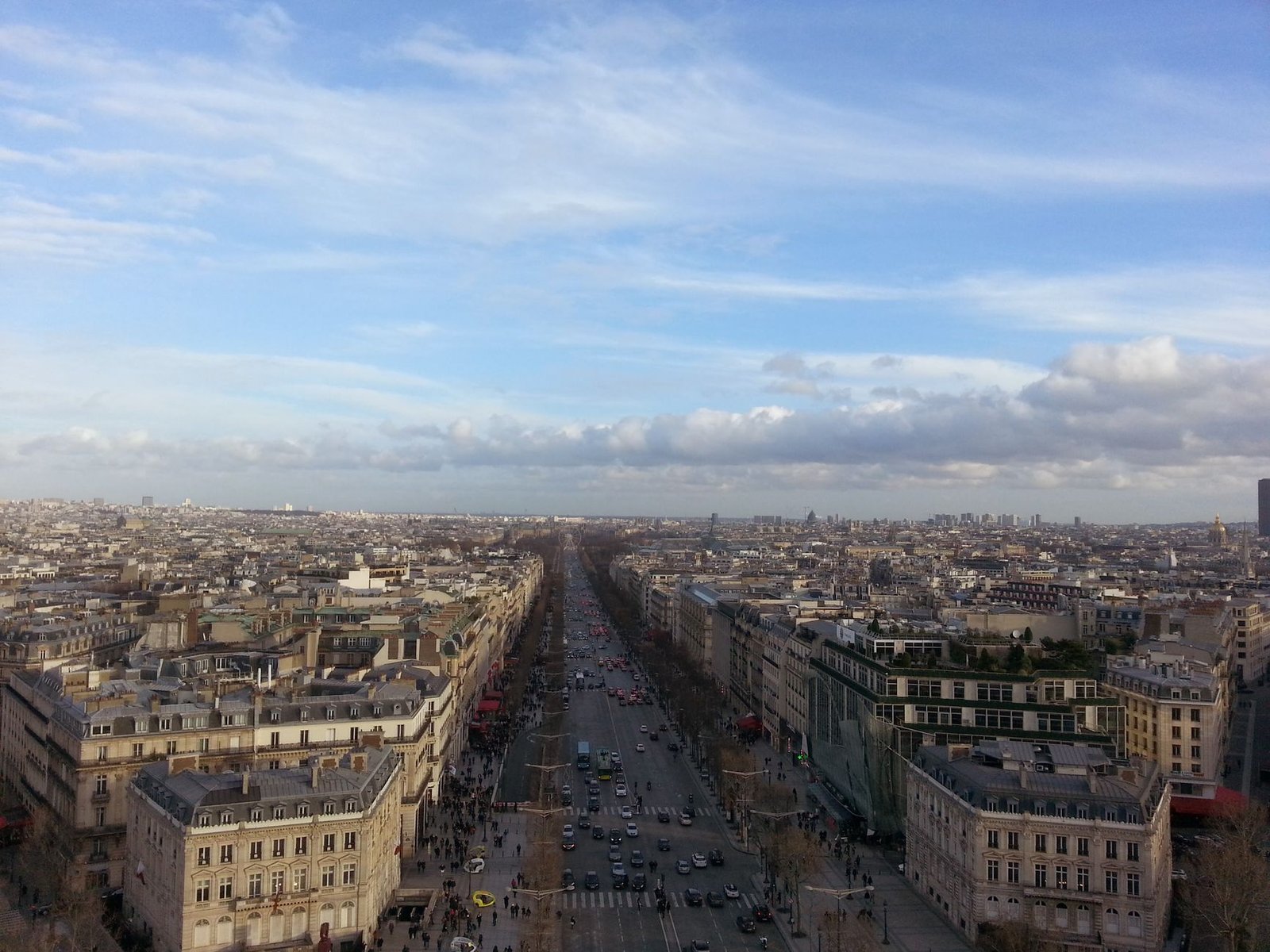
If you enjoy photography, walk slowly around the square and try different angles. The view toward the Tuileries Garden is especially beautiful because it mixes greenery, statues, urban perspective, and the ebb and flow of real Paris. Looking west, the line of the Champs-Élysées creates that classic framing so many people instantly associate with the city.
What to combine on the same day
The square is the perfect starting point for other iconic sights on foot: head up the Champs-Élysées to the Arc de Triomphe, or enter the Tuileries Garden toward the Louvre.
The most natural combo is the Concorde together with the Tuileries Garden. The two practically touch, and the route flows effortlessly: you cross the park, reach the square, take in the obelisk, then continue to the Orangerie or head toward the Champs-Élysées.
Another pairing that makes a lot of sense is Concorde + Musée de l’Orangerie. The museum is right next door and is an excellent choice if you want to mix an outdoor walk with a short, unforgettable visit, especially because of Monet’s Nymphéas. If you’re after a more historic and scenic program, it’s also worth checking the schedule at the Hôtel de la Marine, which sits right on the square.
If you’re on a day of big classics, the sequence Louvre + Tuileries + Concorde + Champs-Élysées works beautifully. No need to rush through it all. The payoff of this route is precisely in feeling how Paris shifts its atmosphere over just a few blocks: from the giant museum to the formal garden, from the historic square to the boulevard of shop windows, flags, and constant motion.
For those who like walking a bit more, you can also continue to the Pont Alexandre III and the Invalides. The landscape opens up, the Seine comes into play, and the views get more and more photogenic. It’s that kind of stretch where you walk without feeling like you’re just “going from one place to another.”
Where to eat nearby
The Place de la Concorde itself isn’t the best spot in Paris to sit down and eat at leisure, since the area is very open and heavily dominated by urban traffic. The smart move is to use the square as a geographic reference and look for a table on nearby streets or in areas where your walk naturally continues.
If you’re coming from the Tuileries, a smart move is to grab a bite at the edge of the garden or head toward the Louvre and Rue de Rivoli, where you’ll find more practical options for lunch, coffee, and a quick break. If your route continues toward Madeleine or the Champs-Élysées, you’ll come across brasseries, classic cafés, and restaurants that cater more to tourists.
For a stress-free visit, it’s worth thinking about two types of stops. The first is functional: coffee, a sandwich, or a simple meal to keep your itinerary moving. The second is contemplative: sitting down more leisurely after visiting the Hôtel de la Marine, the Orangerie, or an exhibition nearby. In those moments, the immediate surroundings of the Concorde deliver more than the square itself.
Practical Tips and My Take
The main tip is not to try to “conquer” the Concorde in five minutes. It’s not an indoor monument with a queue, a ticket booth, and a clear route. The value of the visit lies in observing the whole scene. Look at the obelisk, the fountains, the opening of the landscape, the facades, and the connection between neighborhoods. That’s what turns the square into an experience, not just a passageway.
Another important tip: be careful when crossing. Place de la Concorde is vast and surrounded by traffic. Even when you’re focused on taking photos, it’s worth paying attention to the flow of cars, traffic lights, and traffic islands. It sounds obvious, but it makes a difference in an area where many people are walking around distracted.
In my opinion, the Concorde works best for those who appreciate context. If you prefer enclosed attractions with a guided route and a “to-do list,” you might find the square less exciting than the Louvre, Notre-Dame, or the Arc de Triomphe. But if you enjoy places that help you understand the city, Place de la Concorde delivers a lot. It connects monarchy, revolution, urban planning, tourism, and one of Paris’s most powerful urban landscapes within just a few meters.
I also think it’s worth visiting without the rush of someone just racing to the next famous attraction. When you use the Concorde as a deliberate pause in your itinerary, it grows on you. And it becomes one of those places you remember more fondly precisely because you didn’t expect so much from it.
FAQ
Is it worth visiting Place de la Concorde?
Yes, especially if you’re putting together a walking itinerary through central Paris. The square doesn’t require a ticket, is close to several major attractions, and helps you better understand the city’s history and urban layout.
How do I get to Place de la Concorde by metro?
The most direct way is to use the Concorde station, served by lines 1, 8, and 12 of the Paris metro. It’s also easy to reach on foot from the Louvre, the Tuileries Garden, or the Champs-Élysées.
How much time should I set aside for Place de la Concorde?
If your visit is just to observe the square and take photos, somewhere between 20 and 40 minutes is usually enough. If you’re planning to combine it with the Tuileries, the Orangerie, or the Champs-Élysées, set aside at least 1h30 for the whole area.
What is there to see at Place de la Concorde?
The main highlights are the Luxor Obelisk, the monumental fountains, the view toward the Champs-Élysées, access to the Tuileries Garden, and the historical context tied to the French Revolution.
Is Place de la Concorde free?
Yes. The square is a public space, and you can walk around without a ticket. What might incur costs are nearby attractions, such as museums and exhibitions in the surrounding area.
Conclusion
If you want to put together a smarter itinerary for Paris, Place de la Concorde deserves a spot on the map—not as a “passing point,” but as a brief, mindful stop. It ties together the walk between the Tuileries, the Louvre, the Champs-Élysées, and the Seine, delivers beautiful photos, and still places you in front of one of the city’s most striking historical settings.
If you can, fit the square into the same block as the Tuileries Garden and continue from there at a relaxed pace. This stretch of Paris often turns out to be one of the most enjoyable parts of the trip.