You’re a ten-minute walk from the Eiffel Tower and wondering if you should trade time in line for a market street. The short answer: yes, if you go in the morning on a weekday and treat it as a foodie outing—not a timed tourist attraction.
Rue Cler is a pedestrian street in Paris’s 7th arrondissement, about 800 meters from the Champ de Mars, lined with bakeries, cheese shops, butchers, and fruit stalls that have functioned as a neighborhood market since the 19th century. It’s worth a visit if you want to put together a picnic, sample local products without the tourist markup, and see how a real Parisian shops—it’s not a spot with “sights” to see, it’s a place to live for an hour.
How to get to Rue Cler
Rue Cler sits between Avenue de la Motte-Picquet and Rue de Grenelle in the 7th arrondissement—the same neighborhood as the Eiffel Tower and Les Invalides. The closest metro station is École Militaire (line 8), less than a 5-minute walk away; La Tour-Maubourg (line 8) also serves the area.

Dica: Aproveite também para fazer estes passeios em Paris
Tour pelo exterior da catedral de Notre Dame + Ingresso da cripta . Duração: 2 horas
Disneyland Paris Duração: 3 horas ou mais
Passeio de barco pelo Sena. Duração: 1h
Ingresso do 3º andar da Torre Eiffel. Duração: 2 a 3 horas
Ingresso do Palácio de Versalhes. Duração: 2 a 3 horas
Veja mais passeio em Paris aqui.
If you’re coming from the Champ de Mars or the Eiffel Tower itself, it’s a 12- to 15-minute walk along quiet residential streets—no metro needed. Check schedules and the line network on the official RATP website, Paris’s metro operator, before planning your route.
Coming from another far-flung landmark, like the Louvre or Notre-Dame, the most direct route usually involves a metro transfer—budget 25 to 35 minutes total, including the walk to your starting station.
Best time to go and how long to spend
Most of Rue Cler’s specialty shops open around 9 a.m.—some bakeries open earlier, but cheese shops and butchers rarely do. Skip Sunday morning if you’re not a fan of crowds: it’s the week’s peak hour, when locals do their family lunch shopping. Monday, on the other hand, finds much of the commerce closed—a common rule on Parisian market streets. Tuesday through Saturday, between 9:30 and 11:30 a.m., is the sweet spot between open shops and fewer people.
Set aside 45 minutes to an hour just to stroll and window-shop. If the plan is to assemble a picnic or grab snacks, add another 20-30 minutes picking between the bakery, cheese shop, and wine store.
What to see and buy on the street
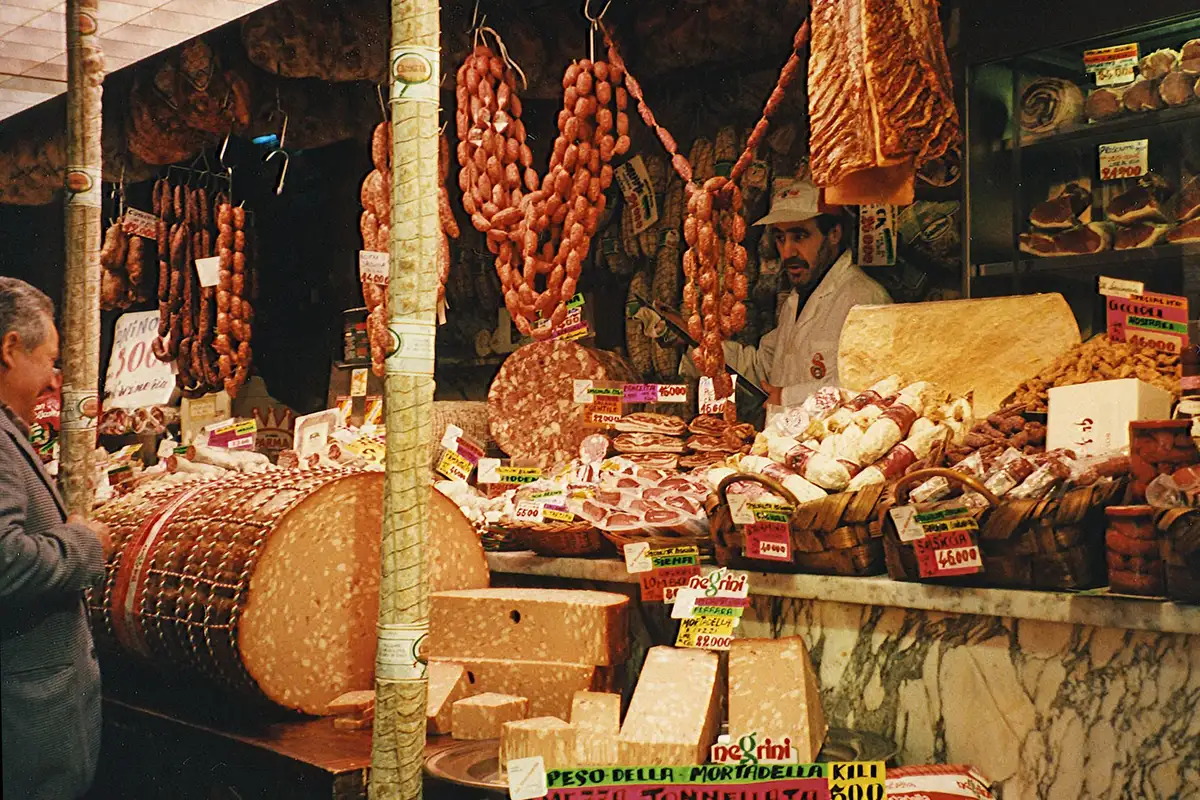
There’s no fixed “attraction” on Rue Cler—what you see is the sequence of specialty shops that make up the market: fruit and vegetable stalls on the sidewalk, bakeries with lines for warm baguettes, cheese shops with dozens of regional varieties, butchers and fishmongers with daily catches, and at least one solid wine shop and chocolatier.
The most common visitor ritual is buying a wedge of cheese, a piece of fresh bread, some fruit, and a bottle of wine, then taking it all to sit and eat at the Champ de Mars, facing the Eiffel Tower—the street becomes, in practice, the gourmet supermarket for your picnic.
The street has been a commercial hub since the 19th century, when the 7th arrondissement solidified as a residential neighborhood for the Parisian bourgeoisie, and many shops are still run by families who’ve managed the same spot for generations. That explains why so many merchants know customers by name and why the service pace is slower than at tourist-focused markets—here, the everyday regular is still the priority. The official tourism site Paris je t’aime lists the street among the neighborhood’s recommended foodie outings.
What to pair with your visit
Since Rue Cler is quick to see, it works best as a stop within a larger 7th arrondissement itinerary. Pair it with the Eiffel Tower (visit in the morning, then head down to the street late morning), the Rodin Museum (a 15-minute walk away), or Les Invalides—the Musée de l’Armée and Napoleon’s tomb are a 10-minute stroll.
If you’ve already been to another Parisian shopping street and want to compare, it’s also worth reading about Rue Mouffetard in the Latin Quarter—another historic market street, but with a more student-oriented, less formal vibe than Rue Cler. Those who love neighborhoods with strong character and less traditional tourist routes can also add the Canal Saint-Martin or Belleville to the same day, though they’re farther out and require a metro ride.
For those who prefer booking a guided tour that already includes insights into local gastronomy and neighborhood stories, there are walking tours of the 7th arrondissement and the Eiffel Tower area that pass right by commercial streets like Rue Cler.
For a more structured experience, there are free walking tours of Paris that cover historic neighborhoods and local curiosities—worth booking a free walking tour of Paris if you want to round out your Rue Cler stroll with historical context from a local guide.
Where to eat on Rue Cler and nearby
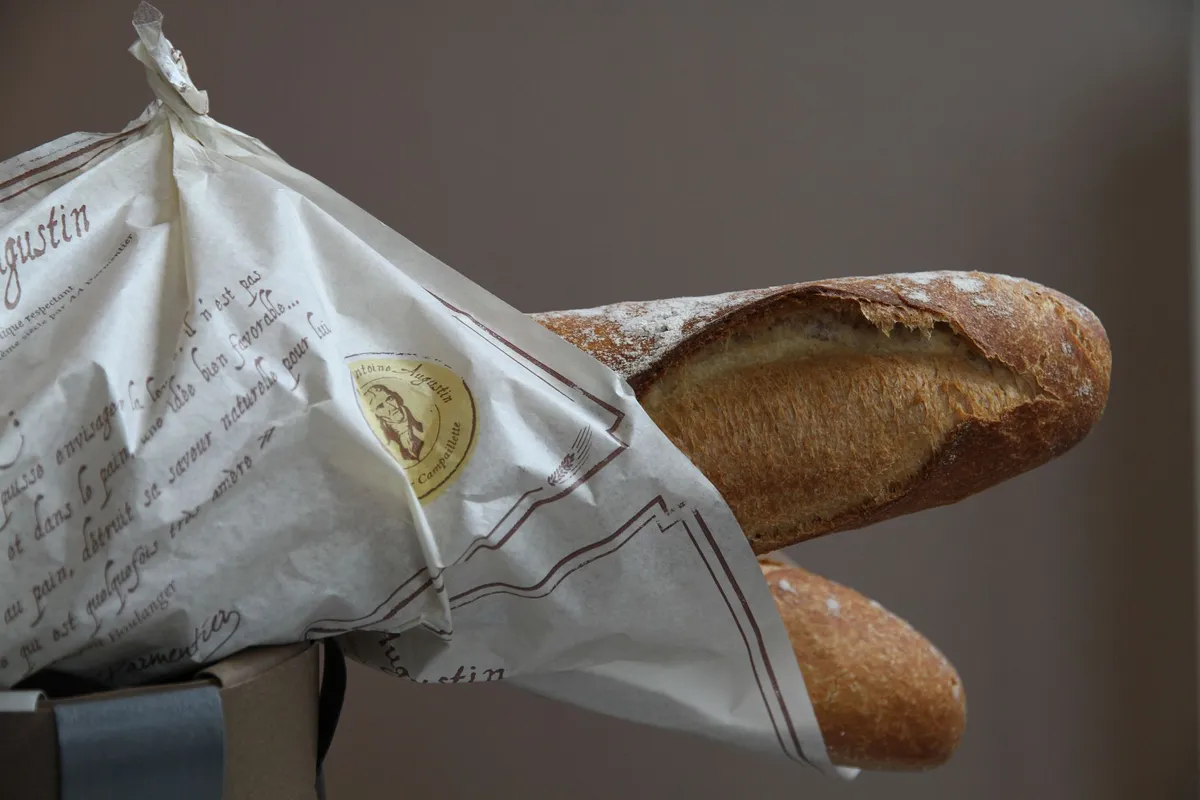
The street itself has grab-and-go options: crepes, baguette sandwiches stuffed to order, and quiches at the bakeries. For a sit-down meal, the cafés and bistros on the street’s corners serve simple French dishes—croque-monsieur, salade niçoise, daily tart—at more reasonable prices than the trendy restaurants near the Eiffel Tower.
A practical tip: prices on Rue Cler tend to run higher than the Paris average, because the neighborhood is upscale and the crowd is mostly well-off locals and tourists. On a tight budget, buy the essentials there and round out the meal at a regular supermarket a few blocks away.
For a more structured experience, there are also guided food tours that pass through market streets like Rue Cler, combining cheese, charcuterie, and wine tastings with insights into French culinary history — a practical option for those who don’t speak French and want to understand what they’re buying. If your day also includes the Eiffel Tower, it’s worth booking your Eiffel Tower ticket in advance to skip the line.
Where to Stay Near Rue Cler
The 7th arrondissement is one of Paris’s safest and most residential areas, ideal for families or anyone seeking peace and quiet at night — but it has less nightlife and higher accommodation prices than neighborhoods like the Marais or Bastille. It’s worth it if you prioritize waking up near the Eiffel Tower and don’t mind taking the metro or walking a bit more to reach other sights.
Travelers on a tighter budget often prefer neighborhoods like Montmartre or the Latin Quarter, and just visit Rue Cler on a day trip — the price difference between a night in the 7th arrondissement and in more affordable areas can exceed 30%, especially in high season (June through September).
Practical Tips
Bring cash or a card with no foreign transaction fees — many street stalls still prefer cash for small purchases. Ask before taking photos inside shops: owners of traditional cheese shops and butcher shops often ask visitors not to photograph the counter. Avoid going during lunchtime (12pm–2pm), when locals pack the bakeries to grab their daily sandwich.
Another handy tip: many cheese shops and butcher shops sell small portions on demand — you don’t have to buy whole pieces. Just indicate the amount in grams or say “for one person” (pour une personne) and the vendor will adjust the cut.
Frequently Asked Questions
Is Rue Cler worth visiting?
It’s worth it if you love food and want to experience Parisian neighborhood commerce, especially if you pair it with a picnic at Champ de Mars. It’s not worth a long detour if you’re only after a “sight to see and photograph,” since the street has no monuments — the real value lies in the shopping and eating experience.
How long does it take to visit Rue Cler?
Between 45 minutes and an hour is enough to stroll the entire street and decide where to shop. Add more time if you plan to stop for a bite at a café or want to put together a full picnic with bread, cheese, fruit, and wine.
What’s the best day to visit Rue Cler?
Tuesday through Saturday mornings are the best time, with shops open and fewer crowds. On Mondays, much of the commerce is closed, and Sunday mornings tend to get very busy with locals doing their weekly shopping.
Is Rue Cler close to the Eiffel Tower?
Yes, Rue Cler is about 800 meters from Champ de Mars, which translates to a relaxed 12-to-15-minute walk to the Eiffel Tower — no metro needed for that stretch.
Conclusion
Rue Cler doesn’t replace a visit to the Eiffel Tower, but it complements it beautifully: it’s the perfect place to slow down, buy real food, and feel the 7th arrondissement like a local for an hour. It’s worth setting aside that hour with no rush to “check off” another spot on your itinerary — the real value is in tasting, comparing, and choosing, not in snapping a quick photo and moving on. If you’re planning your Paris itinerary, check out more guides to neighborhoods and historic streets right here at torreeiffel.com.br.
Before picking a table, check out these tips for avoiding tourist-trap restaurants in Paris so you can read the menu with confidence.