Dica: Aproveite também para fazer estes passeios em Paris
Tour pelo exterior da catedral de Notre Dame + Ingresso da cripta . Duração: 2 horas
Disneyland Paris Duração: 3 horas ou mais
Passeio de barco pelo Sena. Duração: 1h
Ingresso do 3º andar da Torre Eiffel. Duração: 2 a 3 horas
Ingresso do Palácio de Versalhes. Duração: 2 a 3 horas
Veja mais passeio em Paris aqui.
Day 1: Eiffel Tower, Trocadéro, and Champ de Mars
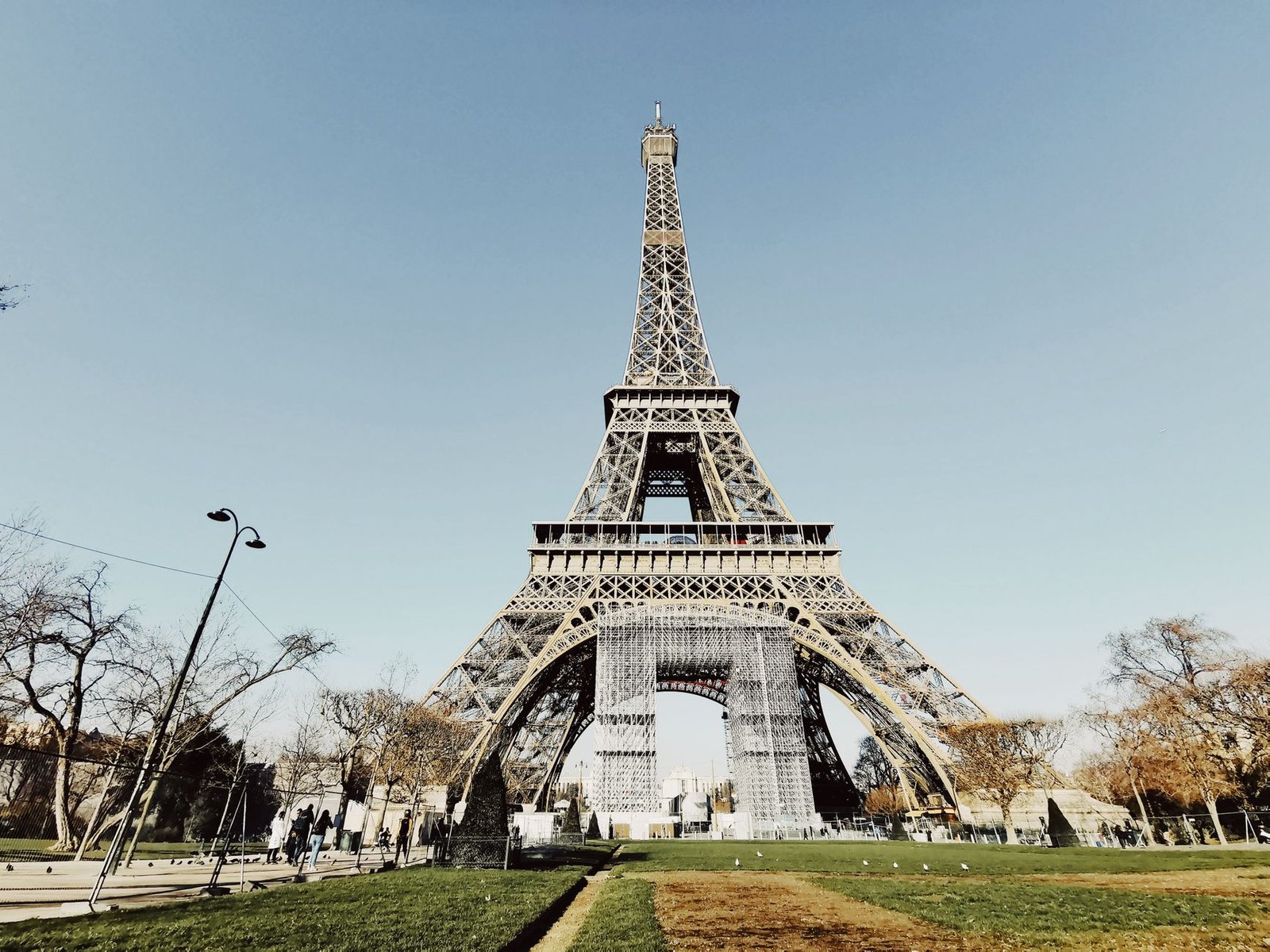
Start your week in Paris like so many do—with the Eiffel Tower. It’s not cliché, it’s reality: the tower deserves a spot on your first day to help you soak in the city’s energy. Arrive early at the Trocadéro Gardens (free entry) to beat the crowds and enjoy the classic view of the tower with the gardens in the foreground—this is where you’ll snap that dream photo every Brazilian traveler hopes for.
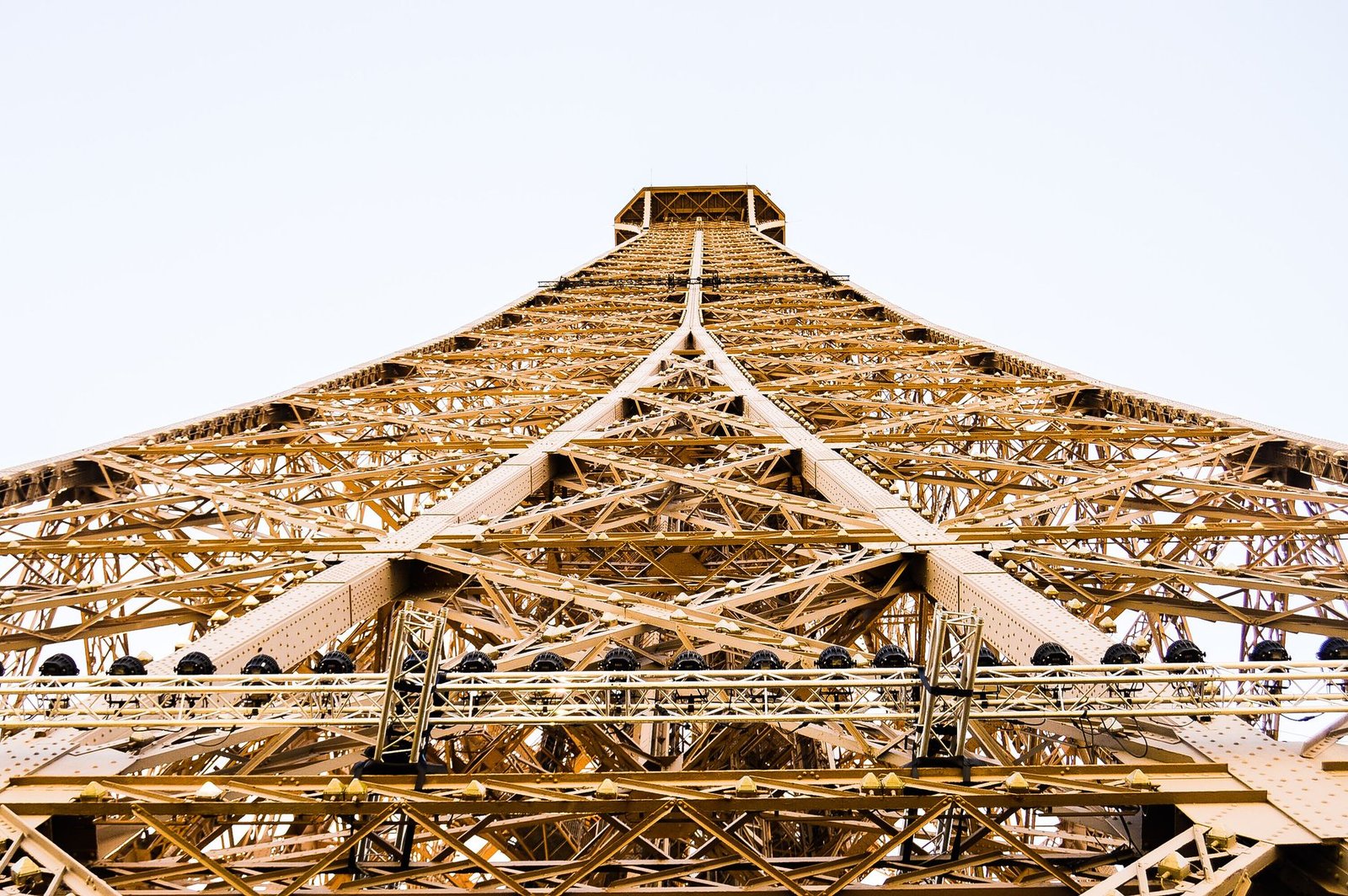
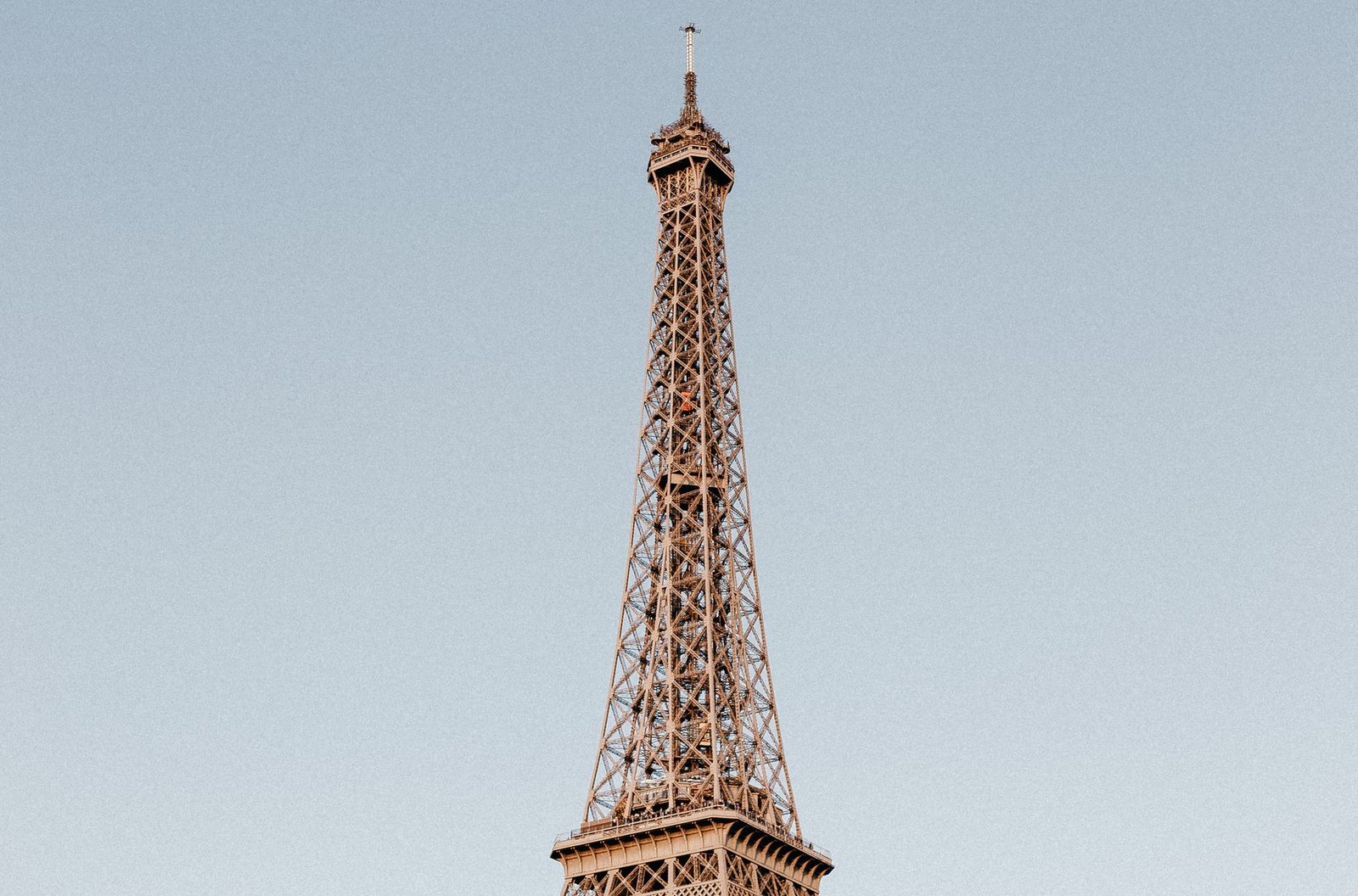
If you want to go up the Eiffel Tower, you can take the elevator (faster but pricier—around €15-18) or the stairs (€5-9, but you’ll need stamina for the 674 steps). The elevator ride offers stops at the first and second floors before the top. The summit gives you a 360-degree view of Paris, where on clear days you can see up to 70 kilometers. The best time to go up is late afternoon, around 4 PM, when the light turns warm and romantic.
At night, the Champ de Mars (the big lawn in front of the Tower) fills with tourists and locals. Sit on the grass, grab a glass of wine from a nearby bar (or bring your own bottle—it’s allowed in many parks), and enjoy the tower’s light show that starts blinking at night (every hour on the hour, the tower puts on a 5-minute light display with 20,000 bulbs).
Day 2: Louvre Museum, Notre-Dame, and Seine River Cruise
Day 2 is all about museums and the historic heart of Paris. Start at the Louvre Museum, the most visited museum in the world. Arrive early (doors open at 9 AM) to dodge the massive lines. Pro tip: if you only want to see the Mona Lisa, Winged Victory of Samothrace, and Venus de Milo, you’ll need just 2-3 hours. If you want to really explore, set aside 4-5 hours.
Inside the Louvre, grab a free map at the entrance or use the museum’s app. The Richelieu Wing (French painting), Sully Wing (Egyptian and Islamic art), and Denon Wing (Italian painting and the Mona Lisa) are the main highlights. Avoid Tuesdays (quieter but also more chaotic)—Thursdays and Fridays are solid choices.
Afterward, walk over to Notre-Dame Cathedral. If the cathedral is still under restoration when you read this (it was being rebuilt after the 2019 fire), visit the Sainte-Chapelle church nearby—its stained glass windows are just as stunning as Notre-Dame’s, but with way shorter lines.
In the late afternoon, take a boat cruise along the Seine River. Boats depart from various spots (Pont de l’Alma is a central one). A 1-hour cruise costs around €16-18, and you’ll see bridges, historic buildings, and pick up fun facts about the city. If you can, choose a late-afternoon cruise when the light turns golden—your photos will come out incredible.
Day 3: Montmartre, Sacré-Cœur, and Moulin Rouge
Montmartre is Paris’s bohemian neighborhood. Take the metro (Line 2, Abbesses station) and start by wandering the narrow, cobblestone streets. The area has that old-Paris charm you see in so many photos—tiny cafés, artist shops, and artistic graffiti.
The Sacré-Cœur Basilica sits at the top of the hill. You can climb the steps (364 steps, totally doable) or take the funicular (€2, departs from the opposite side of the stairs). Entry to the basilica is free, but the view from the top is worth every step—it’s the highest point in Paris, and you’ll see the entire city sprawled out below.
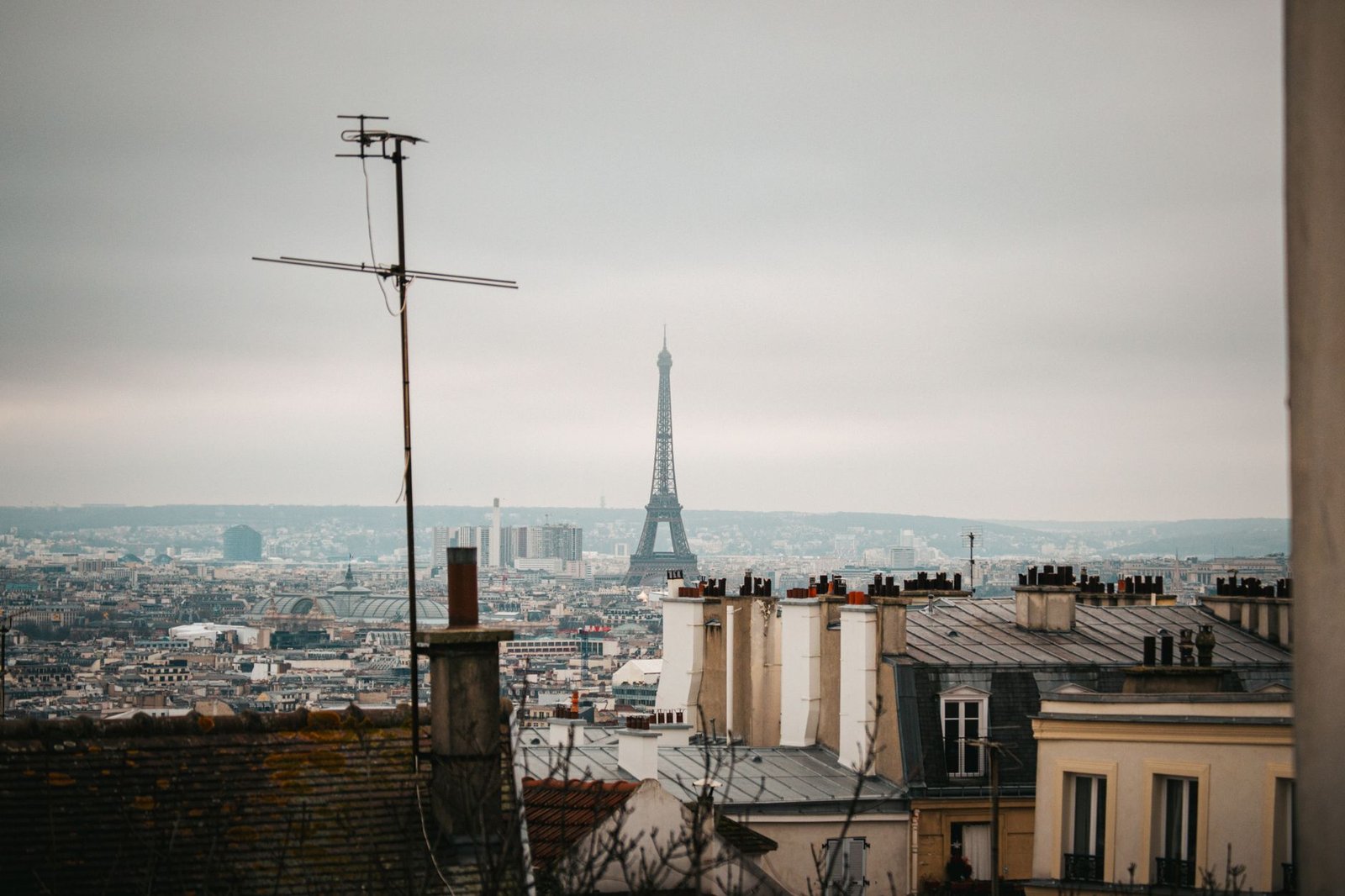
Head down and explore Place du Tertre, where artists sell paintings and draw live portraits. Grab a Nutella crêpe right there (€6-8). In the late afternoon, make your way to the Moulin Rouge, the world’s most famous cabaret. If you want to catch a show, book in advance (prices start at €90 per person). If you’d rather not spend the cash, just snap a photo of the red windmill at night—it’s gorgeous.
Day 4: Musée d’Orsay, Saint-Germain, and Luxembourg Gardens
The Musée d’Orsay is smaller than the Louvre, but its Impressionist collection is unmatched anywhere in the world. Monet, Renoir, Van Gogh—they’re all here. The museum is housed in a beautiful converted train station. Set aside 2-3 hours. It’s closed on Tuesdays; on Wednesdays, entry is free after 6 PM if you’re under 26 (take advantage if that’s you).
Afterward, head to Saint-Germain-des-Prés, the literary neighborhood where Hemingway, Sartre, and Simone de Beauvoir used to hang out in cafés. Visit Café de Flore and Les Deux Magots—they’re not cheap (a coffee costs €5-7), but the history is palpable. You don’t need to eat; just sit and soak in the atmosphere.
In the late afternoon, hit the Luxembourg Gardens, a massive park with red chairs scattered on the grass, kids on a vintage carousel, and a very French vibe of relaxation. Many Parisians come here to unwind after work. Sit in a chair, watch people go by, and understand why the French value otium—leisure time.
Day 5: Palace of Versailles (Day Trip)
A full day for Versailles is essential. Leave early (6:30 AM) from central Paris. Take the RER (Line C, Versailles Rive Gauche station)—it costs €4 and takes 40 minutes. Check online and buy your Palace ticket in advance (to skip the line).
Versailles is enormous. The palace itself—with that famous Hall of Mirrors, the king’s apartments, and the ceiling paintings—will take 2-3 hours. Then, the gardens (which are BIGGER than the palace) will take another 1-2 hours. If you have time, hop on the tourist train that leaves from the palace and takes you to the Trianon estate (smaller palaces in the back of the gardens, much quieter and beautiful).
Practical tip: wear comfortable shoes. Versailles is a marathon. Bring water. If you go on a weekend, brace for huge crowds—weekdays are less packed.
Day 6: Latin Quarter, Panthéon, and Shakespeare and Company
The Latin Quarter is where students live in Paris. Narrow streets, old bookshops, cheap bars, and an energy that blends youthfulness with medieval history. Take the metro to Saint-Michel station and start walking.
Visit Shakespeare and Company bookstore, the most famous in Paris. It has three floors packed with books in multiple languages, an old spiral staircase, and that smell of old books that makes any reader tear up. A photo with the sign outside is practically mandatory. Take your time exploring—this isn’t a place to rush through.
Afterward, head up to the Panthéon, also in the Latin Quarter. Inside lie the tombs of great French writers and scientists like Victor Hugo, Voltaire, and Marie Curie. Entry costs €13. The view from the top of the Panthéon is one of the best in Paris (less famous than the Eiffel Tower, which means fewer tourists).
Eat at a local crêperie—the best ones don’t have big signs and are tucked away on side streets. Order a savory crêpe (jambon fromage, ham and cheese) and then a sweet one (Nutella with banana). Both will cost you under €12.
Day 7: Le Marais, Place des Vosges, and Vintage Shops
Le Marais is another neighborhood that deserves a spot on every day of your Paris trip. Take the metro to Saint-Paul and start without a rush. The area has Place des Vosges, a perfect Renaissance square with galleries, cafés, and Victor Hugo’s house (which you can visit).
All around, there are thousands of shops: French designer, vintage, art, rare books. Rue Vieille du Temple is the main drag, but take the smaller streets—Rue Turenne, Rue de Rivoli, Rue de Francs Bourgeois. This is where locals shop, not your average tourist.
Grab a falafel in Le Marais (surprisingly, there’s a strong Arab community here with excellent falafel spots—the most famous is L’As du Fallafel on Rue des Rosiers). Then, pop into a smaller gallery or museum you haven’t visited yet, or simply sit at a café and end your day without any rush.
Practical Tips for Your Week
Transportation: Buy a Paris Visite pass (valid for 1 to 5 days, includes metro + RER + bus). Or get a carnet of 10 single tickets (t+) for around €17, which is way cheaper than buying individual tickets. Walk whenever you can—Paris is best discovered on foot.
Money: Euros. Use your debit card at ATMs (lots of Brazilians visit, so machines are everywhere). Credit cards work almost everywhere, but carry some cash just in case.
Food: Don’t eat at touristy restaurants near the Eiffel Tower or Louvre. Find local bistros and brasseries where the food is better and cheaper. The lunch menu (déjeuner) costs €12-15, while the same meal at night runs €35.
Clothing: Even in summer, Paris has cool mornings and evenings. Bring a jacket. Paris is casual—you don’t need to dress up much—but men in very short shorts and women in overly revealing outfits will draw attention (not always the good kind).
Museums: If you’re visiting more than 4 museums, the Paris Museum Pass (€59 for 2 days, €89 for 4 days) is worth it. It includes the Louvre, d’Orsay, Versailles, Panthéon, and many more, with skip-the-line access.
Frequently Asked Questions
Is it worth going up the Eiffel Tower, or just photographing it from afar? If it’s your first time in Paris, go up. The view from the top is unlike any photograph. But if it’s your third time or you’re afraid of heights, the views from Trocadéro and Champ de Mars are beautiful too.
How much time do I need at each museum? Louvre: 3-5 hours. d’Orsay: 2-3 hours. Versailles: 4-5 hours. If you’re short on time, prioritize the Louvre and d’Orsay over Versailles (which needs a full day).
What’s the best way to get from the airport to the city center? RER B (train) is fast, €12 one way, 35 minutes. The bus is cheaper (€12, but takes 50-90 minutes). Uber/taxi costs €50-70 and is direct.
Do I need to speak French? No, but “bonjour” and “s’il vous plaît” open doors. English works in most tourist spots, but French shows respect—even a bad attempt impresses locals.
What’s the best month to go? May to June and September to October. July-August is very hot and crowded. Winter (December to February) is cold, but has fewer people and is cheaper.
Conclusion: Your Dream Week in Paris
Seven days in Paris is enough time to see the essentials, take a deep breath, and start understanding why the city is called the “City of Light.” You’ll walk streets where the greatest artists and writers have stepped. You’ll eat warm bread fresh from the oven, drink coffee that changes your life, and take photos your friends will envy.
The itinerary I’ve shared here is just a foundation. Paris is made for detours. If you spot an interesting gallery, go in. If you see a restaurant that looks good, sit down. If a small street catches your eye, follow it. The best part of Paris is what you discover by chance.
Bon voyage!