Where to Eat the Best Croissant in Paris: Award-Winning Bakeries

🇧🇷 POR | 🇫🇷 FR | 🇺🇸 EN | 🇪🇸 ES If you’re heading to Paris for the first time, you probably have one item on your list that seems trivial but ends up being one of the most memorable parts of the trip: biting into a real croissant. Not the Brazilian supermarket croissant, not the fast-food chain one—the real deal from a quality French bakery, with flaky layers, good butter, and a slightly elastic interior. The difference is staggering. And in Paris, where every block has at least one boulangerie, choosing wisely makes all the difference. Photo by Arda Kaykısız on Pexels. What Makes a Perfect Croissant: The Experts’ Criteria Before you start hunting from bakery to bakery, it helps to know what makes a croissant truly great. The judges of the annual “Meilleur Croissant de Paris” (Best Croissant in Paris) competition evaluate five main criteria: Visual appeal: crescent or straight shape (the classic “en beurre” is straight and larger), even golden color, no burnt tips Exterior texture: a thin crust that breaks slightly at the first touch, producing that unmistakable crunchy sound Interior (crumb): airy, slightly moist, with visible layers—not a dense or rubbery dough Aroma: good butter, a light acidity from natural fermentation Flavor: a balance between sweet and salty, with the taste of butter taking center stage Croissants from cheaper bakeries often use margarine instead of real butter—and the flavor difference is noticeable even to the least trained palate. The croissant au beurre (“butter croissant”) costs a bit more, but it’s always the right choice. The Best Croissant in Paris Competition Since 1994, the Chambre Syndicale de la Boulangerie de Paris (Paris Bakery Union) has organized an annual competition to elect the city’s best boulangerie in different categories, including the croissant au beurre. Bakers from across the city compete with pieces judged blind by experts—other bakers, pastry chefs, and food critics. The winner takes home a trophy and, more importantly, the right to display a plaque in their shop window for the following year. This plaque acts as a seal of quality that Parisians recognize—and that savvy tourists can use to guide their choices. Photo by Valeria Boltneva on Pexels. The list of recent winners changes each year, but some bakeries reappear frequently, giving you a solid idea of where to find consistent quality. Award-Winning Bakeries for the Best Croissant in Paris Here are some boulangeries that have placed in the top spots of the competition in recent years and remain reliable benchmarks of quality: Maison Landemaine — With several locations in Paris (in the 9th and 18th arrondissements, among others), Maison Landemaine is known for its consistency. Their croissants have a thin crust, a generous crumb, and a buttery aroma that convinces from the first bite. A great pick if you’re in the Montmartre area. Boulangerie Utopie (20th arrondissement) — A favorite among Parisians looking to avoid the tourist crowds. Croissants with long fermentation and delicate dough. Getting there early is essential—they sell out before noon. Du Pain et des Idées (10th arrondissement, near Canal Saint-Martin) — Technically more famous for its escargots (rolled bread with various fillings), but the croissant here is equally exemplary. The space itself is beautiful—a historic establishment with painted ceiling panels. Closed on weekends. Au Levain du Marais (4th arrondissement) — In the heart of Le Marais, one of the city’s flakiest croissants. Convenient if you’re already exploring the historic neighborhood. Cyril Lignac – Pâtisserie (6th and 7th arrondissements) — Chef Cyril Lignac is one of France’s most media-savvy pastry chefs. His shops have lines, but the croissant and other viennoiseries are worth the wait. Important note: The croissant is just the beginning of Parisian gastronomy—read our complete guide to what to eat in Paris to discover classic dishes, cheeses, wines, and the best bistros for a real meal in the city. Croissant Beurre vs. Croissant Ordinaire: What’s the Difference At the counter of Parisian boulangeries, you’ll find two types of croissant with slightly different appearances: The croissant ordinaire (standard) has a crescent shape—the tips curved inward. It’s usually made with vegetable fat or margarine. Cheaper, less aromatic. The croissant au beurre (butter croissant) has a straight shape or slightly open ends. It’s larger, heavier, and more expensive. Quality butter (often AOP—Appellation d’Origine Protégée) is the main ingredient, and the flavor difference is clear. Always ask for the croissant au beurre. It costs an average of €1.40 to €2.00 at good bakeries—a symbolic price for one of the most authentic gastronomic experiences in Paris. Photo by Theodore Nguyen on Pexels. Best Time to Eat a Croissant in Paris A croissant is an oven-fresh product—and ovens run on a schedule. Parisian bakeries typically bake their first batch between 6 a.m. and 7 a.m., with a second batch around 11 a.m. To guarantee the freshest croissant, arrive before 8:30 a.m. if you can. After lunch, many bakeries have already sold out of their best croissants of the day. What’s left in the late afternoon tends to be drier or less crispy. If you want the full experience, plan your visit for breakfast—Parisians rarely eat croissants at any other time. A practical tip: French bakeries often close for one week a month on vacation (they rotate throughout the year so there’s always a bakery open in the neighborhood). If you find a closed door, look for another on the same street—you’ll likely find one. Where to Eat a Croissant Without Breaking the Bank in Paris You don’t need to go to an award-winning bakery to eat well. The vast majority of neighborhood boulangeries (especially outside the more touristy arrondissements) serve quality croissants at lower prices—between €1.10 and €1.50 each. Avoid bakeries directly in front of major tourist attractions like the Louvre or the Eiffel Tower—prices go up and quality doesn’t always follow. Move two blocks away from the main sights, and you’ll find much better options. Supermarkets like Monoprix and Carrefour City sell packaged croissants, but the experience doesn’t compare to a bakery. Save the supermarket for other
Cheap Eats in Paris: Where to Eat Well Without Breaking the Bank
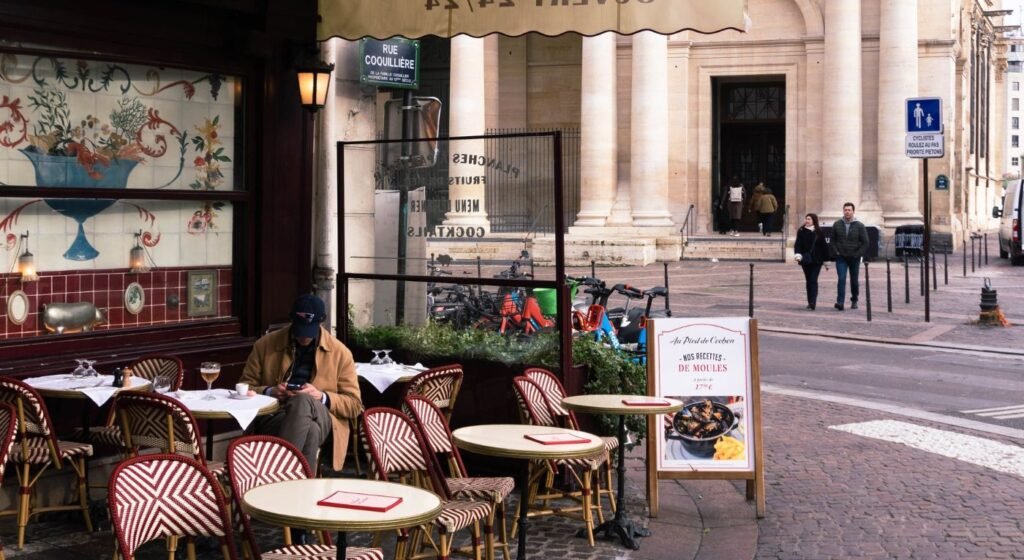
🇧🇷 POR | 🇫🇷 FR | 🇺🇸 EN | 🇪🇸 ES Lots of people arrive in Paris convinced they’ll have to spend a fortune to eat. So they end up at the supermarket all the time, or they overpay for a mediocre restaurant near the Eiffel Tower because they didn’t know any better. Paris has one of the richest food cultures in the world—and that includes affordable options that locals hit up every single day. You just need to know where to look. Here are the best strategies for eating well without emptying your wallet: the bistrot lunch menu, neighborhood crêperies, bakeries, Marais falafels, and picnics in the gardens. With real prices and tips on where to go. Café terraces are the perfect setting for affordable meals in Paris. | Photo: Melik Dngsk / Pexels The Formule: The Lunch Menu Parisians Love Want to eat like a Parisian and pay like one too? The magic word is formule. It’s the lunch prix-fixe menu—almost every bistrot and brasserie offers a combo of starter + main (or main + dessert, or all three) for a set price between €12 and €18. Why does this exist? Lunch is sacred in France. Between noon and 2 PM, restaurants need to turn tables quickly, so they create these menus to attract neighborhood workers. The savvy traveler takes advantage of the exact same system. What to expect? A starter of the day—soup, salad, or rillettes. A main course with protein and sides. A simple dessert, like chocolate mousse or tarte tatin. Drinks are almost never included, but tap water (carafe d’eau) is free by law. Ask for it without hesitation. One game-changing detail: the formule is almost exclusively a lunch thing. Dinner à la carte at the same bistrot easily runs €22–28 per dish. If you’re on a budget, flip the logic—make the bistrot lunch your main meal, and keep dinner light with bakery or market finds. Crêperies: A Full Meal for Under €12 The galette—a savory crêpe made from buckwheat flour—is one of the best bang-for-your-buck meals in Paris. A galette complète with cheese, ham, and an egg costs €8 to €12. Add a sweet crêpe for dessert for another €3 or €4, and you’ve had a great meal for under €16. The Montparnasse area—especially Rue Odessa and Rue Edgar Quinet—is home to the city’s most authentic crêperies. Many Bretons (from Brittany, where the galette originated) moved to this neighborhood in the early 20th century. These are the most traditional versions, with that dark buckwheat and slightly crispy edges. Outside of Montparnasse, quality varies a lot. The ones in the front row of Montmartre or right along the Seine usually charge more and deliver less. The way to find a good one: a line of locals at lunchtime. That’s the one indicator that never lies. Important note: Before diving into cheap eats, it’s worth getting to know French cuisine better. Check out our full guide at What to Eat in Paris: A Guide to French Cuisine for Travelers—you’ll find everything from must-try classic dishes to table etiquette tips that make a real difference. Boulangeries: The Most Honest Lunch in Paris Freshly baked artisan baguettes—the foundation of any cheap and tasty meal in Paris. | Photo: Magda Ehlers / Pexels A filled baguette—the sandwich baguette—costs between €4 and €6. Classic fillings: jambon-beurre (ham and butter, the unbeatable classic), thon-crudités (tuna with veggies), or caprese. Grab one, find a bench in the nearest garden. Done—you’ve got the perfect Paris lunch for less than a coffee and cake in São Paulo. Beyond sandwiches, bakeries sell quiches (€3–4), savory croissants, and various pastries. Many have a small counter where you can eat in, sometimes with coffee included. The price is always well below any restaurant. Paris has over 1,200 independent boulangeries. Every year, the city elects the “Best Baguette in Paris”—the winner supplies bread to the Élysée Palace for a year. Any bakery that’s ever been a finalist in this competition is worth a detour. Timing tip: bakeries open between 7 AM and 8 AM and usually have two baking rounds. Around 4 PM or 5 PM, the afternoon baguettes come out fresh. Avoid Saturday morning if you don’t want to deal with a line. Falafels in the Marais: Classy Fast Food Rue des Rosiers in the Marais is home to some of the best falafel joints in Europe. The dish runs between €7 and €10 and is generous: fried falafel, hummus, cabbage salad, roasted eggplant, all wrapped in a pita that barely closes. Eat it standing up, sitting on the sidewalk, or walking—there’s no protocol. L’As du Fallafel is the most famous, and the line wraps around the corner on weekends. The competitors right next door are just as good with a shorter wait. Get there before noon or after 2 PM to avoid the rush. Important note: the Marais is the historic Jewish quarter, and many shops close for Shabbat—from sunset on Friday to late afternoon on Saturday. Friday before 5 PM, Sunday, and any weekday are safe bets. Parisian Picnic: The Cheapest Option (and Maybe the Best) Cheese from a fromagerie, baguette from a bakery, a bottle of wine from Monoprix. The Champ de Mars gardens with the Eiffel Tower in front. This costs €8 to €12 per person and is, without empty romanticism, one of the most Parisian experiences you can have. The best spots: Champ de Mars gardens, Luxembourg Gardens, Canal Saint-Martin, and the banks of the Seine. In the summer, the Paris Plages event turns the riverbanks into a leisure area with sand and deck chairs. Franprix and Monoprix have branches in practically every arrondissement. At Marché des Enfants Rouges—Paris’s oldest covered market, in the Marais—you’ll find ready-to-eat dishes from various cuisines at market prices, not restaurant prices. Making a crêpe in a Parisian crêperie—one of the most affordable and delicious meals in the city. | Photo: Huy Phan / Pexels Food Courts and Modern Food Halls Paris has some excellent food halls—dishes between €10 and €16, a
Montmartre Cemetery: History, Famous Graves, and Visitor Tips
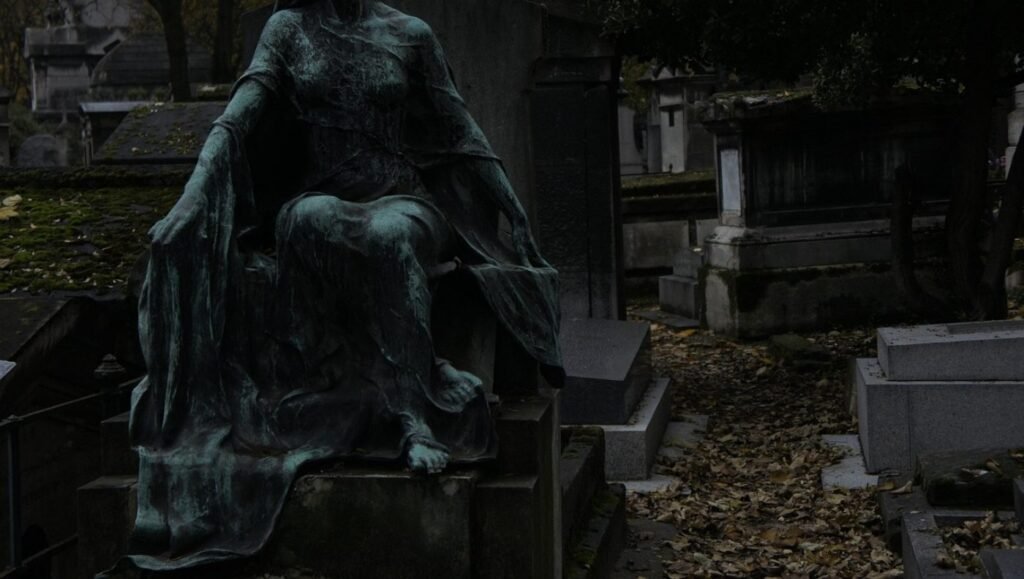
🇧🇷 POR | 🇫🇷 FR | 🇺🇸 EN | 🇪🇸 ES Paris has two famous cemeteries. Everyone knows Père Lachaise — Jim Morrison, Édith Piaf, Oscar Wilde, lines of tourists all year round. The Cimetière de Montmartre is different. Less international fame, but one thing Père Lachaise lost long ago: silence. And a few graves that no other Paris cemetery has. This guide has everything you need to visit Montmartre Cemetery: who’s buried there, how to get there, what to expect, and why this cemetery in a valley below street level might be one of the most unexpected outings in the city. Montmartre Cemetery holds historic sculptures and mausoleums of famous personalities. | Photo: OudsidEscape / Pixabay What is Montmartre Cemetery? Founded in 1825, the Cimetière de Montmartre is one of three major cemeteries created by Napoleon to relieve burials within the city — alongside Père Lachaise (east) and Montparnasse (south). It sits in a disused quarry below street level in the 18th arrondissement, in a unique topographical situation: you go down to enter. The neighborhood noise disappears, the bridges of avenue Rachel pass overhead, and suddenly you’re in another time. It covers about 20 hectares of tree-lined avenues, imposing mausoleums, and 19th-century funerary sculptures. Much of it is well-preserved, other parts left in the beautiful neglect that historic cemeteries accumulate over the years. It’s a place to walk slowly. Who is buried in Montmartre Cemetery? Here lies the big surprise. Montmartre Cemetery holds some heavyweight names in French and European culture — just less touristy than those at Père Lachaise. Dalida The Egyptian-born singer who became one of France’s biggest idols. Dalida’s grave is the most visited in the cemetery — there are fresh flowers almost all the time, placed by fans from all over Europe. The bronze sculpture, with a serene expression, was made by sculptor Aslan. The house where she lived, on rue d’Orchampt, is just a few blocks from the cemetery. Edgar Degas The Impressionist painter of ballerinas is buried here in a discreet grave — quite different from the ostentation of neighboring mausoleums. Degas died in 1917 and is in the same section as several other artists from the Impressionist period. François Truffaut One of the most important directors of the French New Wave, the man behind “The 400 Blows” and “Jules and Jim.” Truffaut’s grave is simple, often marked by notes from cinephiles who make a point of visiting. Heinrich Heine The German Romantic poet lived and died in Paris. His grave, with an ornate headstone, is a must-visit for fans of German and French literature — Heine wrote part of his work in French, and Paris was his second home. Other notable names The cemetery also holds painter Théodore Géricault (author of “The Raft of the Medusa”), composer Jacques Offenbach (creator of “The Tales of Hoffmann” and the original can-can from the Moulin Rouge), and writer Stendhal. For opera and literature lovers, it’s a walk with an extra layer of meaning. Mausoleums with Gothic and Neoclassical architecture are a hallmark of Paris’s historic cemeteries. | Photo: Cristian Salinas Cisternas / Pexels How to Visit Montmartre Cemetery Address and how to get there The cemetery is at 20 Avenue Rachel, in the 18th arrondissement. The main entrance is on a street that runs below Avenue de Clichy — one of the quirkiest entrances to any Paris cemetery, with a street bridge literally passing over the space. Nearest metro: Blanche (line 2) or Place de Clichy (lines 2 and 13), both less than a 10-minute walk away. Hours Monday to Friday from 8 a.m. to 5:30 p.m. (until 6 p.m. in summer); weekends and holidays open at 8:30 a.m. Hours vary slightly between summer and winter. Free entry. Important bonus: If you love historic Parisian cemeteries, don’t miss our guide to Père Lachaise Cemetery: The Most Unexpected (and Fascinating) Itinerary in Paris — with the graves of Jim Morrison, Édith Piaf, and Oscar Wilde, it’s the most visited cemetery in the world and worth a whole afternoon. Why Montmartre Cemetery Deserves More Attention Than It Gets The problem with Montmartre Cemetery is simple: it lives in the shadow of Père Lachaise. The fame of one suppresses curiosity about the other, and most tourists in Paris don’t even know the cemetery exists until they stumble upon it during a walk through the neighborhood. But those who enter usually leave impressed. The combination of high-level funerary art, important historical names, and an atmosphere of genuine silence creates an experience hard to replicate anywhere else in the city. Paris has museums, monuments, and gardens galore — but true silence, the kind that lets you hear your own thoughts, is rare. Montmartre Cemetery has it. There’s also the context. Visiting the cemetery as part of a Montmartre itinerary makes perfect sense — the whole neighborhood has this nostalgic quality that pairs well with an hour and a half walking among historic graves. You leave with a different view of the neighborhood, less postcard and more human. What to Expect from Your Visit: Atmosphere and Practical Tips The first thing that grabs your attention is the silence. The cemetery sits in a kind of valley below street level, surrounded by walls and the Montmartre hill. The noise of Avenue de Clichy disappears almost immediately as you descend the entrance steps. It’s a strange and beautiful transition all at once. Tree-lined avenues, well-maintained. In autumn, leaves cover the stone paths and create that atmosphere any photographer chases. In spring, flowers appear around the oldest graves. At any time of year, the light filtering through the trees is special. The Montmartre neighborhood, with its cobblestone streets, is the perfect backdrop for visiting the historic cemetery. | Photo: edmondlafoto / Pixabay The cemetery isn’t huge — you can walk it all in an hour and a half to two hours without rushing. At the entrance, there’s usually a free map showing the location of the most famous graves. If not, the staff can point you in the right
Giverny: Claude Monet’s House and Gardens Near Paris
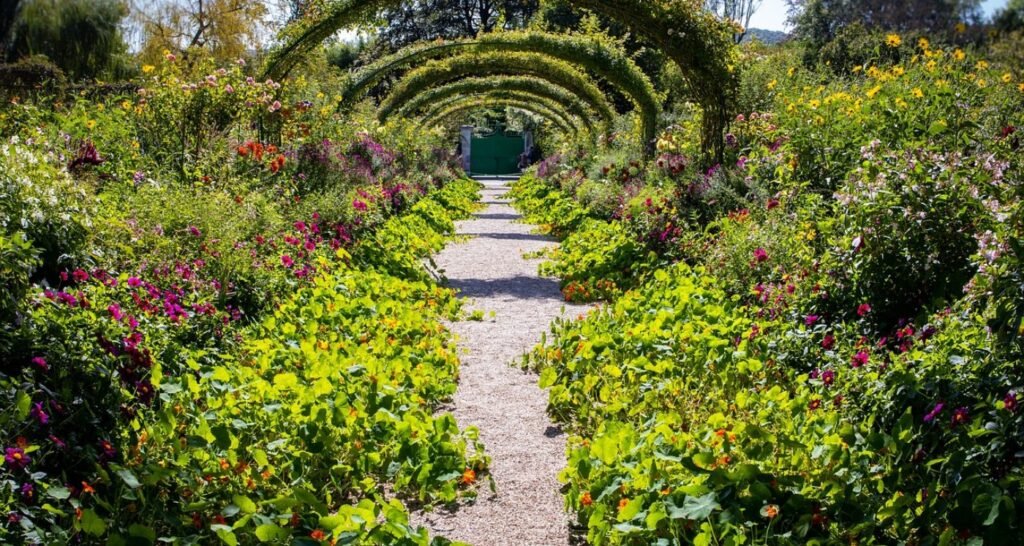
🇧🇷 POR | 🇫🇷 FR | 🇺🇸 EN | 🇪🇸 ES If there’s one place outside Paris that’s worth its own trip, it’s Giverny. The tiny Norman village where Claude Monet lived for nearly half a century holds a secret that every visitor discovers the moment they step through the gate: the gardens are even more beautiful than in the paintings. And that’s saying a lot, considering Monet spent decades trying to capture exactly what you’ll see before your eyes. Giverny is about 50 miles northwest of Paris, on the border between Normandy and the Seine Valley. It’s not a destination you hit on the way to something else—you go specifically to see Monet’s house and gardens. And almost everyone who goes says it was worth every minute of the journey. Photo: DanielSjostrand / Pixabay Why Giverny Is So Special Claude Monet arrived in Giverny in 1883, at age 42, and stayed until his death in 1926. For over forty years, he transformed the land around his house into a living work of art—something he called a “garden of colors,” designed like a three-dimensional canvas. What makes Giverny different from other historic homes is that the place doesn’t feel like a museum. It feels like a real garden, with flowers growing every which way, narrow paths, and that sense that someone still tends to everything with great care. Because they do: the Fondation Claude Monet maintains the site with a team of gardeners who follow historical records of the plants Monet cultivated. The result is that every time you visit, the landscape is a little different. Spring brings tulips and poppies. Summer fills everything with roses, agapanthus, and sunflowers. Golden autumn has its own charm. Giverny changes its face throughout the year, and those who go once often want to return in another season. Claude Monet’s House in Giverny The house is a long, low building, painted pink with green shutters—a combination Monet chose himself and one that’s been immortalized in many photos from the era. Inside, it’s been restored to look as it did when the painter lived there, with original furniture, Japanese prints on the walls, and the famous blue-and-white kitchen seen in historical records. Monet had a huge collection of Japanese prints—Hiroshige, Hokusai, Utamaro—and they directly influenced the design of the water garden with its Japanese bridge. Seeing those prints on the house’s walls and then walking out to the bridge is an experience that closes a circle in a very clear way. The studio is separate from the main house. It’s where Monet worked on the large canvases of the Nymphéas—the water lilies—now on display at the Musée de l’Orangerie in Paris. The space was built with high windows specifically to capture natural northern light, without direct sun reflections. It’s a detail that only makes sense when you’re inside the studio and notice the direction of the windows. The Two Gardens of Giverny The estate has two separate gardens, each with its own personality. To explore both at a leisurely pace, set aside at least two hours. Anyone who tries to do it in less time leaves feeling like they missed something. The Clos Normand This is the garden in front of the house. The name refers to the Norman style of enclosed gardens, but what Monet did here is far from formal. Flowers grow in long beds, separated by narrow paths covered by metal arches wrapped in climbing roses. At the height of summer, these arches are so covered that you walk practically inside a tunnel of flowers. Monet organized colors as if he were arranging a palette—warm tones on one side, cool on the other, with gradations in between. He would go so far as to have flowers pulled out if they didn’t match the season’s color scheme. For him, the garden was as serious as any canvas. Photo: Sinason / Pixabay The Water Garden and the Japanese Bridge On the other side of the road that cuts through the property—accessed via a tunnel underneath—lies the water garden. This is the space that produced Monet’s most famous works. The artificial pond, fed by a branch of the Epte River, has water lilies growing on its surface and is surrounded by weeping willows, bamboo, and wisteria that cascade over the famous Japanese bridge. The bridge itself is smaller than most people imagine after seeing the paintings. But the whole scene—the pond, the surrounding plants, and the light that changes with the time of day—delivers exactly that feeling of being inside a Monet painting. It’s not an exaggeration—it’s literally the setting he painted dozens of times. Photo: Sinason / Pixabay Early in the morning, when the mist still hangs over the pond and the light is diffused, the water garden has an almost unreal quality. Many photographers arrive before the official opening to try and capture this moment. If you’re visiting, it’s worth the effort to get there early—besides the light, the place is still uncrowded. How to Get to Giverny from Paris There’s no metro or RER line to Giverny. The nearest town with a train station is Vernon, about 3 miles from the village. The trip from Paris is on the line departing from Gare Saint-Lazare, with an average travel time of 1 hour and 15 minutes. Trains are frequent on spring and summer weekends, which is Giverny’s high season. From Vernon to Giverny, you have three main options: Seasonal bus: During visiting months (April to October), a bus connects Vernon station directly to the garden entrance. It’s the most affordable and convenient option for those without a car. Rental bike: Several rental shops are near the station. The route is flat and pleasant, following the Seine River for much of the way. Many people prefer to bike one way and take the bus back, or vice versa. Taxi or rideshare: More expensive, but convenient if you’re with small children or want to avoid the sun. The trip is quick—less than ten minutes. If you prefer to drive, take
Château de Chantilly: Complete Guide for a Day Trip from Paris
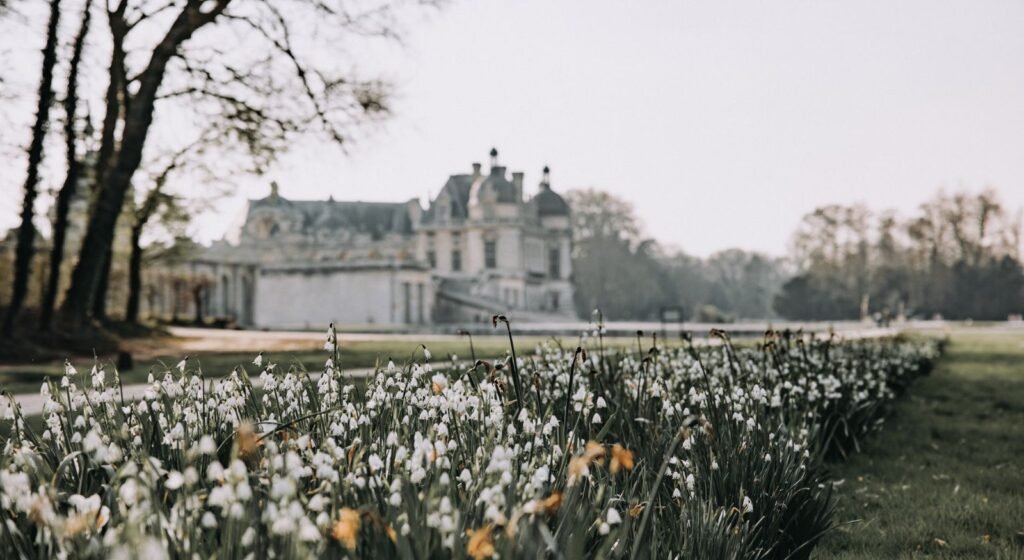
🇧🇷 POR | 🇫🇷 FR | 🇺🇸 EN | 🇪🇸 ES Fifty kilometers separate Chantilly from central Paris—less than half an hour by train. Yet the place gets treated like it’s the end of the world. It pops up on lists of “possible day trips” and vanishes from the itinerary before it’s even scheduled. The blame falls partly on Versailles, which sucks up all the attention from travelers with limited time. But Chantilly has things Versailles doesn’t: a painting collection that rivals any European museum, gardens designed by Le Nôtre blended with a 19th-century English garden, and Baroque stables that host live equestrian demonstrations. Together, these three elements make Chantilly one of the most complete visits within a 100-kilometer radius of Paris. This guide covers everything you need to know to organize a day there—from leaving Gare du Nord to heading back in the evening. The Château de Chantilly in spring, with flowers adorning the historic estate. | Photo: Manon Thvnd / Pexels A Story of Princes, Horses, and Art The château you visit today was rebuilt in the 19th century, but the grounds have a much longer history. Fortresses and noble residences have occupied this water-surrounded spot since the Middle Ages. Over time, the estate passed from hand to hand, gaining new owners with new ambitions, until it landed with the Condé family—one of the most powerful in the French nobility. Louis-Henri de Bourbon, Prince of Condé, commissioned the Grandes Écuries in the early 18th century. The official justification was the need to house 240 horses and 500 hunting dogs. The unofficial—and far more interesting—justification is that he sincerely believed he would be reincarnated as a horse and wanted to ensure his future incarnations had a nice address. The final version of the château that exists today came with the Duke of Aumale, son of King Louis-Philippe I, who rebuilt the Petit Château and the Grand Château in the second half of the 19th century. He spent decades amassing one of the largest private art collections in France. When he died in 1897, he donated everything to the Institut de France with a very specific condition: no artwork could be rearranged, and nothing could be loaned out for exhibitions outside the estate. The result is that the Musée Condé feels frozen in time—and that’s precisely its charm. The Musée Condé: The Château’s Hidden Gem Inside the Château de Chantilly is the Musée Condé. It’s the second-largest collection of old master paintings in France, right behind the Louvre. What makes the visit different from a big museum isn’t just the size of the collection—it’s how it’s arranged. A Raphael next to a Poussin. A Delacroix coexisting with medieval miniatures. Everything organized just as the Duke of Aumale left it, without the didactic cataloging that modern museums usually impose. The Galerie des Peintures features works by Botticelli, Van Dyck, Ingres, and Géricault. But what will make anyone with an interest in art history stop and stare the longest are the illuminated manuscripts. The collection holds facsimiles of the Très Riches Heures du Duc de Berry, one of the most sophisticated examples of medieval European illumination. The original, from the early 15th century, is kept in controlled conditions—it’s so fragile it can’t be displayed. The reproduction you can see is good enough to understand why historians treat this manuscript as a treasure. Set aside at least an hour and a half for the château. The rooms connect in an almost labyrinthine way, and losing track of time here is easier than you’d think. If art isn’t your priority, breeze through the main galleries in forty minutes and save your energy for the gardens and the stables—but don’t skip it entirely. The château surrounded by the green landscape of Île-de-France, just a few miles north of Paris. | Photo: Echo Zhang / Pexels The Gardens of Chantilly: French Formality and English Romanticism Together André Le Nôtre worked here before becoming Europe’s most sought-after landscape designer. The straight canals, the symmetrical fountains, the tapis vert that look like rulers of grass—everything follows the same logic of geometric order he later brought to Versailles. But Chantilly has an extra layer that Versailles doesn’t. Alongside the formal garden, a jardin anglais was created in the 19th century with natural undulations, irregularly placed trees, a small lake, and an island with artificial ruins—built specifically to create an atmosphere of antiquity. Two completely opposite styles on the same grounds. Walking from the jardin à la française to the English garden is almost a shift in mood: you leave imposed order and step into organic romanticism. There’s also the Hameau, a rustic village the court used to “play peasant”—the same logic as the Hameau de la Reine at Versailles, but on a smaller scale and with a much more manageable flow of visitors. April and May are the ideal months for the gardens. The flowers are at their peak, the light is long, and the temperature won’t wear you out. In summer, the sun exposure in the open areas can be intense; in fall, the trees more than make up for it with their colors. The Grandes Écuries and the Horse Show The facade of the Grandes Écuries stops everyone who wasn’t expecting it mid-visit. Built between 1719 and 1735, these stables have a scale and architecture that rival the château itself. Designed to house 240 horses and 500 hunting dogs, they represent the peak of aristocratic extravagance under the Ancien Régime—the kind of thing that, seen today, splits opinions between admiration and absurdity. Inside is the Musée du Vivant du Cheval, with exhibits on the history of the human-horse relationship and live equestrian demonstrations. The basic estate ticket (château + park) already includes access to the stables and the daily equestrian animations—short performances with riders in a historic setting, at no extra cost. If you want something more elaborate, you can buy a ticket for the full equestrian show: choreographed routines with music, narration, and a much longer performance time. In 2026, packages
Eurostar Paris to London: The Complete Guide for American Travelers

🇧🇷 POR | 🇫🇷 FR | 🇺🇸 EN | 🇪🇸 ES You’re in Paris and you’ve decided to make a quick escape to London. Great call — it’s one of the most classic combos on any European itinerary. Now comes the eternal question: plane or train? In most cases, the train wins. No need to trek out to a far-flung airport, no showing up two hours early, no ritual of the X-ray machine with your bag splayed open on the tray. The Eurostar departs from Gare du Nord — right in central Paris — and pulls directly into St Pancras International, in the heart of London, in about two hours and fifteen minutes. Station to station, that’s usually faster than any flight, all things considered. This guide covers everything you need to know to ride the Eurostar without any surprises: how to buy tickets, what it costs, how immigration works, what to do at boarding, and what to expect during the journey. The Eurostar emerging from the Channel Tunnel — about 20 minutes underwater separate France from England. | Photo: Dan Wright / Pexels What is the Eurostar? The Eurostar is the high-speed train that connects Paris to London through the bottom of the English Channel. The Channel Tunnel is about 50 km total, with 38 km running beneath the sea. It’s the longest underwater rail tunnel in the world. The underwater stretch lasts about 20 to 25 minutes. Outside the window, it’s pitch black, the speed doesn’t change, and nothing dramatic happens. Anyone hoping for a more cinematic experience tends to be a little disappointed. But it has its charm: without doing anything, without getting off, you’ve left France and entered England. The service has been running since 1994. In 2023, Eurostar absorbed Thalys’s operations and became the main brand for international high-speed trains in this part of Europe. Today, there are multiple daily departures between Paris Gare du Nord and London St Pancras, from early morning until late afternoon. How long does the Eurostar take from Paris to London? The journey between Paris Gare du Nord and London St Pancras takes 2h15 to 2h30, depending on the schedule. The difference between the fastest and slowest train is small — just a few minutes. But the total journey is longer. You need to arrive at Gare du Nord at least 60 to 75 minutes early — Eurostar boarding includes two border checks (French + British), and the line can drag on busy days. On the London side, from St Pancras to your final destination in the city, add another 20 to 30 minutes by tube or taxi. For comparison with flying: a Paris-London flight takes about 1h20, but the real door-to-door time rarely dips below 4 hours when you factor in getting to CDG (at least 45 minutes from central Paris), early check-in, waiting at the gate, deplaning, and transit from Heathrow or Gatwick to central London. The Eurostar usually wins that math by a wide margin. Boarding the Eurostar isn’t like catching a regular train — it includes check-in and two immigration checks at Gare du Nord. | Photo: Dan Wright / Pexels How much does a Eurostar Paris-London ticket cost? Prices vary a lot. Book months in advance during sales, and you can find tickets starting at €39 per leg. Booking 1 to 2 months ahead for a reasonable time, the common price falls between €60 and €90. Leave it to the last minute or travel on peak-season weekends, and it’s easy to top €150. The logic is pretty much the same as airline tickets. Eurostar releases tickets 4 to 6 months in advance, and the cheapest ones disappear fast — especially for the most convenient times, like departures between 8 a.m. and 1 p.m. Available classes Eurostar basically has two categories: Standard: Reclining seats, decent legroom, USB outlets in most cars. This is what the vast majority of leisure travelers choose — and it works just fine. Standard Premier / Business Premier: More space, meals included, lounge access. The price jumps significantly. For leisure, it’s rarely worth it on a 2h15 trip. Where to buy Eurostar tickets The most straightforward option is the official Eurostar website: you pay in euros, receive an e-ticket, and check in via the app. Platforms like Trainline and the SNCF app also sell Eurostar tickets — handy if you’re planning multiple trains on your European itinerary and want to keep everything in one place. Don’t leave it to the ticket counter on the day. Besides paying more, you might find your desired time sold out — and that’s not uncommon on weekends and holidays. Important note: If you want to better understand the total cost of a trip to Europe from the US, check out our detailed guide on How Much a Trip to Paris Costs — with a day-by-day budget, transportation, accommodation, and tips for saving in every category. Required documents: pay attention to the UK ETA This is the thing that catches most travelers off guard. The UK is outside the Schengen Area — and entering London via the Eurostar has completely different document requirements from crossing borders within the EU. Since February 25, 2026, US citizens need an ETA (Electronic Travel Authorisation) to enter the UK — including via the Eurostar. It’s a digital document linked to your passport, and it must be approved before boarding. Without an approved ETA in hand (or on your phone), you could be denied boarding in Paris. How to apply: Go to the official UK government website (gov.uk) or the UK ETA app Enter your passport details and answer the security questions Pay the fee of £16 (it went up to £20 as of April 2026) Approval usually comes through in minutes — but the government recommends applying at least 3 business days in advance for cases that need manual review An approved ETA is valid for 2 years — or until your passport expires — and allows multiple entries into the UK Also bring a valid
Avenue Montaigne: A Luxury Shopping Guide to Paris
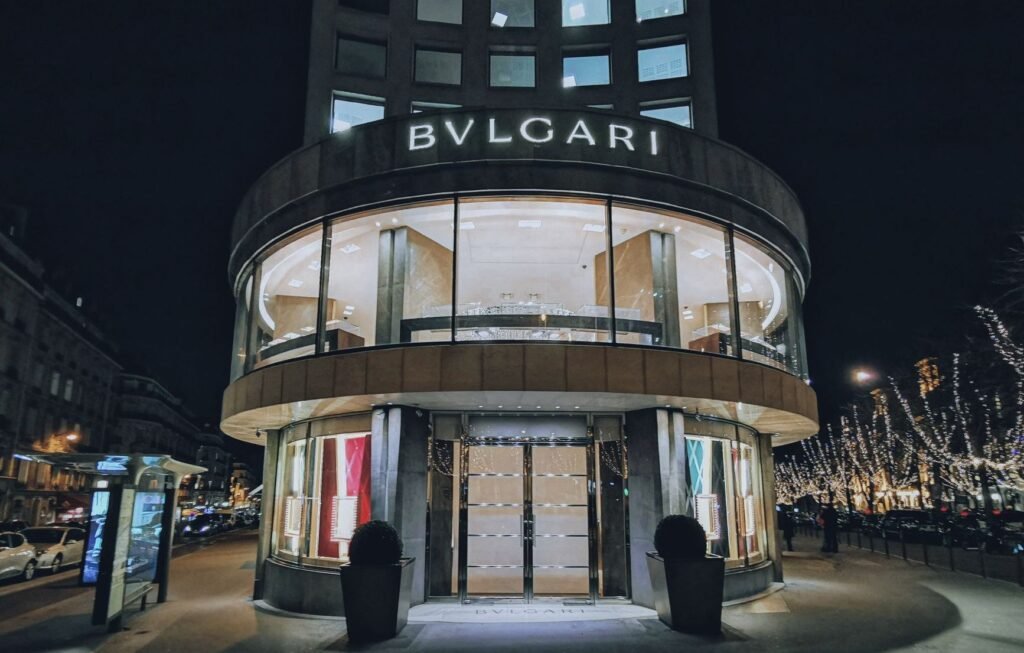
🇧🇷 POR | 🇫🇷 FR | 🇺🇸 EN | 🇪🇸 ES Avenue Montaigne: The Ultimate Guide to Paris’s Luxury Maisons Some streets are worth visiting for the atmosphere alone. Avenue Montaigne is one of them. Tucked in the heart of the 8th arrondissement, just steps from the Champs-Élysées, it gathers the most important French fashion houses in a sequence of elegant facades, glowing window displays, and doors that seem to hold secrets from centuries past. Chanel, Dior, Louis Vuitton, Valentino, Givenchy, Prada—the roster of brands assembled here turns any stroll down the sidewalk into a living museum of international fashion. What surprises many people: you don’t need to spend a cent to enjoy the avenue. Wandering past the window displays, admiring the art deco facades, sipping a coffee at one of the neighborhood bistros, and letting your eyes rest on that stretch of Paris is already worth the visit. And for those who do intend to shop, there’s the added benefit of tax free, which can mean significant savings when it’s time to settle the bill. Avenue Montaigne, the chicest address in Paris. | Photo: Mehmet Turgut Kirkgoz / Pexels Where is Avenue Montaigne located Avenue Montaigne begins at Place de l’Alma—known for the Flame of Liberty sculpture and close to the spot where Princess Diana passed away in 1997—and runs in a straight line to the Rond-Point des Champs-Élysées, cutting across the 8th arrondissement from end to end. The entire stretch is less than 800 meters, making it perfect for a relaxed walk without needing much time. To get there by metro, the most practical option is the Franklin D. Roosevelt station on lines 1 and 9, which sits right in the middle of the avenue. Those arriving on line 9 can also get off at Alma – Marceau, which provides access to the end closest to the Seine. From either stop, it’s a maximum two-minute walk to the first boutiques. The history of the avenue Avenue Montaigne wasn’t always the symbol of sophistication it is today. In the 19th century, as Paris underwent Baron Haussmann’s great urban renovation, the street was simply known as “Allée des Veuves”—the Widows’ Alley, a far-from-glamorous nickname that came from the habit of mourning ladies strolling among the trees. The place was popular, but far from the idea of luxury. The turning point came in the early 20th century, when some of the most renowned haute couture houses began setting up shop here. Christian Dior opened the doors of his atelier on the corner of Montaigne and Rue François 1er in 1947, and that inaugural collection—dubbed the “New Look”—changed the course of Western fashion forever. After Dior, the others followed, one by one, transforming the address into a global benchmark for French luxury. The elegant bustle of Avenue Montaigne. | Photo: Margerretta / Pexels The maisons you’ll find The list of brands on Avenue Montaigne reads like the table of contents of any prestigious fashion magazine. Christian Dior maintains its historic headquarters here, with a three-story flagship store that includes a showroom, café, and a small museum dedicated to the couturier’s legacy. Next door, Chanel presents its collections in an equally grand space. Louis Vuitton, Valentino, Balenciaga, Givenchy, Celine, Loewe, and Prada complete the lineup on the odd-numbered side. On the even-numbered side, the Hotel Plaza Athénée—with its red facade and iconic awnings—is the favorite address for celebrities in Paris. The hotel itself has boutiques within its internal galleries, and the Bar du Plaza serves cocktails that cost the equivalent of a decent lunch in another neighborhood, but the experience is worth it. Along the avenue, interspersed between the boutiques, you’ll also find perfume shops, jewelry stores, and young fashion ateliers offering a slightly more accessible luxury without losing the address’s sophistication. Beyond fashion, the avenue is home to the Théâtre des Champs-Élysées, one of France’s most important performance venues. Founded in 1913, the theater hosted the world premiere of Stravinsky’s Rite of Spring—which caused a riot in the audience—and remains active with a program of opera, ballet, and high-level concerts. Attending a show is a unique way to experience the avenue beyond the window displays. Strolling without shopping: what to do for free Avenue Montaigne is one of the rare places in the world where glass windows guard objects worth more than many monthly salaries, yet anyone can wander freely without the awkwardness that sometimes accompanies entering designer stores. The service teams are trained to welcome visitors with courtesy, regardless of their intention to buy. Just looking at the window displays is an experience in itself. The boutiques invest considerable sums in their visual merchandising—there are graphic designers and set designers dedicated exclusively to creating seasonal installations that change with each collection. During the winter months, the Christmas decorations of the brands on Montaigne are photographed by fashion magazines worldwide. In January and July, haute couture weeks turn the avenue into an open-air runway, with buzzing street style on the sidewalks. Refined architecture and trees on Avenue Montaigne. | Photo: Mehmet Turgut Kirkgoz / Pexels For those who want to sit and observe without spending much, there are a few options. Café de l’Avenue, inside the Hotel Plaza Athénée, charges luxury hotel prices, but its terrace facing the sidewalk offers a prime hour of people-watching. A more budget-friendly alternative: the cafés on Rue François 1er, parallel to Montaigne, where prices are half as much and the atmosphere still carries the neighborhood’s charm without the famous address’s markup. Tax Free for Brazilian tourists For those hitting the shops, détaxe—or tax free—is a real benefit, and it’s worth understanding how it works. Tourists residing outside the European Union are entitled to a refund of the French VAT (TVA), which is around 20% on clothing, accessories, and perfumes. To activate the benefit, your purchase at a single store must exceed 100.01 euros in one day. In practice, the process is simple. When you finish your purchase, ask the salesperson for a détaxe form—at any boutique on Avenue Montaigne, this is
Eiffel Tower Tickets: Stairs vs. Elevator, Prices, and Where to Buy
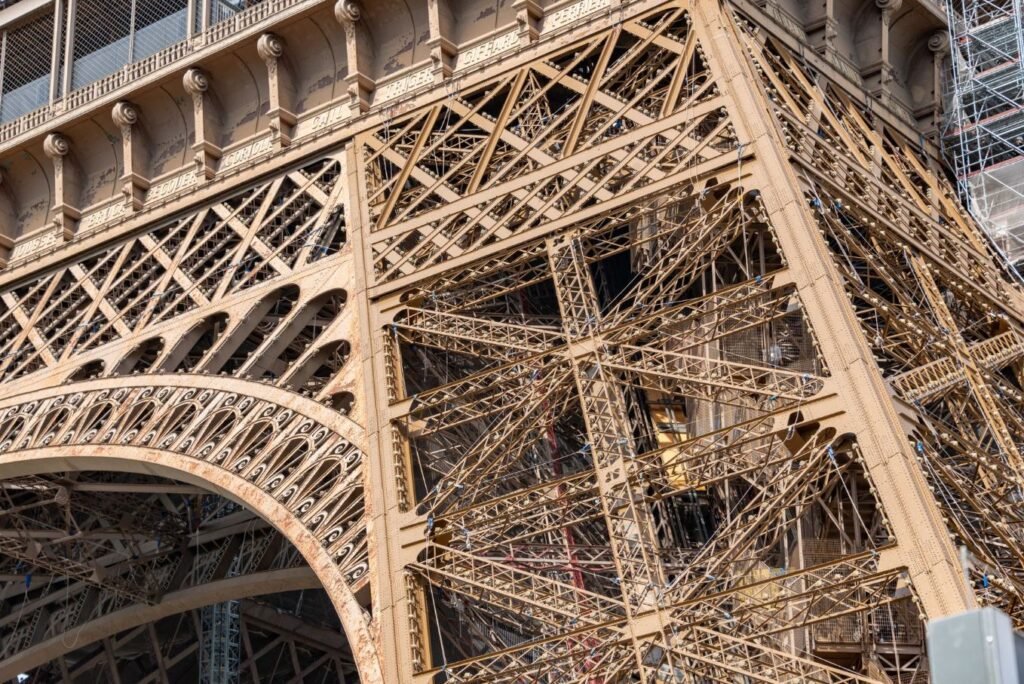
🇧🇷 POR | 🇫🇷 FR | 🇺🇸 EN | 🇪🇸 ES The Eiffel Tower welcomes over 7 million visitors each year. Every single one of them faces the same decision upon arrival: climb the stairs or take the elevator? The choice isn’t just about convenience. Price, the visual experience, wait times, and your stamina all come into play. The Three Routes The Tower offers three ways up. Each one has a completely different price, duration, and experience. Route 1: Stairs to the 1st Floor (57 meters). Three hundred steps separate you from the first landing. This height offers a unique perspective. It’s a quick climb: 10 to 15 minutes. Route 2: Stairs to the 2nd Floor (115 meters). A total of six hundred and seventy-four steps. The view here is unbeatable for photos. Expect it to take 25 to 35 minutes. Route 3: Elevator to the Top (276 meters). Fast access to the 3rd floor. No physical effort required. The top offers a 360-degree view. Prices in 2026 Stair Tickets Adult: €6.30 (1st floor) or €8.80 (2nd floor) Youth (12-24): €3.20 or €4.40 Child (4-11): €2.40 or €3.30 Disabled + companion: €3.10 Elevator Tickets Adult: €17.50 to €21.50 Youth: €8.80 to €10.80 Child: €6.60 to €8.10 Combo (Stairs + Elevator) Adult: €12.80 to €15.50 Youth: €6.50 to €7.80 Child: €4.90 to €5.90 This combo saves you €1.50 to €6 per person. Prices increase by 10-15% from June to September. Where to Buy Official Website: toureiffel-officiel.com Choose your date, time, and access type, pay, and receive a QR code by email. Free cancellation up to 24 hours in advance. The online ticket line is separate—saving you about 45 minutes. Authorized Platforms GetYourGuide: 8-12% more expensive, flexible cancellation. Klook: Competitive pricing with promotions. Viator: For guided tours with included access. What to Avoid Scams promise 40-60% discounts. Fake QR codes are identified at the entrance. You’ll be left without a ticket. If It’s Sold Out 1. Buy for tomorrow (plenty of availability on weekdays). 2. Early bird—line up at 8 AM = entry by 8:15-8:45 AM. 3. Evening (8 PM+)—spectacular lighting, minimal lines. 4. Wait for cancellations—2-5% happen daily. 5. Visit the Louvre, Sainte-Chapelle, or take a boat cruise. Important tip: Check out our post on common tourist scams and mistakes—fake tickets, fraudulent taxi drivers, and dealing with tourist police. Final Tips Time per level: 1st (45 min), 2nd (30-40 min), top (20 min). Photography: 24mm wide-angle lens. Use a modern phone for panoramas. Avoid flash. Weather: Clear day = 70km visibility. Rain = reduced visibility. Postpone if it’s raining all day. Luggage: Backpacks under 15L. Lockers available (€6-€12). Travel light. Timing: 9 AM-10:30 AM or 7 PM-9 PM. Avoid 11 AM-5 PM. FAQ Disabled visitors? 50% discount + companion. Book in advance. Large backpack? Under 15L allowed. Larger bags face strict inspection. Wait times? Peak: 30-90 min. Morning: 5-15 min. Evening: 10-20 min. Dining? Restaurants €40-€100. Cafés €8-€15. Eat beforehand. How long are tickets valid? Exact date and time. Round trip on the same day. No limit on how long you stay. Important tip: Bringing the kids to the tower? Check out our complete guide with everything on age-based pricing, accessibility, and strategies to beat the lines: Eiffel Tower with Kids: A Complete Family Guide. Important tip: Planning a special occasion? See our complete guide on dining at the Eiffel Tower—covering both restaurants, prices, how to book, and the champagne alternative at the top. Important tip: Short on cash for the ticket? Read our guide on how to see the Eiffel Tower for free—featuring the best free viewpoints, the nightly light show, and a complete no-cost itinerary. Important tip: Already picked your ticket? Also read our guide on how to skip the line at the Eiffel Tower—with the best times to visit, stair tips, and what to do if tickets are sold out. Important tip: Know which ticket to buy? Also check out our guide on the Eiffel Tower floors to know exactly what to expect at each level before you go up. Tickets start at €6.30 (stairs) and go up to €21.50 (elevator to the top). Buy official tickets 3-6 weeks in advance. If sold out, visit early or late. Combine stairs + elevator. Never buy from scammers. Enjoy Paris.
Eiffel Tower at Night: Light Show, Times, and How to See It for Free
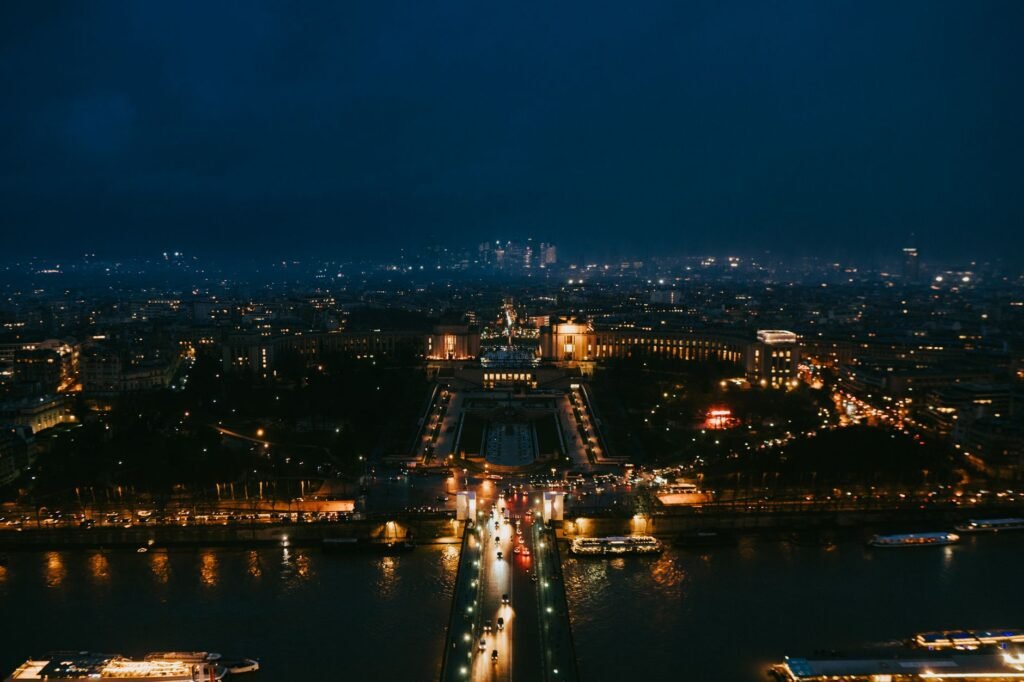
🇧🇷 POR | 🇫🇷 FR | 🇺🇸 EN | 🇪🇸 ES Every day, when night falls over Paris, the Eiffel Tower stops being just an iron monument and becomes something else entirely. For five minutes—the first five minutes of every hour—it sparkles and shines with thousands of golden lights. This isn’t the constant illumination you see all night long. It’s a brief light show that happens on a precise schedule and needs a good viewing spot to be truly worth it. If you’re heading to Paris and don’t want to miss this spectacle—preferably without paying for a ticket—this guide covers everything: when the show happens, how many times a night, where to position yourself, and what to bring to make the most of it. The Eiffel Tower during the nightly light show, which happens in the first 5 minutes of every hour. | Photo: Artūras Kokorevas / Pexels How the Eiffel Tower Light Show Works The Eiffel Tower is lit in gold from dusk until midnight (or until 1 a.m. during the summer months). This steady illumination is already beautiful and makes the nighttime stroll through the city worthwhile. But the light show is different: it’s the moment the structure starts to flash and twinkle, with 20,000 LED bulbs turning on and off in rapid sequence, creating an effect of champagne bubbling through the steel. This show happens during the first 5 minutes of every hour on the hour, starting at dusk. In December and January, it can begin as early as 6 p.m. In summer (June to August), the sun sets later, so the show starts later too, usually at 9 p.m. or 10 p.m. The exact time varies with the seasons—check the official Eiffel Tower website (toureiffel.paris) for the sunset time on the day of your visit to plan accordingly. How many times does the show happen per night? That depends on the time of year. In winter, with dusk around 5:30 p.m., you can catch it up to 6 or 7 times until midnight. In summer, when the tower only starts glowing after 10 p.m., there are just 2 or 3 displays before closing. The last show is always at 11 p.m. (or midnight during peak tourist months—always double-check on the official site). The Best Places to See It for Free You don’t need to buy a ticket to see the light show. Most of the best viewing spots are public and free. Here are the main ones, with the practical differences between each. The Eiffel Tower lit up at night, seen up close—one of the perspectives available for those who prefer to watch without paying for a ticket. | Photo: William Posser / Pexels Champ de Mars The garden stretching directly south of the Eiffel Tower is the classic spot. You’re right under the tower, lying on the grass, looking up during the show. The perspective is from below, which exaggerates the structure’s size and makes the lights seem more intense. It’s the most popular spot for tourists, meaning it gets crowded in high season—but the field is big enough for everyone to find a good position. Tip: arrive at least 30 minutes before the show to snag a good spot on the grass. Bring a blanket or something to sit on—the ground gets damp at night, even in summer. The Champ de Mars is open to the public with no entry control. Trocadéro The Trocadéro is on the opposite side from the Champ de Mars, north of the tower. It’s the highest point and offers the most photogenic perspective: you see the entire tower, top to bottom, with the Seine River and the city in the background in tighter angles. The square is always bustling and is the preferred spot for photographers and tourists wanting that classic Paris shot. The downside is that the Trocadéro often has street vendors persistently offering metal miniatures and bracelets. Firmly ignore them—they’re not aggressive, just persistent. Keep cameras and phones in your pocket when you’re not shooting. Pont d’Iéna The bridge connecting the Champ de Mars to the Trocadéro offers a different view: you’re in the middle of the Seine, with the tower perfectly centered ahead. It’s a more symmetrical angle and lets you see the reflection of the lights on the water. A good option if the Champ de Mars or Trocadéro are too crowded, and it’s right in between the two. Berges de la Seine (Seine Riverbanks) The banks of the Seine along Quai Branly and Quai de Grenelle offer side views of the illuminated tower, with the river in the foreground. They’re less crowded than the Trocadéro and have several bars and restaurants open at night—a great option if you want to combine the show with a beer or an outdoor dinner. The banks of the Seine River at night offer a different perspective on Parisian lighting. | Photo: Roy Serafin / Pexels Is It Worth Going Up the Eiffel Tower at Night? Going up the tower at night is a different experience from going up during the day—and many people think it’s better. The illuminated city has a beauty that daytime doesn’t deliver in the same way: the boulevards turn into golden ribbons, the Seine reflects the bridge lights, and you can distinguish neighborhoods by their light patterns. The important detail: if you’re on the tower, you do NOT see the sparkling light show the same way. The bulbs are on the structure around you, so the visual effect is different—you feel the lights more than you see them as a spectacle. The light show was designed to be seen from the outside, at a distance. Those inside the tower during the show usually don’t perceive the full effect. The recommendation: if the light show is your priority, stay on the ground. If the city view is your priority, go up. If time and budget allow, do both on different nights. Important note: Before deciding if it’s worth buying a ticket, check out our complete guide on common scams and
Disneyland Paris or Parc Astérix: Which One Should You Choose?
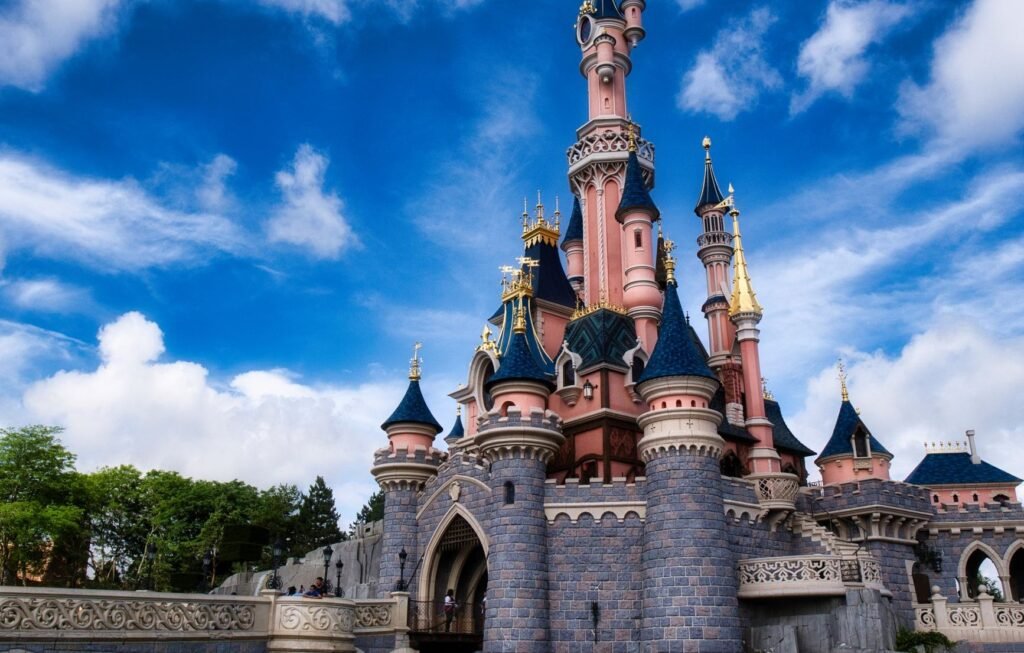
🇧🇷 POR | 🇫🇷 FR | 🇺🇸 EN | 🇪🇸 ES Two theme parks near Paris, similar audiences but wildly different experiences. The choice between Disneyland Paris and Parc Astérix doesn’t have a single answer—it depends on your kids’ ages, what the adults in the group are hoping for, and how much time you’ll spend at each place. This comparison covers the points that really matter when you’re making the call. Disneyland Paris: What It Is and Who It’s For Disneyland Paris is located in Marne-la-Vallée, about 32 km east of central Paris. It’s the most visited theme park in Europe—and its size is part of the reason: two parks (Disneyland Park and Walt Disney Studios Park) with over 50 attractions in total, shows, parades, and Sleeping Beauty Castle as the geographic and photogenic centerpiece of the complex. The dominant crowd is families with young children (ages 2 to 10). Disney characters are everywhere—Mickey, Princesses, Buzz Lightyear, the Avengers at Studios—and meeting them is a big part of the experience for kids. Adults without kids visit and have fun, but the park’s core offering is built for families with little ones. Disneyland Park has five themed “lands” (Fantasyland, Adventureland, Discoveryland, Frontierland, and Main Street U.S.A.), each with immersive décor and its own rides. Walt Disney Studios focuses more on medium- to high-intensity attractions—including the RC Racer roller coaster and Marvel universe rides. Tickets give access to just one park per day; a two-park ticket costs more. Check current prices and access policies on the official Disneyland Paris website. How to Get to Disneyland Paris The most practical option is the RER A—the suburban train departs from several central Paris stations (Châtelet–Les Halles, Gare de Lyon, Nation) and ends at Marne-la-Vallée/Chessy station, right inside the Disney complex. The trip takes about 35 to 45 minutes depending on your starting point, and trains run frequently. You arrive right at the park entrance without needing a shuttle or any extra info. Parc Astérix: What It Is and Who It’s For Parc Astérix is located in Plailly, north of Paris, about 35 km from the city center and very close to Charles de Gaulle Airport. It’s a theme park based on the characters from the Franco-Belgian comic series Astérix—Asterix, Obelix, Getafix, the Gaulish village, and the Roman enemies are all part of the décor and attractions. For those who didn’t grow up with these characters, the setting might feel less immersive than the Disney universe; for the French and Europeans, the characters are culturally familiar and deeply beloved. The park has six themed worlds—including ancient Greece, the Roman Empire, and the Pirate universe—with a more varied mix of attractions: rides for little kids, medium-intensity coasters, and two of the highest-rated water rides in European parks (the Tonnerre de Zeus drop and the Menhir Express raft ride). The target audience is broader in terms of age range—it works well for kids ages 6 to 14, but also for teens and adults. How to Get to Parc Astérix No direct RER—that’s the main logistical downside of Parc Astérix. Your options are: car or Uber (about 35–40 min from Paris without traffic), a shuttle bus from Paris (there are seasonal lines from Roissy-Charles de Gaulle station and some central points—check availability on the official Parc Astérix website), or the RER D commuter train to Survilliers plus a taxi/Uber from the terminal. None of these are as easy as the RER A to Disneyland. Head-to-Head Comparison: Disneyland Paris vs Parc Astérix Criteria Disneyland Paris Parc Astérix Location Marne-la-Vallée (direct RER A) Plailly (car or shuttle) Access without a car Very easy (RER A to the gate) More complicated Ideal age range 2–10 years (focus on young kids) 6–14 years + adults Characters Disney, Marvel, Pixar Asterix, Obelix, and the Gaulish universe Average wait times Long (especially in summer) Generally shorter Adult ticket price More expensive (varies by season) Generally cheaper Nighttime shows Yes (fireworks + parade) Seasonal shows Water rides Limited Highlight (Tonnerre de Zeus) Prices: How Much Each Park Costs Both parks use dynamic pricing—the same ticket can cost very different amounts depending on the date (peak season costs more, slower days cost less). For Disneyland Paris, a 1-day, 1-park ticket starts at prices that vary quite a bit throughout the year; access to both parks on the same day is always more expensive. For Parc Astérix, tickets are usually more affordable than Disney’s, with kids under a certain height paying a reduced rate or getting in free. Prices change frequently, and both parks offer online advance purchase deals. The rule of thumb: always buy online and in advance—it’s cheaper than at the gate on the day. Check current prices on the official websites before planning your visit budget. Important bonus: if you choose Disneyland, check out our guide to Disneyland Paris’s must-see attractions—which lines are worth the wait and what to do in the first few minutes at the park to make the most of your day. Lines: Where You’ll Wait Longer Disneyland Paris has long lines—that’s a fact, not a surprise. During the summer months (July–August) and French school holidays, some major attractions like Space Mountain, Big Thunder Mountain, and the new Studios rides can have waits of 60 to 90 minutes. The park offers the Disney Premier Access system (paid, similar to a Fast Pass) to cut wait times on select rides—worth considering if your budget allows. Parc Astérix, with fewer visitors per square foot and less international fame, typically has shorter lines during the same periods. On weekdays outside of peak season, you can hit all the major attractions without much waiting. The difference is noticeable when you’re traveling with kids—you know that time in line can be more exhausting than the ride itself. Which Park to Choose: The Practical Guide Choose Disneyland Paris if: you have kids under 8 who know and love Disney characters; you want the nighttime fireworks show; you prefer the ease of the RER A without needing a car or shuttle; your group